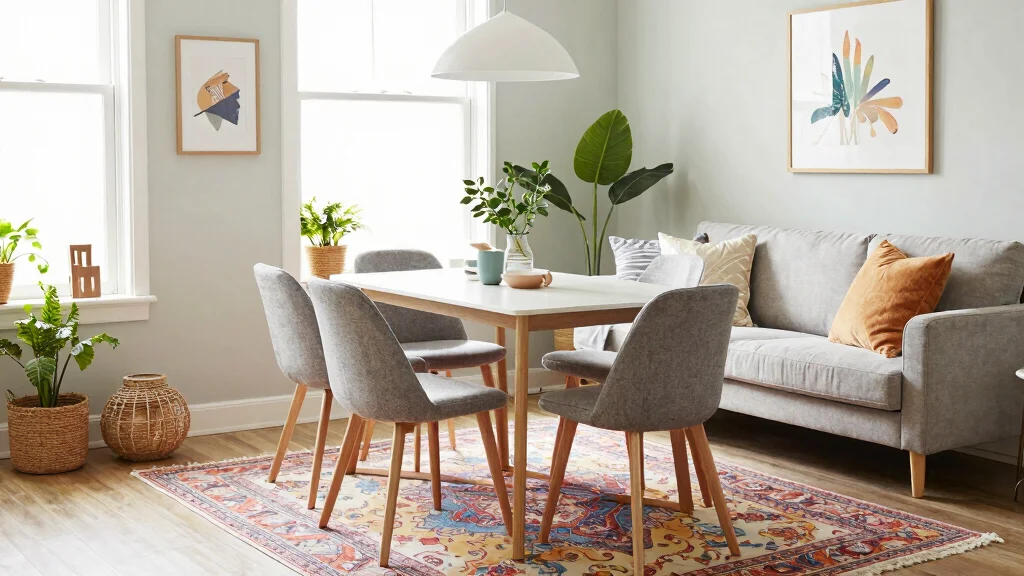
Creating the perfect small living room can often feel like a daunting task, especially when trying to combine comfort and functionality with a dining area. If you’ve ever been frustrated by awkward spaces or clutter in your compact home, you’re not alone. This post is crafted to help you discover stylish and spacious solutions that make the most of your limited square footage.
If you’re someone who loves designing cozy, inviting spaces, or if you’re simply trying to find ways to make your small living room and dining area feel more functional, this guide is for you. Whether you’re a busy professional, a small family, or a student in a compact apartment, I’ve pulled together 15 small living room ideas with dining areas that are chic, practical, and perfect for creating that open, airy feel in your home.
In this post, you’ll find a variety of creative tips and tricks that will help you maximize your space without sacrificing style. From multifunctional furniture solutions to clever color schemes, each idea is designed to inspire you to create a space that feels both cozy and spacious. Let’s dive in and transform your compact living area into a stylish haven!
Key Takeaways
– Embrace Open Concept Living: This design approach merges your living and dining areas seamlessly, making your space feel larger and more inviting.
– Create a Cozy Dining Nook: A small, dedicated dining area can enhance your home’s charm while providing a comfortable spot for meals and gatherings.
– Invest in Multifunctional Furniture: Look for pieces that serve multiple purposes, like a coffee table that doubles as a dining table or a sofa bed for overnight guests.
– Use Color Wisely to Enhance Space: Light colors can open up a room, making it appear bigger and brighter, while darker shades add warmth and coziness.
– Incorporate Vertical Space: Use wall-mounted shelves and tall furniture to draw the eye upward, creating the illusion of height and space in your living area.
Recommended Products

Multi-positional convertible featuring FingerGuard pinch point protection

6-In-1 Foldable Design-This is a convertible sofa bed, innovative design, the size has been carefully designed to quickly switch between sofa and sofa bed, one person can complete the operation, sofa size: 78.8×35.5×26 in, sofa bed size: 78.8×70.9×18.1in, without sacrificing the floor space, but still provide spacious seating space. Whether it's a cozy evening or a lazy afternoon, it's ideal for you.

3-in-1 Convertible Design: Effortlessly transforms from a plush couch to a relaxing lounger and a full-size bed. The adjustable backrest lets you customize your comfort for sitting, reading, or sleeping.
1. Embrace Open Concept Living
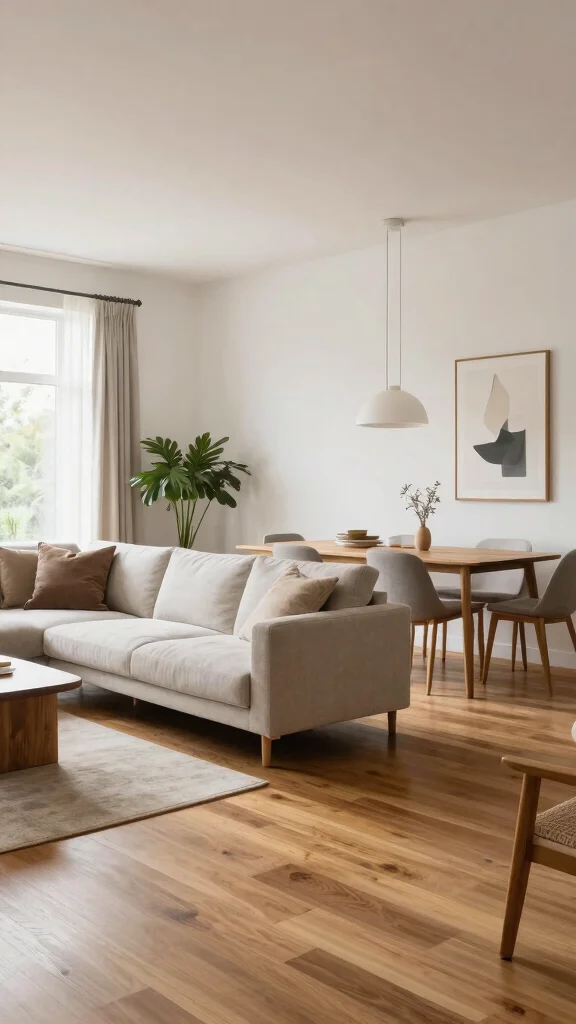
Embracing open concept living is an effective strategy for enhancing spaciousness in your small home. By eliminating physical barriers between your living and dining areas, you create a seamless flow that fosters interaction and movement. This design principle works beautifully, as it encourages a sense of unity while allowing natural light to fill the space. A cozy sectional sofa paired with a stylish dining table can serve as the perfect anchors in your open area, while decorative screens or plants can subtly define the spaces without closing them off.
To achieve this look, consider furniture arrangements that promote openness. Opt for pieces with light frames or transparent materials to maintain an airy feel. Additionally, area rugs can help delineate spaces while keeping the overall design cohesive. Look for budget-friendly options at local thrift stores or online marketplaces for unique finds that can elevate your aesthetic.
Tips for Open Concept Living:
– Stick to a cohesive color scheme to create flow.
– Use area rugs to define different spaces.
– Keep the furniture low to maintain an airy feel.
– Incorporate multifunctional pieces, like ottomans that double as storage.
This layout not only maximizes your space but also enhances the overall ambiance, allowing your small living and dining areas to shine together.
Fun fact: Open concepts can make small living room ideas with dining area feel up to 30% larger by boosting light and traffic flow. Pair a cozy sectional with a stylish dining table to anchor the zone, keep it functional, and add screens if you need flexible privacy.
Recommended Products

4 in 1 Convertible Coffee Table: Lift top coffee table features sturdy lifting for the large desktop and spring-lifting frames for the smaller one, seamlessly transforming from coffee table to workspace or expanding into a dining table for 4–8

4-in-1 Convertible Coffee Table: One Table, Endless Possibilities. Featuring a unique split-tabletop design that lifts in different directions, creating two independent surfaces for simultaneous use. Enjoy your own space without disturbing others. The large folding top flips 180° to fully expand, transforming into a dining or game table for 4–8 people. (Note: Raise the lower table first before flipping.)
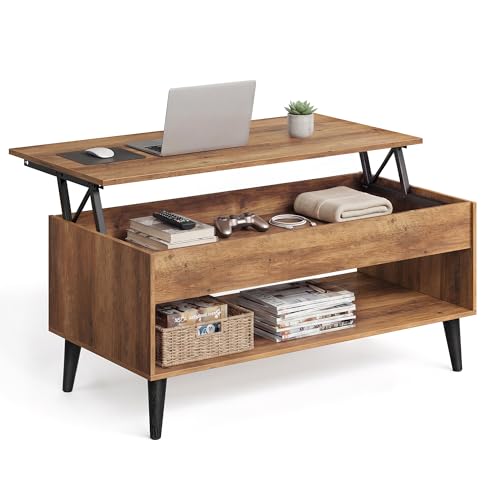
Versatile Mid-Century Charm: The refined finish and crisp lines give this center table a mid‑century modern vibe that fits beautifully in apartments, dorms, and other small spaces
2. Create a Cozy Dining Nook
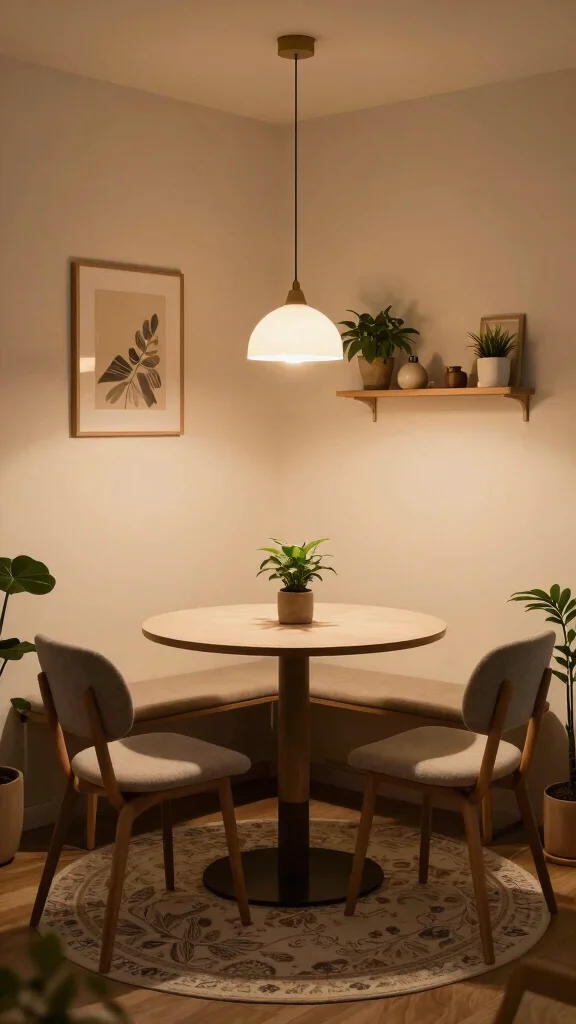
Designing a cozy dining nook in a small corner of your living room brings charm and practicality to your home. This inviting space is perfect for enjoying casual meals or morning coffee, creating a warm atmosphere that complements your living area. A round table can encourage conversation while occupying less space than traditional rectangular designs. Pair it with comfortable chairs or a charming bench to enhance the relaxed vibe of this nook.
To enhance functionality, consider adding wall-mounted shelves for easy access to dining essentials. Look for budget-friendly shelving options at local home goods stores. A few well-placed decorations can add personality while keeping the area uncluttered.
Key Features of a Cozy Nook:
– Use warm, inviting colors to promote comfort.
– Hang artwork or photographs to personalize the space.
– Add soft lighting with a pendant lamp or fairy lights.
– Choose compact, lightweight furniture for flexibility.
This cozy nook not only optimizes space but also infuses your home with warmth and character.
Recommended Products

【Extra Long for Sectionals】At 110.2 inches long and only 5.9 inches wide, this extra long console table fits oversized sectional sofas with ease. Perfect for families who need space for drinks, tablets, books, remotes, gaming devices, and everyday essentials behind the couch

Modern Modular Sectional Sofa: The Hobestluk sectional couches for living room combines a modern design with memory foam for comfort. Designed for family movie nights and gatherings with friends in living rooms or small apartments. The modular design of sofa modular allows flexible arrangement to maximize available space while ensuring each section remains firmly connected

【L Shaped / U Shaped Boneless Cloud Couch】Filled with high-density, high-resilience memory foam, this modular sofa delivers the perfect balance of cloud-like softness and firm support.The sofa comfortably accommodates 3+ adults without sagging. The 26" deep seat and 15.7" seat height offer ergonomic comfort for extended lounging, movie nights, or napping.
3. Invest in Multifunctional Furniture
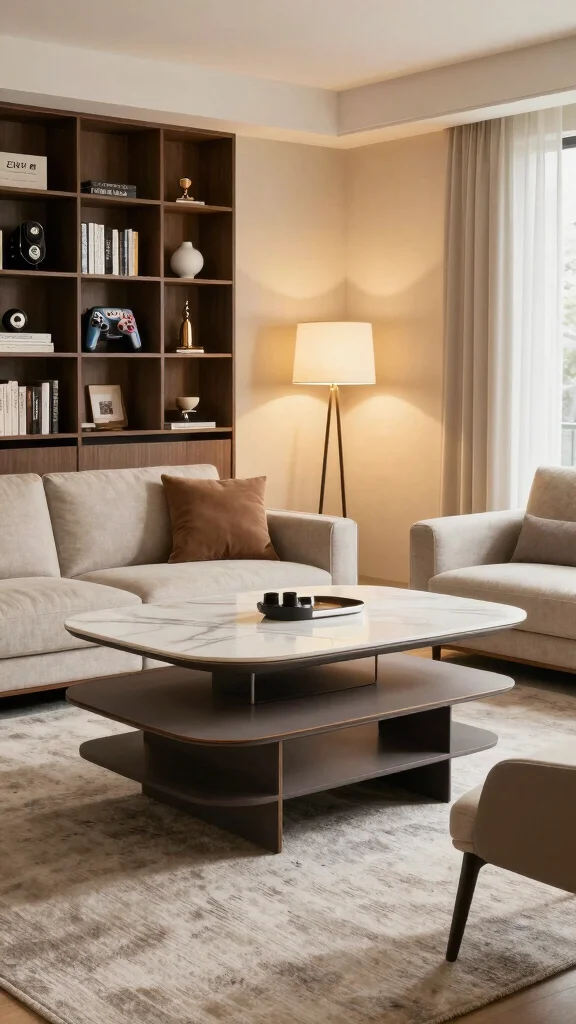
Investing in multifunctional furniture can revolutionize small living spaces by maximizing utility without compromising style. Pieces that serve multiple purposes, such as convertible tables or storage ottomans, allow you to adapt your living room and dining area to various needs throughout the day. For example, a coffee table that transforms into a dining surface can be a game-changer during gatherings, while a sectional sofa with hidden storage keeps your space organized.
Look for budget-friendly options at furniture outlets or online retailers that specialize in multifunctional designs. This approach not only keeps your space tidy but also aligns with broader trends of smart living and sustainability.
Benefits of Multifunctional Furniture:
– Saves space by eliminating the need for excess furniture.
– Offers flexibility for different activities.
– Enhances organization by incorporating storage.
– Adds style without compromising on practicality.
By integrating multifunctional pieces into your home, you can create a dynamic and stylish living environment that meets all your needs.
Recommended Products

Complete Set for Versatile Organization:This pack includes three different-sized organizers (Small, Medium, Large), designed to work together. They offer a flexible storage solution that can be easily customized for various spaces like your kitchen pantry, bathroom cabinet, or office desk, helping you eliminate clutter efficiently.

Centerpiece of Room Decoration – These shelves boast a distinctive design and an elegant shape, making them a focal point that elevates the style of any room. Ideal for the living room, bedroom, study, bathroom, laundry room, children's room, or office, they reflect the owner's sophisticated taste and blend seamlessly with various decor themes.

Centerpiece of Room Decoration – These shelves boast a distinctive design and an elegant shape, making them a focal point that elevates the style of any room. Ideal for the living room, bedroom, study, bathroom, laundry room, children's room, or office, they reflect the owner's sophisticated taste and blend seamlessly with various decor themes.
4. Use Color Wisely to Enhance Space
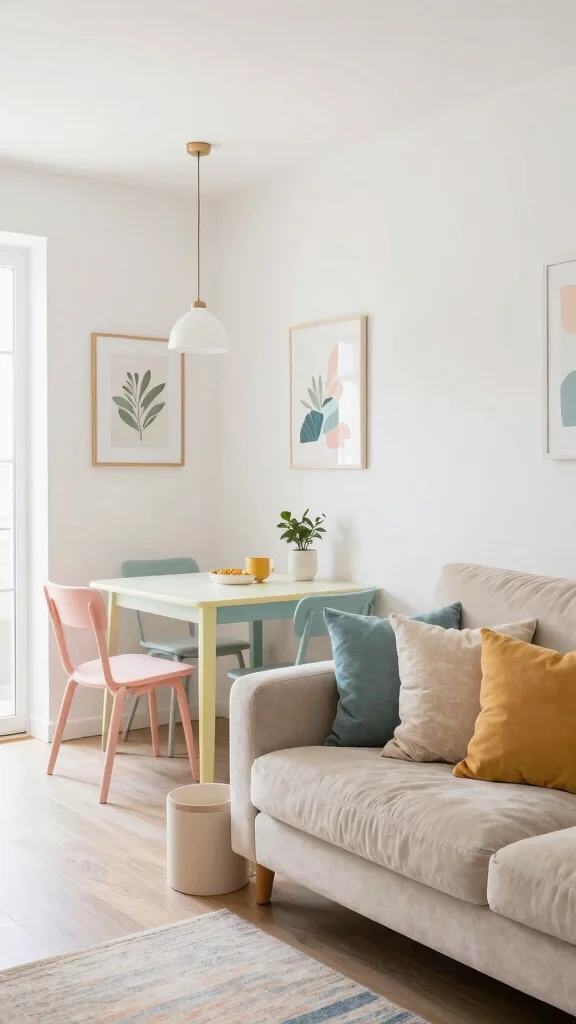
Color plays a crucial role in shaping the perception of space in your home. In small living rooms and dining areas, selecting the right color palette can transform your environment. Lighter shades, like soft whites and pastel tones, create an open and airy feel, making the space appear larger and more inviting. If bold colors are your preference, consider incorporating them as accents through decorative items or cushions, allowing you to maintain a light base while adding personality.
You can also create an illusion of height by painting an accent wall or selecting vertical patterns. Be sure to experiment with textures and metallics to reflect light and enhance depth, adding sophistication to your design.
Color Tips:
– Use neutrals as the foundation and add bright accents.
– Choose consistent shades for furniture to create harmony.
– Experiment with metallics to enhance light reflection.
– Don’t shy away from textures to add depth without overwhelming the space.
Thoughtful color choices can truly elevate your small living area and dining space, making them feel stylish and welcoming.
Recommended Products

【Folding Dining Set for 2】Comes with 1 round foldable dining table and 2 chairs.A more affordable price while doesn't sacrifice quality and function,our folding dining set is well made of quality MDF and sturdy metal frame ensures it's stability and durability.

Space-Saving Folding Dining Table:Ideal for modern urban living, this stylish and versatile folding dining table adapts to your lifestyle—perfect for meals, work, studying, or entertainment. Its compact design maximizes space, making it a top choice for small apartments, studios, and suites

SPACE SAVING: Versatile yet unobtrusive, with chairs that fit perfectly under the tabletop, this set is perfect for any kitchen, dining room, or dorm room
Dimensions & Size Guide
Standard Sizes & Measurements:
When planning a small living room with a dining area, understanding standard sizes is crucial. Here are some common measurements for different furniture pieces that work well together in compact spaces:
– Sofa: The average sofa length is about 72-84 inches. If you opt for a loveseat, aim for 48-72 inches. Smaller styles, like a settee, can be as short as 40 inches.
– Dining Table: A small round dining table typically measures 30-48 inches in diameter, which can seat 2-4 people. Rectangular tables range from 48-72 inches in length and 30 inches wide for a cozy setup.
– Chairs: Dining chairs should be about 18 inches high at the seat. The ideal width is around 16-20 inches to allow for easy movement around the table.
– Rugs: If you’re creating separate zones, use rugs measuring at least 5×7 feet for the living area and 4×6 feet for the dining nook. This helps define spaces in an open layout.
Minimum Requirements for Proper Fit or Function:
To ensure comfort and functionality, consider these minimum space requirements:
– Walking Space: Allow at least 36 inches of clearance around dining tables and between furniture pieces. This provides enough room for movement and dining without feeling cramped.
– Seating Arrangement: For the sofa, place it at least 18 inches away from the coffee table to keep it easily accessible.
– Dining Area: When placing a dining table, position it at least 24 inches from the wall or other furniture to provide enough space for diners to pull out their chairs comfortably.
Quick Reference Table:
Here’s a simple comparison of sizes and their uses:
Size/Dimension – Best for: [use case], Minimum space needed: [measurement]
– Sofa (72-84 inches) – Best for: 2-3 person seating, Minimum space needed: 100 inches
– Dining Table (48-72 inches) – Best for: 2-4 person dining, Minimum space needed: 96 inches
– Chair (18 inches seat height) – Best for: Comfortable seating, Minimum space needed: 24 inches
– Rug (5×7 feet) – Best for: Defining living areas, Minimum space needed: 7×10 feet
Space Planning Tips:
Effective space planning is key to making the most of your small living room with a dining area. Here are a few tips to guide you:
1. Measure First: Start by measuring your space before buying any furniture. Write down the dimensions of your room and compare them to your desired pieces.
2. Use Scaled Drawings: Draw a scaled plan of your room on graph paper. This allows you to visualize how furniture will fit together without heavy lifting.
3. Common Mistakes: Avoid pushing furniture against walls. This can create a disjointed look. Instead, float your sofa in the middle of the room if possible, which can create a cozy atmosphere.
4. Think Vertical: Use wall-mounted shelves and tall bookcases to take advantage of vertical space. This frees up floor space and adds interest to your decor.
5. Stay Flexible: Keep your furniture arrangement flexible. Using lightweight pieces allows you to rearrange easily if your needs change or if you want to refresh your space.
Pro Tip: The most important measurement to consider is the clearance around your dining table. Ensure you have adequate space for chairs to move in and out without hitting walls or other furniture. This small detail can significantly enhance comfort during meals!
Recommended Products

LOW-PROFILE FLOOR SEATING: Seat height is 11.8 in, lower than a standard sofa seat of 17 to 19 in; sits close to the floor for lounging, reading and gaming; place against a wall for back support

SUPER SOFT SHERPA & FLEECE REVERSIBLE DESIGN: One side features smooth brushed fleece while the other offers plush sherpa warmth. Customers love how incredibly soft and cozy it feels for relaxing on the couch, reading, or watching TV.

【 3-in-1 Convertible Tri-Folding Boneless Loveseat Sofa】 Easily transform this tri-fold boneless loveseat sofa from a compact loveseat sofa (26.5"×33"×54") into a spacious lounger or a generous full size sleeper bed (54"×82"). Perfect for movie nights, afternoon naps, or overnight guests, this versatile futon replaces both a couch and a pull out sofa bed—ideal for apartments, guest rooms, or living rooms.
5. Layer Textures for Depth
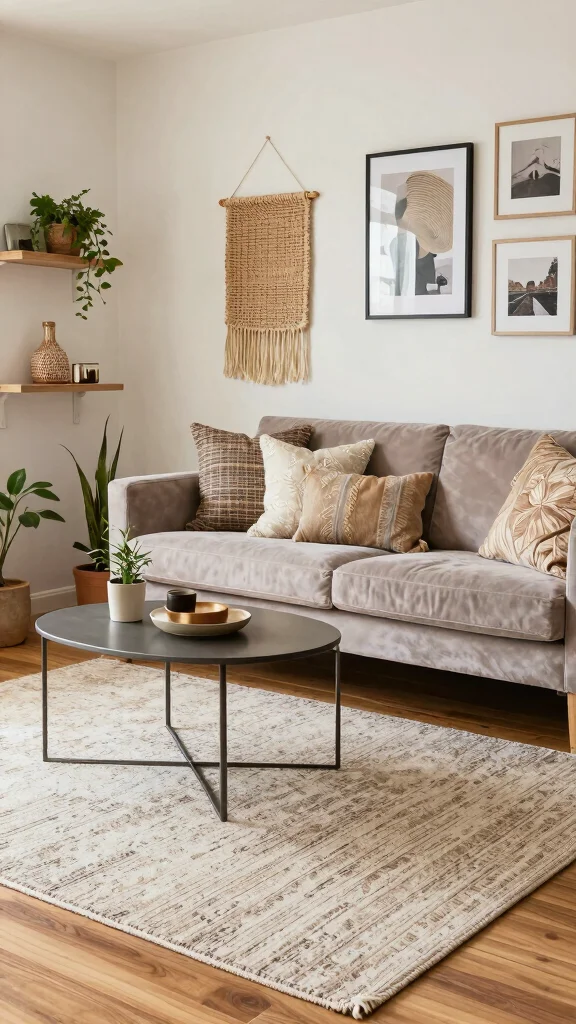
Layering textures is an effective method to infuse visual interest in your small living room and dining area. By blending various materials, you can create a warm and inviting atmosphere that feels both cozy and spacious. Consider soft textiles like woven throws paired with sleek surfaces such as glass or metal to create a balanced contrast. A plush area rug can soften hardwood floors, while decorative accents, such as woven baskets, can introduce natural elements.
Incorporate a mix of fabrics, including velvet cushions and cotton blankets, to achieve that chic yet comfortable vibe. Opt for budget-friendly options like thrifted textiles to enhance your decor without overspending.
Texturing Tips:
– Incorporate a variety of fabrics like linen, cotton, and velvet.
– Add wooden elements for warmth and contrast.
– Use lighting to highlight texture differences, creating shadows.
– Play with the scale of decor items for added interest.
Layering textures not only adds depth but also helps in making your small space look more inviting and full of character.
Recommended Products

Flexible Lift-Top Design: This lift-top coffee table features 2 tabletops that can be raised in different directions, easily creating 2 separate work areas. The large tabletop is foldable to meet various daily needs

Modern Lift-Top Coffee Table: Featuring a split lift tabletop design, this square coffee table easily transforms from a standard coffee table into a height-adjustable work table or a flip-top dining table that comfortably seats 4-8 people. The multi-functional coffee table adapts to your diverse needs, whether for relaxation, work, or entertainment

Modern Design: Elevate your living room or office with our 3 in 1 Lift Top Coffee Table. The fluted panel design is unique and elegant, while the melamine veneer wood grain table top creates the natural beauty of a rustic coffee table. The modern design makes the coffee table more modern, providing the perfect blend of style and functionality.
🏠 Transform Your Space Like a Pro
Unlock the secrets to stylish and functional living with our DIY guide for every budget and style.
6. Create Separate Zones with Rugs
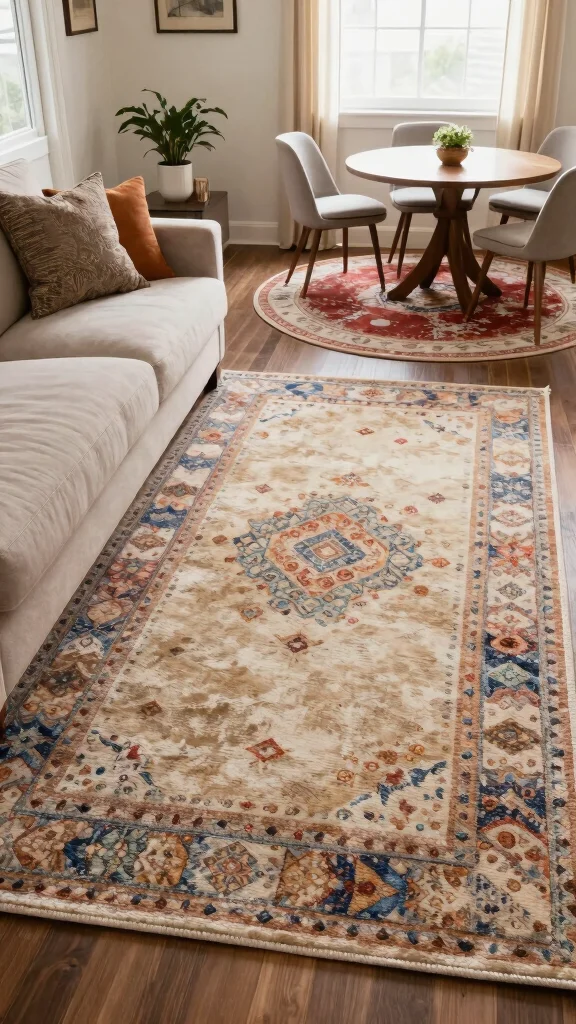
Area rugs are a fantastic way to define different zones within your small living room and dining area. They visually separate spaces, enhancing warmth and comfort without needing physical barriers. Selecting the right size and style of rug is crucial; a larger rug can anchor your living area, while a smaller round rug can highlight your dining nook.
Consider layering rugs for a more eclectic vibe or choosing patterns that connect both areas harmoniously. This approach can help delineate spaces while maintaining an overall cohesive design.
Rug Selection Tips:
– Ensure the rug is large enough for all furniture to sit on it or at least the front legs.
– Use contrasting colors to define each zone visually.
– Choose plush materials for comfort and warmth.
– Experiment with shapes, like pairing a rectangular living area with a round dining rug.
Area rugs can elevate both style and practicality, enhancing the overall feel of your compact space.
Recommended Products

Modern Modular Sectional Sofa: The Hobestluk sectional couches for living room combines a modern design with memory foam for comfort. Designed for family movie nights and gatherings with friends in living rooms or small apartments. The modular design of sofa modular allows flexible arrangement to maximize available space while ensuring each section remains firmly connected

【L Shaped / U Shaped Boneless Cloud Couch】Filled with high-density, high-resilience memory foam, this modular sofa delivers the perfect balance of cloud-like softness and firm support.The sofa comfortably accommodates 3+ adults without sagging. The 26" deep seat and 15.7" seat height offer ergonomic comfort for extended lounging, movie nights, or napping.

【L Shaped / U Shaped Boneless Cloud Couch】Filled with high-density, high-resilience memory foam, this modular sofa delivers the perfect balance of cloud-like softness and firm support.The sofa comfortably accommodates 3+ adults without sagging. The 26" deep seat and 15.7" seat height offer ergonomic comfort for extended lounging, movie nights, or napping.
7. Opt for Sleek Furniture Designs
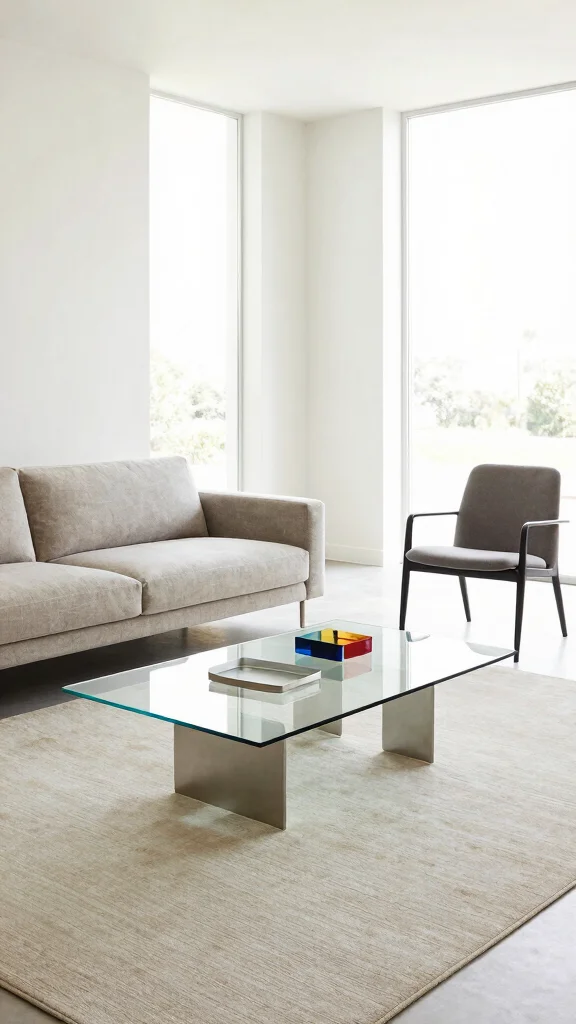
In a small living room, selecting the right furniture is essential to achieving an open and airy atmosphere. Opt for sleek, minimalist designs that offer style without overwhelming your space. Avoid bulky furniture and instead, look for pieces with clean lines and lightweight frames that create a sense of openness.
Consider furniture with legs, which allows for visual space underneath, or transparent options like acrylic chairs that maintain a light and airy look. Ensure that your selected pieces complement each other in style and color for a harmonious aesthetic.
Sleek Furniture Tips:
– Choose low-profile sofas and chairs that don’t overpower.
– Utilize glass or light wood tables to enhance light flow.
– Aim for multi-use furniture to save space.
– Ensure there’s enough walking space to avoid cramping.
By incorporating sleek furniture designs, your small living room can remain open and inviting while also reflecting your personal style.
Recommended Products

𝐌𝐨𝐝𝐞𝐫𝐧 & 𝐌𝐢𝐧𝐢𝐦𝐚𝐥𝐢𝐬𝐭 𝐒𝐭𝐲𝐥𝐞 – Featuring clean lines and a rustic brown finish, these wall-mounted shelves bring warm farmhouse charm and modern style to any space. Perfect as shelves for room decoration, book shelves display, and rustic farmhouse wall decor — they elevate your bathroom wall art vibe, bedroom aesthetic, living room style, kitchen organization, office setup, and laundry room storage all in one versatile design

Well-designed Floating Shelves: Our white floating shelves for wall are made of MDF Laminate. These wall shelves can organize daily sundries to tidy your space, display your art pieces on the wall to decorate your home, and make it full of aesthetic flare.
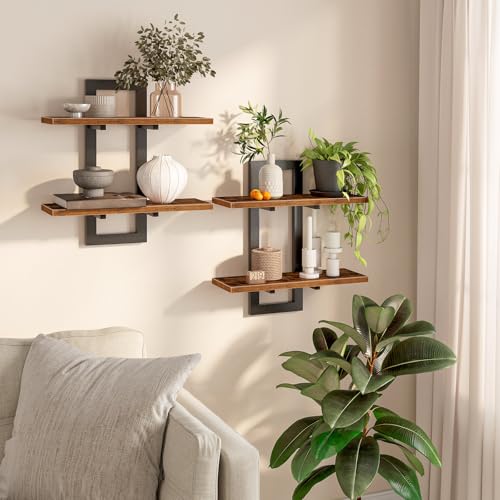
Double-Layer Storage: Measuring 15.0"L x 5.3"W x 15.7"H, the floating wall shelves features a double-layer design, and don't take up much space when mounted on the wall, the 2-tier wall shelf providing more storage space to place additional items, book or decorations while making full use of wall space, creating a neat and cozy home environment
You might also like
8. Incorporate Vertical Space
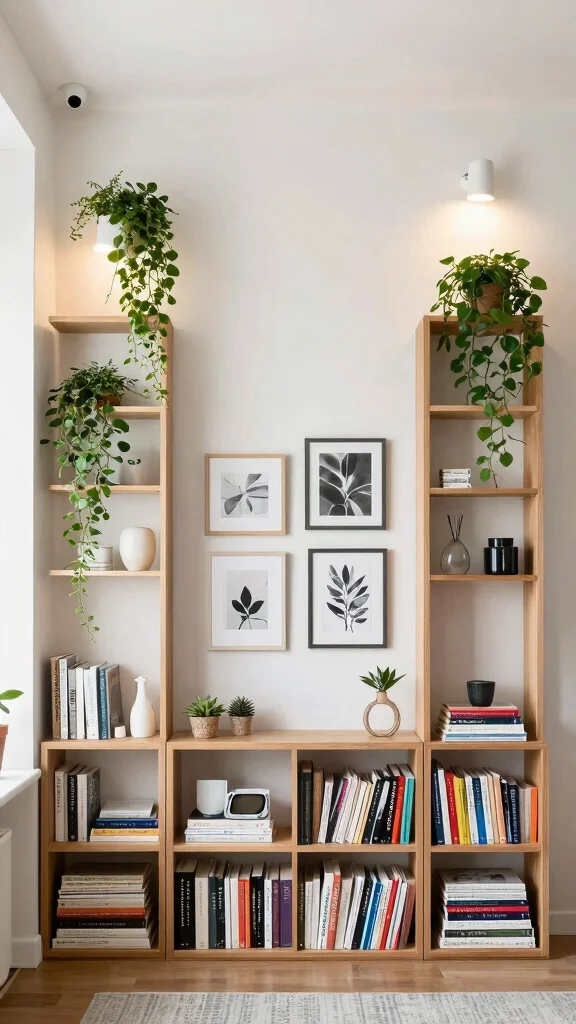
Utilizing vertical space can dramatically enhance the functionality of small living and dining areas. Make the most of your walls by incorporating storage solutions and decorative elements that draw the eye upward. Wall-mounted shelves are perfect for displaying books or decorative items, while tall cabinets can provide essential storage without taking up floor space.
Add vertical elements such as tall plants or striking wall art to create an illusion of height, making the room feel more spacious. Consider a gallery wall to showcase your favorite art pieces or family photos, adding character and personalization to your home.
Vertical Space Tips:
– Choose tall, narrow furniture to maximize vertical space.
– Utilize wall-mounted lighting to save space on tabletops.
– Hang mirrors to reflect light and create an illusion of depth.
– Incorporate climbing plants for greenery without occupying floor space.
Making use of vertical space can transform your small living room and dining area into a stylish haven that feels expansive.
Recommended Products

Ideal Choice for Smaller Spaces: This compact dining table (27.6"L x 27.6"W x 29.5"H) is perfect for kitchen breakfast nooks, apartments, and other limited spaces. It comfortably seats 2-4 people, making it practical for intimate gatherings

【Space Saving】Ideal for small apartments and limited spaces. Our drop leaf table would fully folded and stored in a small corver when not in use, maximizing your space.
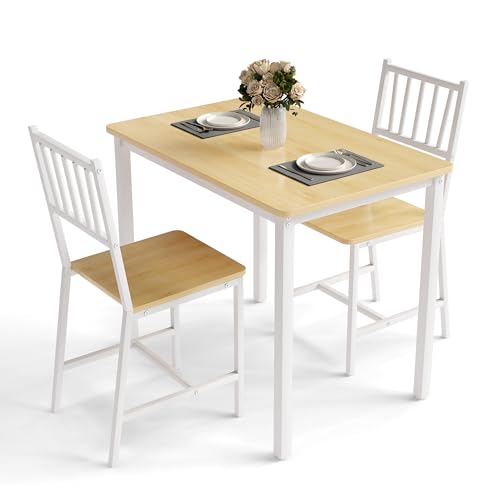
【Perfect for Small Spaces & 2 Person Dining】 This compact 3-piece dining set includes a 35.4”L x 23.6”W x 29.7”H table and two matching chairs, designed to comfortably seat two. The ingenious space-saving design allows benches to tuck neatly under the table when not in use, making it an ideal solution for apartments, studios, breakfast nooks, or any compact living area. Maximize your floor space without compromising on style or functionality.
9. Add a Statement Piece
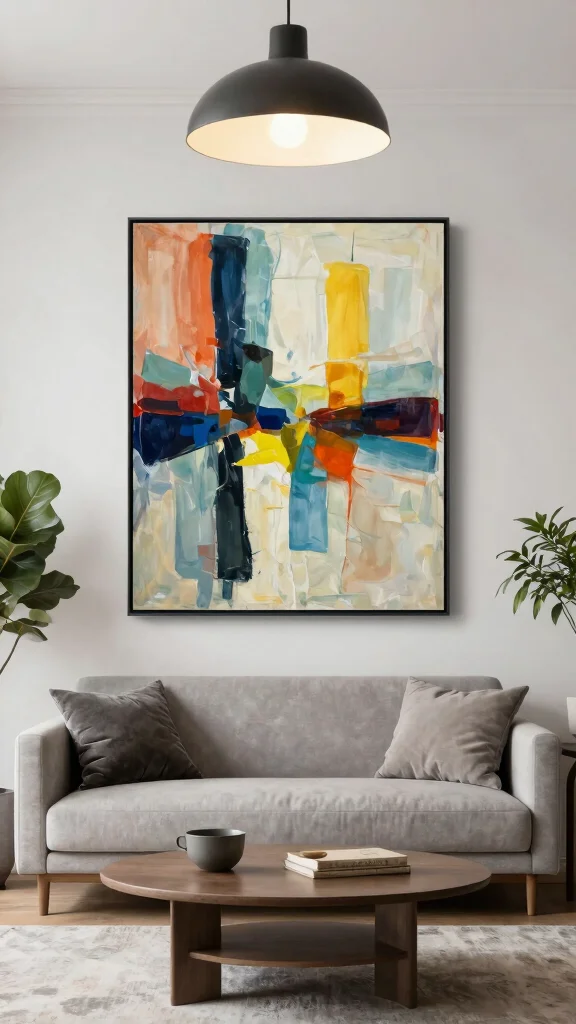
A single statement piece can redefine your living and dining area, injecting personality and flair into your space. This could be a bold artwork, an eye-catching light fixture, or a unique furniture item that becomes a conversation starter. Selecting one standout item helps draw attention away from the room’s size, creating a focal point that enhances your overall aesthetic.
Ensure that your chosen statement piece aligns with your color scheme and design style for a cohesive look. This thoughtful selection can elevate the entire room’s atmosphere and create a memorable impression.
Statement Piece Ideas:
– A large, vibrant painting or mural can energize the space.
– A striking chandelier or pendant light can add elegance.
– An oversized plant can inject life and color.
– A unique coffee table or side table can become a functional art piece.
Incorporating a statement piece creates an engaging atmosphere in your small living area, inviting guests to admire and interact.
Fun fact: in small living room ideas with dining area, a single statement piece can make the space feel up to 25% more expansive. Choose bold art or a unique light to draw the eye. Keep it aligned with your color scheme for cohesion.
10. Use Mirrors to Create Illusions
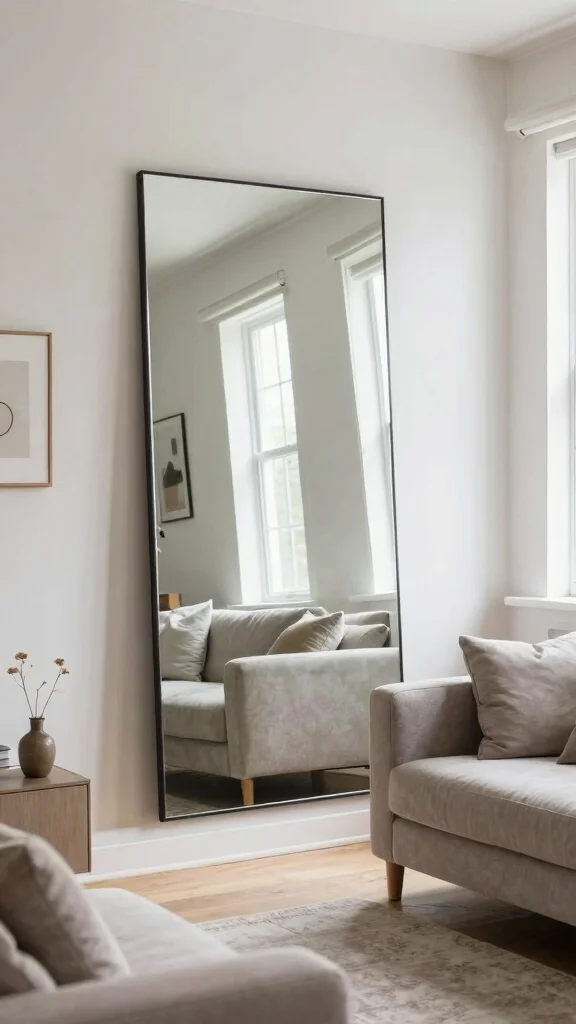
Mirrors are powerful tools for creating the illusion of space in a small room. By reflecting light and surroundings, mirrors can make your living room and dining area feel larger and brighter. Consider a large wall mirror as a dramatic focal point, or use smaller mirrors as accents throughout the space.
Hang mirrors across from windows to maximize natural light and warmth. You can also explore mirrored furniture pieces, which keep the space feeling open while adding a touch of glam.
Mirror Placement Tips:
– Avoid placing mirrors directly across from each other to avoid a dizzying effect.
– Use mirrors to reflect beautiful views or decor elements.
– Combine different sizes and shapes for a curated look.
– Keep the surfaces around mirrors clutter-free for a more spacious feel.
Utilizing mirrors effectively can enhance your small living room and dining area, making them feel airy and expansive.
11. Go for Built-In Options
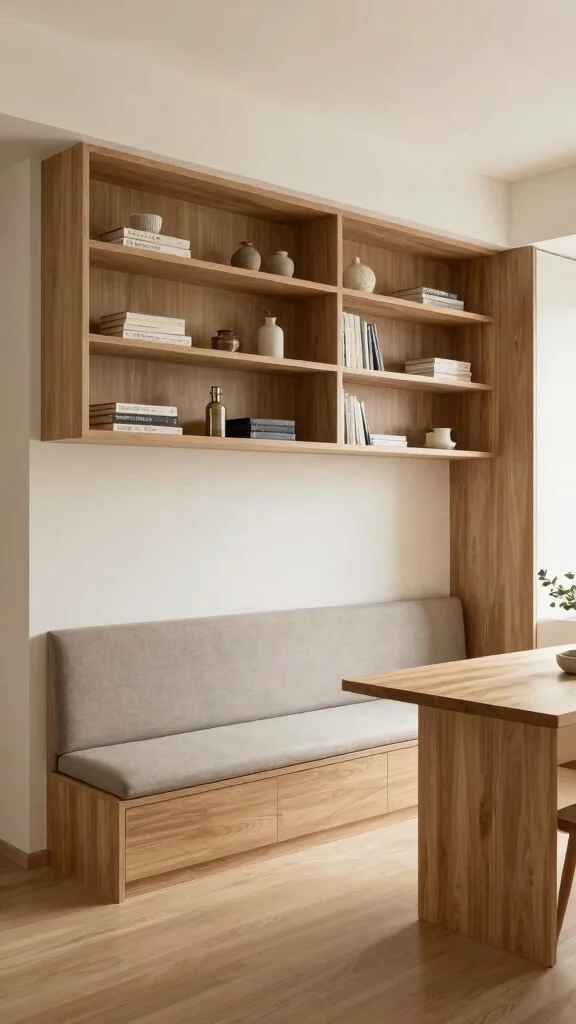
Built-in furniture provides a sleek and integrated look while maximizing space in small living rooms and dining areas. Options like wall-mounted benches or shelves not only save floor space but also offer practical solutions for storage and seating. Built-in dining areas can create an intimate eating space that feels intentional and thoughtfully designed.
Consider custom-built shelving that meets your specific needs, providing ample storage while showcasing your favorite items. Built-in sofas or booths can offer comfortable seating without taking up excess space, enhancing both style and function.
Built-In Furniture Benefits:
– Customizable designs for personal style.
– Streamlined appearance that enhances space.
– Efficient storage solutions eliminate clutter.
– Increased property value with professional installations.
Choosing built-in options can create a sophisticated and functional living and dining space that truly feels like home.
12. Experiment with Lighting
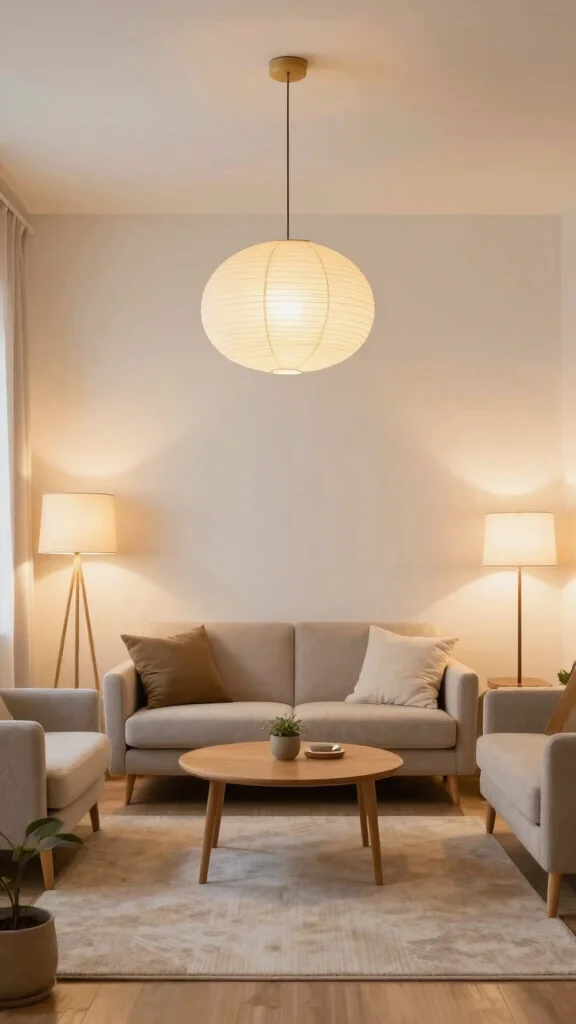
Lighting is essential in shaping the atmosphere of your small living and dining areas. Using a variety of light sources can create different moods and highlight areas effectively. Combine overhead lighting with table and floor lamps to add depth and warmth to your design.
Consider using dimmer switches for versatility and layering different lighting types, such as ambient and task lighting, for a dynamic look. Wall sconces can also help save floor space while providing functional illumination in tighter areas.
Lighting Tips:
– Mix light sources at different heights for visual interest.
– Use warm bulbs to create a cozy atmosphere.
– Focus on areas that require more light, like the dining table.
– Ensure fixtures complement your decor style for a cohesive image.
By experimenting with lighting, you can enhance your small living room and dining area, making them feel both inviting and spacious.
You Might Also Like
13. Personalize with Decor
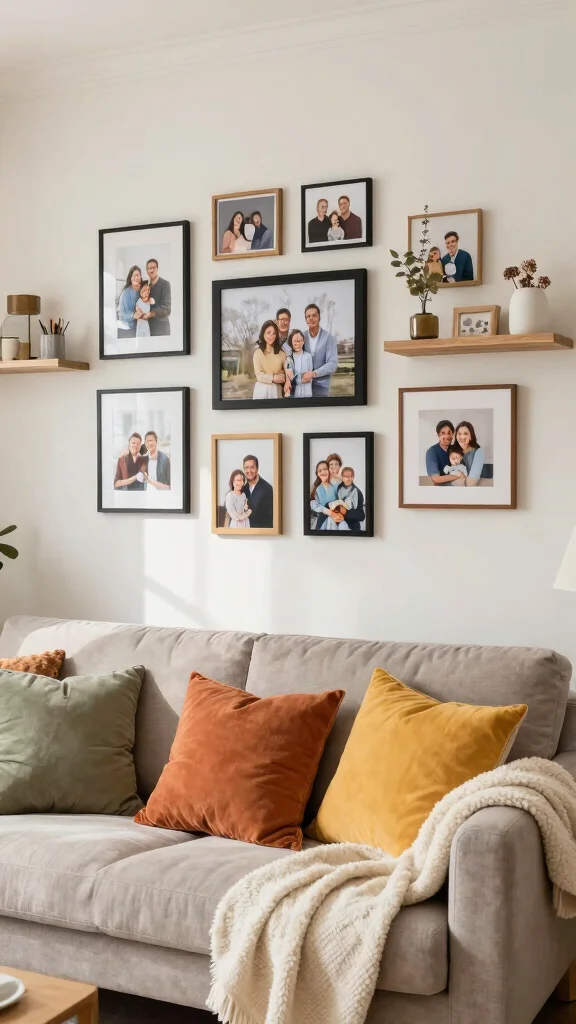
Personalizing your small living room and dining area with unique decor items brings warmth and character to your home. Incorporate pieces that reflect your personality, such as art, family photos, or mementos from your travels. These personal touches make your space feel lived-in and inviting.
Create a small gallery wall or display decorative items on shelves to showcase your individuality. Accessories like throw pillows, blankets, and candles can also introduce color and texture while maintaining a cohesive theme.
Personalizing Tips:
– Choose decor items that hold sentimental value.
– Rotate items seasonally for a fresh look.
– Use a consistent color palette for cohesion.
– Avoid overcrowding by curating your decor thoughtfully.
Personalizing your space not only makes it unique but also creates a home that tells your story.
Personalize your small living room ideas with dining area by curating a tiny gallery wall and a few well-chosen keepsakes. Mix art, family photos, and cozy textures to add warmth and character, then swap pieces seasonally for a fresh, lived-in vibe.
14. Maintain a Minimalist Approach
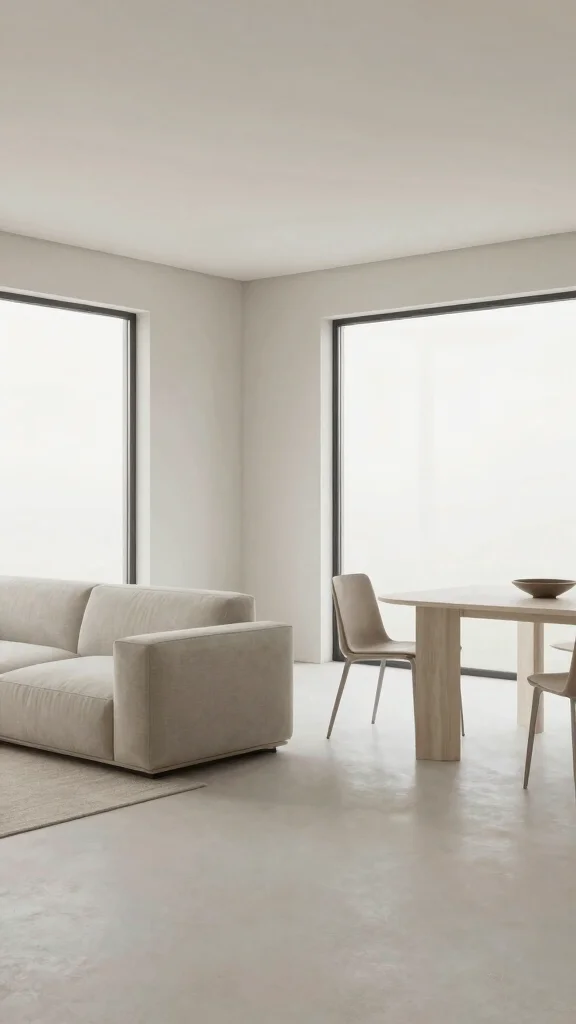
Adopting a minimalist approach in your small living room and dining area can be incredibly beneficial. This design philosophy emphasizes essential furniture and decor, reducing clutter and creating a more open atmosphere. Select pieces that serve a purpose and contribute to the overall aesthetic without overwhelming your space.
This doesn’t mean your home has to be dull; feel free to play with colors, textures, and shapes while keeping the number of items to a minimum. Open shelving and streamlined furniture can help maintain this minimalist look.
Minimalist Living Tips:
– Choose multifunctional furniture to reduce quantity.
– Use neutral colors for a clean, open feel.
– Keep surfaces clear of unnecessary items.
– Regularly evaluate and declutter your space.
By embracing minimalism, you can create a serene and stylish living area that feels expansive and inviting.
15. Infuse Nature with Greenery
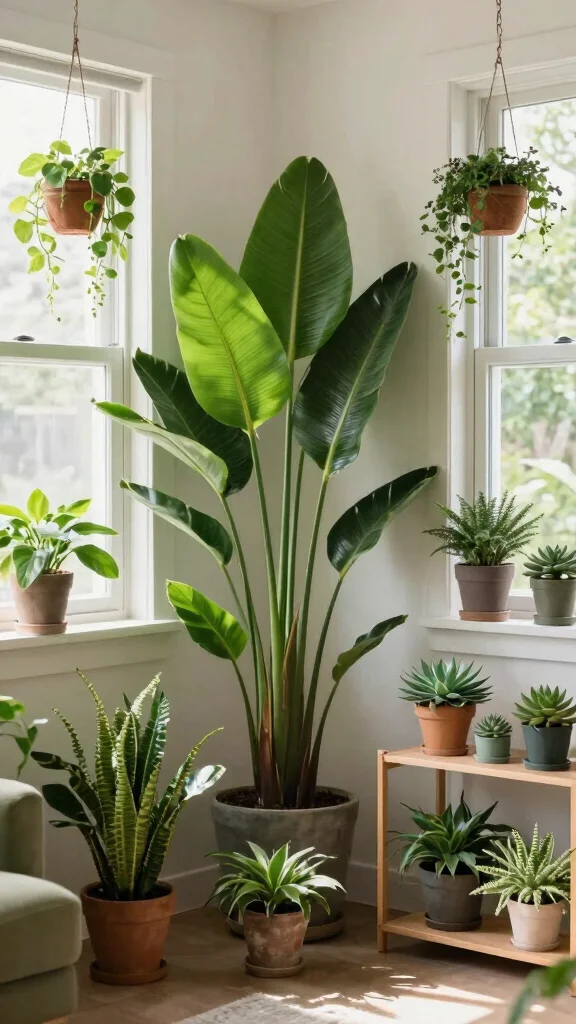
Bringing plants into your small living room and dining area is a wonderful way to infuse life and nature into your home. Greenery not only enhances visual interest but also improves air quality and promotes tranquility. Choose indoor plants that thrive in your environment and complement your decor style for maximum impact.
Consider smaller plants like succulents or hanging varieties to fit into tight spaces. Use decorative pots that align with your overall aesthetic to create a cohesive look throughout the room.
Plant Placement Tips:
– Place taller plants in corners to draw the eye upward.
– Use window sills, shelves, or hanging planters for smaller varieties.
– Group plants together for an impactful display.
– Rotate plants regularly for fresh energy.
Infusing nature into your home can elevate the beauty of your small living room and dining area, creating a refreshing and inviting space.
Conclusion
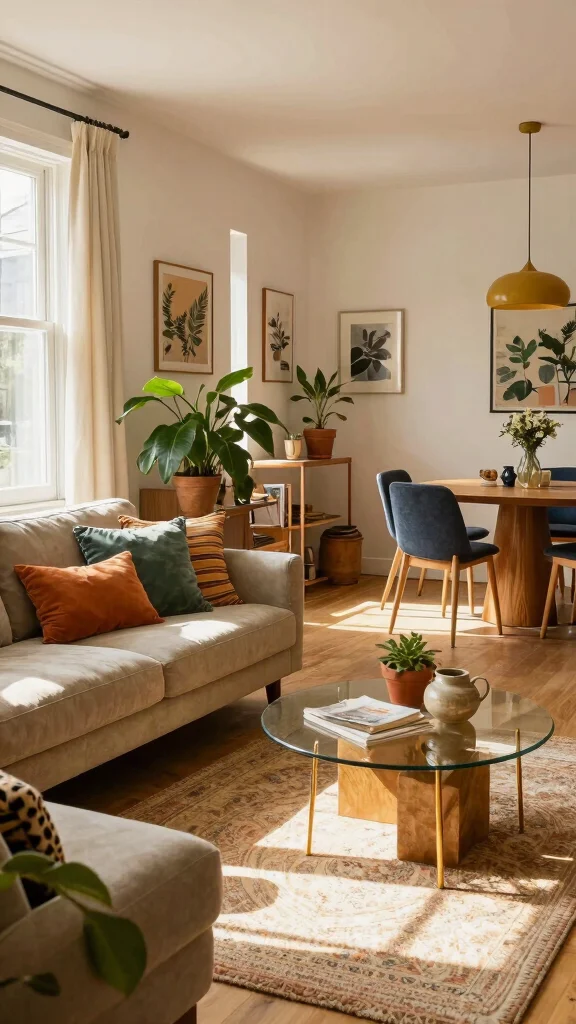
With these 15 small living room ideas that include a dining area, you can transform your compact space into a stylish haven that feels both cozy and spacious. Each idea offers unique solutions that cater to multifunctional living, ensuring your home reflects your personality and lifestyle.
Whether you choose to embrace open concepts, invest in smart furniture, or infuse nature with plants, the key is to make choices that resonate with you. Start crafting your dream space today!
Frequently Asked Questions
What are some practical small living room ideas with a dining area that actually feel spacious?
These tips turn a compact setup into a stylish, airy space. Start with a compact dining table that seats 4 and fits the open concept living flow.
Choose multifunctional furniture like a storage ottoman, a sofa with hidden storage, or a slim dining bench to cut clutter while keeping flexible seating. Stick to a cohesive color palette to enhance the open concept living feel, and opt for light finishes or glass to visually expand the room.
How can multifunctional furniture help when you have a cozy dining nook in a small space?
In a small space, multifunctional furniture is your best friend. Look for an extendable dining table, a built-in banquette with storage, and nesting coffee tables that tuck away when not in use.
These pieces support a cozy dining nook by delivering seating, storage, and surface area without crowding the room. Finish with tucked-away cords and a clear sightline to keep the space feeling calm and stylish.
What are the best ways to maintain an open concept feeling in a small living room with dining area?
Keep sightlines clear and color-coordinated. Use low-profile furniture, light colors, and consistent flooring to unify zones within open concept living.
Define areas with a rug or a long, slim console rather than walls. Add mirrors and glass accents to bounce light, and limit decorative clutter to preserve that breezy, stylish interior design vibe.
How do you design a cozy dining nook without making the room feel crowded?
A corner or alcove banquette with under-seat storage creates a built-in, space-saving dining nook. Pair it with slim dining chairs and a small table that can extend when you need extra guests.
Use vertical shelving and wall-mounted lighting to keep floor area open, and pick soft textiles and warm neutrals to cultivate a cozy dining nook atmosphere.
What storage ideas keep a small space stylish when combining living and dining areas?
Prioritize small space decorating that hides clutter: floating shelves, wall-mounted cabinets, and under-seat storage in sofas or benches. Choose multifunctional furniture like an ottoman with storage or a coffee table that doubles as a desk.
By keeping storage integrated and maintaining stylish interior design, you preserve a clean, inviting room.
Related Topics
small living room ideas
dining area design
multifunctional furniture
open concept living
cozy dining nook
compact spaces
stylish interiors
space-saving solutions
minimalist decor
beginner friendly
functional design
trendy home decor
Leave a Reply