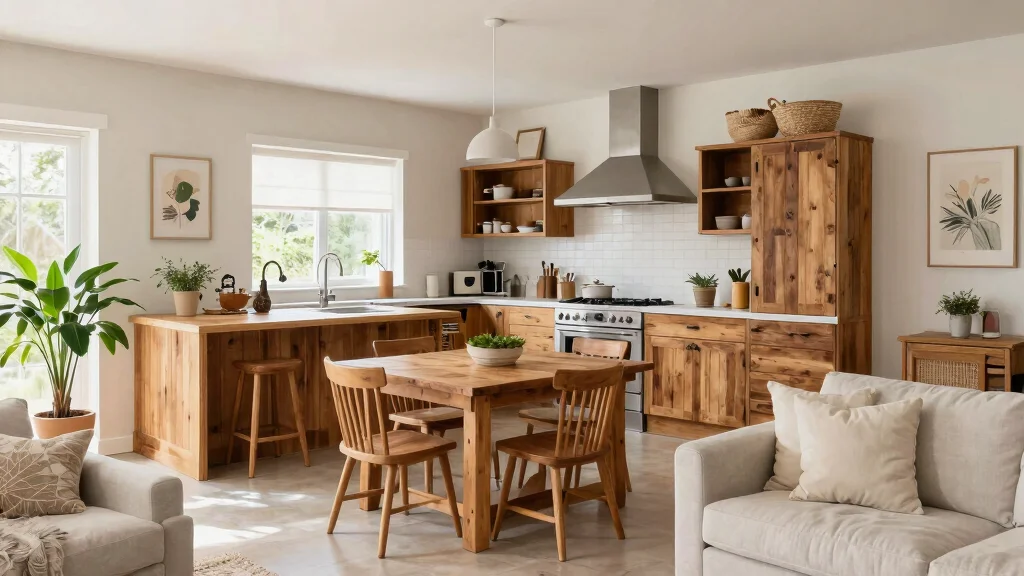
Creating a harmonious living space is something many of us strive for, especially when it comes to open plan kitchen dining living areas. It seems like every time we turn around, there’s a new trend or concept making its way into home décor. This is why I put together this post. I wanted to help you navigate the world of open concept design, especially as it relates to sustainable living. Whether you’re renovating your home or just dreaming of a fresh space, these ideas will spark your creativity and guide you toward a more functional and beautiful home.
If you’re someone who loves modern interior styling and is passionate about making eco-friendly choices, this post is just for you. You’ll find a treasure trove of ideas that focus on multifunctional spaces, space-saving furniture, and cohesive color schemes. Each suggestion is designed to inspire you and help you create a living area that feels both inviting and practical. Let’s dive in and explore how you can achieve a seamless layout that reflects your unique style while being kind to the planet.
By the end of this post, you’ll have 15 fantastic ideas that will not only enhance the aesthetics of your open plan kitchen dining living space but also promote sustainability. Whether you’re looking to incorporate natural materials or smart lighting solutions, there’s something here for everyone. You’re about to embark on a path to a more integrated and chic living experience!
Key Takeaways
– Reclaimed Wood Wonders: Use reclaimed wood for furniture and accents to add warmth and character while reducing waste.
– Greenery Galore: Integrate plants into your design for natural air purification and a lively atmosphere.
– Multifunctional Furniture: Choose furniture that serves multiple purposes, maximizing space in your open concept area.
– Cohesive Color Schemes: Select a unified color palette that creates flow between the kitchen, dining, and living areas.
– Sustainable Appliances: Invest in eco-friendly appliances that not only save energy but also elevate the overall design of your kitchen.
Recommended Products

Quality Wood Dining Table: This farmhouse dining table features a tabletop with 3 solid wood panels and solid wood legs for a premium look and durability; Solid wood kitchen table features non-toxic finishes to complement your healthy living space

Rustic Farmhouse Style – This kitchen table combines natural with delicacy, It's crafted from reclaimed solid wood in a natural finish. Featured a rectangular shaped design, which has a simple yet stylish design, can fit well in kitchen area

59" 7-Piece Complete Set for 6:This all-in-one dining set includes 1 reclaimed wood dining table and 6 upholstered chairs, perfectly seating 6 adults for family meals, holiday gatherings, or dinner parties—no extra matching needed, saving your time and effort
1. Reclaimed Wood Wonders
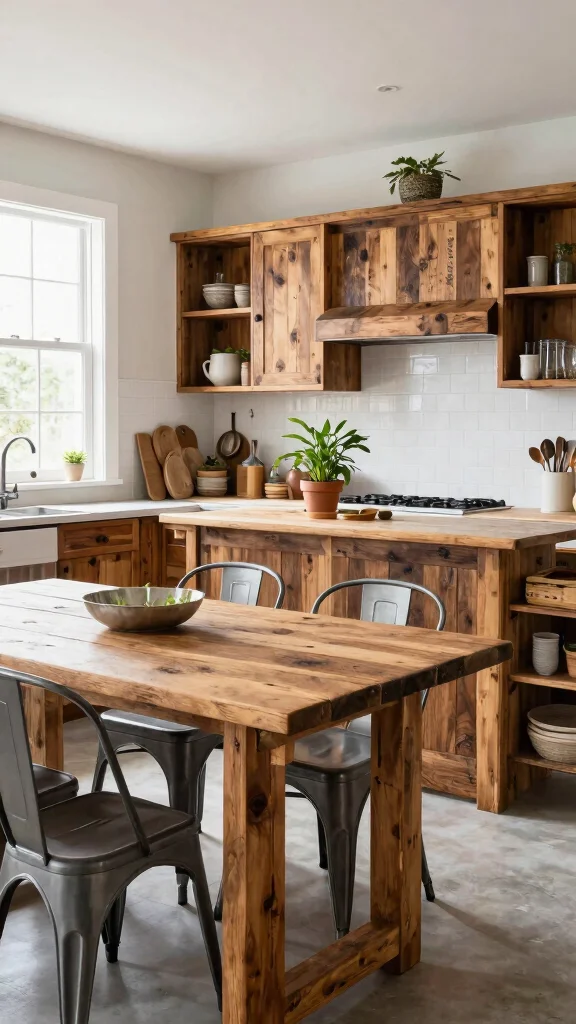
Reclaimed wood brings a sense of history and warmth to your open space, creating an inviting atmosphere that resonates with eco-friendliness. The unique grains and textures of reclaimed wood tell a story, effortlessly blending rustic charm with modern design. Imagine beautiful reclaimed wood cabinets in your kitchen, a stunning dining table, or an accent wall that captivates attention. These elements not only enhance visual appeal but also promote sustainability by reusing materials that might otherwise end up in landfills.
To make the most of reclaimed wood, consider sealing it properly to extend its lifespan and protect against pests. You can also mix it with contemporary appliances to create a striking contrast between old and new, further enhancing your home’s character. This approach aligns with the growing trend of sustainability while adding emotional warmth to your space.
Consider these ideas for incorporating reclaimed wood into your design:
– Pair reclaimed wood cabinets with sleek stainless-steel appliances
– Install a reclaimed wood dining table with modern chairs
– Use reclaimed wood for an accent wall behind the couch
– Incorporate reclaimed wood shelves to display decor
By embracing reclaimed wood, you not only enhance the beauty of your open-plan kitchen dining living area but also contribute to a more sustainable future.
Recommended Products
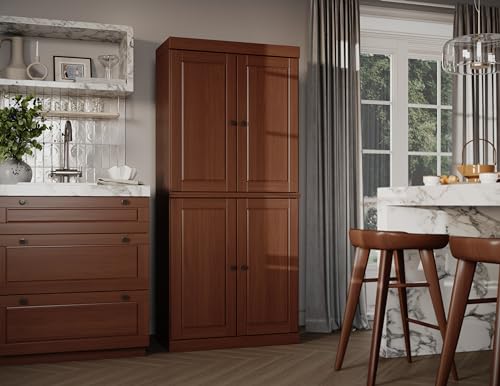
Natural Elegance, Built to Last: Get your home beautifully organized with this freestanding pantry cabinet crafted from 100% solid Brazilian pine. Its clean design and timeless Mocha color finish bring refined style to any kitchen, bedroom, or living space. Raised panel doors and premium construction make this cabinet a durable and elegant addition to your home.

BOHO FARMHOUSE SIDEBOARD – Rattan credenza blends boho and farmhouse styles with its wooden cupboards, rattan doors, adjustable storage height shelves, and gold handles, making it a perfect addition to any room in your home

BOHO FARMHOUSE SIDEBOARD – Rattan credenza blends boho and farmhouse styles with its wooden cupboards, rattan doors, adjustable storage height shelves, and gold handles, making it a perfect addition to any room in your home
2. Greenery Galore
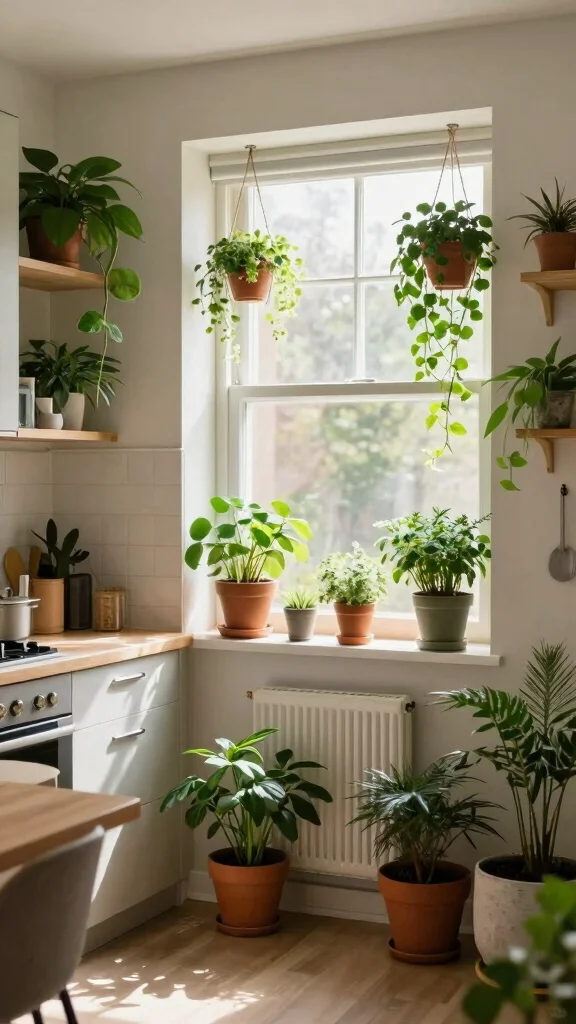
Introducing plants into your open plan kitchen dining living area can invigorate the space and promote a sense of tranquility. Plants enhance aesthetics while naturally purifying the air, making any environment feel fresher and more inviting. Imagine lush snake plants or vibrant pothos adorning your kitchen counters or hanging herbs that double as cooking ingredients. These greenery elements can create a vibrant atmosphere that connects your interior with the outdoors.
To effectively incorporate plants, choose low-maintenance varieties that thrive in indoor conditions, ensuring they fit seamlessly into your lifestyle. Hanging plants can add a dramatic vertical dimension, emphasizing your space’s openness while providing a calming effect. This approach aligns with the trend of biophilic design, which emphasizes the human connection with nature.
Explore these plant integration ideas:
– Use floating shelves for easy-to-reach herbs
– Incorporate large potted plants in corners for a dramatic touch
– Create a plant corner with varied heights for visual interest
– Hang trailing plants near windows to soften the view
Adding greenery transforms your home into a vibrant sanctuary, enhancing the overall atmosphere while promoting well-being.
Fun fact: greenery in an open plan kitchen dining living can cut visual clutter and boost calm—plants like snake plants purify air and require zero extra maintenance. Keep a few on counters or hang herbs for a practical, vibrant touch.
Recommended Products

3-in-1 Convertible Design for Compact Spaces: Easily transforms from a loveseat sofa to a relaxed lounger, and finally into a guest bed. Perfect for maximizing space in apartments, dorms, studios, or home offices. Lightweight (<95 lbs) enough to move around effortlessly

Multi-Functional Design: This versatile folding sofa bed easily transforms between a sofa bed, long sofa, and folding sofa, adapting to your every need. Whether entertaining, working, or relaxing, it perfectly delivers comfort and convenience to your daily life

Detachable Floding Sofa Bed: This floding sofa bed adopts a zipper connection, allowing you to easily achieve the transformation from a folding sofa to two independent floor sofa cushions. It can also be used as sofa couch or unfolding bed. Whether it's a family gathering or a personal nap, the layout can be adjusted
🏡 Transform Your Space Like a Pro
Unlock your home’s potential with expert DIY tips for stunning, sustainable makeovers in every style.
3. Multifunctional Furniture
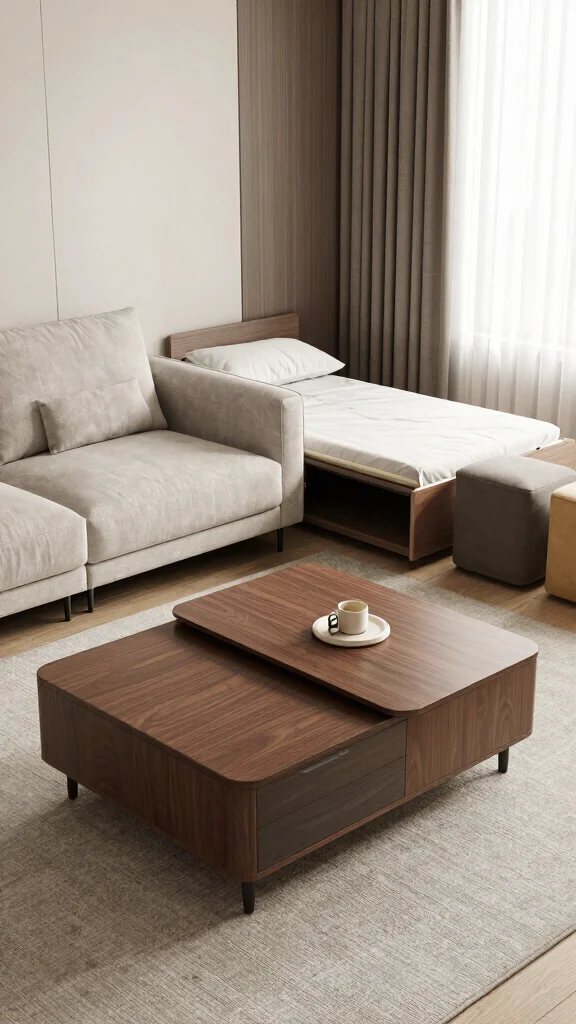
In an open plan kitchen dining living area, every piece of furniture should maximize functionality without sacrificing style. Embrace multifunctional furniture that adapts to your needs—think of a dining table that doubles as a workspace or a stylish sofa that converts into a guest bed. This strategy not only optimizes your space but also keeps it looking tidy and organized.
Incorporating collapsible or expandable furniture pieces can make your area more versatile, allowing you to adjust the layout for gatherings or everyday living. This approach is increasingly popular as people seek both style and practicality in their homes. Choosing furniture that blends seamlessly with your decor ensures a cohesive look throughout.
Consider these multifunctional furniture ideas:
– Use a storage ottoman for seating and hidden storage
– Choose an extendable dining table for flexibility
– Incorporate a sofa bed for guest accommodations
– Select nesting tables for space-saving solutions
By focusing on multifunctional furniture, your open space can remain stylish, functional, and adaptable to your lifestyle.
Recommended Products

Boho Window Plant Hanger:Turn your boring windows into vibrant showcases! Our window shelf for plants is ideal for turning any window sill into a lively plant haven. Let the sunshine in and watch your plants thrive in style

Premium Quality Material: Made from high-grade natural solid wood, our indoor plant trellis is free from harmful dyes, offering a sustainable and long-lasting option for your climbing plants. Unlike plastic alternatives, it remains odor-free and maintains its shape even in challenging conditions.

【𝐓𝐨𝐨𝐥𝐥𝐞𝐬𝐬 𝟑-𝐌𝐢𝐧𝐮𝐭𝐞 𝐀𝐬𝐬𝐞𝐦𝐛𝐥𝐲】Go from box to beautiful display in under 3 minutes! This indoor plant stand requires no tools—just align the parts, twist to tighten by hand, and enjoy a quick and effortless setup, even for beginners
Key Trade-offs & Our Top Pick
Option 1: Open Concept Design
– Pros:
– Encourages social interaction and connection.
– Makes a small space feel larger.
– Offers flexibility in furniture arrangement.
– Cons:
– Noise can travel easily between areas.
– May compromise privacy for cooking or dining.
– Requires careful planning to avoid clutter.
– Best for: Families or individuals who enjoy entertaining and want an airy feel in their home.
Option 2: Multifunctional Spaces
– Pros:
– Maximizes limited space effectively.
– Offers versatile solutions like foldable tables or Murphy beds.
– Adapts to changing needs over time.
– Cons:
– Some multifunctional furniture can be bulky or heavy.
– May require more time to set up or configure.
– Might not suit a more traditional aesthetic.
– Best for: Small apartments or homes where flexibility and space-saving solutions are essential.
Option 3: Cohesive Color Schemes
– Pros:
– Creates a unified look throughout the space.
– Can enhance natural light flow, making the area feel brighter.
– Offers a calming effect with soft or neutral tones.
– Cons:
– Limited color choices might feel monotonous.
– Requires careful selection to avoid clashes.
– May not express personal style if too uniform.
– Best for: Homeowners looking for a serene atmosphere or those wanting a minimalist vibe.
Option 4: Smart Lighting Solutions
– Pros:
– Allows for adjustable lighting settings for various activities.
– Can enhance the mood and ambiance of the space.
– Energy-efficient options reduce electricity bills.
– Cons:
– Can be costly to install or upgrade.
– Requires familiarity with technology for optimal use.
– Complicated setups may not suit everyone’s preferences.
– Best for: Modern homes where technology integration is prioritized.
Option 5: Sustainable Appliances
– Pros:
– Reduces environmental impact and energy consumption.
– Often comes with long-term savings on utility costs.
– Increases home value with modern, efficient appliances.
– Cons:
– Upfront costs can be higher than traditional options.
– Limited choices may not fit every design theme.
– Some appliances may require special installation.
– Best for: Eco-conscious homeowners wanting to reduce their carbon footprint.
Best Overall: Multifunctional Spaces
For those looking to create a well-rounded living area, multifunctional spaces are the top choice. They provide the flexibility you need in today’s fast-paced world. You can easily switch between lounging, dining, and working without sacrificing style. Their versatility makes them a smart investment, especially in smaller homes. 💡
Why We Picked This:
While multifunctional spaces are ideal for many, those who prefer a more traditional look might lean towards cohesive color schemes or open concept designs. If technology and energy efficiency are your priorities, smart lighting or sustainable appliances might suit you better. It all comes down to your personal needs and lifestyle!
Recommended Products

【Bulit-in IC | Individually Addressable】SK6812 RGBW IC builds upon the WS2812B protocol with an added dedicated white light. Featuring 8-bit grayscale (256 levels) and 32-bit color depth, each IC drives one LED for true pixel-level control—enabling individual color and animation programming per diode for precise complex effects and smooth gradients.

Protect your eyes: Avoid strong light into eyes directly due to creative “D” arc structure design. The light is 13 inches long(33 centimeters).

SMART VOICE & APP CONTROL: With simple voice commands, you can quickly adjust the brightness, color temperature, RGB colors, easy and hands-free. Control by using the BRmesh App (Bluetooth direct connection), resulting in a faster response time and greater privacy
4. Open Shelving Charm
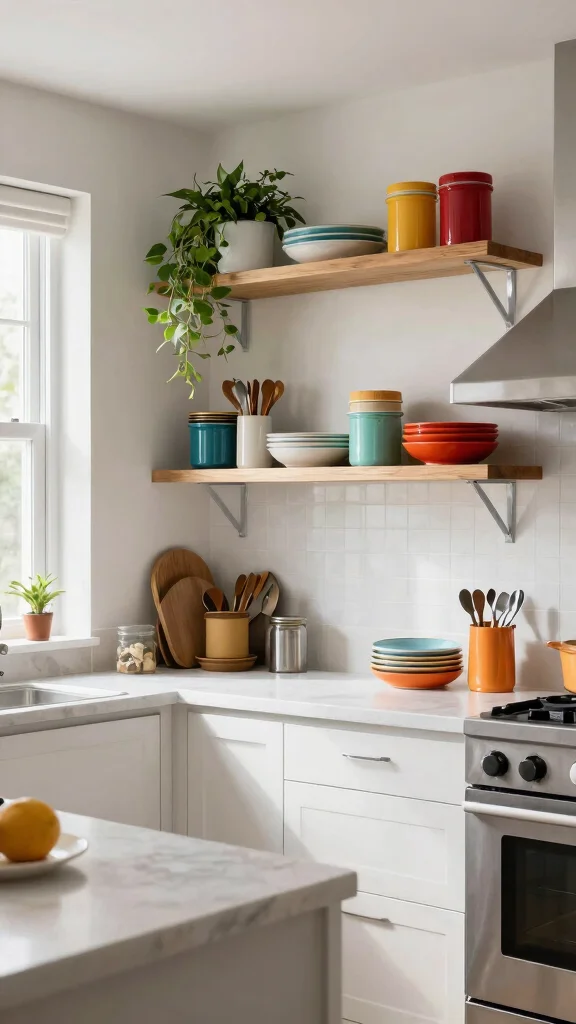
Open shelving can beautifully enhance your dining and living areas, inviting creativity and personal expression into your home. This design element allows you to showcase your favorite dishes, books, or decorative items, creating a curated display that tells your unique story. Open shelving also fosters a sense of openness, making the space feel more inviting and connected.
To maintain a stylish look, consider coordinating colors and materials for the items you display, creating a visual harmony that enhances your decor. This approach not only showcases your personality but also keeps everyday items easily accessible, blending functionality with style.
Here are ways to maximize open shelving’s potential:
– Use matching containers for a sleek, uniform appearance
– Play with heights to create visual interest
– Keep frequently used items on lower shelves for easy access
– Incorporate decorative elements like plants or art for added flair
Open shelving adds a cozy, lived-in vibe to your home, enhancing both functionality and style in your space.
Recommended Products

Hidden Butterfly Leaf Extension – Designed with a removable hidden butterfly leaf stored beneath the tabletop, this walnut dining table extends from 55 inches to 71 inches in just a few simple steps. Easily accommodate everyday family meals or extra guests without needing separate storage for extension leaves


Rustic dining table creates a farmhouse atmosphere in your dining room
5. Cohesive Color Schemes
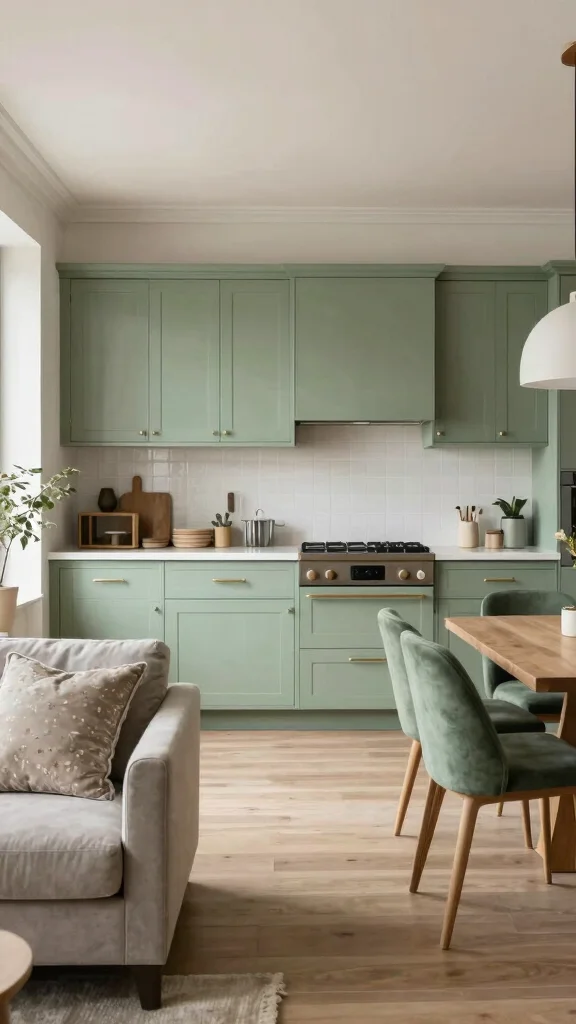
A well-coordinated color scheme can beautifully unify your open plan kitchen dining living area. Selecting a palette that reflects your style while promoting harmony throughout the spaces is key to creating a seamless flow. Soft neutrals, vibrant accent colors, or a monochromatic approach can elevate your home’s overall aesthetic.
Consider carrying an accent color from one area to another, such as using blue from kitchen cabinets in your dining chairs or living room decor. This technique creates visual continuity that draws the eye through the space, enhancing its overall appeal.
Here are tips for achieving color cohesion:
– Choose a base color and work with complementary shades
– Explore popular palettes like earthy greens and browns
– Use pastels for a softer, calming effect
– Incorporate a common accent color to tie spaces together
Thoughtfully selecting your color scheme can create a harmonious and inviting atmosphere throughout your open areas.
Recommended Products

Large Kitchen Pantry Cabinet:This kitchen pantry cabinet measures:15.7in D,31.5in W,71in H.There are 5 storage spaces in the storage cabinet.The three middle shelves within the cabinet are both adjustable and removable, featuring three height options that cater to your different storage preferences.

Note Before Purchase: Our 72-in wooden pantry features single full-board construction for the main structure,—not pieced together like many other products on the market—making it more durable. However, rough handling during shipping can sometimes cause damage to these long boards. If you encounter any issues, please reach out for a quick and easy replacement

Pinewood Build: If you spend a lot of time in the kitchen, you will want beautiful natural woodwork that offers tough and quality firm walls. This kitchen cabinet has a hearty pinewood build with varnish-treated surfaces.
6. Smart Lighting Solutions
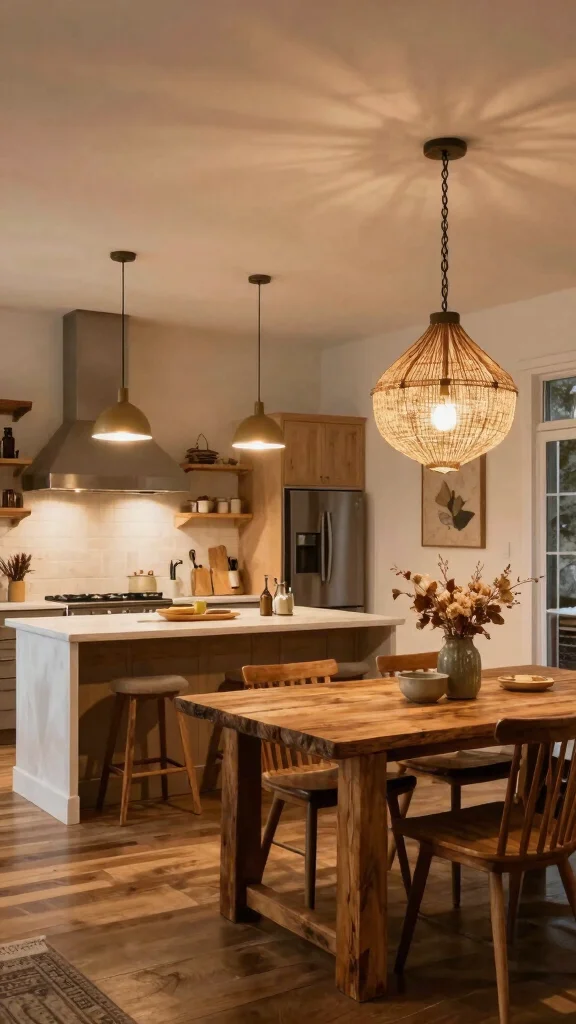
Lighting significantly impacts the ambiance of your open plan kitchen dining living space. Layering different types of lighting—ambient, task, and accent—creates a warm, inviting atmosphere that enhances both functionality and aesthetics. Imagine pendant lights over your kitchen island paired with a stunning chandelier in the dining area, creating a beautiful focal point.
Dimmer switches can also be a valuable addition, allowing you to adjust brightness based on the time of day or occasion. This flexibility enhances your home’s mood, making it perfect for both everyday living and entertaining guests.
Here are some smart lighting tips:
– Use a mix of ceiling fixtures, wall sconces, and table lamps
– Choose LED bulbs for energy efficiency and longevity
– Incorporate under-cabinet lighting for task areas
– Highlight artwork or architectural features with accent lighting
Effective lighting design not only brightens your space but also showcases the beauty of your decor, creating an inviting environment.
Recommended Products

【2-in-1 Space-Saving Design with Trundle】 This twin daybed seamlessly shifts from a stylish sofa (for daytime lounging) to two separate sleeping spots—main bed (78.1""L x 41.6""W x 33.7""H) and trundle (74.8""L x 41.3""W x 4.4""H). Perfect for small apartments, guest rooms, or dorms, the trundle tucks neatly under the main frame when unused, maximizing floor space without losing comfort.

3-in-1 Instant Conversion:Easily transforms from a supportive chair to a comfy recliner or a full-size bed in seconds—no complicated steps or effort needed. Perfect for when you need quick changes for guests, relaxation, or bedtime

【Treaflow Walking Pad】: Enhance your workout with the incline adjustment feature, which optimizes calorie burning and maximizes exercise efficiency. The 0-8% incline design facilitates increased fat burning and calorie consumption, allowing you to experience the benefits of climbing from the comfort of your home.
7. Textures and Layers
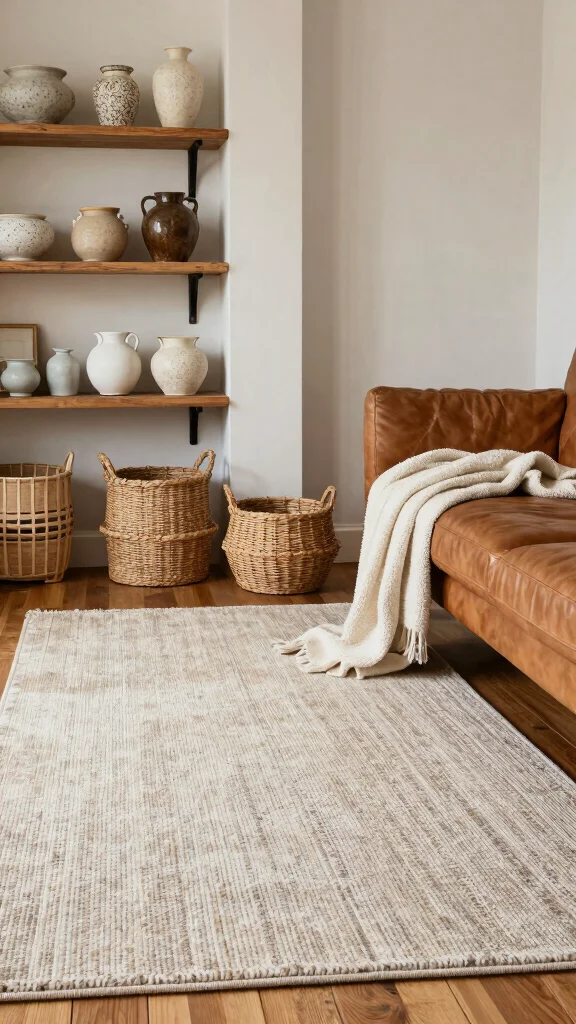
Layering various textures in your open plan design adds depth and interest to the space. Mixing materials like wood, metal, textiles, and ceramics creates a rich, inviting environment that feels both cozy and stylish. Soft textiles, such as plush throws and cushions, can enhance comfort in your living area, while sleek metal or glass elements in the kitchen can provide a modern touch.
Creating contrast by pairing rough textures with smooth finishes can also elevate your design, bringing balance and visual intrigue. This approach aligns with the trend of incorporating diverse materials for a more dynamic living experience.
Explore these texture ideas:
– Incorporate woven baskets for natural warmth
– Use wooden furniture paired with ceramic decor
– Layer a soft wool throw over a leather sofa
– Place a textured rug on hardwood floors for added comfort
Embracing different textures elevates your open plan kitchen dining living space, making it inviting and stylish.
Recommended Products
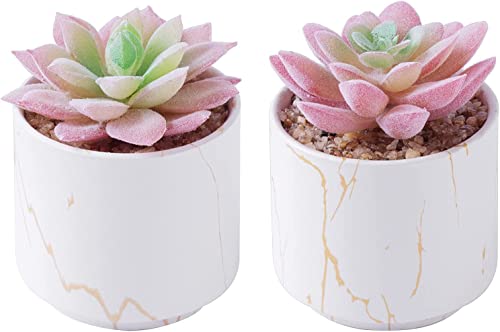
【Home Decor】Artificial succulents are full of art and are lovely tabletop accessories, perfect for decorating windowsills, tabletops, shelves, kitchens, offices, living rooms, bedrooms, bathrooms, wedding decorations and Christmas decorations

【Dual-Head Grow Lights for Full-Coverage Illumination】This plant stand set features dual-head grow lights that deliver balanced light across all 7 tiers – ensuring every shelf receives adequate illumination for healthy plant development. The hands-free lighting system allows you to place the stand anywhere indoors, eliminating the need to move pots to windows or patios. A convenient solution for busy households with multiple plants.
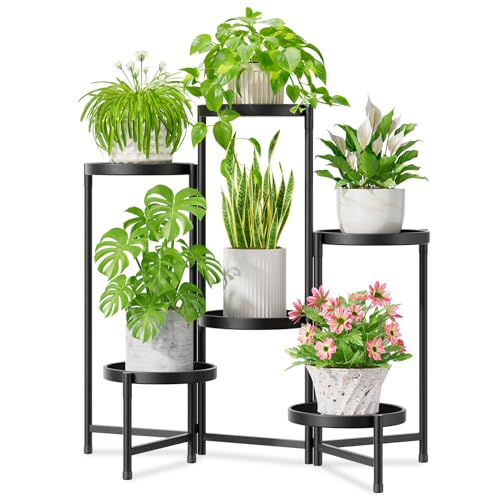
【𝐓𝐨𝐨𝐥𝐥𝐞𝐬𝐬 𝟑-𝐌𝐢𝐧𝐮𝐭𝐞 𝐀𝐬𝐬𝐞𝐦𝐛𝐥𝐲】Go from box to beautiful display in under 3 minutes! This indoor plant stand requires no tools—just align the parts, twist to tighten by hand, and enjoy a quick and effortless setup, even for beginners
You might also like
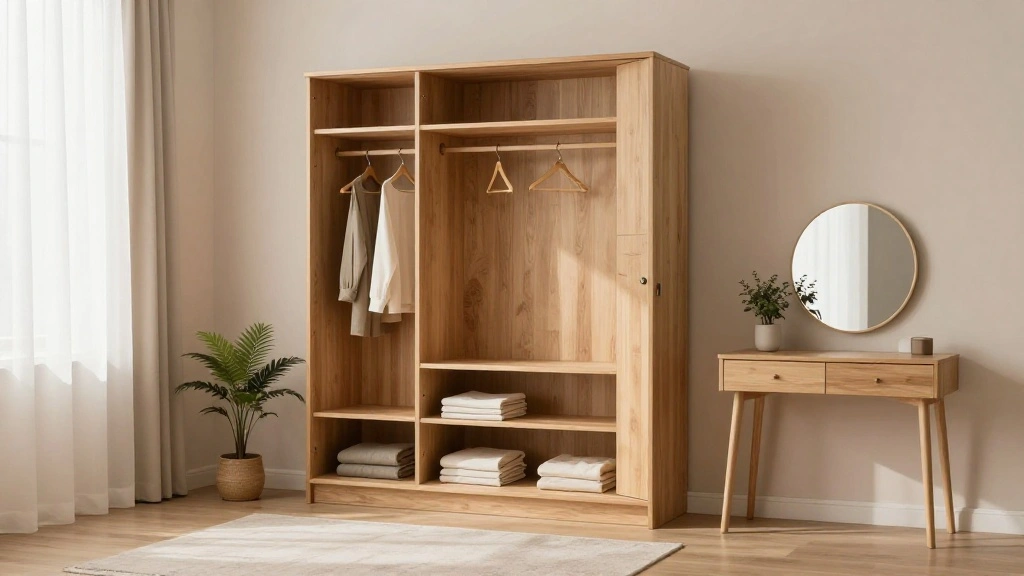
8. Sustainable Appliances
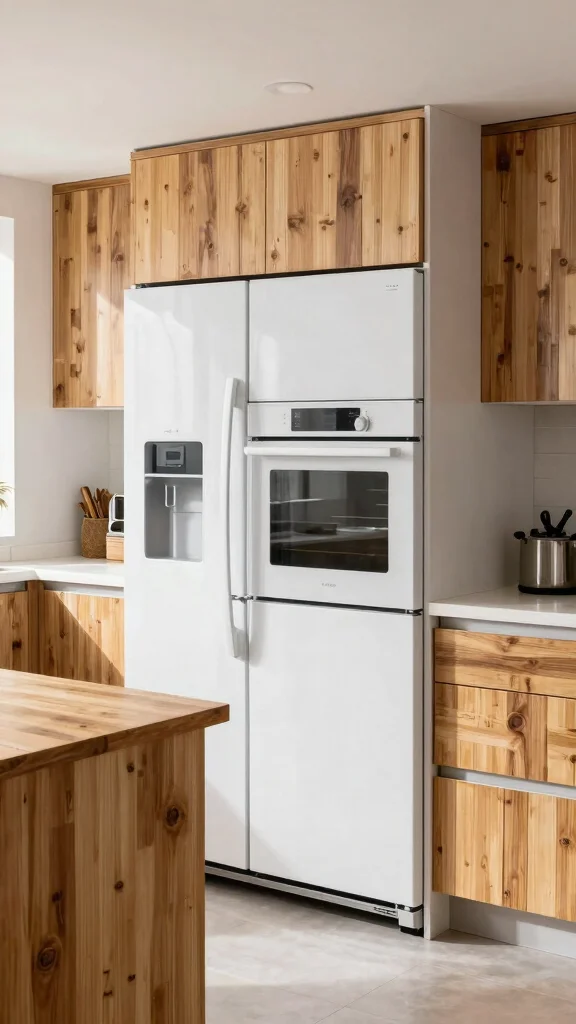
Integrating energy-efficient appliances is essential for a sustainable open plan kitchen dining living design. Look for ENERGY STAR-rated products that consume less energy and water while delivering excellent performance. These modern appliances not only save resources but often come with innovative features that enhance your daily routine.
Investing in stylish options like a sleek refrigerator, dishwasher, and stove can align with your eco-friendly goals while complementing your overall decor. This choice supports the growing trend of sustainability in home design without compromising on style or functionality.
Consider these points when selecting appliances:
– Research high-quality brands that fit your needs
– Look for eco-friendly materials in your appliances
– Check for features that promote energy savings
– Ensure designs complement your open space aesthetic
By choosing sustainable appliances, you positively impact the environment while enjoying modern conveniences in your home.
Recommended Products

【Lepro LightGPM 4 – Personalized AI Lighting Designer】 No more generic lighting! Just tell LightGPM 4 what you love, and it never forgets your favorite colors and effects. The more you use it, the more the lighting design suits your preferences—make it your personalized AI lighting designer!

【Bulit-in IC | Individually Addressable】SK6812 RGBW IC builds upon the WS2812B protocol with an added dedicated white light. Featuring 8-bit grayscale (256 levels) and 32-bit color depth, each IC drives one LED for true pixel-level control—enabling individual color and animation programming per diode for precise complex effects and smooth gradients.

Smart Bulb Work with Alexa: Directly connect these LED smart light bulbs to your Google Assistant or Alexa for voice control. You can also use free APP to control smart led light bulb on/off, dim/brighten, set the color temperature and customize Schedules from anywhere at any time
9. Colorful Accent Walls
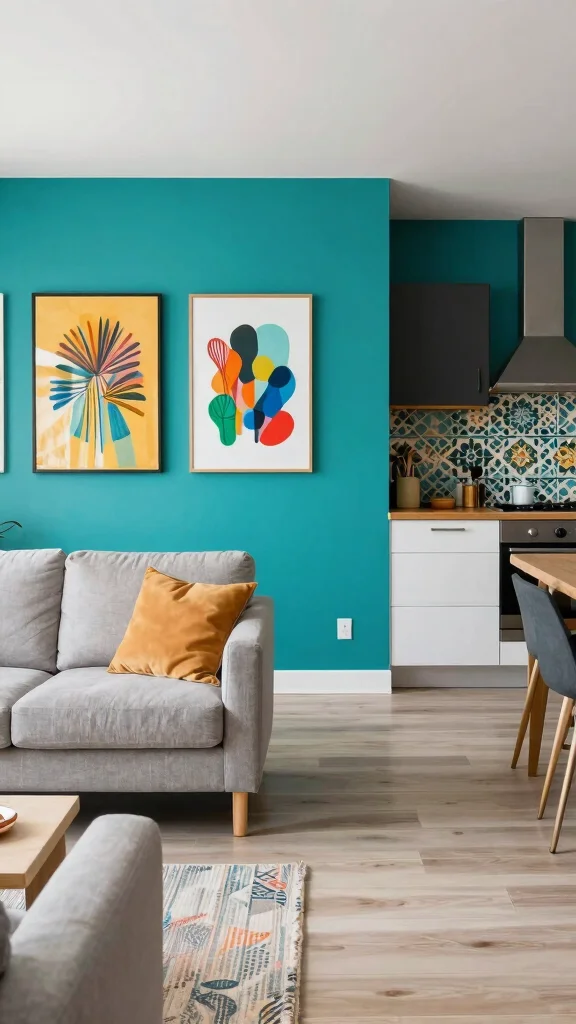
Colorful accent walls can inject personality into your open plan kitchen dining living area without overwhelming the space. Opt for bold colors or unique patterns that reflect your style and create visual interest. A vibrant backsplash in the kitchen or a statement wall in the living area adorned with art can serve as eye-catching focal points.
This approach allows you to express creativity while maintaining an overall harmonious environment. Be mindful of surrounding colors to ensure cohesion throughout your space, creating a well-balanced look.
Here are some accent wall ideas:
– Use chalkboard paint for a functional kitchen feature
– Try patterned wallpaper in the living area for a stylish touch
– Paint a bold color on one wall to create a striking contrast
– Incorporate wall art to enhance visual interest
Colorful accent walls can energize your open space, keeping your decor fresh and lively while showcasing your unique style.
Colorful accent walls bring personality to your open plan kitchen dining living without overpowering the space. Choose a bold color or pattern on one wall, then echo it in a backsplash or art to tie the room together. This keeps your look cohesive, practical, and instantly Instagrammable.
10. Eco-Friendly Decor
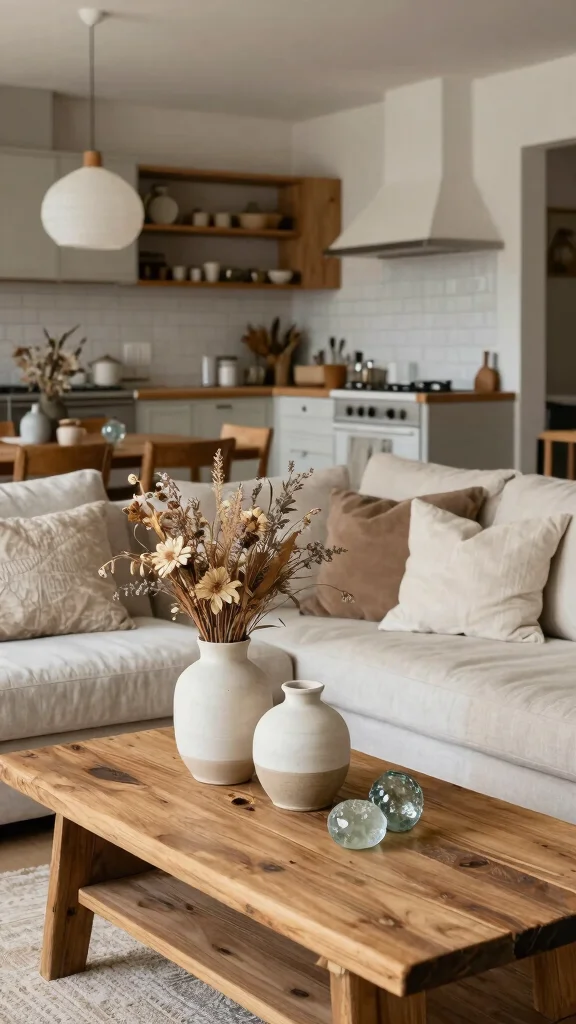
Opting for eco-friendly decor items is a fantastic way to enhance your open plan kitchen dining living area while supporting sustainable practices. Choose pieces made from natural materials, such as bamboo or recycled products, to create a beautiful and environmentally conscious space. Handmade ceramics, organic cotton textiles, and recycled glass accents can add charm while reducing your environmental footprint.
Look for local artisans or fair-trade products to support sustainable practices and bring unique flair to your decor. This choice not only benefits the environment but also enhances the character of your home, allowing you to express your values through design.
Consider these eco-friendly decor tips:
– Incorporate items made from sustainable materials
– Choose local artisans to support your community
– Select decor that resonates with your personal style
– Look for versatile pieces that enhance your overall aesthetic
By including eco-friendly decor, you can personalize your home sustainably, adding warmth and character to your living space.
11. Smart Space Management
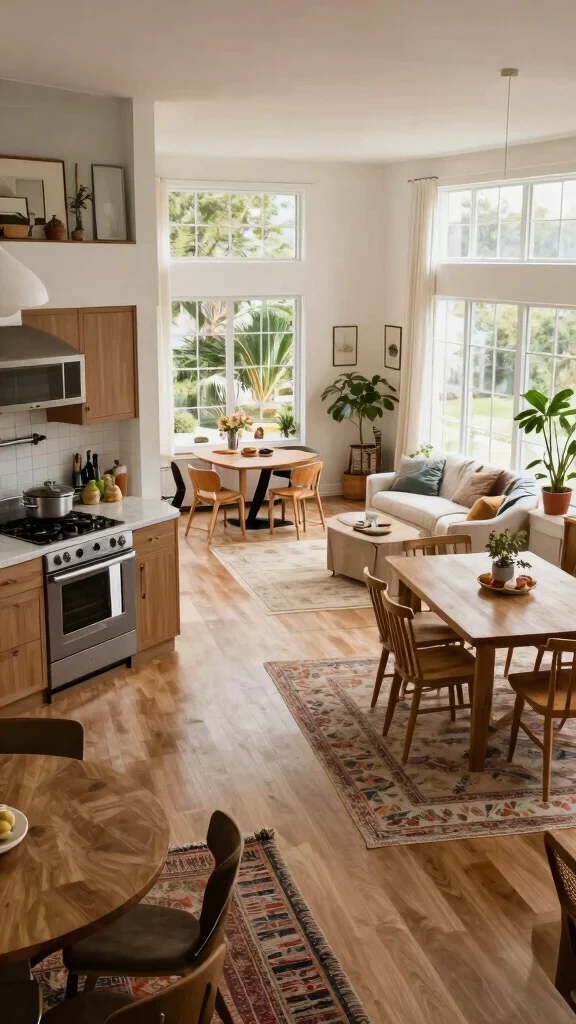
Effective space management is crucial in an open plan layout to ensure each area feels defined yet connected. Consider zoning your space to create distinct areas for cooking, dining, and lounging without physical barriers. Area rugs can help visually delineate spaces, while strategically placed furniture guides flow, maintaining an open feel.
Using furniture arrangements to define areas allows for a seamless transition between spaces, enhancing functionality and maximizing the use of available space. This strategy is essential for creating a harmonious environment that feels both spacious and cozy.
Here are some smart space management tips:
– Use furniture arrangements to delineate areas
– Incorporate visual barriers like plants or bookcases
– Ensure the layout promotes natural light and views
– Opt for multifunctional furniture for added flexibility
Smart space management can transform your open plan kitchen dining living area into a well-organized sanctuary that feels both inviting and functional.
12. Personal Touches
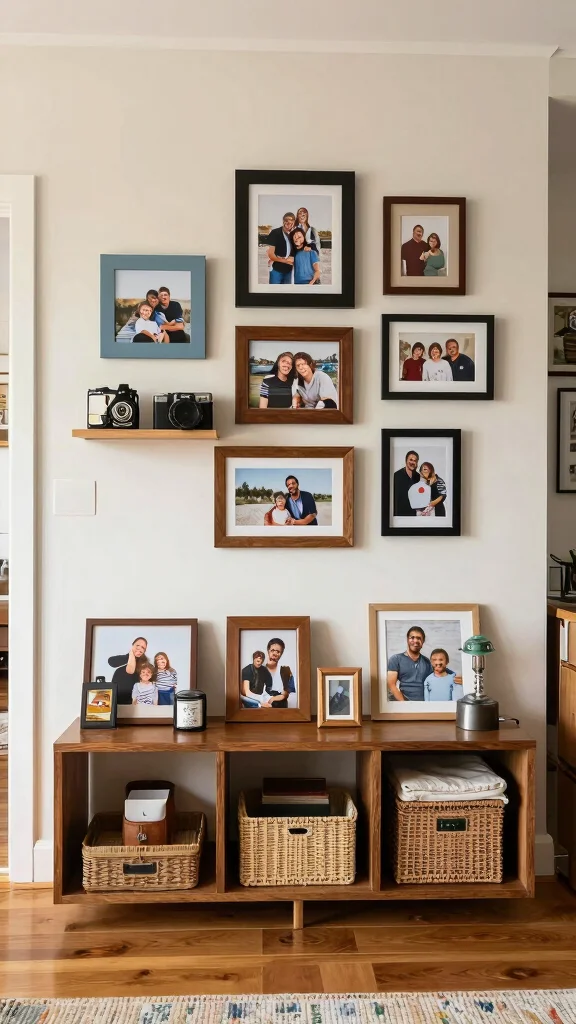
Incorporating personal touches into your open plan kitchen dining living space makes it feel uniquely yours. Display family photos, travel souvenirs, or heirloom pieces that tell your story, creating a warm and inviting atmosphere. Combining functional decor with sentimental items—like a decorative bowl for keys or a framed picture on a side table—adds character and depth to your home.
Curating a gallery wall or showcasing meaningful items can enhance your space’s personality while keeping it organized and clutter-free. This approach fosters a sense of belonging and connection to your home, making it a true reflection of who you are.
Explore these personalization tips:
– Create a gallery wall to showcase your favorite memories
– Display meaningful decorative items that resonate with your family
– Use functional decor to keep spaces tidy and organized
– Keep your displays curated to avoid clutter
Personal touches can transform a generic space into a comforting haven that reflects your personality and life experiences.
You Might Also Like
13. Natural Light Maximization
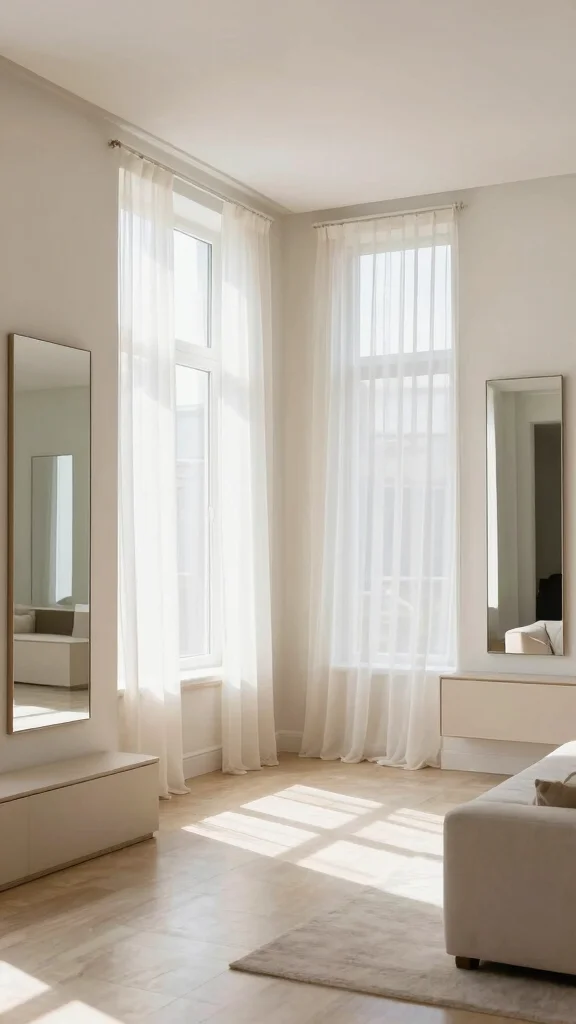
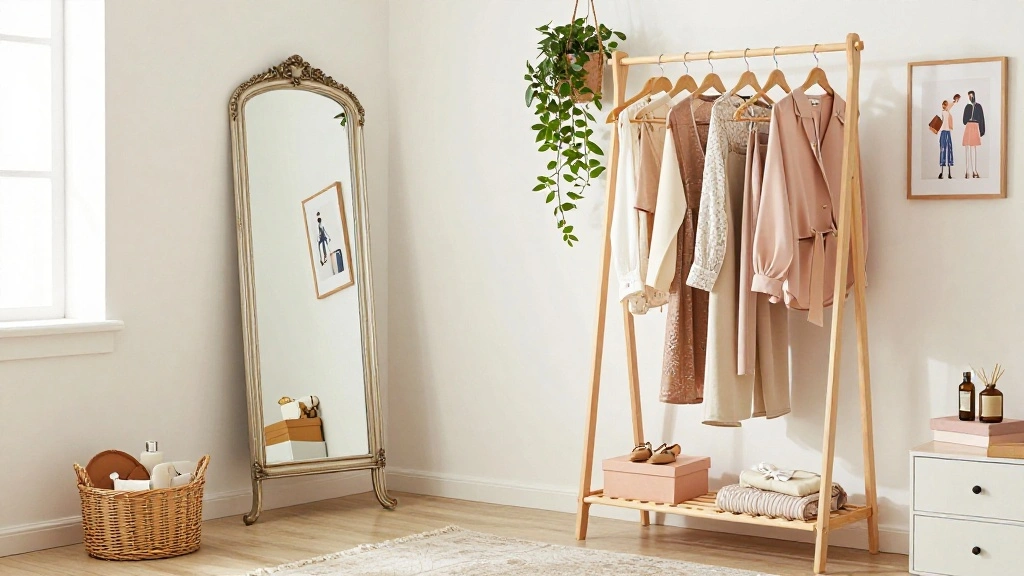
Maximizing natural light in your open plan kitchen dining living area can make the space feel airy and spacious. Large windows, skylights, and light-colored surfaces enhance brightness, creating a warm and inviting atmosphere. Strategically placed mirrors can reflect light, giving the illusion of more space and depth, while sheer window treatments allow light to filter in without compromising privacy.
Choosing light colors for walls and furnishings can further enhance sunlight’s effect, making the space feel even larger. This approach not only improves mood but also reduces reliance on artificial lighting, contributing to energy savings.
Here are some tips for maximizing natural light:
– Choose light colors for walls and furnishings
– Keep heavy furniture away from windows
– Use mirrors to reflect and amplify light
– Install sheer curtains for a soft, bright ambiance
By prioritizing natural light, you create a warm and welcoming atmosphere while reducing energy consumption in your home.
14. Sustainable Flooring Options
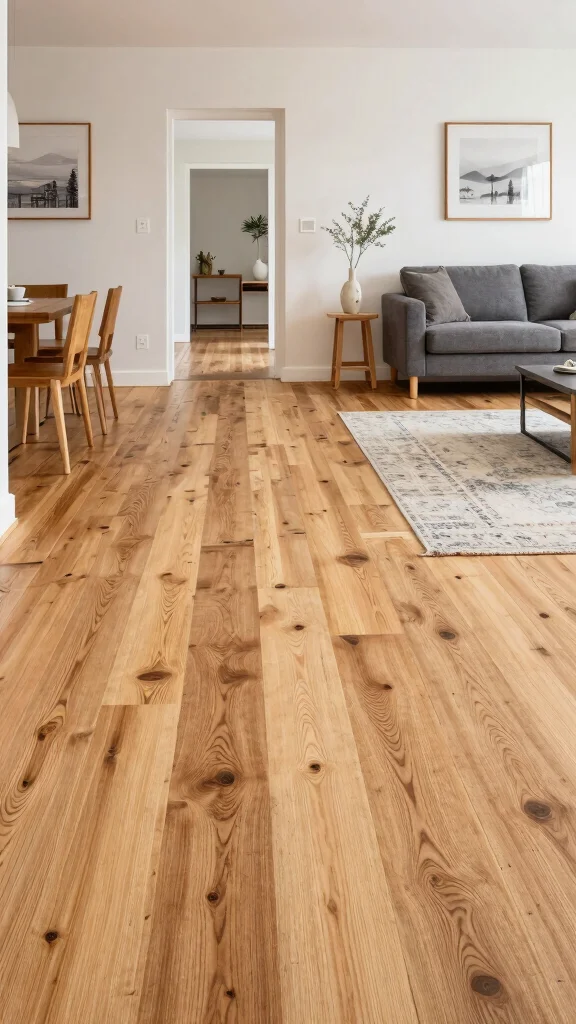
When designing your open plan kitchen dining living area, consider sustainable flooring options that are both stylish and eco-friendly. Materials like bamboo, cork, and reclaimed hardwood reduce environmental impact while providing warmth and beauty. These options are durable, easy to maintain, and can withstand the wear and tear of daily life, making them perfect for busy households.
Additionally, these materials come in a variety of designs and finishes, allowing you to find the perfect match for your decor style. Investing in sustainable flooring not only enhances your open space but also contributes positively to the environment.
Here are some sustainable flooring tips:
– Research certifications to ensure they meet sustainability standards
– Look for hypoallergenic materials for healthier indoor air
– Choose styles that complement your overall design aesthetic
– Consider maintenance needs for longevity
Selecting sustainable flooring options can elevate your open space while making a positive impact on the environment.
Go sustainable with your open plan kitchen dining living by choosing bamboo, cork, or reclaimed hardwood. These materials bring warmth, durability, and style without harming the planet. Pro tip: mix finishes for a layered look that’s easy to maintain in busy homes.
15. Artistic Elements
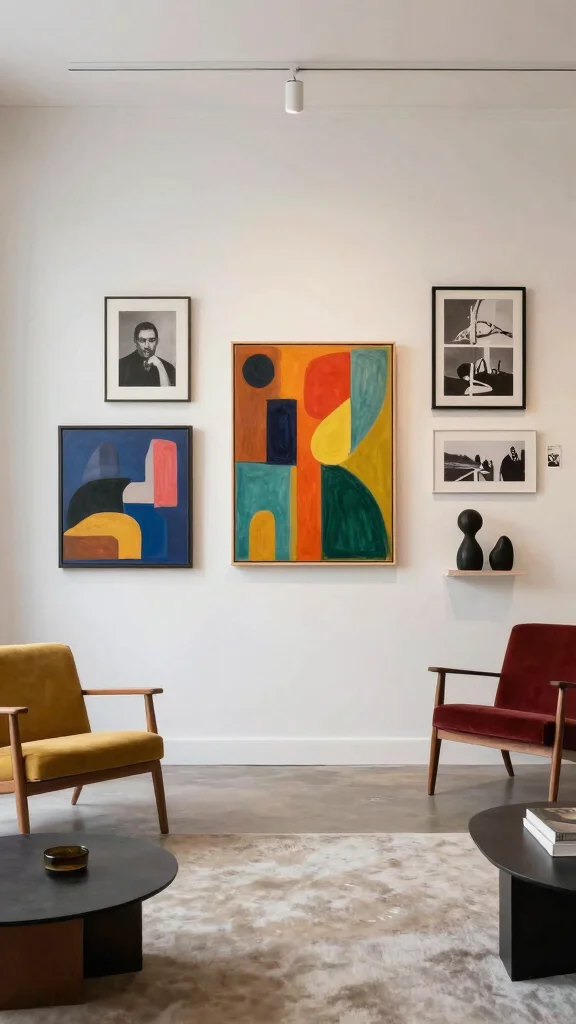
Incorporating artistic elements into your open plan kitchen dining living design adds personal flair and stimulates creativity. From statement art pieces to unique sculptures, these elements serve as conversation starters and enhance the ambiance of your home. Consider showcasing local artists or undertaking DIY projects that reflect your personality and style, making your space truly your own.
Art can be displayed on walls, tables, or shelves, creating focal points that draw the eye and ignite interest. This approach allows you to express your individuality while contributing to a vibrant atmosphere.
Here are some tips for incorporating art:
– Create a gallery wall with a mix of framed art and 3D elements
– Highlight personal projects or pieces from local artists
– Ensure art complements your overall color scheme
– Change displays periodically for fresh inspiration
Artistic elements can transform your open space into a vibrant expression of your style and interests, creating a unique environment that feels alive.
Conclusion
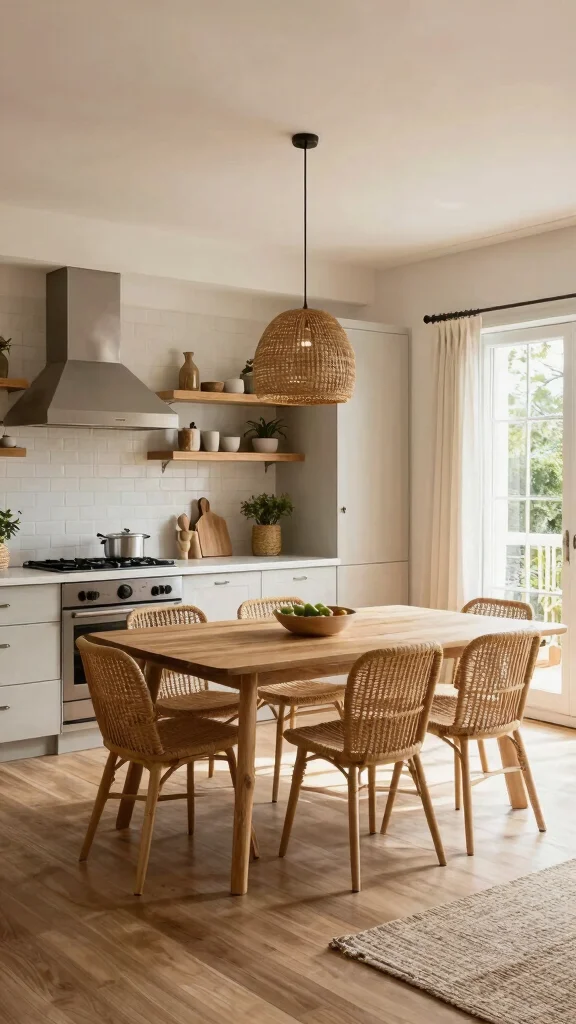
Creating a sustainable open plan kitchen dining living space is not only beneficial for the environment but also enhances your quality of life. Each of these ideas contributes to a harmonious ambiance that is aesthetically pleasing and functional.
By thoughtfully integrating these design concepts, you can cultivate a welcoming home that reflects your values and lifestyle. Whether you prioritize reclaimed materials, green decor, or multifunctional spaces, the possibilities are endless. Embrace these trends and let your space tell your story.
Frequently Asked Questions
Question: What does open plan kitchen dining living mean, and how can I design a sustainable, seamless layout?
Open plan kitchen dining living means you blend your cooking, dining, and living areas into one cohesive space, breaking down walls for flow and natural light.
For sustainability, focus on multifunctional spaces and space-saving furniture, a cohesive color scheme, energy-efficient appliances, and durable, low-impact materials like bamboo or recycled surfaces.
Use lighting and rugs to zone areas without walls, keeping the open concept design intact.
Question: What are practical open concept design ideas to maximize small spaces in an open plan layout?
Think in zones rather than walls. Consider a compact island with space-saving furniture and hidden storage, a fold-down dining table, and wall-mounted or built-in appliances to save floor space.
Choose light, neutral cohesive color schemes and plenty of natural light to keep the space feeling airy, while using mirrors or glossy surfaces to reflect light in an open concept design.
Question: How can I create a cohesive color scheme across the open plan kitchen dining living area?
Start with a neutral base and repeat a cohesive color scheme across the kitchen, dining, and living zones. Tie spaces together with matching materials, like wood cabinetry, stone countertops, and textiles, and carry subtle accents through cushions, rugs, and artwork.
Choose sustainable finishes with low VOC paints and natural fibers to keep modern interior styling cohesive and healthy.
Question: What are practical examples of multifunctional spaces in a sustainable open plan layout?
Let your furniture do double duty: a kitchen island with built-in storage and seating doubles as a casual dining spot, a dining bench with hidden compartments, and a sofa that can reconfigure into guest seating.
Add a fold-down desk or compact workstation that tucks away when not in use, and select furniture pieces designed for multifunctional spaces and space-saving furniture to maintain flow and sustainability.
Question: What common mistakes should I avoid in sustainable open plan layouts?
Avoid visual and acoustic clutter by planning clear zones and consistent materials. Don’t ignore lighting or traffic flow—layer task, ambient, and accent lighting to suit open plan kitchen dining living needs.
Steer clear of heavy, dark cabinetry or incompatible materials that break the aesthetic; prioritize ventilation, durability, and plants to keep the space feeling fresh and sustainable.
Related Topics
open plan kitchen
multifunctional spaces
modern interior styling
sustainable design
cohesive color schemes
space-saving furniture
open concept design
easy layouts
home decor trends
small living
family-friendly design
stylish efficiency
Leave a Reply