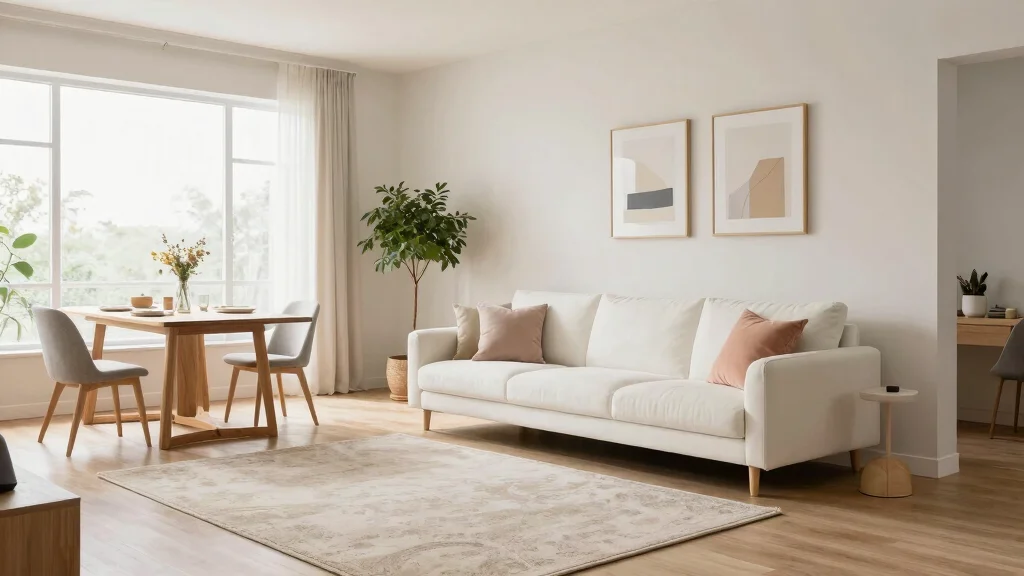
Creating a beautifully flowing space in your home can sometimes feel overwhelming. With the rise of open layout living room dining room designs, it’s easy to find yourself craving a perfect balance between functionality and style. Whether you’re hosting friends for dinner or enjoying a cozy night in, a well-curated open concept can elevate your everyday experience. That’s why I compiled these 14 inspiring ideas to help you enhance the flow of your space and make the most of your open layout.
If you’re someone who values a minimalist approach to home decor, this post is tailored just for you. You might be a new homeowner, a seasoned renter, or just someone looking to refresh your space. Whatever your situation, these tips will resonate with your desire for stylish and practical living. You’ll discover how to create multifunctional spaces that not only look great but also serve your lifestyle’s needs.
By reading this guide, you’ll gain practical insights into how to embrace colors, define spaces, and incorporate smart technology into your design. These ideas are not just for aesthetics; they’ll help you create an inviting atmosphere that feels connected yet distinct. Get ready to explore these stylish concepts and transform your living room and dining area into a harmonious retreat!
Key Takeaways
– Embrace Neutral Palettes: Use soft, neutral colors to create a calm atmosphere that allows for easy flow between spaces. It helps to unify the living and dining areas.
– Define Spaces with Area Rugs: Area rugs can visually separate your living room from the dining space while adding warmth and texture. Choose rugs that complement your overall decor.
– Multi-Functional Furniture: Invest in space-saving furniture like extendable dining tables and convertible sofas. This maximizes utility without compromising style.
– Incorporate Plants for Freshness: Adding greenery not only enhances aesthetics but also brings life and freshness to your open layout. Choose easy-to-care-for plants that suit your environment.
– Smart Technology Integration: Consider integrating smart lighting and temperature controls to enhance comfort and efficiency. Technology can seamlessly enhance your space without being intrusive.
Recommended Products

Precise size is 7'10" x 10' (nominal 8'x10'); we recommend measuring your room before purchase; allow for minor color variations in natural daylight or indoor nightlight due to high-quality textile fibers.

Bowery Art Deco 5'3" x 7'3" Area Rug: Step onto a thick rug that brings life and texture to your space. It's not just a floor covering, it's a foundation for your everyday moments.

Vintage Floral Boho:Featuring classic vintage brown tones and retro patterns, this 6×9 area rug blends seamlessly with modern, farmhouse, rustic and traditional home decors. It elevates the aesthetic of living rooms, dining rooms, bedrooms and spaces under kitchen tables, adding warm, cozy ambiance to every corner of your house.
1. Embrace Neutral Palettes
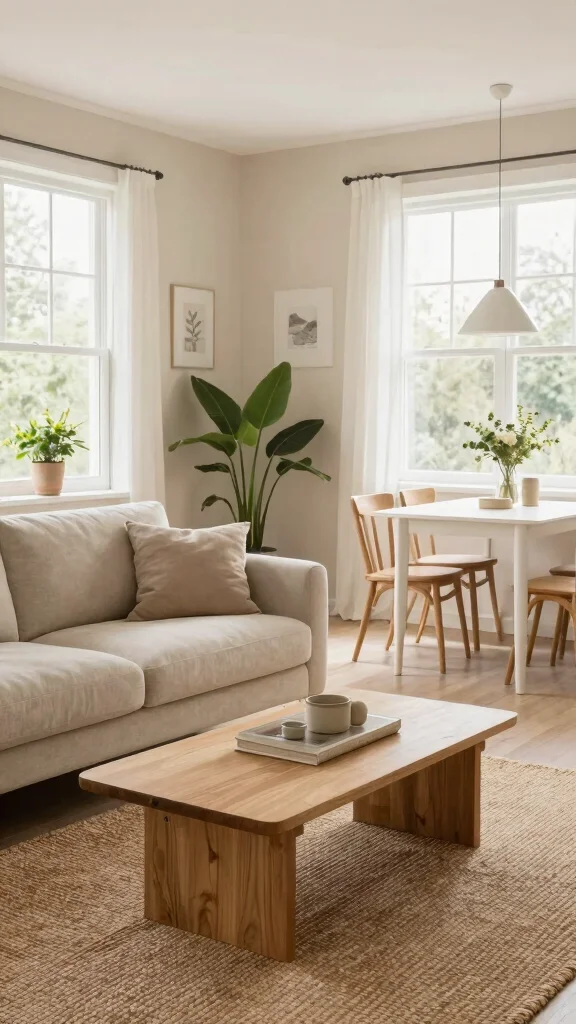
A neutral color palette can effortlessly create a peaceful atmosphere in your open layout. Shades like taupe, beige, and soft whites work together to unify your living and dining spaces, promoting a smooth visual transition. This combination not only enhances natural light but also makes it easy to introduce colorful accents that can be updated with changing trends.
To maximize this aesthetic, think about incorporating natural textures through wood furniture, woven rugs, or linen curtains. These elements add warmth while ensuring a minimalist look. A cohesive palette can connect your spaces beautifully, so consider painting everything in a single neutral shade or using various tones of the same hue.
Tips for Neutral Palettes:
– Stick to 2-3 complementary colors.
– Use texture to add visual interest.
– Incorporate various materials like wood, metal, and fabric.
– Accessorize with seasonal colors for versatility.
This design approach not only enhances the overall aesthetic but also allows textures and materials to shine in their simplicity.
Recommended Products

43''–59'' Extendable Design:Ideal for small spaces, this expandable round dining table easily transforms from a cozy 43-inch round table (seats 4) to a spacious 59-inch oval table (seats 6–8). Ideal for everything from intimate family dinners to larger gatherings. The removable leaf allows quick adjustments, making it a smart space-saving solution for kitchens, dining rooms, or meeting areas.

Adjustable Size for Every Occasion – Includes 5 removable extension leaves (each 35.4" x 19.7"), expanding from a compact 20.1" console to a spacious 118.5" dining table. Comfortably seats 2 to 12 people, ideal for small gatherings or family dinners.

【Important Notice】This item includes only the small kicthen table, dining chairs are not included. The chairs shown in the image are for display purposes only, and are not included or sold separately
2. Define Spaces with Area Rugs
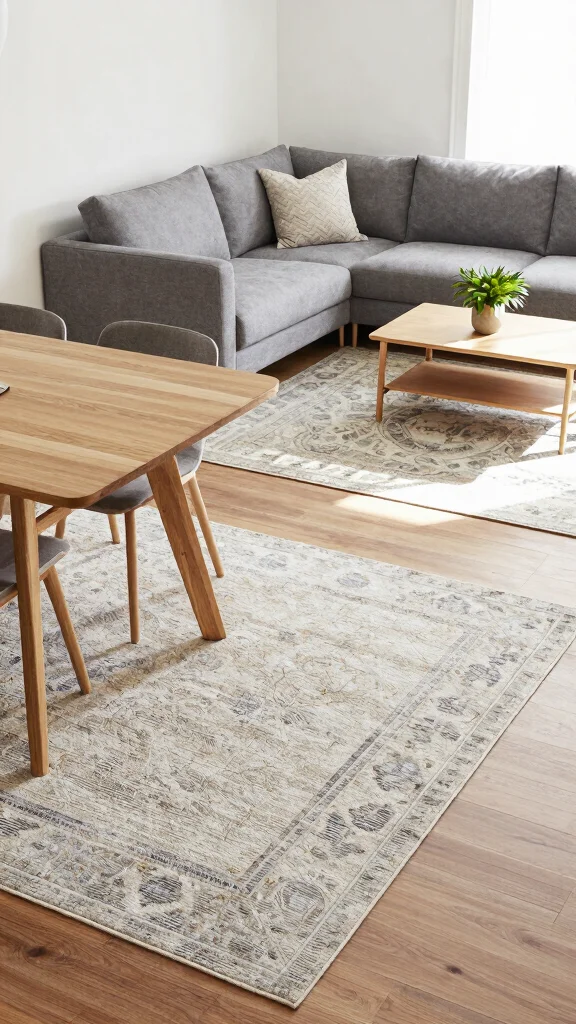
Area rugs can effectively define different zones within an open layout without the need for walls. Selecting the right rug can create clear visual boundaries between your living and dining areas. Complementary colors and textures in your rugs help maintain harmony throughout the space.
For a minimalist design, consider oversized rugs that can comfortably accommodate furniture, enabling pieces to ‘float’ above the rug. Mixing shapes, like a rectangular rug under the dining table and a round rug in the living area, adds intrigue and dimension. The size and placement of your rugs can significantly influence how open and airy your layout feels.
Tips for Using Area Rugs:
– Ensure the rug is large enough to accommodate the furniture legs.
– Layer rugs for added depth and interest.
– Choose materials that are easy to clean, especially for dining areas.
– Use patterns that tie both spaces together.
By thoughtfully selecting and placing rugs, you can enhance the flow between areas while keeping the design cohesive and inviting.
Recommended Products

Multifunctional Design: This convertible sofa bed transitions between a chair, ottoman, lounger, and single bed, providing versatile seating and sleeping options for small spaces like dorms, apartments, and home offices

Versatile 4-in-1 Space Solution | This compact convertible couch bed effortlessly transforms into 4 modes: Sofa, Lounger, Chaise, and Guest Bed. It’s the ultimate modular couch lifestyle hack for small apartments, dorms, and home offices, providing an expansive sleeper sofa experience without sacrificing valuable square footage. It’s the futon sofa bed that seamlessly shifts to your needs.

Versatile Living Room Convertible Sofa Bed: This sofa offers great flexibility, transforming easily into a small couch, chaise lounge, futon bed, or armless sofa. It’s perfect for dorms, small spaces, or the living room
Dimensions & Size Guide
Standard Sizes & Measurements:
When designing an open layout living room dining room, understanding standard sizes is crucial for a well-functioning space. Here are common dimensions to keep in mind:
– Sofa: Standard sofas are usually 72-96 inches wide. A good rule of thumb is to leave at least 30 inches for walkways around the sofa to ensure easy movement.
– Dining Table: A rectangular table for six typically measures 72-96 inches long and 36-48 inches wide. You should leave at least 36 inches of space around the table for chairs and movement.
– Coffee Table: Coffee tables are generally 36-48 inches long and should sit 12-18 inches from your sofa for comfort.
– Area Rug: The rug should extend 12-18 inches beyond the furniture for a cohesive look, so choose a size that complements your arrangement.
– TV Stand: A standard TV stand should match the width of your TV, typically 60-70 inches for a 55-65 inch TV. Aim for at least 24 inches between the stand and seating for a comfortable viewing distance.
Quick Reference Table:
| Size/Dimension | Best for: | Minimum space needed: |
|---|---|---|
| Sofa (72-96 inches) | Seating for 3-5 people | 30 inches walkway |
| Dining Table (72-96 inches) | Dining for 6-8 people | 36 inches around table |
| Coffee Table (36-48 inches) | Centerpiece in seating area | 12-18 inches from sofa |
| Area Rug | Grounds the seating area | 12-18 inches beyond furniture |
| TV Stand (60-70 inches) | Support for TV viewing | 24 inches from seating |
Space Planning Tips:
Planning your space carefully can make a huge difference in an open layout. Here are some tips to help you measure and arrange your area effectively:
1. Use a Measuring Tape: Don’t just guess dimensions. Measure your space accurately. This will help you visualize where each piece will fit. ✔
2. Create a Floor Plan: Sketch your room layout on graph paper or use online design tools. This visual aid will help you see how furniture interacts in the space.
3. Leave Breathing Room: Always account for pathways and personal space. This will ensure your open concept feels spacious. Aim to leave at least 30 inches of walkway where you can.
4. Think Vertical: In small spaces, utilize vertical storage solutions. Tall bookshelves or wall-mounted shelves can save floor space while adding style.
5. Avoid Clutter: Overcrowding furniture can make your space feel cramped. Stick to a few key pieces that serve multiple functions. This is especially important in an open layout.
Pro Tip:
The most critical measurement to consider is the space around your furniture. Maintaining good flow is essential in an open layout living room dining room, so always prioritize leaving ample room for movement. A well-measured space allows for both comfort and functionality, enhancing your daily living experience. 🏡
Recommended Products

Multicolored Lighting: The main light of smart ceiling light is RGB+WW, while the back light is RGBIC. With 16 million background colors, the back light enriches the whole house atmosphere. Note: The WW of the main light and back light cannot be on simultaneously.

3-Color Adjustable Under Cabinet Lights – Easily switch between warm, cool, and daylight tones to create the perfect ambiance for any space, whether it’s your kitchen, closet, or workspace.

Multicolored Lighting: The main light of smart ceiling light is RGB+WW, while the back light is RGBIC. With 16 million background colors, the back light enriches the whole house atmosphere. Note: The WW of the main light and back light cannot be on simultaneously.
3. Multi-Functional Furniture
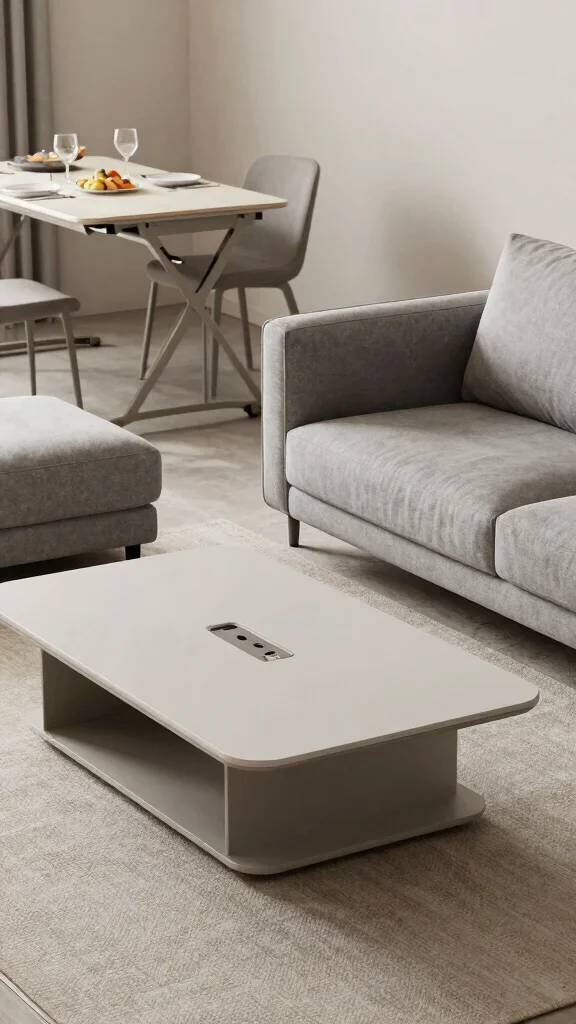
In an open layout, opting for multifunctional furniture can maximize space and efficiency. Consider a stylish coffee table that doubles as storage or a dining table that expands for gatherings. Sofa beds are also a practical choice, providing comfortable seating that converts into a sleeping area for guests.
Select pieces that align with your style while serving multiple purposes to keep your layout uncluttered. Ottomans that function as footrests and extra seating, or nesting tables that can be tucked away when not in use, are great options. Each choice enhances functionality while contributing to an open, airy feel.
Suggestions for Multi-Functional Furniture:
– Choose coffee tables with hidden storage.
– Look for extendable dining tables for flexibility.
– Opt for sofas with built-in storage.
– Use stackable chairs that can be stored when not in use.
This approach not only streamlines your space but also keeps the overall aesthetic minimalist and practical.
Recommended Products

Lifelike 6FT Dracaena Tree: Designed with naturally colored leaves, detailed textures, realistic trunks, and a full layered shape, this 6FT artificial dracaena tree closely recreates the fresh appearance of a real indoor plant. Its tall, slim profile adds natural height and greenery without taking up excessive floor space.

【Lifelike Appearance】Meticulously crafted to mimic the real Bird of Paradise, our artificial plant brings the lushness of nature to any indoor or outdoor space. The strong trunks adorned with large oval leaves with clearly textured and vivid color makes this faux tropical plants indoor a timeless home decor for all seasons and will definitely make you feel the existence of nature.

✅ Planter Included – Our Fiddle Leaf Fig tree comes with a 7 inch White Planter ,save extra purchase of planter.The artificial Fiddle Leaf Fig tree is pre-assembled in a sturdy plastic planter for easy placement and care.
4. Open Shelving for Display
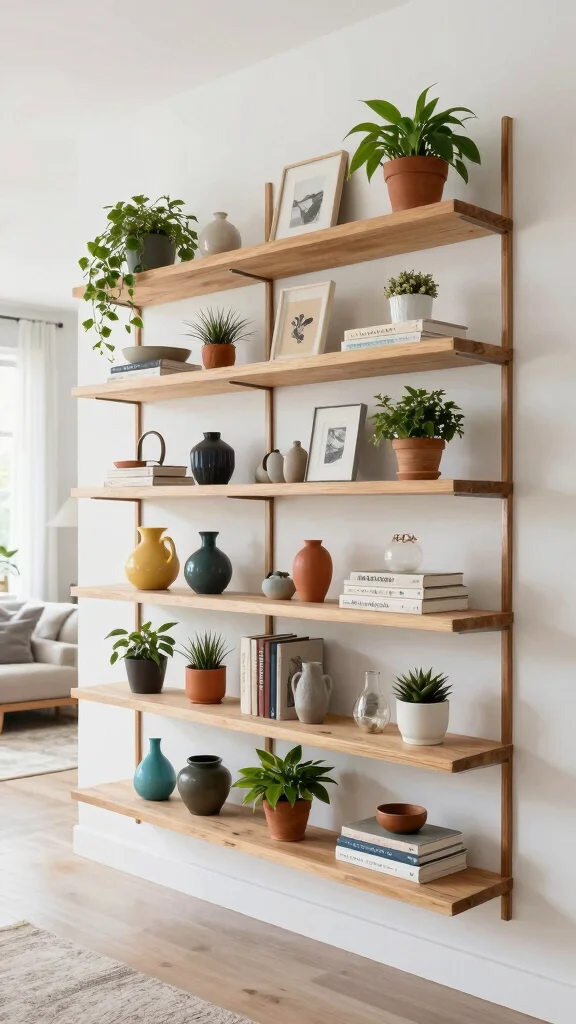
Incorporating open shelving in your living and dining areas allows you to showcase decor while keeping the space open and airy. Instead of closed cabinets, consider floating shelves that display decorative items, books, and plants. This design choice invites personal touches into your home while maintaining a light atmosphere.
Organizing your shelves by color or theme can enhance visual appeal, creating a cohesive look. Balance is vital; avoid overcrowding to maintain a clean appearance. Using baskets or boxes can help with organization while adding texture. This way, you can easily refresh items to keep the decor dynamic.
Tips for Open Shelving:
– Use a consistent color palette for decor pieces.
– Mix different heights and textures for visual interest.
– Keep storage baskets tidy for a clean look.
– Change displays regularly for a fresh feel.
With thoughtful organization, open shelving can be both functional and aesthetically pleasing, enhancing your space’s overall charm.
Open shelving lets your space breathe while your style speaks. Group items by color or theme on floating shelves, and your open layout living room dining room will feel cohesive and calm.
Recommended Products

MODERN AESTHETIC: This contemporary design features subtle solid and striped patterns. A neutral palette of charcoal, cream, and gray enhances diverse decors. Anchor your space with sophisticated style.

Precise size is 5'3" x 7'3" (nominal 5'x7'); we recommend measuring your room before purchase; allow for minor color variations in natural daylight or indoor nightlight due to high-quality textile fibers.
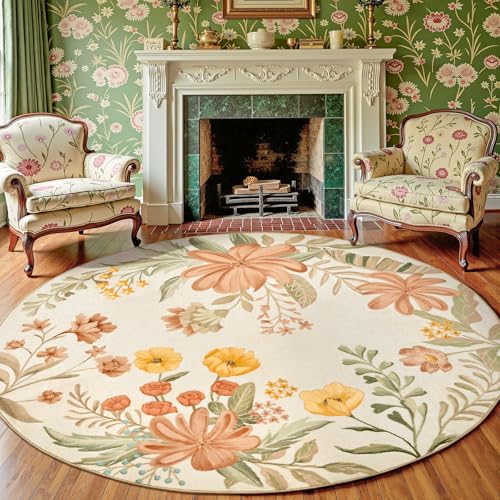
Enchanting Floral Design: This rug features delicate hand drawn floral patterns in warm coral and sage green tones, perfect for adding a soft vintage charm to any room
🏡 Transform Your Space Like a Pro
Unlock the secrets to stunning home decor with our DIY guide and elevate your minimalist living and dining areas.
5. Large Windows for Natural Light
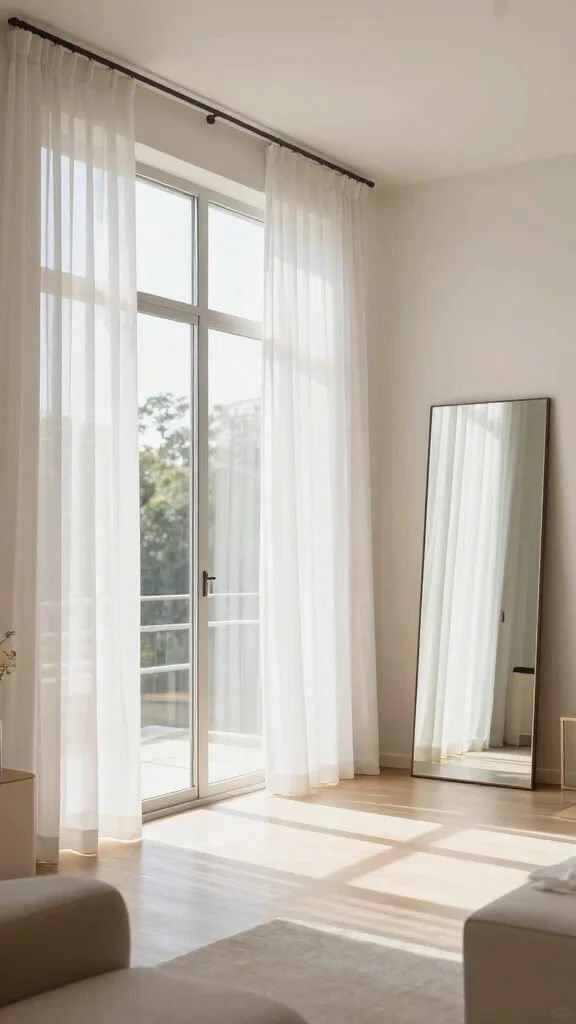
Natural light is essential for creating a welcoming and spacious open layout. Large windows can forge a seamless connection between indoors and outdoors, enhancing your home’s allure. If you have the luxury of big windows, consider using sheer curtains to let in light while providing privacy.
If your space feels dim, consider adding mirrors to reflect light throughout the room. Choosing light-colored walls can also amplify natural light, making the flow between spaces feel effortlessly bright. Incorporate light fixtures, such as pendant lights or floor lamps, that mimic natural light for a warm ambiance in the evening.
Suggestions for Maximizing Natural Light:
– Avoid heavy drapes; go for light fabrics instead.
– Use mirrors to bounce light around the room.
– Choose light-colored furniture to enhance brightness.
– Position furniture to not block window views.
Emphasizing natural light not only brightens your space but also elevates the overall aesthetic, making it feel more inviting.
Recommended Products

MODERN DINNET TABLE: Experience the warmth and charm of the Magnificent Wood Dining Table as it gracefully enhances any kitchen or traditional dining space. This exceptional kitchen table fosters a sense of closeness among family members, creating an atmosphere of affection and togetherness. The contemporary design of this dining room table elevates the elegance of your dining area, adding a touch of grandeur. Indulge in precious moments with your loved ones while enjoying the beauty of this exquisite kitchen table.

【Ideal for families of 4, 6, or 8】 extendable to suit any group. This oval dining table expands to comfortably accommodate everyone, while its smart design fits perfectly in kitchens and dining rooms. From quiet weeknight meals to festive holiday feasts, it naturally becomes the heart of your home.
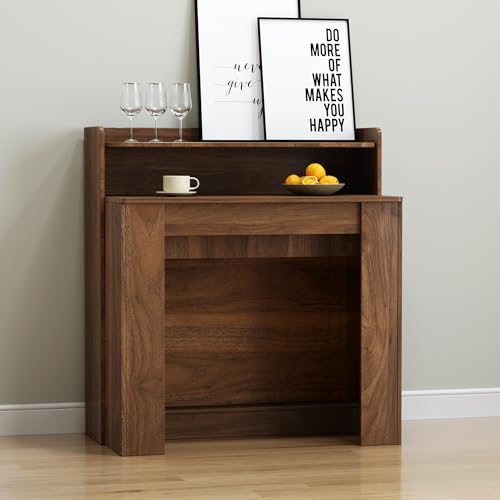
Seats Up to 10 People: Expands to nearly 98” long, comfortably seating up to 10 guests for family dinners and gatherings.
6. Incorporate Plants for Freshness
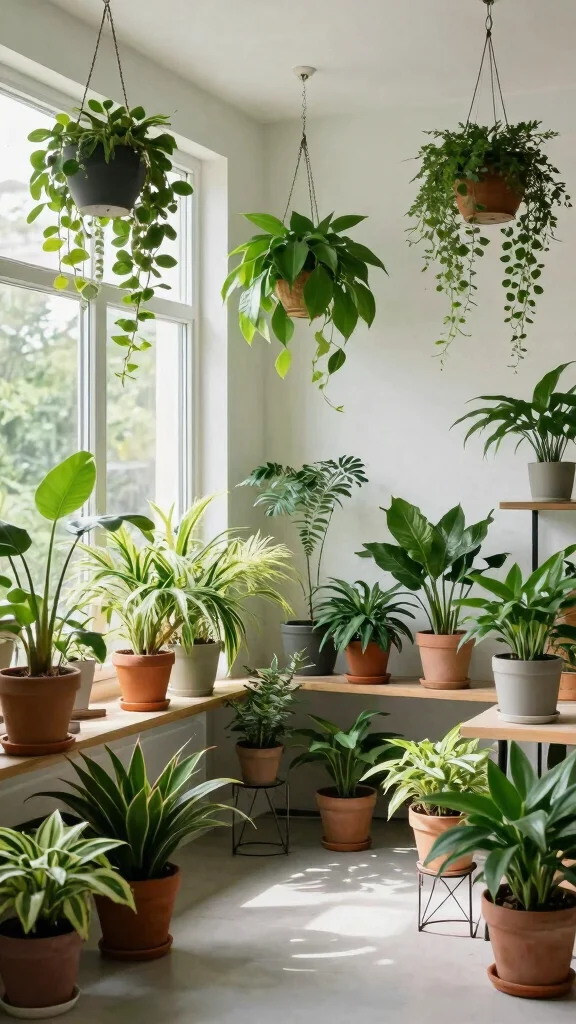
Adding plants can infuse life into your open layout, creating a fresh and inviting atmosphere. Plants not only improve air quality but also provide visual texture, promoting a sense of calm and connection to nature. Choose low-maintenance varieties like snake plants, peace lilies, or pothos that suit your lifestyle.
Using hanging plants can save ground space while adding layers to your decor. Grouping plants of varying heights can create a stunning focal point without overwhelming the minimalist theme. Decorative pots can complement your color scheme, making the greenery an integral part of your design.
Tips for Incorporating Plants:
– Use plant stands to create layers and height variation.
– Choose pots that complement your decor style.
– Group plants for a cohesive look.
– Consider the light requirements for each plant type.
Incorporating greenery not only enhances the aesthetic but also invites a refreshing touch of nature into your home.
Recommended Products

【5 Convertible designs】The 4 in 1 sleeper chair bed can be easily and quickly converted into 5 forms to meet your versatile use,sitting, reclining, foot-support and sleeping. Meet all your needs to the greatest extent.

Multifunctional Design: This convertible sofa bed transitions between a chair, ottoman, lounger, and single bed, providing versatile seating and sleeping options for small spaces like dorms, apartments, and home offices

Versatile Living Room Convertible Sofa Bed: This sofa offers great flexibility, transforming easily into a small couch, chaise lounge, futon bed, or armless sofa. It’s perfect for dorms, small spaces, or the living room
You might also like
7. Seamless Flooring Transition
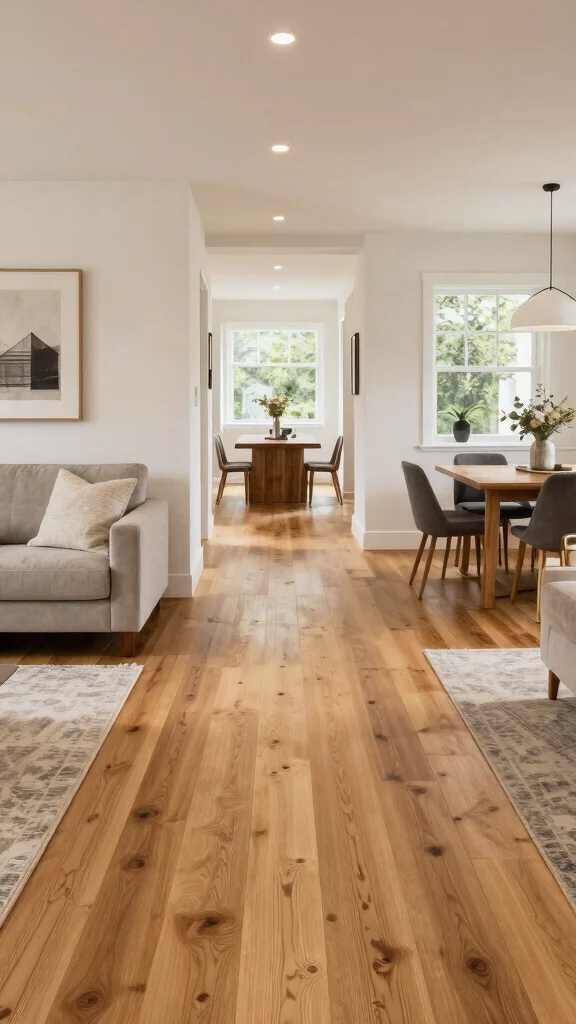
Consistent flooring throughout your open layout is key to achieving a unified look. Whether you choose hardwood, laminate, or tile, using the same material connects your living and dining areas visually.
Select durable and easy-to-maintain options, especially for high-traffic zones. If you want to add texture, consider using area rugs to define spaces without changing the flooring material. Lighter colors can create a sense of openness, while darker tones add warmth.
The goal is to choose a flooring style that complements your overall design theme, enhancing the flow between rooms. Mixing floor types can work, but ensure a common element ties them together.
Suggestions for Flooring:
– Choose materials that are easy to clean and withstand wear.
– Consider the overall color scheme of your home.
– Use area rugs to define different spaces without cluttering.
– Ensure transitions between different types of flooring are seamless.
A seamless flooring transition can elevate your design and create a harmonious space.
Fun fact: up to 60% of a room’s perceived size comes from consistent flooring. In an open layout living room dining room, using the same material visually connects spaces for a calmer, larger feel. Pair with light colors and area rugs for texture without breaking flow.
Recommended Products

【Soft Modern Glow】A clear glass globe shade gives this pendant light an open, airy look that lets the bulb shine through with a warm decorative effect, while the matte black metal canopy and rods add clean contrast for modern, farmhouse, minimalist, transitional, and light luxury interiors. The simple round profile works well as a black pendant light for kitchen island lighting, a glass pendant light over a dining table, or a hanging accent fixture in an entryway, making the room feel brighter without adding visual clutter. Bulb is not included, so you can choose the E26 bulb style that best fits your desired brightness and atmosphere.

【Vibrant RGBCW Lighting】Self-developed ASAHOM APP with next-gen intelligent AIGC lighting, featuring: 144 upgraded RGBCW outdoor lights, 30,000 lighting effect combinations, dual output, extendable to max.800ft, zone control, cuttable & splicable, 2700K-6500K, set timer, 92 scene modes for 4th of July/summer party/Halloween/Christmas decor and accent lighting.

▶ Hardwired Clean Look for Modern Kitchens – No visible cords or plugs for a seamless built-in appearance—perfect for a clean, permanent lighting upgrade. These slim hardwired under cabinet lights deliver bright, even illumination across countertops for food prep and everyday tasks
8. Minimalist Art Pieces
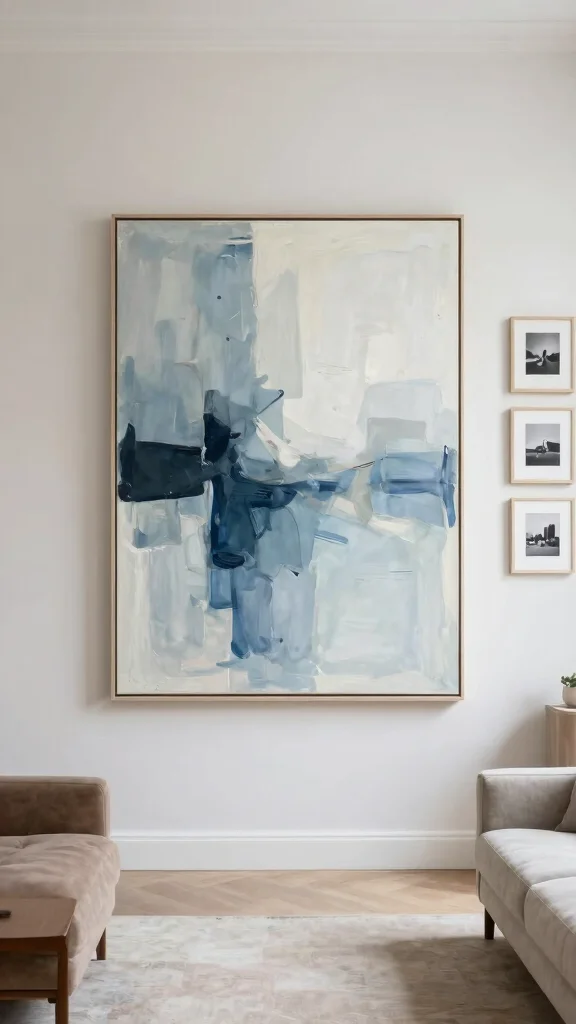
Opting for minimalist art pieces can significantly enhance the aesthetic of your open layout while maintaining an uncluttered feel. Large-scale artworks or simple frames with clean lines draw attention without overwhelming the space.
A single large canvas or a gallery wall featuring a series of smaller pieces can serve as a focal point, inviting the eye without cluttering the design. When selecting art, consider pieces that resonate with your style and color scheme to maintain cohesion. Art can also serve as a conversation starter, adding a personal touch to your home.
Art Tips for Open Layouts:
– Opt for large statements over multiple small pieces.
– Use uniform frames for a cohesive look.
– Consider the color palette when selecting art.
– Hang art at eye level for maximum impact.
By thoughtfully curating your art, you can create a space that feels both personal and stylish.
Did you know? A single large canvas can anchor an open layout better than a gallery wall of tiny pieces. It reduces visual clutter by up to 30% in the open layout living room dining room flow.
Recommended Products

🌿 artificial bird of paradise plant: Our artificial traveler's banana tree, inspired by the beauty of paradise bird plants, brings a touch of exotic elegance to any space with its lifelike appearance.

Full-Spectrum Grow Light System: This plant stand features adjustable full-spectrum LEDs (3000K-6500K) that mimic natural sunlight for optimal growth at all stages – from seedlings to flowering plants. The 8-level dimming meets each plant's needs.

🪴 Lifelike Fake Plants Indoor : Expertly crafted with vibrant green silk leaves and a textured trunk, FSOHOI dracaena artificial plant delivers the lush look of a live tree without any maintenance that enhances any space with natural beauty. Paired with a modern black planter, you can directly put it any place you want and brings a boast of green to your home or office
9. Layered Lighting
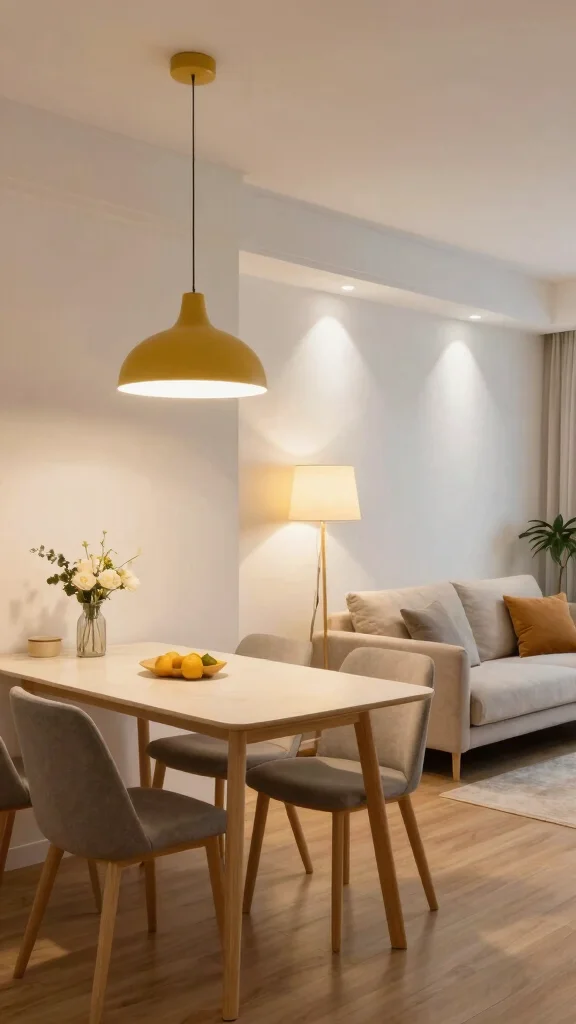
Effective lighting is crucial in an open layout, and layering different types can create a warm and inviting atmosphere. Incorporating ceiling fixtures, floor lamps, table lamps, and accent lighting results in a well-rounded approach.
Dimming capabilities on overhead lights allow you to adjust the ambiance for various moods, from bright and cheerful to soft and cozy. Use task lighting in both the living and dining areas to ensure functionality, especially on dining tables or reading nooks.
Stylish pendant lights over the dining table can serve as a focal point, setting the tone for gatherings. The goal is to create a range of lighting options that enhance the flow between spaces, adding depth and interest.
Lighting Tips:
– Incorporate multiple light sources for versatility.
– Use dimmers to adjust brightness.
– Add pendant lighting for style and focus.
– Utilize floor lamps to fill empty corners without bulk.
Layered lighting not only enhances functionality but also elevates the overall ambiance of your home.
10. Create a Focal Point
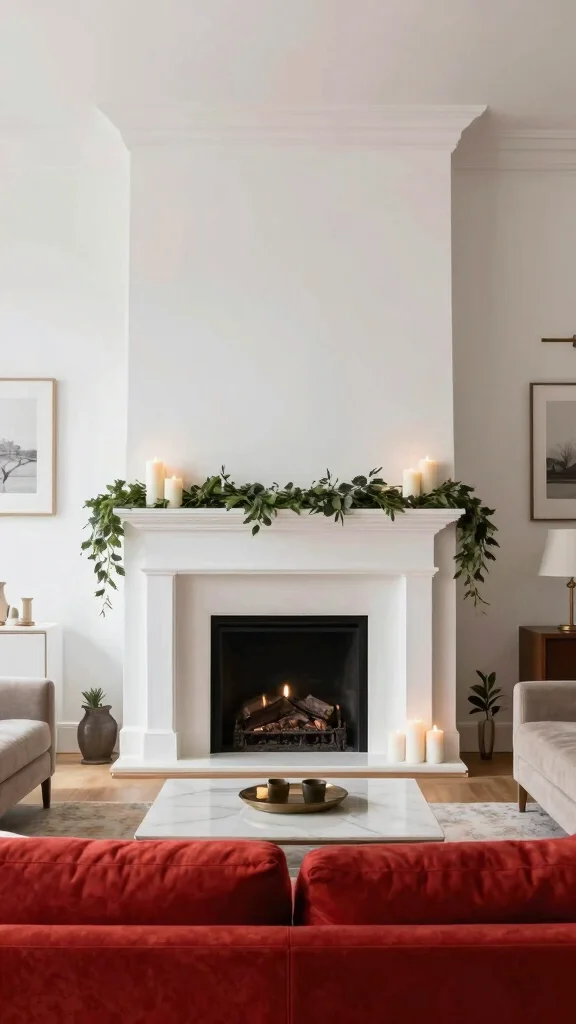
Every captivating open layout benefits from a focal point that draws the eye and creates harmony. This could be a stunning piece of art, a beautifully designed light fixture, or even a striking piece of furniture.
Establishing a focal point helps anchor the space, connecting the living and dining areas visually. If you have a fireplace, it can serve as a natural focal point; otherwise, consider using bold furniture like a colorful sofa or a graphic rug to set the tone.
The key is to ensure that your focal point complements your minimalist design rather than overwhelming it. Surrounding decor should enhance this element, maintaining the overall flow in your open layout.
Focal Point Tips:
– Choose a design element that is proportionate to the space.
– Complement the focal point with surrounding decor.
– Ensure it aligns with your color palette.
– Avoid cluttering around it to maintain emphasis.
A well-placed focal point can significantly enhance your design, creating a sense of balance and beauty.
11. Open Concept Dining
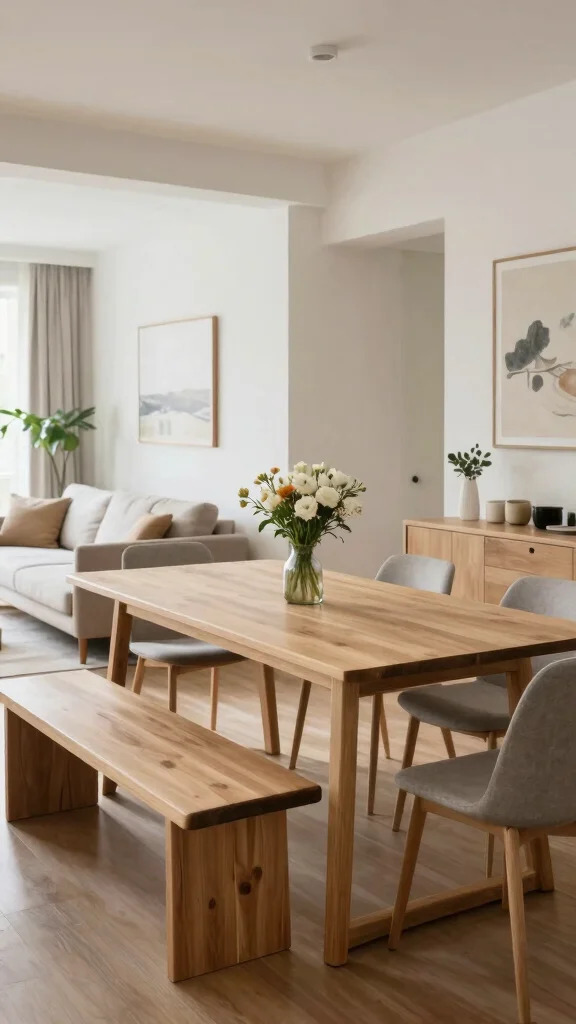
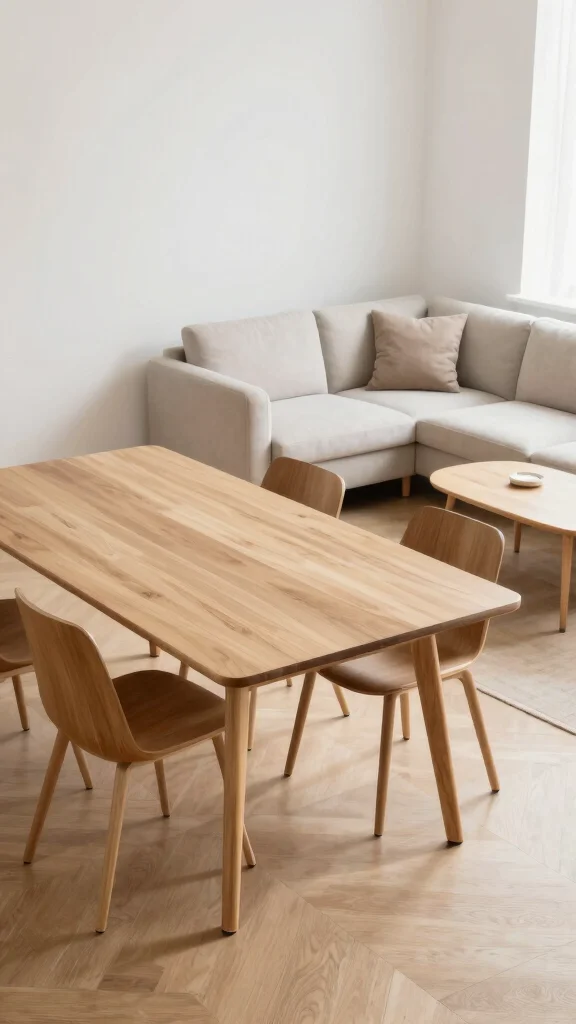
In an open layout, the dining area should transition naturally from the living space. A long dining table can create a continuous line, enhancing the sense of space and connection.
Using a bench on one side of the table can save space and foster a relaxed ambiance, making it ideal for entertaining. When choosing dining chairs, look for lightweight options that are easy to move, allowing you to adjust seating configurations as needed.
Positioning the dining table parallel to the living room can enhance the open feel, while a centerpiece of fresh flowers or a decorative bowl can add character without cluttering the design. Selecting a table in a light color can also keep the area feeling airy.
Dining Area Tips:
– Opt for a rectangular table to maximize space.
– Use a bench for a casual ambiance.
– Choose lightweight chairs for flexibility.
– Add a stylish centerpiece for character.
By thoughtfully planning your dining area, you can foster a seamless connection between spaces while maintaining an inviting atmosphere.
You Might Also Like
12. Flexible Layouts
One of the greatest benefits of an open layout is its inherent flexibility. Unlike traditional designs, you can rearrange furniture to suit your needs—be it for entertaining, family gatherings, or simply lounging.
Consider using furniture on wheels, such as mobile carts or chairs that can be easily moved. This adaptability allows you to tailor the space for various activities while maintaining an open vibe.
Additionally, modular furniture pieces can be rearranged to create different configurations that cater to your daily life. Understanding how you use the space lets you make it work for you while preserving a minimalist aesthetic that avoids clutter.
Tips for Flexible Layouts:
– Use furniture on wheels for easy movement.
– Invest in modular pieces that can be rearranged.
– Keep the layout open and unobstructed for flow.
– Consider your entertaining or living style when arranging furniture.
Embracing flexible layouts can lead to a more functional and enjoyable living environment.
13. Personal Touches
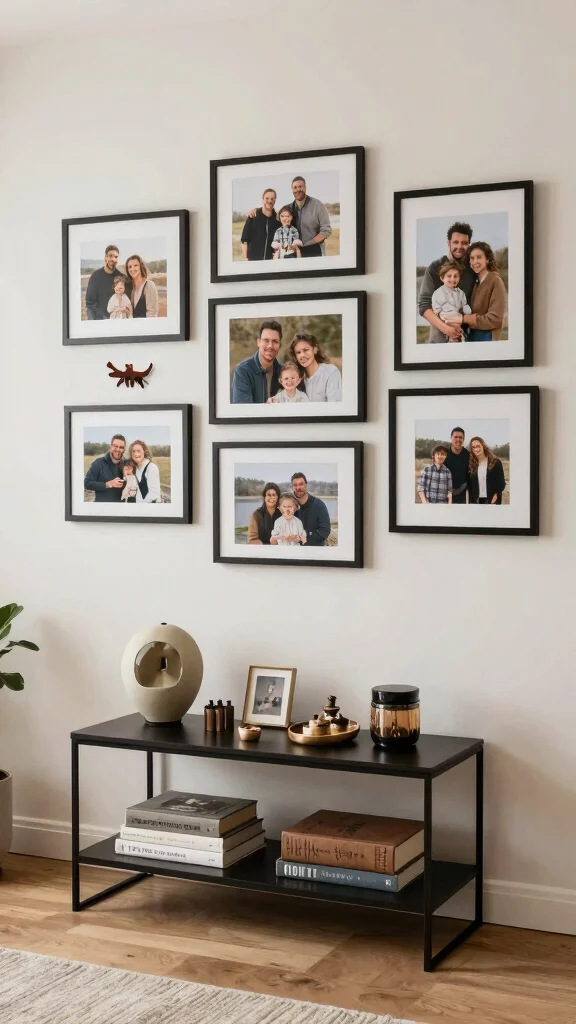
In a minimalist open layout, adding personal touches is vital to transform your space from generic to uniquely yours. Incorporating family photos, travel souvenirs, or handmade decor can enrich your environment without cluttering the design.
Designate a small area for displaying these personal items, such as a side table or a gallery wall, ensuring they align with your color scheme. Regularly rotating these pieces keeps the decor fresh and reflective of your journey.
Mixing personal items with curated decor creates a balance between style and sentiment. The aim is to foster an environment where you feel comfortable and inspired, allowing your personality to shine through.
Ideas for Personal Touches:
– Create a gallery wall with varying frame styles.
– Use personal items as conversation starters.
– Rotate decor pieces to keep the space dynamic.
– Integrate textures and colors that reflect your style.
By thoughtfully incorporating personal elements, you can create a space that truly feels like home.
14. Smart Technology Integration
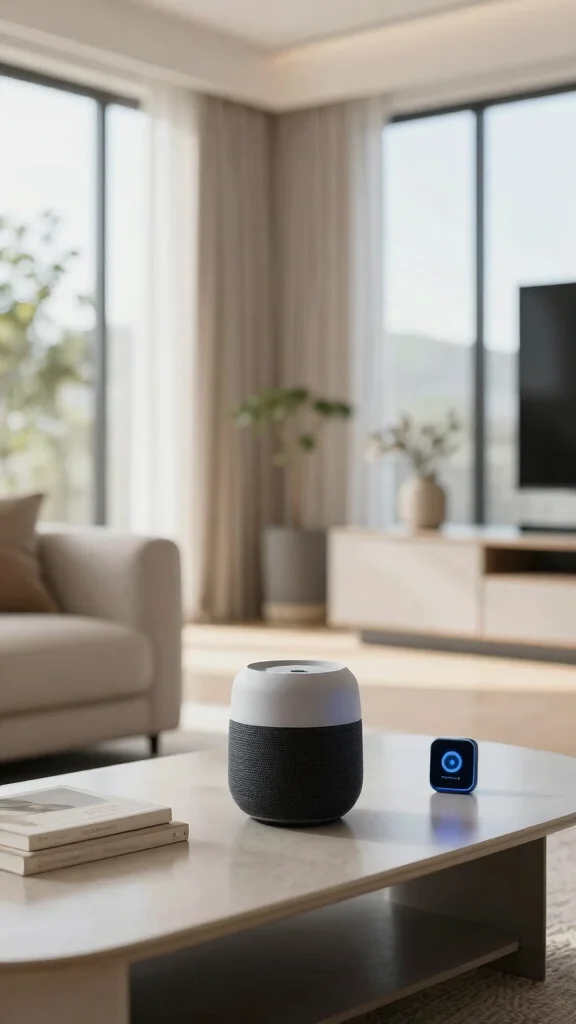
Integrating smart technology into your open layout can enhance both functionality and aesthetics. Smart lighting systems, for instance, can be controlled via smartphone, allowing you to adjust the ambiance easily.
Incorporate smart speakers for music throughout both spaces or a smart thermostat that seamlessly blends with your decor. The goal is to select technology that enhances your lifestyle while being discreet enough to fit within your minimalist design.
Thoughtfully placing your tech can streamline daily routines, fostering a harmonious living experience. Additionally, opting for sleek cables or wireless options can maintain a clean aesthetic, keeping your open layout stylishly modern.
Technology Tips:
– Choose devices that blend with your decor style.
– Opt for wireless options wherever possible.
– Use centralized controls for convenience.
– Keep tech placement intuitive to enhance usability.
Integrating smart technology not only boosts convenience but also contributes to a sophisticated and modern home environment.
Conclusion
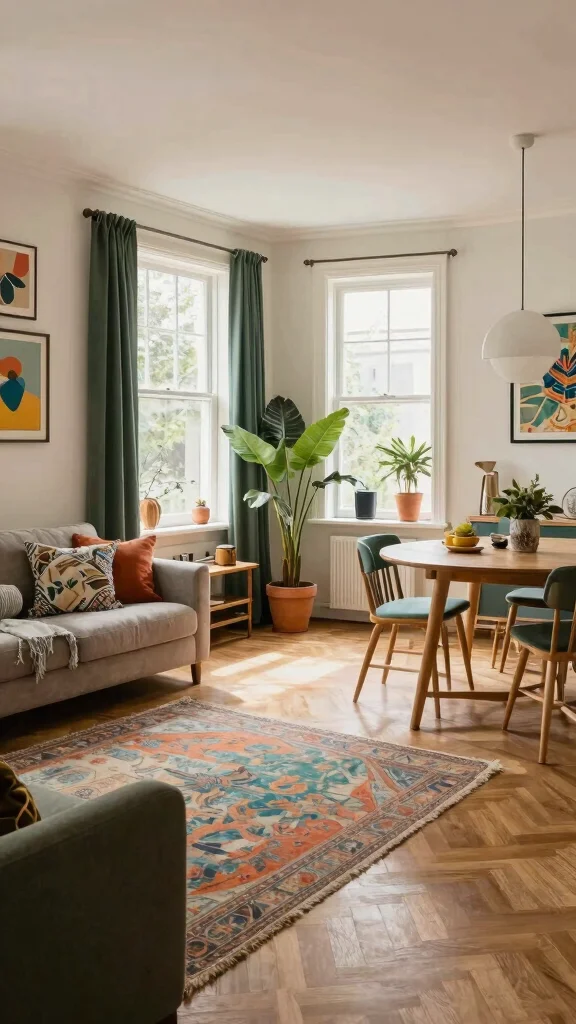
Creating a beautiful and functional open layout living room and dining room is all about balance, flow, and personal style. By using these 14 ideas, you can enhance the aesthetic and functionality of your space, making it a haven for relaxation and gatherings.
Each design choice contributes to a harmonious environment that feels both spacious and inviting, perfect for modern living. Consider these tips as you embark on transforming your open layout, and don’t forget to let your personality shine through!
Frequently Asked Questions
How can I create better flow in my open layout living room dining room?
Start by defining clear zones within your open layout living room dining room. Use a combination of area rugs and thoughtful furniture placement to visually separate seating from dining while keeping sightlines open. Keep traffic paths at least 3 feet wide and avoid oversized pieces that block flow. Choose a cohesive, minimalist color palette and minimal decor as a crucial interior design tip.
Practical setup: place the sofa to create subtle separation, position the dining table where it won’t obstruct paths, and incorporate space-saving furniture like nesting tables or a slim console to maximize usable space. The result is a calm, inviting space with natural flow.
What space-saving furniture ideas work best for a minimalist open layout living room dining room?
Look for space-saving furniture that can multitask. A slim-profile sofa or sectional with built-in storage pairs with a coffee table that nests or slides under another surface.
Choose wall-mounted shelves instead of bulky cabinets to free floor space.
Consider a fold-down dining table or extendable option to adapt for guests. Add multifunctional spaces like a compact desk that doubles as a sideboard, all in a modern decor ideas style that favors clean lines and negative space.
How can I zone an open concept design without walls in the living room and dining room?
Zone an open concept design with subtle cues, not walls. Layer lighting to define each area, with soft ambient light for the seating zone and brighter task lighting near the dining table.
Use area rugs to create distinct zones and choose a cohesive color accent for each area while keeping a unified palette. Position furniture to face a shared focal point and avoid blocking pathways. If you want a divider, try a low bookshelf or a row of plants that doesn’t close off the space.
What interior design tips help with multifunctional spaces in a minimalist open layout?
Focus on interior design tips that emphasize function and simplicity.
Choose multifunctional spaces with furniture that serves more than one purpose—storage ottomans, sofa beds, or an entryway bench with built-in cubbies.
Keep a limited color palette and consistent materials to maintain a cohesive minimalist look. Use vertical storage to keep surfaces clear and layer lighting (ambient, task, accent) to adapt for different activities. Build the layout around a single open layout living room dining room focal point to create unity.
From Havenly’s 14 open layout living room dining room ideas, what are the quick wins to improve flow and cohesion?
Here are quick wins you can implement this weekend: define zones with a rug and deliberate furniture placement.
Pick a cohesive palette and limit decor to a few textures for a calm, cohesive look.
Choose space-saving furniture that doubles as storage to maximize floor space.
Layer lighting to unify the space and adapt for different uses.
Keep traffic routes clear by repositioning any oversized pieces. These moves boost open layout living room dining room flow, create a calmer feel, and tie the design together with modern decor ideas.
Related Topics
open layout living room
minimalist design
space-saving furniture
modern decor ideas
multifunctional spaces
interior design tips
open concept design
small space solutions
home decor trends
easy updates
beginner friendly
functional aesthetics
Leave a Reply