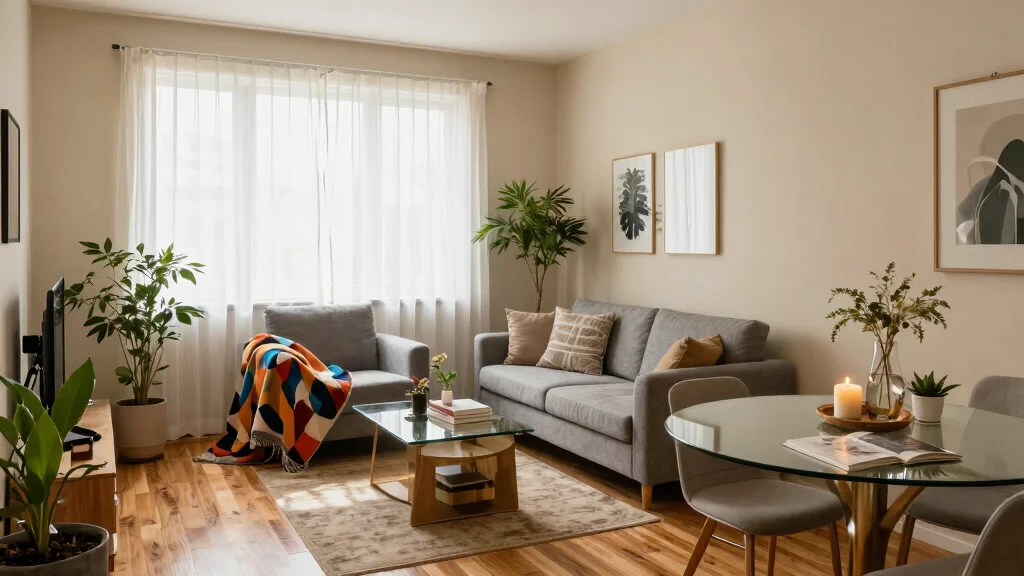
Creating a welcoming and functional living space can feel like a challenge, especially when your home has a combined living and dining room. This layout is becoming more popular in small spaces because it maximizes efficiency and encourages a lively atmosphere. I created this post because I know how important it is for you to have a stylish yet practical home, where every square foot counts.
If you’re someone who loves interior design but struggles with layout ideas, you’re not alone. Many people with open concept designs face the same dilemma. You want your living and dining area to feel distinct but cohesive at the same time. That’s why I’ve gathered 15 innovative combined living and dining room ideas, complete with smart zoning tips. These tips will help you create an inviting environment that reflects your style while effectively utilizing your space.
With these ideas, you’ll receive a treasure trove of inspiration to elevate your home. From color schemes that define zones to smart furniture choices that enhance flow, the possibilities are endless. Let’s dive into these creative solutions that will help you transform your combined living and dining room into a chic and functional haven.
Key Takeaways
– Creating clear visual boundaries with furniture placement can help define spaces within a combined living and dining area, making it feel organized and intentional.
– Embracing open shelving not only adds a stylish element but also provides practical storage for both living and dining essentials.
– Choosing multifunctional furniture, like a coffee table that doubles as a dining table, maximizes space while offering more functionality in a compact setting.
– Thoughtful lighting design can enhance the ambiance, allowing you to create different moods for dining versus relaxing in your combined space.
– Using area rugs is an excellent way to define separate zones, giving each area its unique feel while keeping the overall design cohesive.
Recommended Products

Machine Washable & Easy to Clean: The surface features water-repellent performance for simple cleanup when drinks spill accidentally, reducing the chance of liquid soaking deep into fibers. You can wipe spills quickly with a towel, remove local stains via spot cleaning with a damp cloth, or regularly vacuum for daily upkeep. The whole rug supports machine washing for deeper cleaning

Machine Washable & Easy to Clean: The surface features water-repellent performance for simple cleanup when drinks spill accidentally, reducing the chance of liquid soaking deep into fibers. You can wipe spills quickly with a towel, remove local stains via spot cleaning with a damp cloth, or regularly vacuum for daily upkeep. The whole rug supports machine washing for deeper cleaning

Tides Series – Effortless style that flows with your life.This modern machine-washable non-slip rug features reinforced edges and a low-pile design that resists dirt. Its water-repellent surface makes spills easy to clean – liquids bead up for quick wiping. Simply machine wash in cold water (no bleach) to refresh. The non-slip backing keeps it securely in place. A perfect blend of function and contemporary design for active homes.
1. Create Clear Visual Boundaries
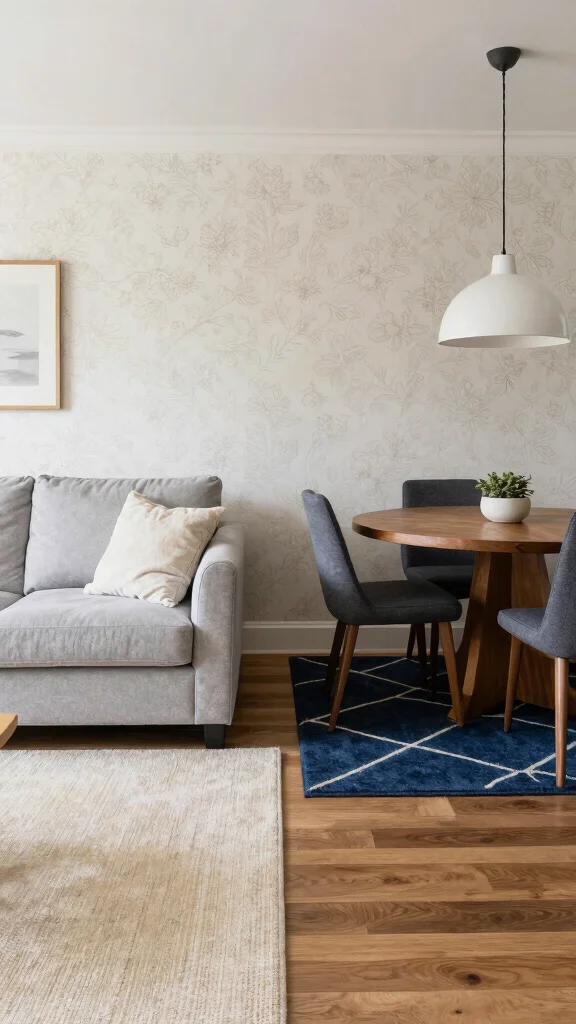
Establishing clear visual boundaries between your living and dining areas can significantly enhance the flow of your home. By utilizing distinct flooring, rugs, or paint colors, you can create inviting spaces that feel both connected and separate. For example, a vibrant area rug beneath your dining table can define that space, while a plush, muted rug in the living area invites relaxation and comfort.
To effectively implement this design principle, consider using contrasting patterns or colors for rugs in each zone. Adding pendant lighting above the dining table can highlight its importance while creating a warm ambiance. A feature wall or wallpaper behind the sofa can also help set visual boundaries, enhancing the aesthetics of both areas.
Consider these ideas to achieve a well-defined layout:
– Choose bold, patterned rugs to differentiate each area.
– Install pendant lights to accentuate the dining experience.
– Use wallpaper behind the sofa to create a focal point.
This thoughtful approach not only adds warmth and depth but also allows each area to breathe, resulting in a cohesive and inviting atmosphere.
Recommended Products

【4-in-1 Lift Top Design】Unique lift-up desktop design to meet more needs: When fully extended, it can be used as a dining table or game coffee table for 4-8 people; when partially extended, it can be used as a workbench for 2 people simultaneously without interfering with each other; when the desktop is closed, it provides a large storage space for easy organization of miscellaneous items.

【4-in-1 Lift Design】Unique lift top coffee table design to meet more needs–when fully unfolded, it becomes a dining or gaming coffee table for 8 people; when half expanded, it becomes a workstation for 2 people to use at the same time without disturbing each other; when lifting top is closed, farmhouse coffee table is suitable for storing sundries.
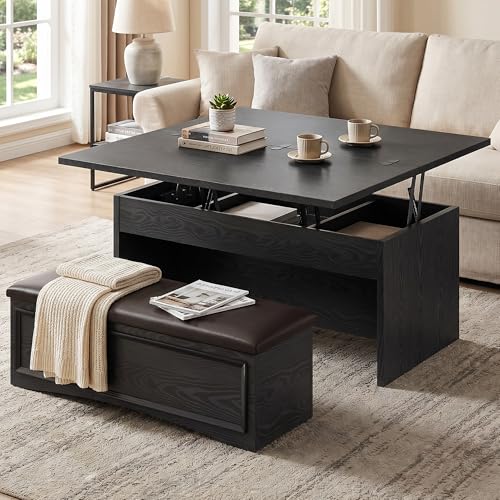
4-in-1 Versatile Table for Most Scenes: This magic lift-top table adapts to all your daily needs! Fully expanded, it serves as a spacious dining or game table for 4-8 people. Partially stretched, it works perfectly as a 2-person work desk. With a single top open, it becomes a private reading table for one. Fully closed, it acts as a stylish living room coffee table. It freely transforms to fit any home scenario.
🏡 DIY Decor Mastery Made Easy
Transform your combined living and dining space with expert tips and budget-friendly makeovers in this ultimate guide.
2. Embrace Open Shelving
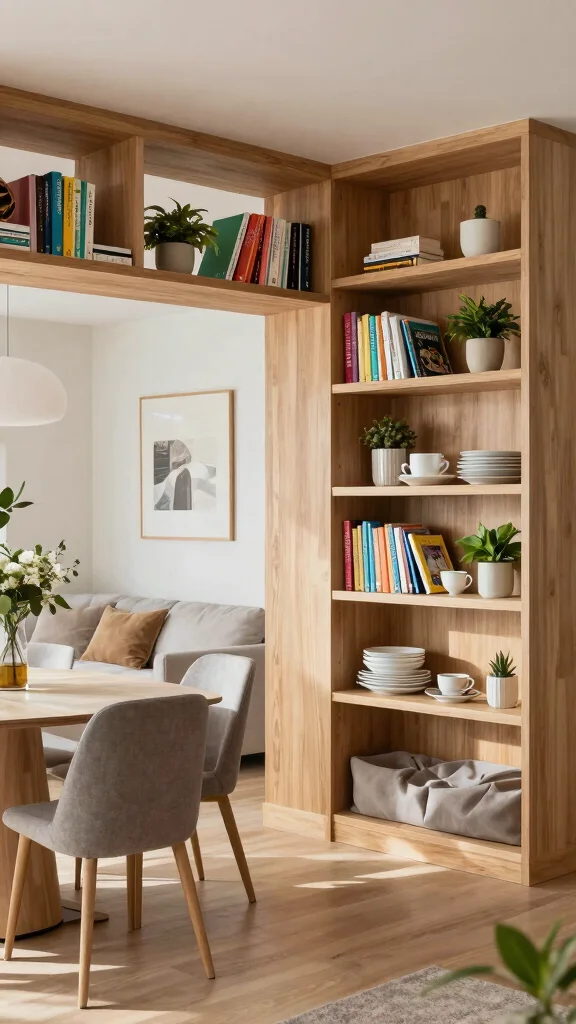
Open shelving offers a stylish way to blend functionality and aesthetics in your living and dining room. Shelves that connect both spaces create an inviting visual link, while also providing easy access to your favorite items. Displaying beautiful dishware or decorative elements on these shelves can enhance the room’s depth and character.
To maximize the benefits of open shelving, look for options that elevate your decor while serving practical purposes. Keep an eye out for budget-friendly shelving units at thrift stores or online marketplaces that can be customized to fit your space. This design choice aligns with current trends, promoting openness and accessibility throughout your home.
Here are some practical ways to incorporate open shelving:
– Use shelves to showcase stylish dishware for a unified look.
– Arrange plants and books for added visual interest.
– Combine different shelf heights to create dynamic displays.
Incorporating open shelving not only enhances your storage options but also infuses your space with personality and charm.
Fun fact: Open shelving in a compact combined living and dining room can save up to 20% of wall space while visually linking zones. Small-space styling tip: group plates and glassware for color and depth.
Recommended Products

[Unique Geometric Bookshelf]: S-shaped design makes this book shelf a work of art. Tall black bookcase provide large storage space, satisfies various daily storage needs. Each of the 6 shelves is divided into 2 compartments, perfect for organizing books, collectibles, plants, albums, and other items in a neat and orderly manner

[Unique S-Shaped Design]: S-shaped design makes this bookshelf a work of art. 5-tier storage space satisfies various daily storage needs. Each of the 5 shelves is divided into 2 compartments, perfect for organizing books, magazines, plants and other items in a neat and orderly manner

An Invitation to Nature: Like a beautiful, majestic tree with silky smooth white bark, this large bookcase spreads its branches in your living room to sublimate your reading space. Let the peaceful calm of the forest enter your home!
3. Multifunctional Furniture is Key
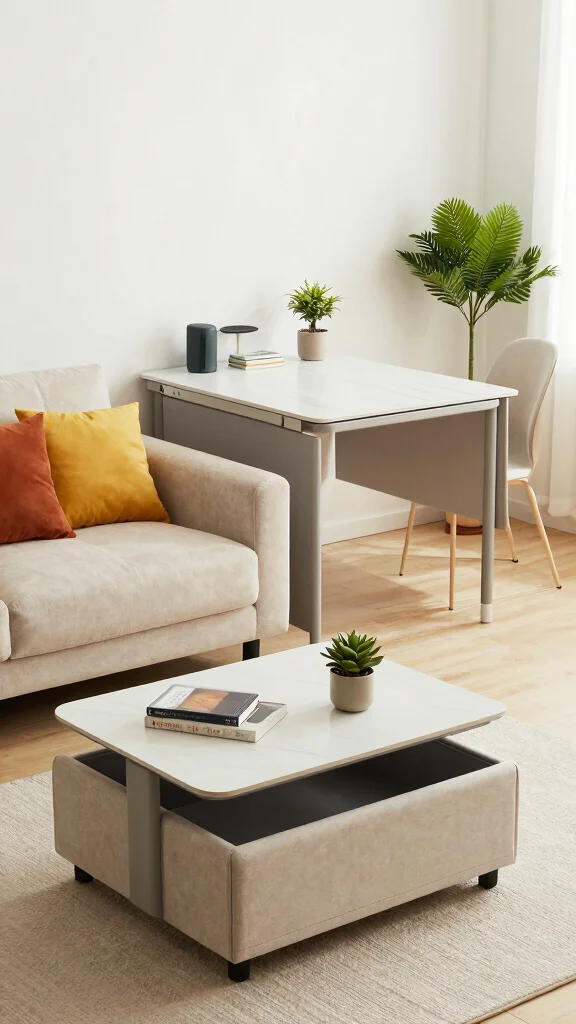
In a compact living and dining room, multifunctional furniture is essential for maximizing space. Look for pieces that serve multiple purposes, such as a dining table that can also function as a workspace or an ottoman that doubles as extra seating. This approach not only saves room but enhances the overall utility of your space.
When selecting multifunctional items, prioritize versatility without compromising style. Consider shopping at furniture stores that specialize in space-saving designs or exploring DIY solutions. This trend emphasizes practicality while ensuring your home remains stylish and functional.
Here are some multifunctional furniture ideas to consider:
– Choose a foldable dining table that expands for guests.
– Select storage ottomans to hide clutter while providing seating.
– Incorporate a sofa bed for overnight visitors.
By integrating these adaptable pieces, you can maintain an airy atmosphere while meeting all your lifestyle needs.
Did you know that in a small combined living and dining room, a dining table that doubles as a workspace can reclaim up to 20 square feet? Two-in-one furniture saves space and keeps traffic flowing, while still looking stylish and inviting.
Recommended Products

[Island Lights with E26 Base] These pendant light fixtures are compatible with various E26 base light bulbs. Each fixture can support three bulbs, with a maximum power of 60W each. They are also dimmer-compatible, offering flexibility to adjust the brightness to suit different installation scenarios. (Bulbs not included)
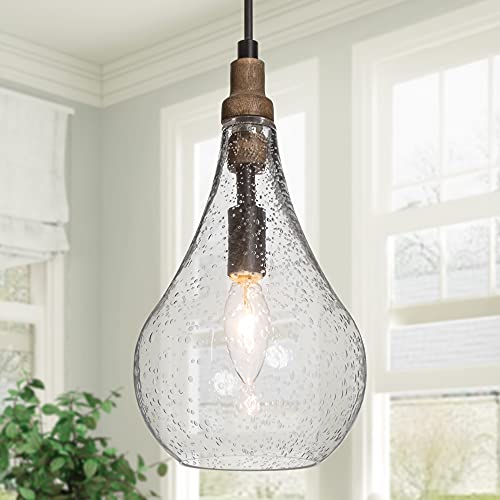
5.9"Width x 11.8"Height with 5ft adjustable hanging cord. This farmhouse light fixture is adaptable to the sloped ceiling.

【6-Light 25-Inch Wide Chandelier】With a well-balanced 25-inch width and depth, this matte black chandelier creates a refined focal point over any table or kitchen island. A 25-inch chandelier is ideal for a 30×60 inch rectangular table (4–6 people), and also works well for compact dining spaces and kitchen islands where proportion matters. This versatile black chandelier light fixture complements farmhouse, modern, or transitional decor, making it an ideal lighting choice for dining rooms, kitchens, foyers, or living areas. It also works beautifully as black pendant lighting above a kitchen island.
4. Use Color to Differentiate Spaces
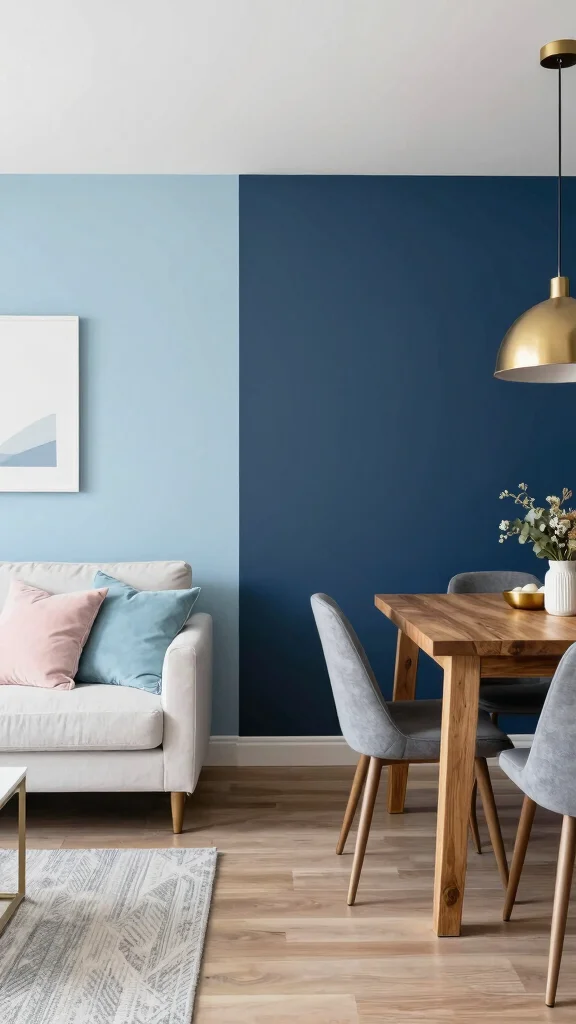
Color is a powerful element for distinguishing between the living and dining zones in a shared space. Consider painting each area in different hues or opting for complementary shades to create subtle divisions. Soft pastels can evoke tranquility in the living area, while deeper, bolder tones can energize the dining space.
To effectively implement color differentiation, choose shades that resonate with your personal style and harmonize with your decor. Accent colors in decorative items can help tie both areas together, creating a cohesive look. This technique adds depth and intentionality to your design, making each zone feel thoughtfully curated.
Explore these color scheme ideas:
– Opt for light blue in the living area with rich navy in the dining space.
– Use soft cream in one area paired with contrasting taupe in the other.
– Incorporate accent colors through cushions and tableware.
This approach not only enhances visual interest but ensures that both spaces feel distinct yet harmonious.
Recommended Products

Tides Series – Effortless style that flows with your life.This modern machine-washable non-slip rug features reinforced edges and a low-pile design that resists dirt. Its water-repellent surface makes spills easy to clean – liquids bead up for quick wiping. Simply machine wash in cold water (no bleach) to refresh. The non-slip backing keeps it securely in place. A perfect blend of function and contemporary design for active homes.

Maintain Your Rug with Ease: Vacuum regularly and spot clean as needed. For best results, avoid using a vacuum with beater bars to protect the rug’s fibers. Not Machine Washable.

Pile: Polypropylene – Backing: Cotton – Weave: Machine Made (Power-Loomed) – Made in: Turkey
Dimensions & Size Guide
Creating a functional and stylish combined living and dining room requires careful attention to dimensions and space planning. Understanding the standard sizes of furniture and the necessary space for movement can make all the difference in your design. Let’s dive into key measurements and considerations to ensure you maximize your small space effectively.
Standard Sizes & Measurements:
When planning your combined living and dining room, here are some common dimensions you should consider:
– Dining Tables: A standard dining table is usually 30 inches high. For a more comfortable fit, allow at least 36 to 48 inches around the table for movement and seating. A 4-seat table typically measures 60 inches long, while a 6-seat table is about 72 inches long.
– Dining Chairs: Most dining chairs are around 18 inches from the ground to the seat. Ensure there’s at least 12 inches between the chair seat and the table for comfort.
– Sofas: A standard sofa is approximately 84 inches long and 32 to 40 inches deep. Make sure to leave 30 to 36 inches of clearance for walking pathways.
– Coffee Tables: These should ideally be 16 to 20 inches high, with a distance of about 18 inches from the sofa for accessibility.
– Area Rugs: If you’re using area rugs to define spaces, they should extend at least 18 inches beyond the edges of your furniture for a cohesive look.
Quick Reference Table:
| Size/Dimension | Best for: | Minimum space needed: |
|———————————-|————————————|—————————————|
| 60 inches (Dining table) | 4 seats | 8 feet x 8 feet |
| 72 inches (Dining table) | 6 seats | 10 feet x 10 feet |
| 84 inches (Sofa) | Standard seating | 12 feet x 9 feet |
| 18-20 inches (Coffee table) | Central lounge area | 3 feet x 3 feet |
| 18 inches (Chair height) | Comfortable dining experience | 2 feet x 2 feet |
Space Planning Tips:
Planning your space effectively can prevent common pitfalls. Here are some tips to guide you:
1. Measure Twice: Always measure your space before purchasing furniture. Write down your room dimensions and consider drawing a floor plan to visualize placement.
2. Leave Room for Flow: Ensure at least 30 inches of walking space between furniture pieces. This will make the area feel more open and accessible.
3. Avoid Overcrowding: It’s easy to get carried away with furniture, but too many pieces can make the room feel cramped. Stick to essential items and allow for breathing space.
4. Consider Vertical Space: Use wall-mounted shelves and cabinetry to save floor space. This not only adds storage but can also serve as decorative elements.
5. Plan for Flexibility: Choose multifunctional pieces like storage ottomans or extendable dining tables. This adaptability can make your space more versatile.
Pro Tip: The most critical measurement is the clearance around your dining table and sofa. Proper spacing not only enhances comfort but also creates a more inviting atmosphere. Aim for at least 3 feet of space around these areas to allow for easy movement and flow. This is especially crucial in a combined living and dining room, where functionality is key!
Recommended Products

【4-in-1 Lift Design】Unique lift top coffee table design to meet more needs–when fully unfolded, it becomes a dining or gaming coffee table for 8 people; when half expanded, it becomes a workstation for 2 people to use at the same time without disturbing each other; when lifting top is closed, farmhouse coffee table is suitable for storing sundries.

【4-in-1 Lift Design】Unique lift top coffee table design to meet more needs–when fully unfolded, it becomes a dining or gaming coffee table for 8 people; when half expanded, it becomes a workstation for 2 people to use at the same time without disturbing each other; when lifting top is closed, farmhouse coffee table is suitable for storing sundries.

【Versatile Lift-Top Coffee Table】 With its 4-in-1 design, this table can serve as a dining area, a spacious workspace, or a storage solution. Its compact size with convenient storage compartments make it a traditional coffee table that will fit in any living room. Its semi-open position offers a choice of a large or small tabletop to cater to your preferred activity. Fully opened, it can seat up to 8 guests comfortably, perfect for hosting large gatherings.
5. Thoughtful Lighting Design
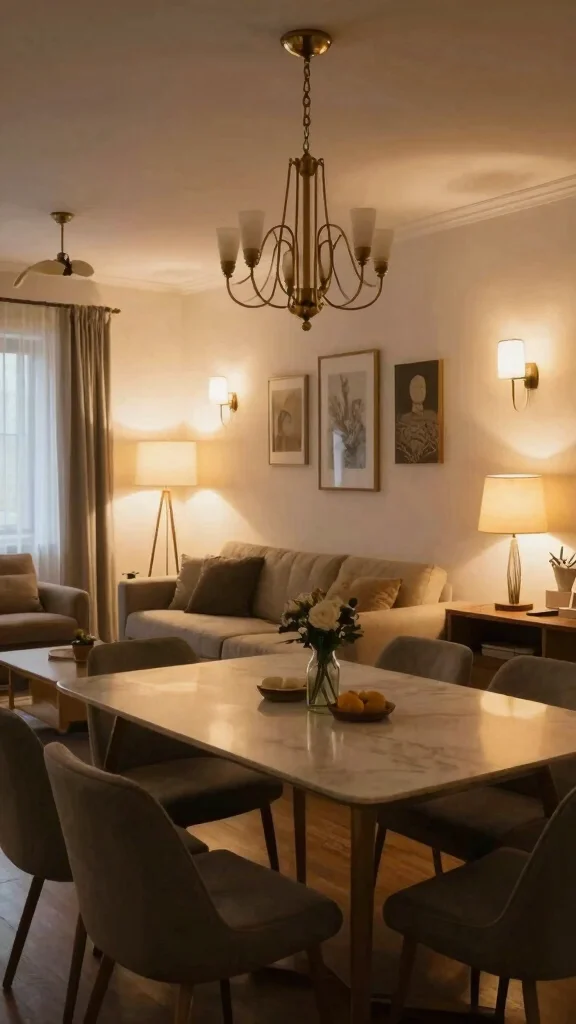
Lighting is crucial for setting the mood and function in your combined living and dining room. Layered lighting, including ambient, task, and accent lights, helps create a warm and inviting atmosphere. A striking chandelier above the dining table can draw attention, while softer lamps in the living area enhance relaxation.
To develop a thoughtful lighting plan, consider using dimmers to adjust brightness according to time and mood. Incorporating floor and table lamps adds a cozy touch, while wall-mounted sconces can save space and add character. This approach connects both areas while ensuring they serve their unique purposes.
Here are some lighting design tips:
– Use dimmers for versatile brightness levels.
– Incorporate floor and table lamps for a warm ambiance.
– Install sconces to save space and enhance style.
A well-planned lighting strategy transforms your home, making each area feel distinct yet connected.
Recommended Products
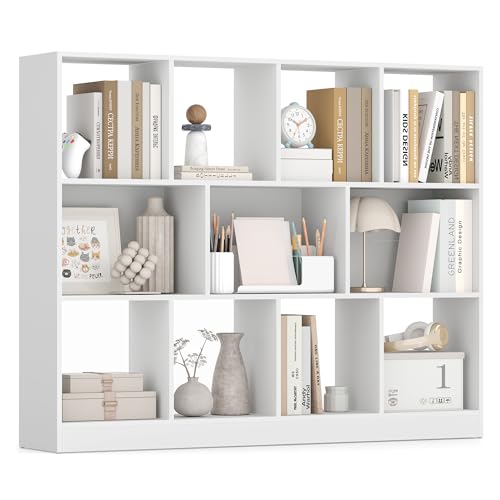
Compartment Design Meets Open Storage: This bookshelf comes from VASAGLE CUSTOS Collection, characterized by the open compartment design that embodies easy-to-blend-in minimalism, while ensuring everything's organized and easily accessible

[Unique S-Shaped Design]: S-shaped design makes this black small bookshelf a work of art, while provides large storage space, satisfies various daily needs. Each of the 6 shelves is divided into 2 compartments, perfect for organizing books, magazines, plants and other items in a neat and orderly manner
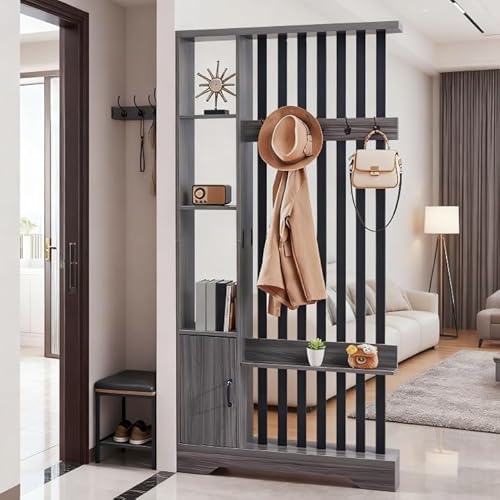
Innovation Design: This sophisticated 39.4"x9.5"x79.5" wall and ceiling divider seamlessly merges contemporary style with practical utility. Its fine wood grain and semi-transparent panels provide an elegant touch and striking visual appeal for home offices, offering distinctive storage charm.
6. Define Spaces with Area Rugs
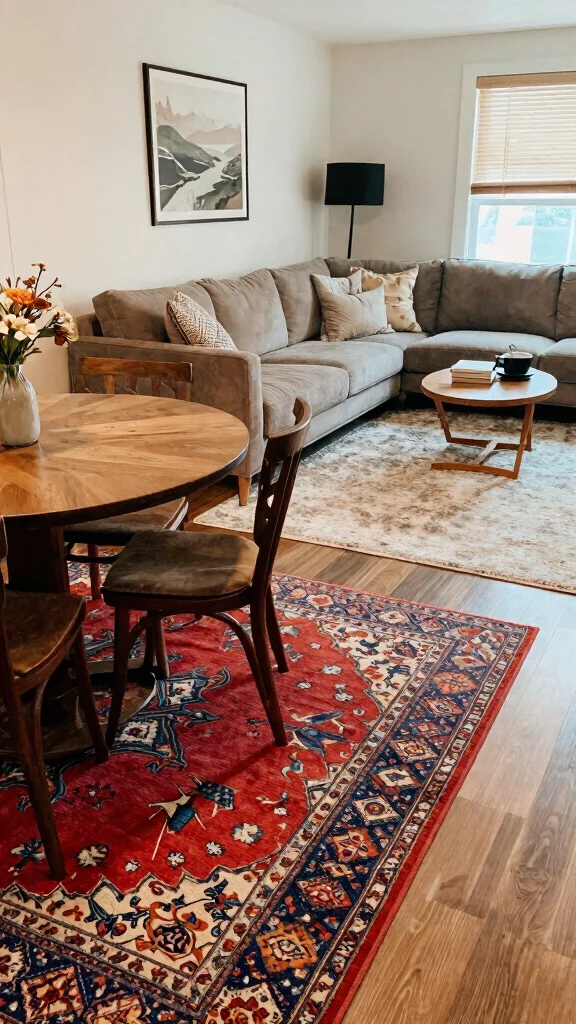
Area rugs can play a vital role in defining different zones within a combined living and dining room. A striking rug under the dining table can serve as a visual anchor, while a softer rug in the living area promotes a sense of comfort. Layering rugs adds both texture and warmth to your overall design.
When selecting rugs, ensure they are large enough to fit under your furniture, not just the table or sofa. Opt for complementary patterns and colors that unify both areas. A round rug in the dining zone can soften the angular lines of your furniture, enhancing the overall aesthetic.
Consider these tips for choosing area rugs:
– Ensure rugs are large enough to fit under furniture.
– Select complementary colors and patterns for a cohesive look.
– Use round rugs in dining areas to soften the design.
By thoughtfully choosing rugs, you can enhance both comfort and style while clearly defining each space.
Recommended Products

【Unique Contemporary Design】This black chandelier has 2 elegant “Y” shaped arms that reach out from the center in a distinctive interlocking shape, paired with 4 cylindrical glass shades to create a striking geometric silhouette. The modern glass chandelier body is crafted from high quality metal with a matte finish for a premium and classy texture. The transparent glass shades are like a light veil, gently wrapping the light and scattering it softly. The shades and the metal body reflect each other, perfectly blending the ruggedness of the industrial style with the sophistication of the glass, highlighting the unique style.
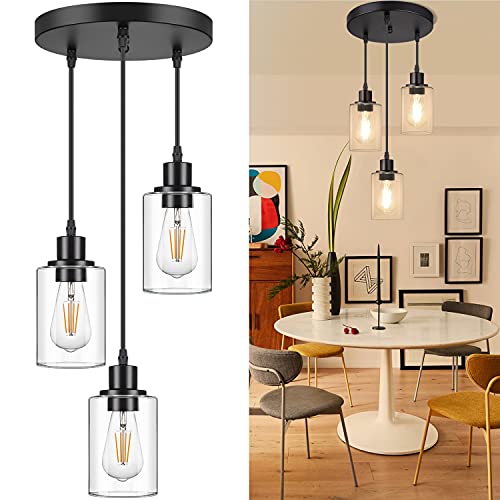
Adjustable Height & Modern Design: The pendant light's three adjustable cables let you set the height up to 34.45 inches. With a black finish and clear glass shade, it combines modern and classic styles, adding a touch of brilliance to any space.
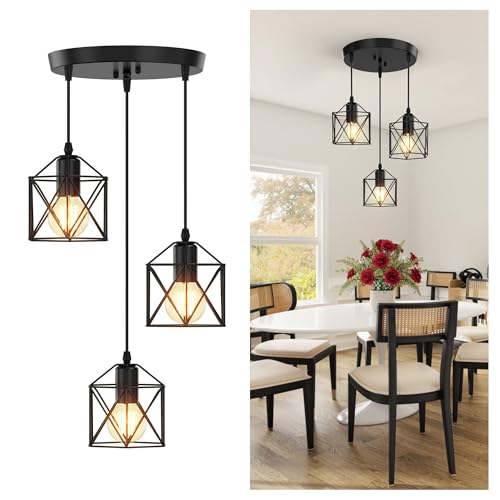
Customizable Lighting for Your Home:Transform your space with our 3-light pendant lighting, designed to fit your lifestyle. Featuring adjustable cords, you can easily customize the height to match your ceiling, whether it’s above your kitchen island, dining table, or bar area. The matte black finish and farmhouse-inspired design add a touch of industrial elegance to any room, making it a perfect centerpiece for modern or rustic decor.
7. Incorporate Art and Decor
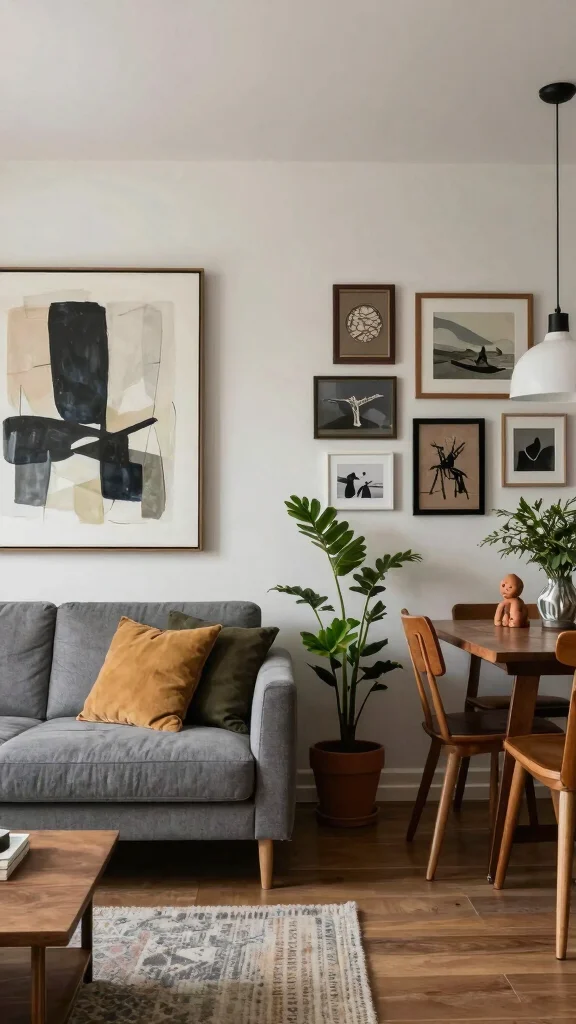
Art and decor are essential elements that can transform a combined living and dining space. Use artwork to create focal points that separate the areas, or hang a large piece behind the sofa to define the living zone. Adding decor items like plants, candles, and sculptures draws attention to each space while infusing personality.
To make the most of your art and decor, consider creating a gallery wall that connects both areas through a common theme. Choose decor that complements the color schemes of each zone, and incorporate various textures for visual interest. This strategy ensures your space feels cohesive and uniquely yours.
Here are some ideas for incorporating art and decor:
– Create a gallery wall to unify both spaces.
– Choose decor that matches color schemes in each area.
– Mix textures for added depth and intrigue.
Art adds character and can spark conversation, making your combined space feel inviting and personal.
Recommended Products
Machine Washable & Easy to Clean: The surface features water-repellent performance for simple cleanup when drinks spill accidentally, reducing the chance of liquid soaking deep into fibers. You can wipe spills quickly with a towel, remove local stains via spot cleaning with a damp cloth, or regularly vacuum for daily upkeep. The whole rug supports machine washing for deeper cleaning

Designed to withstand everyday wear, this 4' 1 x 6' 1 area rug is the perfect size for living rooms, bedrooms, and home offices, or anywhere you want to add a touch of vintage charm.

Machine Washable & Easy to Clean: The surface features water-repellent performance for simple cleanup when drinks spill accidentally, reducing the chance of liquid soaking deep into fibers. You can wipe spills quickly with a towel, remove local stains via spot cleaning with a damp cloth, or regularly vacuum for daily upkeep. The whole rug supports machine washing for deeper cleaning
You might also like
8. Keep Furniture Arranged for Flow
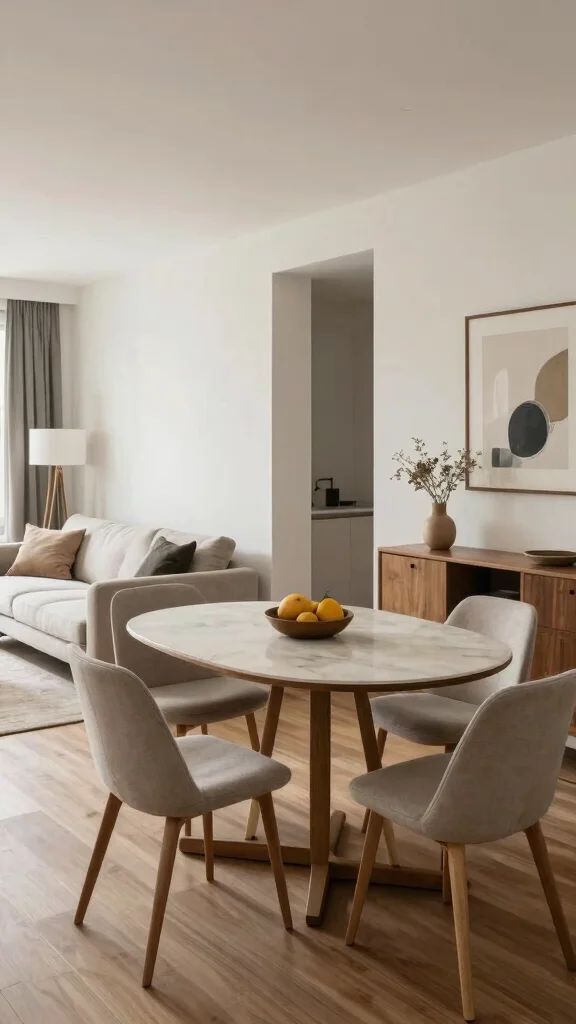
The way you arrange your furniture can significantly influence the flow of your combined living and dining room. Aim for a layout that facilitates easy movement, avoiding heavy pieces that block pathways. Use smaller, lighter furniture that can be rearranged effortlessly to create an open, airy feel.
To optimize your furniture arrangement, position the dining table away from walls to encourage conversation. Angling furniture can introduce visual interest while maintaining open space. Narrow console tables can act as dividers without closing off areas, enhancing both functionality and style.
Here are some furniture arrangement tips:
– Position the dining table away from walls to promote interaction.
– Angle furniture for visual interest and openness.
– Use console tables to separate zones without blocking flow.
Thoughtful furniture arrangement fosters a natural flow, enhancing the overall experience of your home.
Recommended Products

Multi-functional Table: UNIQUITE 4 in 1 Multi-Function coffee table is a great choice for small apartments,dorms,and dens. Its two-tone distressed vintage finish delivers a naturally aged feel and creates a cozy and retro vibe. Closed size:19.7"D x 39.4"W x 21.8"H, fully expanded size:39.4" x 39.4"W x 25.98"H (TIPS: LOWER TABLE MUST BE RAISED FIRST TO AVOID DAMAGE. )

Multi-functional Table: UNIQUITE 4 in 1 Multi-Function coffee table is a great choice for small apartments,dorms,and dens. Its two-tone distressed vintage finish delivers a naturally aged feel and creates a cozy and retro vibe. Closed size:19.7"D x 39.4"W x 21.8"H, fully expanded size:39.4" x 39.4"W x 25.98"H (TIPS: LOWER TABLE MUST BE RAISED FIRST TO AVOID DAMAGE. )
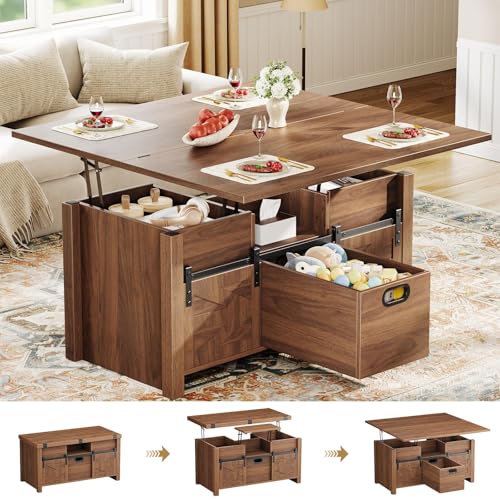
[Lift-top Design/4-in-1 Multiple Uses] This lift top coffee table transforms effortlessly into three functional modes,a standard rustic coffee table,a height-adjustable office desk for ergonomic work,and a flip-top dining table that comfortably seats 4-8 people,adapting to your daily needs from relaxing to working and entertaining.
9. Utilize Built-In Storage
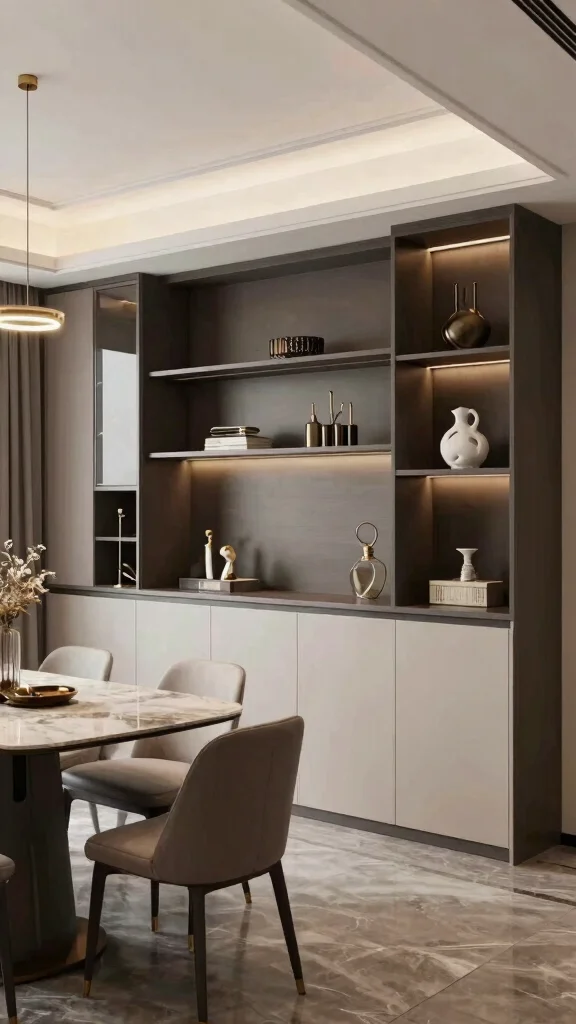
Built-in storage solutions are ideal for maximizing every inch of a combined living and dining room, especially in tighter spaces. Installing shelving units or cabinets that accommodate both dining essentials and living room accessories keeps your space organized and visually appealing.
To make the most of built-in storage, focus on designs that match your decor for a seamless look. Custom solutions can effectively utilize wall space and reduce clutter, making your home feel larger. This approach aligns with contemporary trends emphasizing minimalism and organization.
Consider these benefits of built-in storage:
– Reduces clutter with designated spots for items.
– Can be tailored to match your overall decor style.
– Efficiently uses wall space, enhancing the room’s feel.
Custom built-ins allow you to showcase decor while keeping essentials neatly tucked away.
10. Create a Multi-Use Table
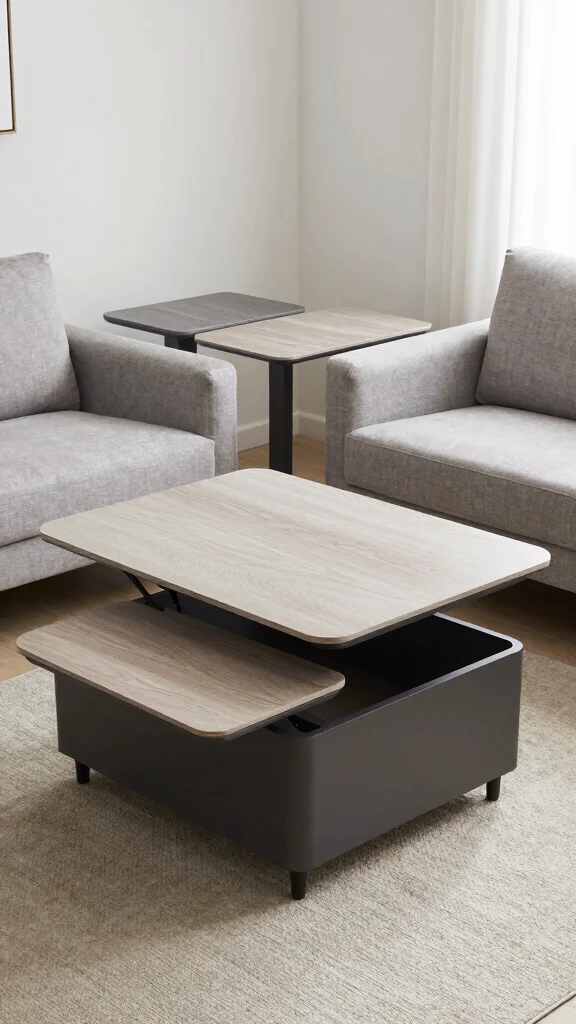
Incorporating a multi-use table can significantly enhance the functionality of your combined living and dining room. Look for a coffee table that expands into a dining table or a console table that doubles as a workspace. This versatility is especially valuable in smaller spaces where every piece of furniture needs to serve multiple purposes.
When selecting a multi-use table, consider options that are stylish yet functional. Research brands that specialize in innovative designs or explore DIY projects that allow for customization. This adaptability promotes a dynamic living environment tailored to your lifestyle.
Explore these creative multi-use table ideas:
– Choose a coffee table with a lift-top for dining and storage.
– Use a console table for serving during gatherings.
– Opt for nesting tables for extra surface area when needed.
A versatile table enables you to easily adapt your space for various activities, enhancing your living experience.
11. Keep It Minimalistic
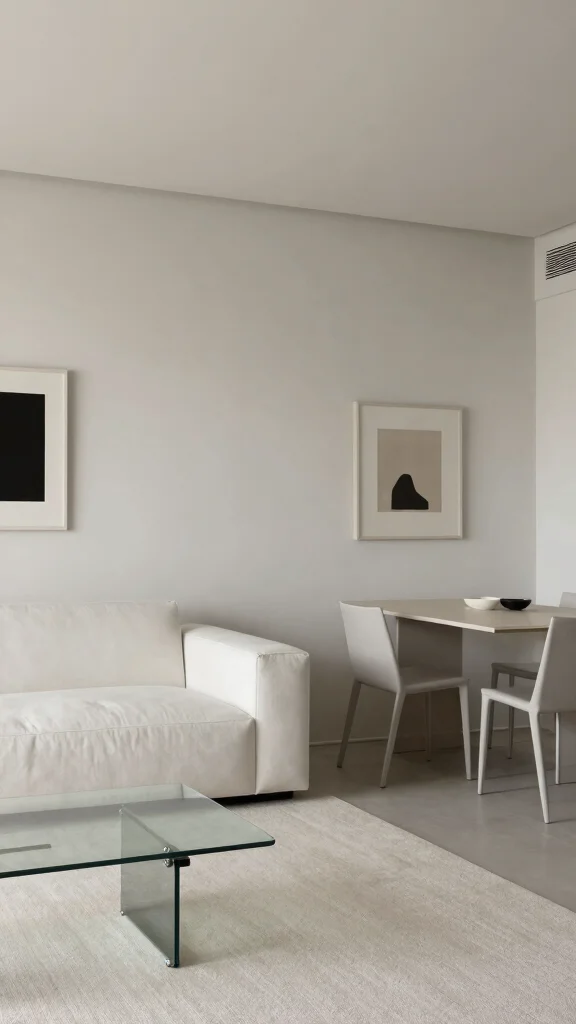
Adopting a minimalist design philosophy can create a serene atmosphere in your combined living and dining room. By focusing on fewer, statement pieces rather than cluttering your space with numerous decorations, you’ll foster an open and uncluttered feel.
To embrace minimalism, choose a neutral color palette that promotes tranquility and select quality over quantity in your furniture and decor. Incorporating hidden storage solutions can help keep items out of sight, contributing to a clean aesthetic. This approach ensures your home remains elegant and sophisticated.
Consider these minimalist decor tips:
– Opt for a neutral color scheme for tranquility.
– Prioritize quality furnishings and decor items.
– Utilize hidden storage to maintain a tidy environment.
This strategy creates a more spacious feel while maintaining an elegant and refined aesthetic.
12. Personal Touches Matter
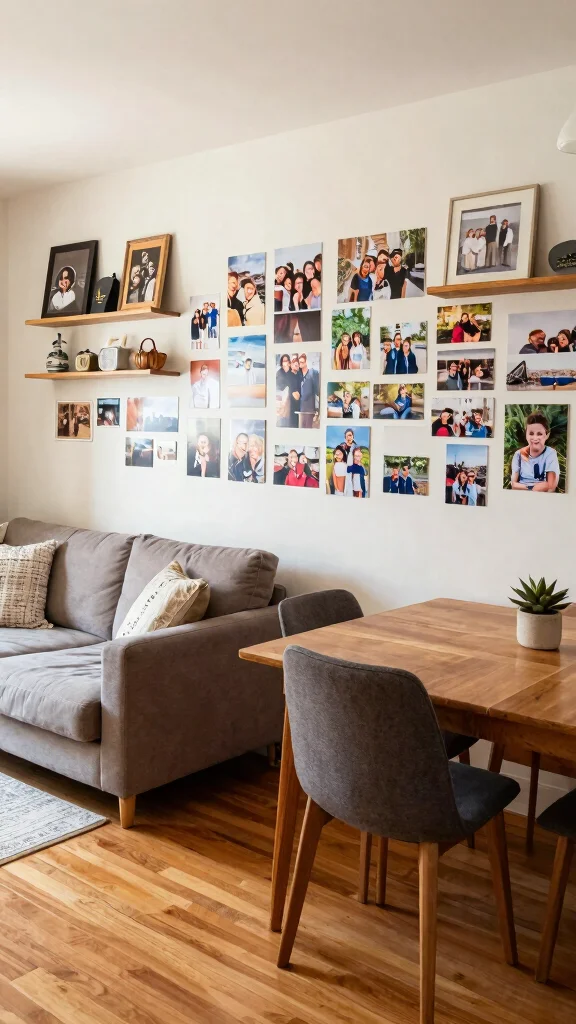
Your living and dining areas should reflect your unique personality and style. Infusing personal touches like family photos, travel souvenirs, or handmade decor items can transform the combined space into a warm and inviting environment for you and your guests.
To add personal elements, consider creating a photo wall that connects both areas or using decorative pieces from your travels to spark conversation. Incorporating handmade items showcases your creativity and adds authenticity to your decor. This personalization ensures your space feels genuinely yours.
Here are some ways to add personal touches:
– Create a cohesive photo wall connecting both areas.
– Use decorative travel items for storytelling.
– Incorporate handmade decor to showcase creativity.
Personal touches make your combined room feel uniquely yours, reflecting your lifestyle and character.
You Might Also Like
13. Flexible Seating Options
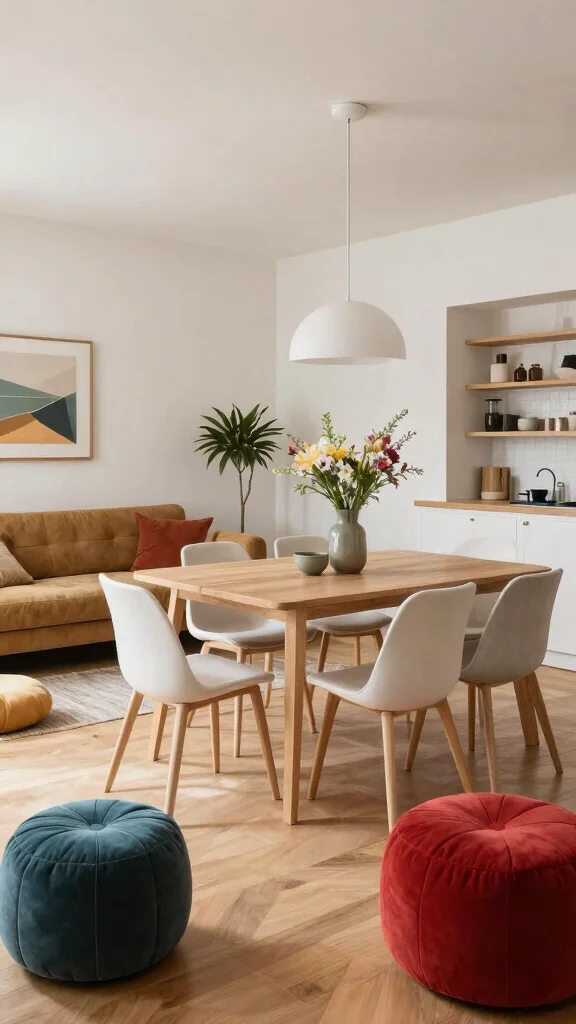
Flexible seating solutions can adapt to the diverse needs of your combined living and dining room. Lightweight chairs, poufs, or bench seating can be easily moved for gatherings or day-to-day use, maximizing comfort without sacrificing space.
When considering flexible seating, look for options that can be stored away when not in use. Incorporating poufs that double as footrests or benches that can be placed against a wall enhances functionality. This versatility is essential for creating a welcoming and adaptable environment.
Here are some flexible seating ideas:
– Choose folding chairs for easy storage.
– Incorporate poufs for additional seating and comfort.
– Use a bench for versatile seating arrangements.
These options ensure your space remains functional and adaptable, accommodating whatever your day brings.
14. Infuse Nature with Indoor Plants
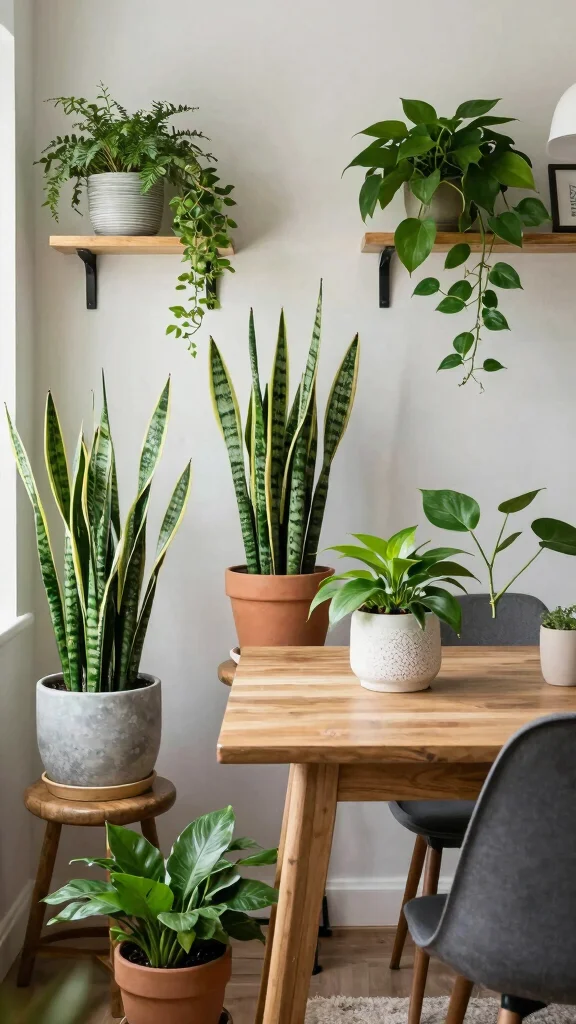
Bringing nature indoors is a fantastic way to enhance the ambiance of a combined living and dining room. Indoor plants not only purify the air but also introduce vibrant greenery that enlivens your space and adds a refreshing touch.
When selecting plants, opt for low-maintenance varieties like snake plants or pothos that thrive indoors. Pair them with decorative pots that complement your overall decor style. Creating a dedicated plant corner or utilizing shelves for greenery can add depth and texture to your design.
Consider these plant selection tips:
– Choose low-maintenance plants for convenience.
– Select decorative pots to match your decor.
– Create dedicated spaces for plants to enhance texture.
Indoor plants serve both aesthetic and functional purposes, making your space feel more welcoming and alive.
Fun fact: Indoor plants can improve air quality in a combined living and dining room. Some NASA-backed studies show certain plants remove up to 87% of toxins within 24 hours. Keep it practical with low-maintenance varieties like snake plants or pothos.
15. Accessorize Thoughtfully
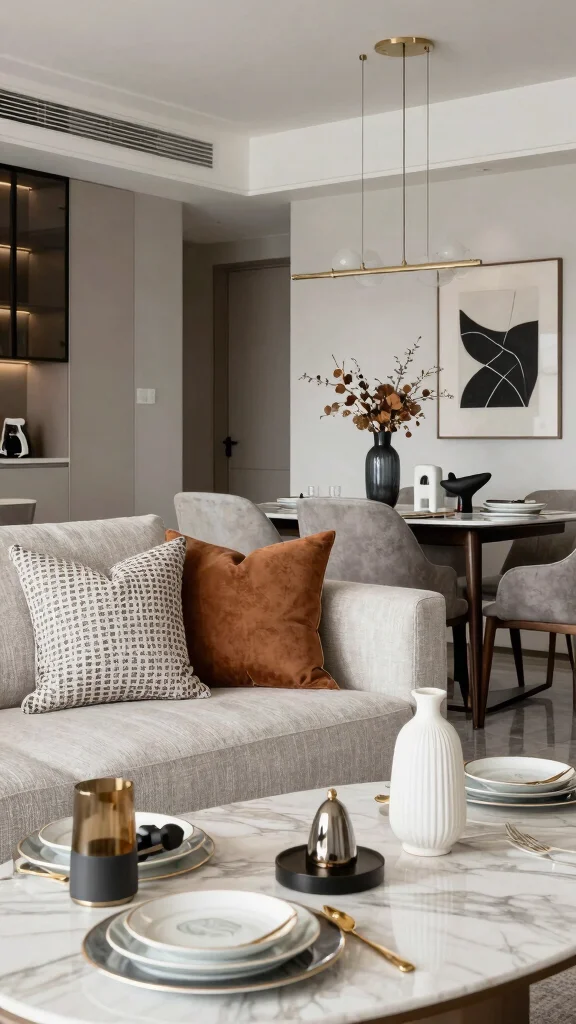
Thoughtful accessorizing can significantly influence the vibe of a combined living and dining room. By bridging the two areas with carefully chosen accessories, you can create harmony while ensuring each zone feels complete and intentional.
To achieve a cohesive look, consider using similar colors or patterns in cushions and textiles to connect both areas. Incorporate statement accessories like bold vases or unique sculptures to enhance visual interest. Thoughtful table settings can also reflect your decor style while remaining practical for everyday use.
Here are some accessorizing tips:
– Use matching colors or patterns in cushions for unity.
– Incorporate standout accessories for visual impact.
– Arrange practical yet stylish table settings.
Thoughtful accessorizing allows you to personalize your space while ensuring everything feels integrated and well-designed.
Conclusion
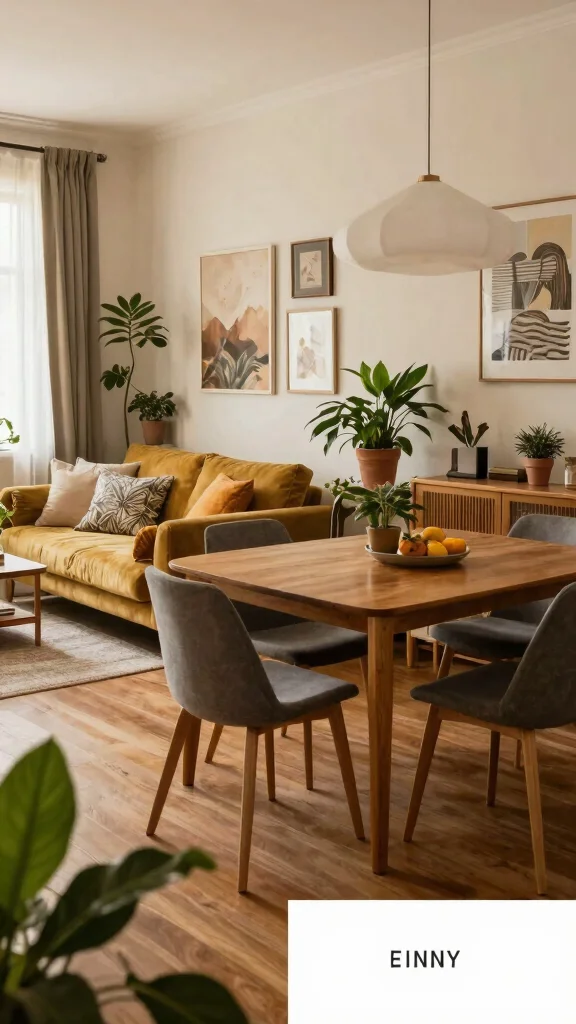
Designing a combined living and dining room in a small space can be a rewarding adventure that combines creativity and functionality. By applying these smart zoning tips and embracing style, you can transform your area into a welcoming home that reflects your personality.
Explore these ideas to inspire your own layout, and don’t hesitate to mix and match solutions that work for you. Creating a harmonious environment is all about experimentation and finding what truly resonates with your lifestyle.
Frequently Asked Questions
What are the best strategies for creating a combined living and dining room in a small space?
Start with a thoughtful open concept design mindset to make the combined living and dining room feel larger.
Choose space-saving furniture that can multitask, like a sofa with built-in storage or a dining bench, to maximize floorspace. Plan multifunctional layouts by letting living and dining areas share a cohesive rhythm—repeat finishes and colors for a unified look. Use wall-mounted storage or slim profile pieces to reduce bulk, and use lighting and mirrors to keep the space bright. Finish with stylish zoning solutions (rugs, lighting, and plant placement) to define zones without walls.
How can I zone a combined living and dining area without walls?
Zoning without walls is all about clever styling and stylish zoning solutions. Start with a defining rug or flooring change to anchor each zone, then orient furniture to create natural boundaries. Place the sofa to face a focal point in the living area and align the dining table to separate the dining edge visually. A slim console or lightweight bookcase behind the sofa can act as a divider without closing off the space, while coordinated lighting and color blocks reinforce the separation.
What are some space-saving furniture ideas for a combined living and dining room?
Think vertical and multifunctional. Consider a space-saving furniture lineup like a wall-mounted drop-leaf or flip-top dining table, extendable dining tables that collapse when not in use, and nesting coffee or side tables. Add a storage bench or slim sideboard for hidden storage and extra seating. Floating shelves and tall, slender storage units help keep the floor clear while maintaining open concept design.
How can I maintain a cohesive interior design when mixing living and dining areas?
Use a consistent color palette and materials to tie both zones together. Follow interior design tips such as repeating textures (wood, metal, fabric) and aligning hardware across furniture. Embrace open concept design principles with clear sightlines and balanced scales, and design multifunctional layouts where each piece serves more than one purpose while visually linking the spaces.
What are common mistakes to avoid when designing a small open concept living and dining space?
Common pitfalls include crowding the floor with oversized pieces and creating awkward traffic flow. Avoid mismatched scales between the living and dining furniture, and neglecting storage—clutter quickly makes a small space feel chaotic. Ensure good lighting for both zones and use stylish zoning solutions to delineate areas without walls. Plan for electrical outlets and accessible seating so the space remains flexible and functional.
Related Topics
combined living and dining room
open concept design
space-saving furniture
multifunctional layouts
interior design tips
stylish zoning solutions
small space living
modern decor
design hacks
beginner friendly
easy updates
trending home decor
Leave a Reply