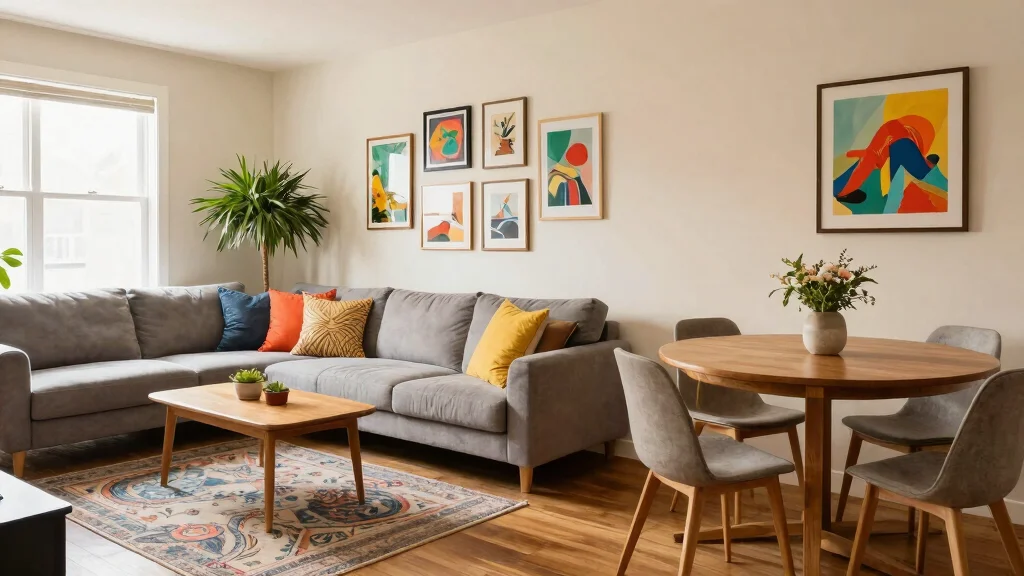
Creating a cozy and functional living space can be a challenge, especially when you have a small home or an open concept layout. With the right ideas, though, you can transform your living room with dining area into a stylish and practical haven. This post is all about providing you with 15 inspiring ideas that make the most of your limited space while keeping it welcoming and chic.
If you’re someone who appreciates clever design and multifunctional furniture, you’re in the right place. Whether you’re a city dweller with a compact apartment or a homeowner seeking to maximize an open living area, these tips are tailored for you. You’ll find solutions that blend comfort with style, helping you create a living and dining space that feels spacious, inviting, and uniquely yours.
Get ready to explore innovative furniture solutions, cozy dining nooks, and modern decor ideas that will elevate your home. You’ll discover practical tips that can be easily implemented, regardless of your design expertise. By the end of this journey, you’ll have a treasure trove of inspiration to craft a living room with dining area that truly feels like home.
Key Takeaways
– Maximize Space: Utilize multifunctional furniture like sofa beds and nested tables to save space while maintaining comfort.
– Cozy Dining Nooks: Create intimate dining areas using corner seating and small tables to enhance your living room ambiance.
– Stylish Room Dividers: Use creative room dividers to designate spaces without sacrificing openness, ensuring both areas feel connected.
– Personal Touches: Incorporate personal decor and color schemes to create a cohesive look that reflects your style and makes the space feel inviting.
– Lighting & Textures: Use artful ceiling fixtures and varied textures to add depth and warmth, making your living room with dining area a cozy retreat.
1. Cozy Corner Dining Nook
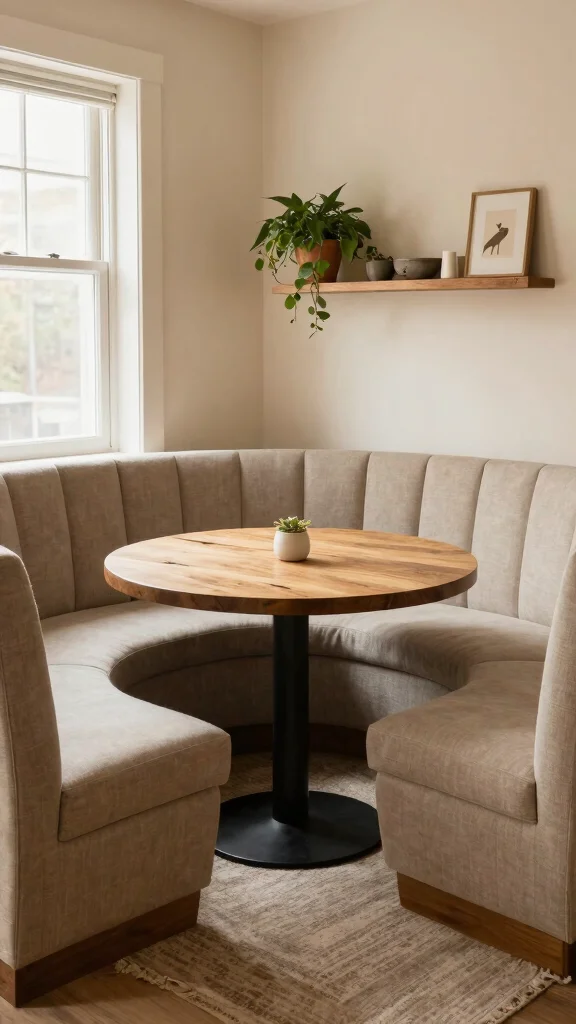
A cozy corner dining nook turns an overlooked space into a delightful gathering spot. Picture a small round table set against a wall, embraced by soft banquette seating or stylish bistro chairs, creating an inviting atmosphere. This setup thrives on natural light, especially if you position it near a window, allowing you to enjoy meals with a picturesque view. Adding decorative cushions not only enhances comfort but also infuses personality, while a shelf above can showcase plants or cherished decor items.
To bring this vision to life, consider these tips: look for budget-friendly, space-efficient furniture, and use light colors to enhance the feeling of openness. Embrace the trend of cozy dining spaces that foster connection and warmth, making every meal feel like a special occasion.
Consider these elements to maximize this nook’s charm:
– Pair a round table with a built-in banquette.
– Install a shelf above the seating for decor.
– Use light, airy colors to expand visual space.
– Add cushions for comfort and style.
A cozy corner dining nook enhances intimacy while making the most of your space, inviting warmth and character into your home.
Fun fact: A 42-inch round dining nook can seat four in a small living room with dining area without crowding the space. Position near a window to boost natural light, and add cushions to raise comfort by 20%.
2. Versatile Sofa Beds
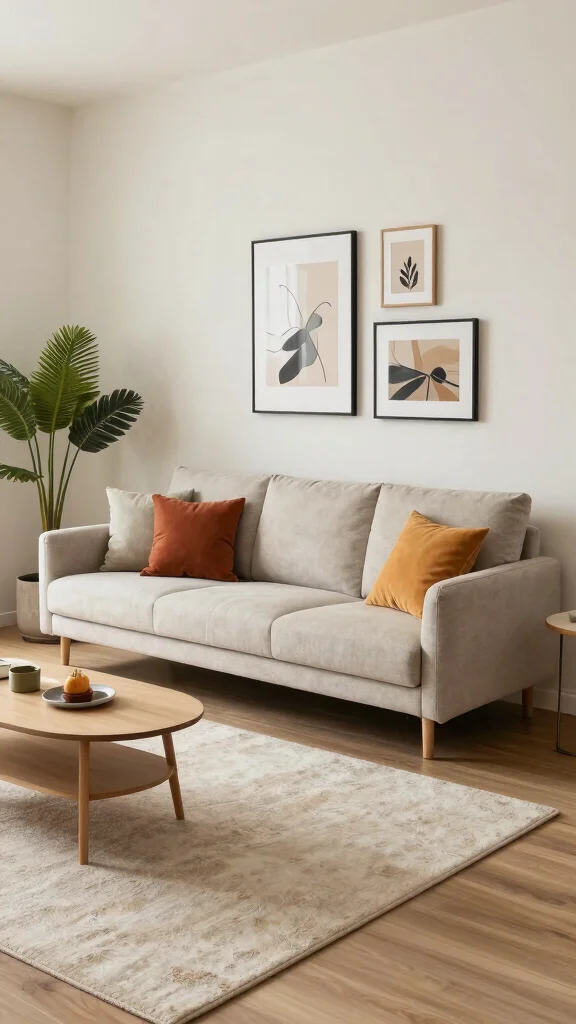
Versatile sofa beds are essential for maximizing functionality in small living spaces. They act as chic seating during the day and transform into cozy beds at night, providing comfort without compromising style. Choose a design that complements your decor—perhaps a sleek, neutral piece or a bold vintage statement. Selecting the right sofa bed ensures it fits seamlessly into your living room’s aesthetic while remaining practical for everyday use.
To maximize functionality, consider these practical tips: opt for models with integrated storage for bedding, and prioritize comfort to ensure your guests sleep soundly. This dual-purpose furniture aligns with the trend of multifunctional living, allowing you to host without sacrificing style or space.
Here are some key considerations:
– Opt for a model with hidden storage for linens.
– Ensure the mattress is comfortable for overnight stays.
– Choose slipcovers for easy cleaning.
Versatile sofa beds are perfect for small homes, allowing you to entertain guests while maintaining a stylish atmosphere.
3. Nested Tables for Space Savers
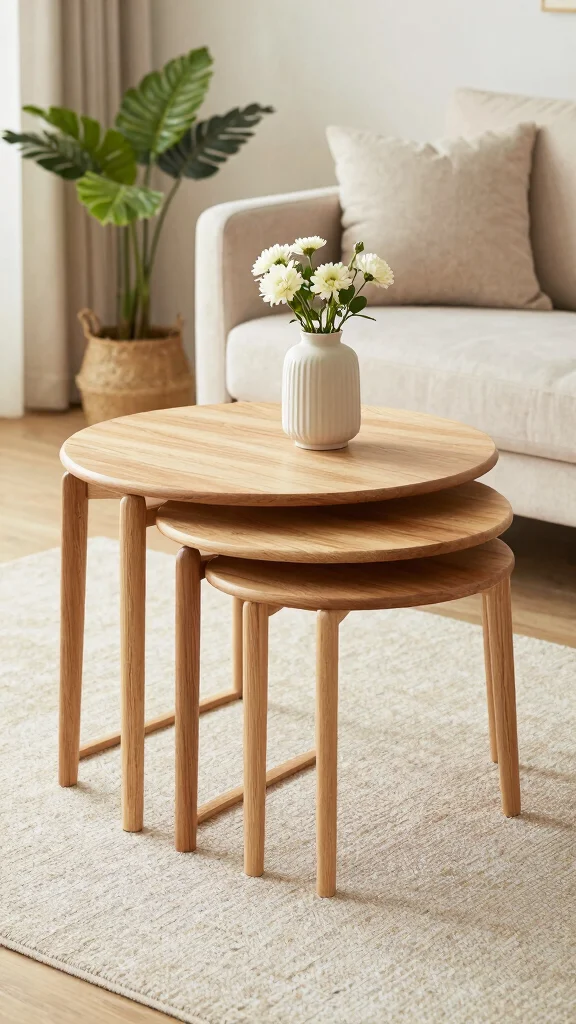
Nested tables are a smart solution for small living rooms that incorporate dining spaces. These tables can be easily separated for meals and entertaining, then tucked away to save space when not in use. Choose designs in materials like wood or metal that align with your overall decor style, adding function without sacrificing aesthetics. When not actively used, they can serve as stylish accent pieces, enhancing the room’s character.
To effectively utilize nested tables, consider these tips: select designs that harmonize with your main furniture, and ensure they are lightweight for easy rearrangement. This approach not only optimizes space but also embraces the current trend of adaptable living solutions.
Implement these strategies:
– Look for nested tables that complement your main decor.
– Use them to create visual interest with varying heights.
– Ensure lightweight materials for easy movement.
By incorporating nested tables, you can enhance your space without sacrificing style or functionality.
🏡 Transform Your Space Like a Pro
Unlock the secrets to stylish living with our DIY guide for stunning makeovers in any home style.
4. Wall-Mounted Dining Solutions
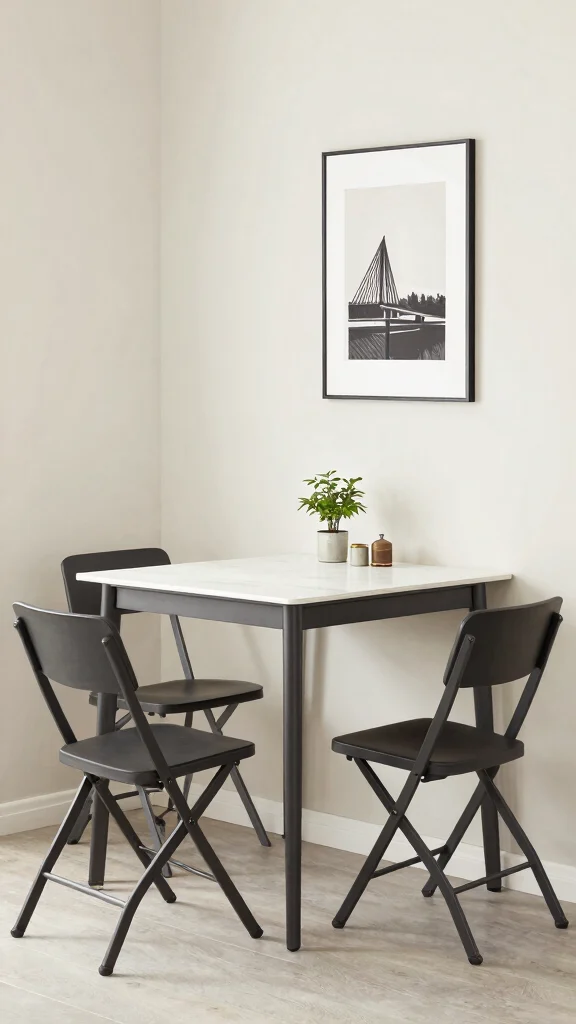
Wall-mounted dining solutions are ideal for maximizing functionality in compact homes. Think of a folding table attached to the wall, providing a dining surface that can be stowed away when not needed. This design offers immense flexibility while maintaining an open and airy feel, perfect for smaller spaces.
For practical implementation, consider pairing your wall-mounted table with chairs that can also be stored away. Enhance the area with decorative wall art or shelving that adds personality to the space. This trend promotes a clean and organized look, making everyday dining a breeze.
Incorporate these ideas:
– Pair with wall-mounted chairs for easy storage.
– Use art or shelves to enhance visual interest.
– Choose easy-to-clean materials for practicality.
With wall-mounted options, you can adapt your living space into a functional dining area without permanent alterations.
5. Multi-Functional Ottomans
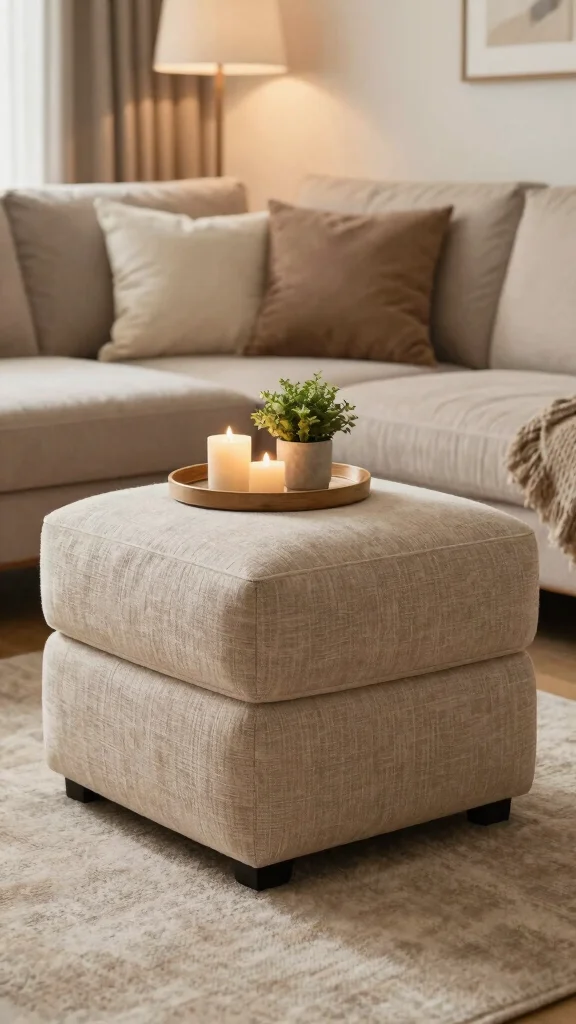
Multi-functional ottomans are a game-changer for small living rooms. These versatile pieces serve as footrests, extra seating for dining, or storage for essentials. Look for designs with a soft top that can double as a coffee table when paired with a tray, adding both style and utility.
To maximize their functionality, choose fabrics that align with your living room decor and ensure that the storage compartments are easily accessible. Opt for various shapes to suit your layout, enhancing both form and function in your space.
Keep these pointers in mind:
– Select a fabric that complements your existing decor.
– Ensure storage is easily accessible for convenience.
– Consider different shapes to fit your layout needs.
With a stylish ottoman, every piece of furniture can enhance both the aesthetic and functionality of your living area.
Did you know a multi-functional ottoman with hidden storage can reclaim up to 25% more floor space in a small living room with a dining area? They serve as footrests, extra seating, and a coffee-table surface—convenient, stylish, and practical.
6. Open Shelving Dining Displays
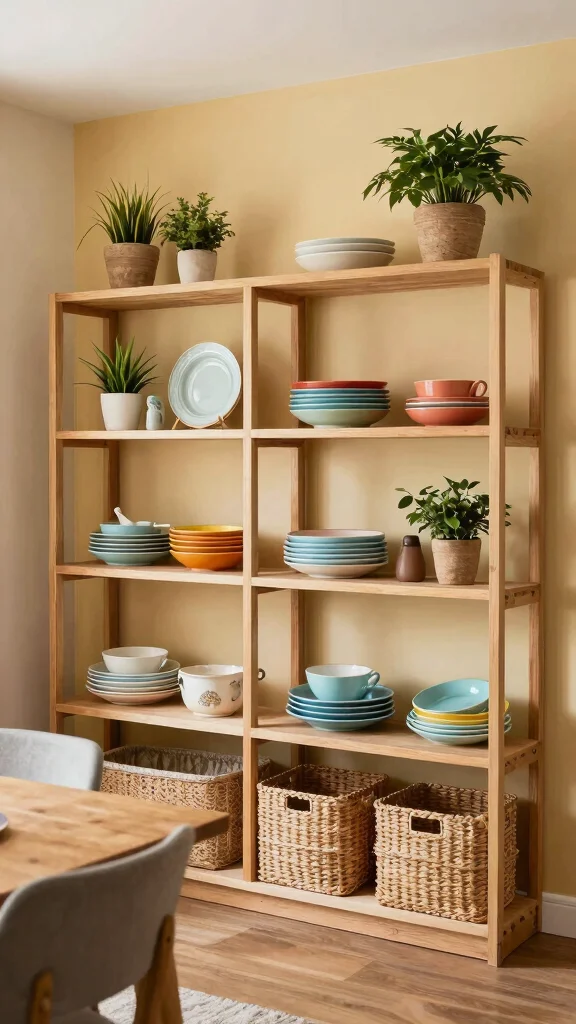
Open shelving in your dining area combines style and practicality effortlessly. By showcasing your dining essentials on open shelves, you not only make them easily accessible but also add a touch of character to the space. This setup works particularly well in open-concept designs, visually connecting the dining space to the living area.
To make the most of open shelving, curate your display with color-coordinated dishware for a cohesive look, and add decorative baskets for added texture. Incorporate plants for a fresh, lively touch that enhances the overall vibe of the space.
Consider these elements:
– Use color-coordinated dishware for a polished appearance.
– Incorporate decorative baskets for texture and organization.
– Add plants for a breath of fresh air.
Open shelving not only provides practicality but also creates a beautifully curated display of your favorite items.
Dimensions & Size Guide
Standard Sizes & Measurements:
When planning a living room with a dining area, knowing the right sizes can save you a lot of headaches. The standard size for a dining table is usually 30 inches in height, with widths and lengths varying based on the shape. For example, a round table can be 36-60 inches in diameter, while rectangular tables typically range from 60-72 inches long and 30-48 inches wide.
To ensure comfort, allow at least 36 inches of space around the table for chairs and movement. Sofas usually come in lengths of 72-96 inches, while loveseats range from 48-72 inches. Remember, these dimensions can change based on style and design, so always check the specific product details.
Quick Reference Table:
Size/Dimension – Best for: [use case], Minimum space needed: [measurement]
– 30″ height dining tables – Great for dining areas, Minimum space needed: 36″ around
– 72″ long sofa – Ideal for cozy living rooms, Minimum space needed: 108″ in length
– 48″ round table – Perfect for small dining nooks, Minimum space needed: 72″ diameter
– 36″ wide buffet – Useful for storage/display, Minimum space needed: 48″ in width
– 30″ coffee tables – Good for living room centerpieces, Minimum space needed: 36″ around
Space Planning Tips:
– Measure, Measure, Measure! Always measure your space before purchasing furniture. Sketching a floor plan can help visualize how your living room with dining area will flow. ✔
– Consider Traffic Flow. Keep clear paths between your living area and dining space. Ideally, pathways should be at least 36 inches wide for easy movement. 💡
– Think About Scale. Choose furniture that complements the size of your room. Overly large pieces can make a small space feel cramped while undersized furniture can look lost. 🚀
– Account for Seating. Ensure there’s enough room for chairs to slide out from the table. A good rule is to allow 24-30 inches of space for each chair. 🚪
– Don’t Forget About Height! Consider how tall your furniture is. A tall buffet may block light or a view, while short tables can make the room feel more spacious. 📏
Pro Tip: The most critical measurement to remember is the space between your dining chairs and the wall or furniture. This space should be no less than 36 inches. It ensures that your guests can pull out chairs without bumping into anything, creating a comfortable dining experience.
7. Creative Room Dividers
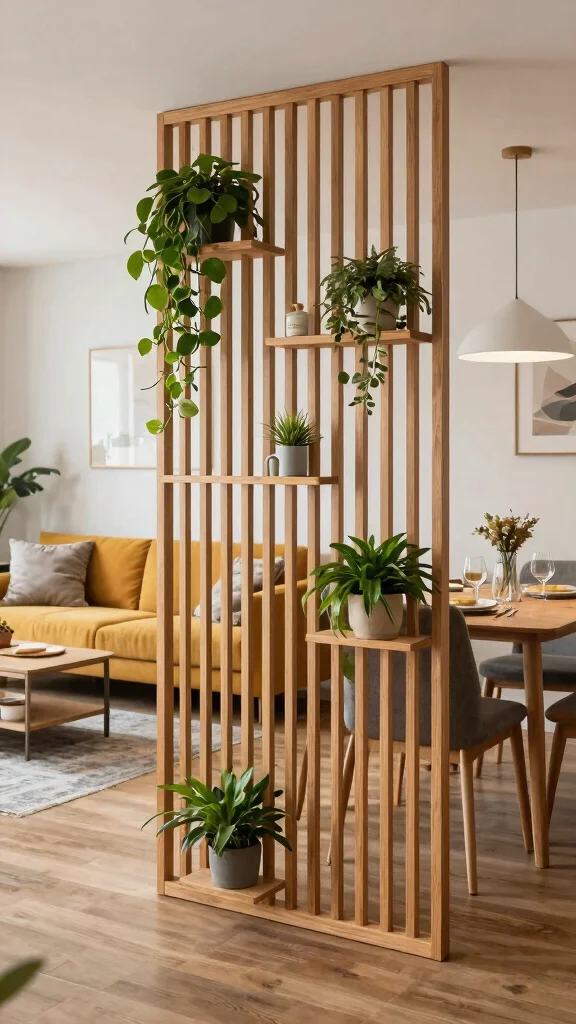
Creative room dividers are perfect for defining spaces in open-concept living areas. Use decorative screens or bookshelves to create a sense of separation for your dining area while keeping it open to the living room. This method allows for distinct zones while maintaining an airy feel throughout the space.
For effective implementation, consider using transparent materials to keep the openness, or tall plants as natural dividers that add greenery. Enhance the design by incorporating lighting elements around or on the divider for visual interest.
Try these strategies:
– Consider transparent materials for a light feel.
– Use tall plants for natural separation and greenery.
– Add lighting to illuminate the divider creatively.
Creative room dividers add personality and functionality to your home, making your space feel organized and unique.
You might also like
8. Color Coordination for Cohesion
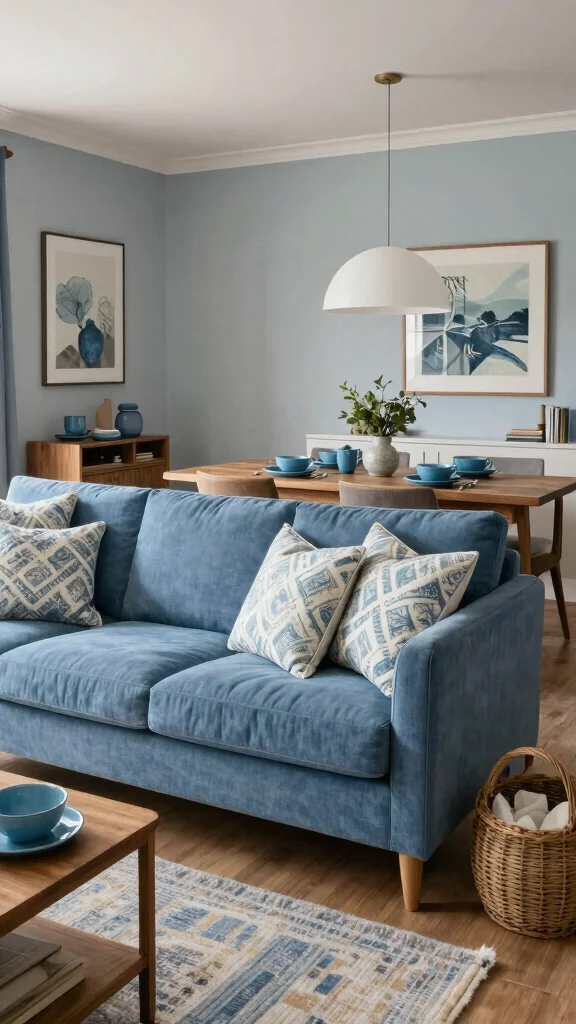
Color plays a crucial role in creating a harmonious flow between your living room and dining area. To unify these spaces, choose a color palette that resonates throughout. This can be accomplished with paint, furniture, or decorative accents that tie both areas together, making your home feel larger and more inviting.
For effective color coordination, utilize complementary shades to foster a cohesive atmosphere. Incorporate accessories in these unifying colors, and consider bold accents that add excitement without overwhelming the space.
Follow these suggestions:
– Use complementary colors to create harmony.
– Incorporate accessories in unifying shades for consistency.
– Embrace bold accents to spark interest.
Color coordination is a simple yet impactful strategy in small space design, enhancing the overall aesthetic.
9. Transformable Dining Tables
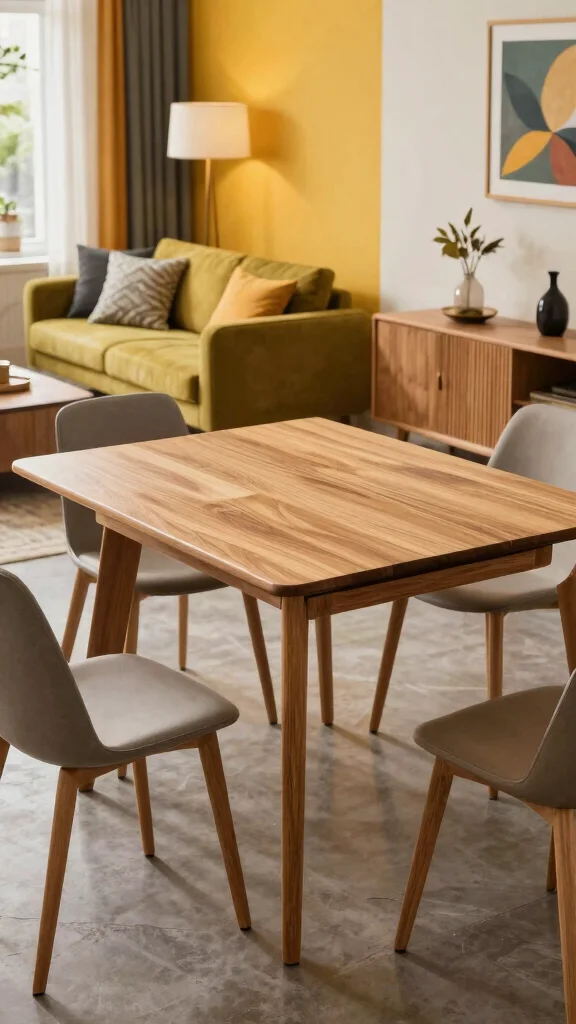
Transformable dining tables offer incredible versatility for small spaces. These tables can expand or contract based on your needs, allowing you to accommodate intimate dinners or larger gatherings seamlessly. Look for styles that blend with your existing decor while providing the practicality you need for entertaining.
To ensure functionality, choose durable yet stylish materials, and look for designs that offer easy extension options. This adaptive furniture aligns perfectly with the trend of multifunctionality in contemporary homes.
Keep these points in mind:
– Select durable materials that complement your decor.
– Look for easy extension features for convenience.
– Ensure the style fits both dining and living areas.
With a transformable dining table, you can be ready for any occasion that comes your way.
10. Incorporating Textures for Depth
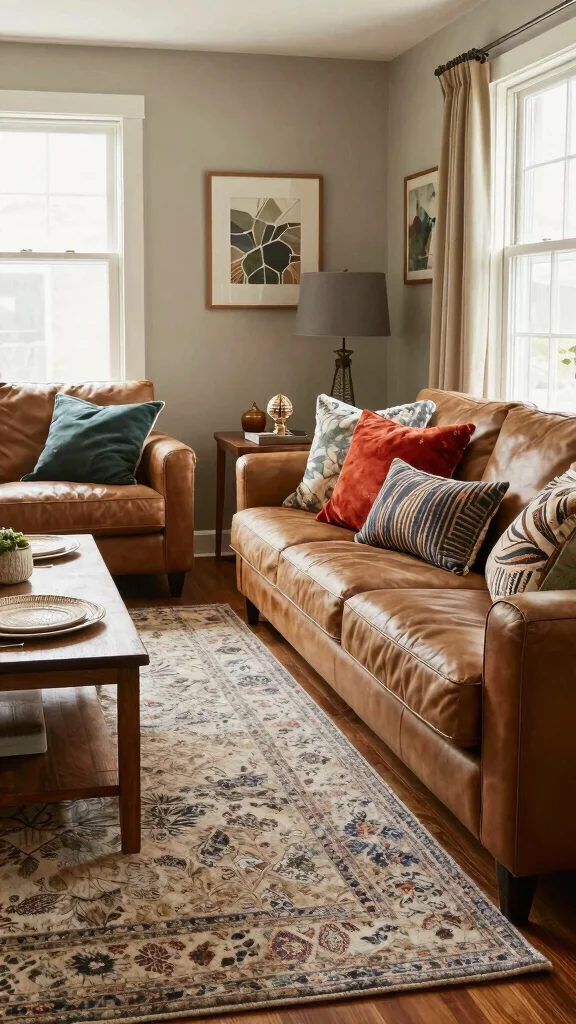
In small spaces, integrating various textures can add richness and interest to both your living and dining areas. Layering materials—like a plush rug beneath a wooden table or velvet cushions on a leather sofa—creates a warm and inviting environment. Textures help break the monotony of small spaces, making them feel vibrant and alive.
For a dynamic feel, mix fabrics such as cotton, wool, and linen to achieve a cozy atmosphere. Incorporate textured wall decor to create focal points, and consider the interplay between hard and soft surfaces for added depth.
Implement these strategies:
– Mix fabrics like cotton, wool, and linen for warmth.
– Use textured wall decor to create visual interest.
– Balance hard and soft surfaces for a layered look.
Embracing textures can transform your living space into a lively, welcoming environment.
11. Stylish Bar Carts
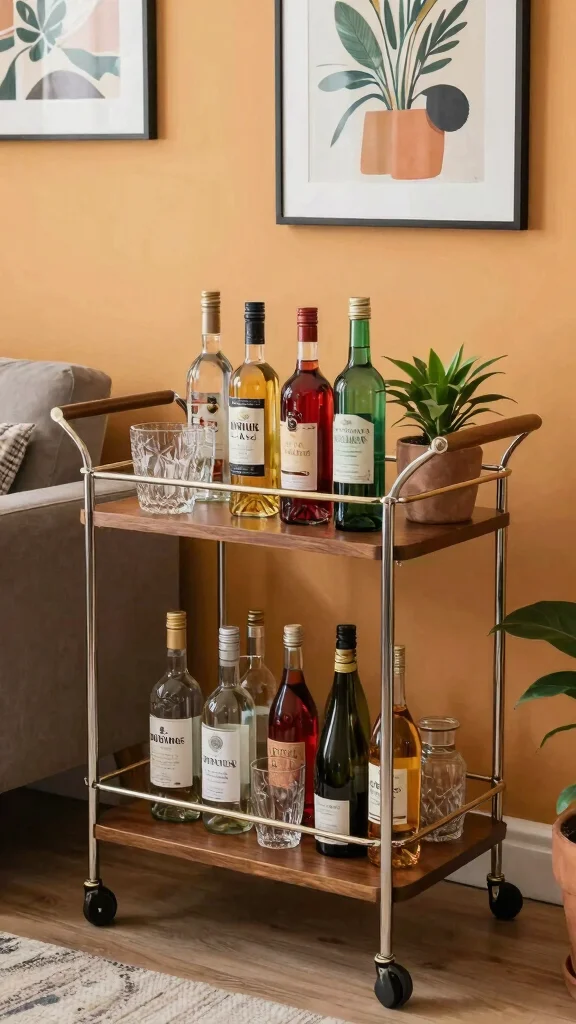
A stylish bar cart serves as a multifunctional addition to your living and dining area. Not only does it store your favorite drinks, but it also functions as a mobile serving station for entertaining guests. Choose a cart that matches your aesthetic—whether vintage, modern, or industrial—to enhance your decor.
To maximize its appeal, use the cart as a decorative piece when not in use and keep seasonal items or special occasion drinks readily available. Decorate it with plants or chic glassware to elevate its visual impact.
Consider these ideas:
– Use it as a decorative piece when not serving.
– Keep seasonal drinks easily accessible for entertaining.
– Style the cart with plants or elegant glassware.
A bar cart adds both flair and functionality to your home, making gatherings effortless.
12. Artful Ceiling Fixtures
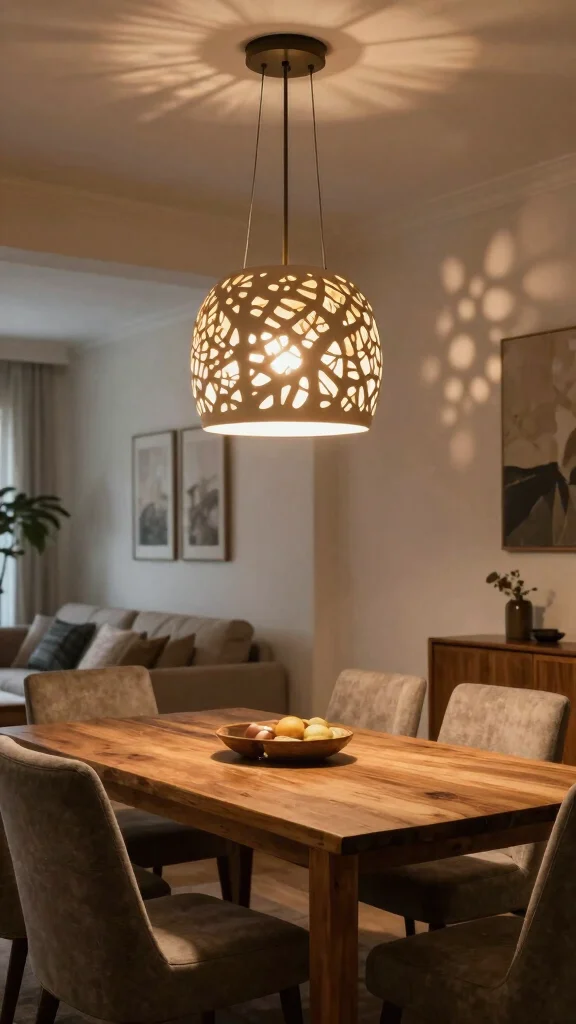
An eye-catching ceiling fixture can unify your living and dining areas while serving as a captivating conversation starter. Choose bold chandeliers or striking pendant lights that complement your overall theme, as lighting is pivotal in setting the mood for dining and relaxation.
To enhance functionality, select fixtures that offer adjustable brightness and consider layering your lighting with additional sources, like table lamps. Ensure the height of your fixture aligns well with the room’s scale for a balanced look.
Incorporate these suggestions:
– Choose fixtures with adjustable brightness for flexibility.
– Layer with lamps for a well-lit atmosphere.
– Ensure the fixture’s height complements the room.
Artful ceiling fixtures not only illuminate your spaces but also become stunning focal points, enhancing your decor.
Fun fact: A bold ceiling fixture can visually unify a living room with a dining area in one glance. Layer lighting with dimmable pendant lights and table lamps to save up to 30% on energy during dinners and late nights.
You Might Also Like
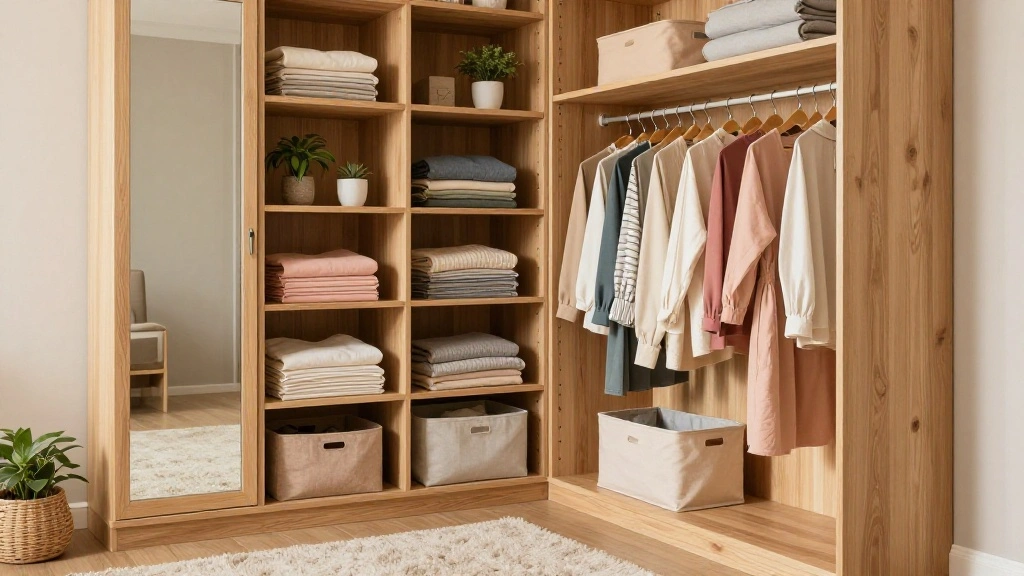
13. Use of Mirrors for Depth
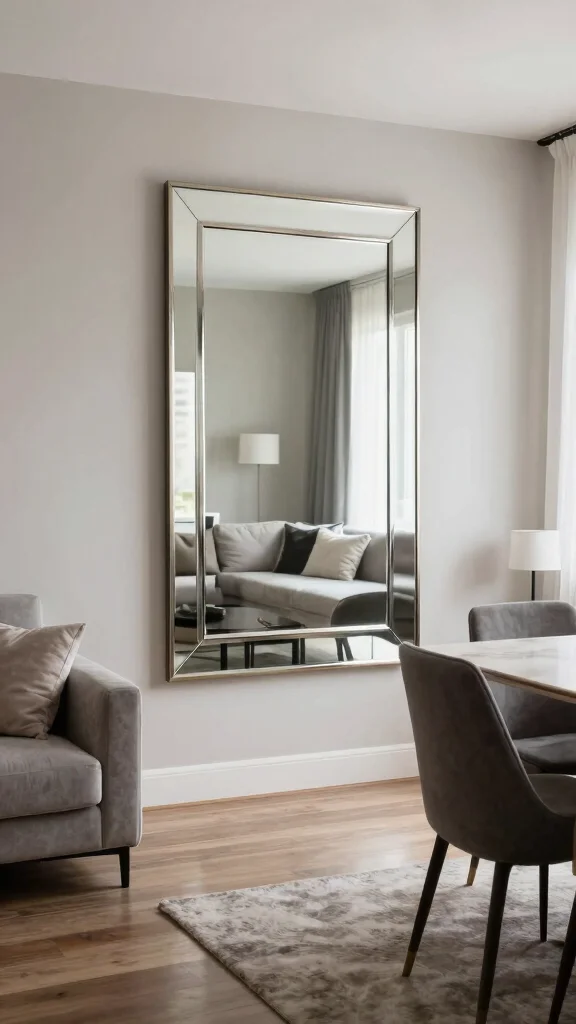
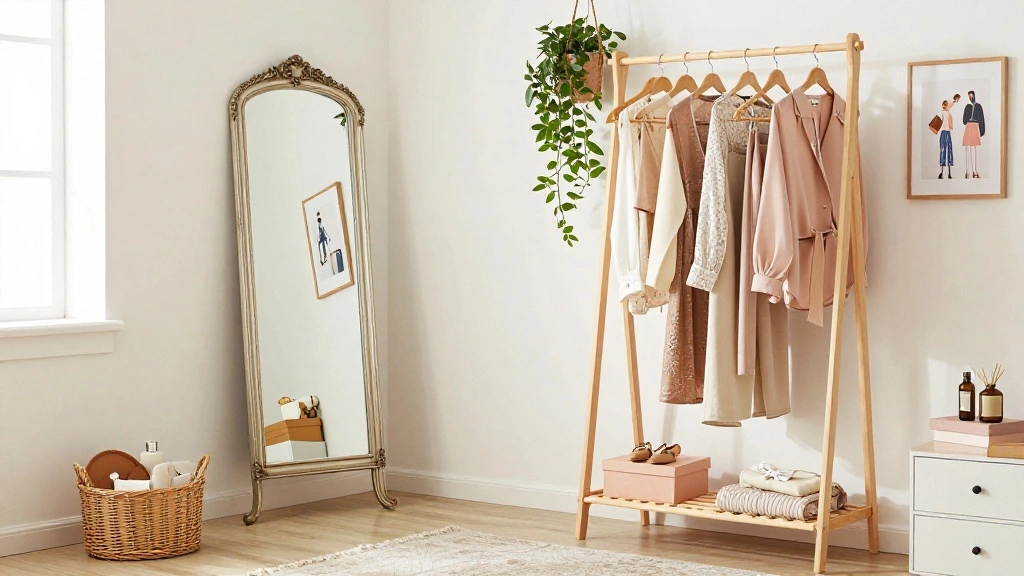
Mirrors are an excellent tool for creating the illusion of space in compact homes. They reflect light, making both your living and dining areas feel more expansive. Strategically placing a large mirror can enhance brightness and contribute to a more open atmosphere.
For a curated look, select framed mirrors that align with your decor style or create a gallery wall effect with multiple smaller mirrors. Position them to reflect outside views, adding interest and depth to your interior.
Implement these ideas:
– Choose framed mirrors that suit your decor.
– Use smaller mirrors for a gallery wall effect.
– Position mirrors to reflect outdoor views for added appeal.
Using mirrors wisely can open up your space while adding an elegant touch to your decor.
14. Area Rugs to Define Spaces
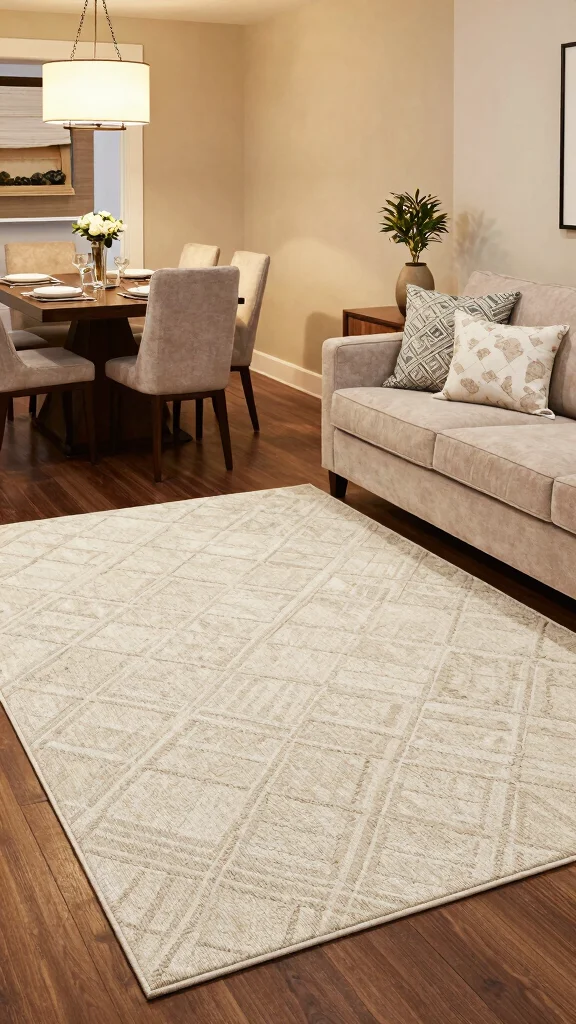
Area rugs serve as an excellent way to define distinct areas in an open-concept layout. A thoughtfully placed rug can visually separate your living room from the dining area, fostering a sense of organization without the need for walls. Look for rugs that complement your color scheme while providing texture to enrich the overall design.
For maximum effectiveness, choose a rug that fits the scale of your furniture and consider layering rugs for added interest. Opt for low-pile rugs for easy maintenance, ensuring practicality alongside style.
Keep these suggestions in mind:
– Select a rug that corresponds to your furniture scale.
– Layer rugs for depth and comfort.
– Choose low-pile rugs for easy upkeep.
Utilizing area rugs creates boundaries that ensure your small space feels organized and thoughtfully designed.
15. Personal Touches and Decor
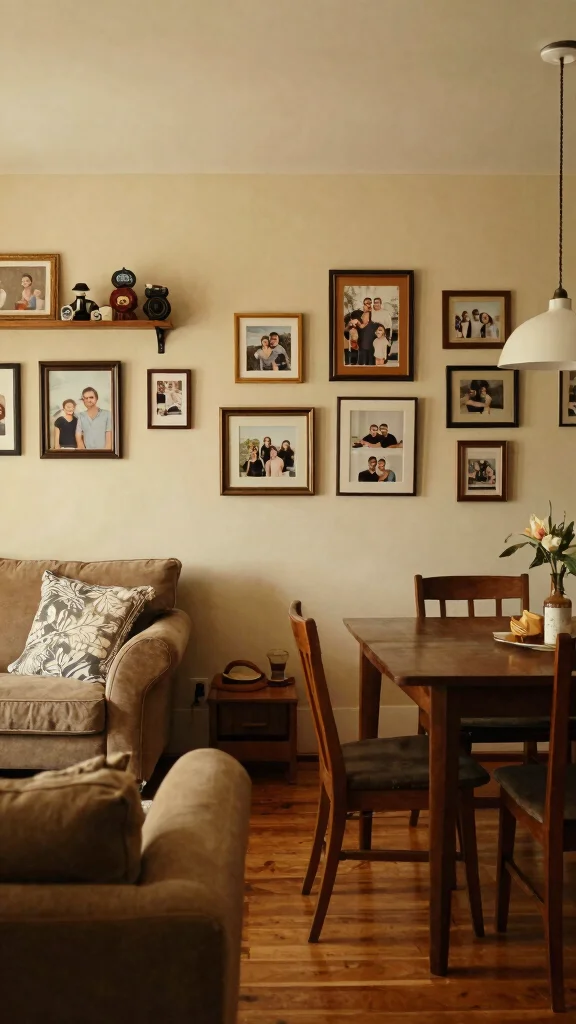
Personalizing your living and dining areas with decor that reflects your unique taste is crucial. Incorporate family photos, travel souvenirs, or handmade crafts that tell your story, making the space feel distinctly yours. These personal touches infuse warmth and character into your home.
For a dynamic display, mix framed and unframed art for visual interest, and include functional decor items that serve a purpose. Rotating decor seasonally can keep the space feeling fresh and inviting.
Consider these ideas:
– Use a combination of framed and unframed art for variety.
– Incorporate functional decor pieces for added utility.
– Rotate decor seasonally to maintain freshness.
Decorating with personal items will keep your space lively and truly reflective of who you are.
Conclusion
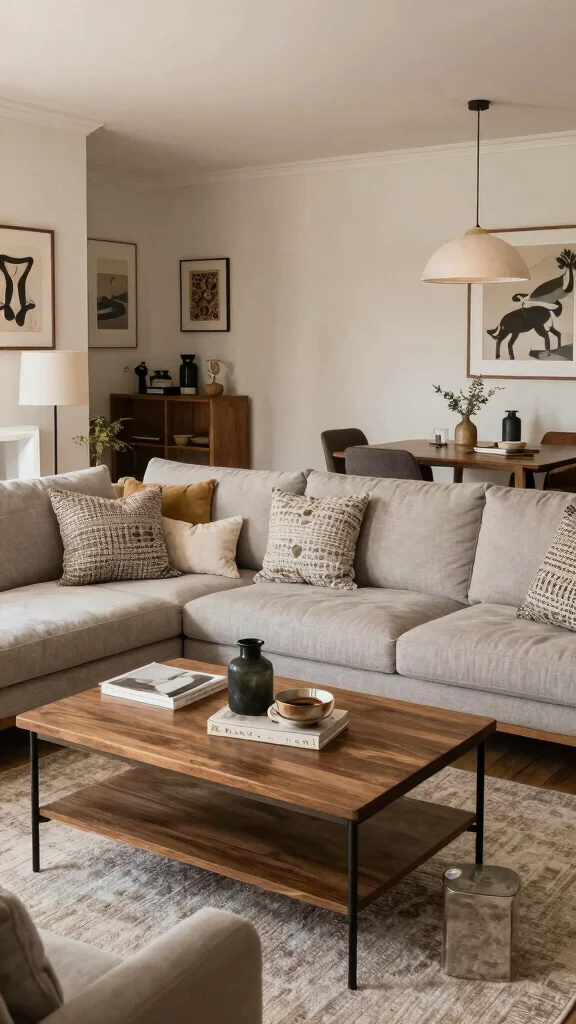
Creating a living room that seamlessly integrates with a dining area can be both fun and functional. With smart design choices, like multi-functional furniture and thoughtful decor, your small space can shine with personality and efficiency. Every corner can tell a story while serving a practical purpose. As you embark on your decorating journey, remember to blend style with your personal touch, making your home a reflection of you.
Frequently Asked Questions
How can I create a cozy dining nook in a living room with dining area for small spaces?
Create a cozy dining nook in a living room with dining area by combining compact, space-smart furniture with smart layout. Start with a small, extendable dining table or a slim console that doubles as a desk. Choose bench seating or armless dining chairs to maximize seating without crowding. Hang a pendant light right above the table to define the zone, and anchor it with a rug that fits under the table. Add a piece of multifunctional furniture like a storage ottoman or a sideboard that can hold dishes and linens. When done, your cozy dining nook will feel natural in your living room with dining area even in a small space design.
What are practical multifunctional furniture ideas for a living room with dining area?
Here are practical multifunctional furniture ideas for a living room with dining area: 1) a sofa bed or sleeper sectional for guests; 2) an ottoman with hidden storage that can double as extra seating; 3) a wall-mounted drop-leaf table that expands for meals; 4) a built-in banquette with storage under the seat; 5) a slim console behind the sofa that can work as a desk; 6) modular seating that reconfigures for dining or lounging; 7) a coffee table with open shelves; 8) a room divider that includes shelves. Pair these with a cohesive color palette and open concept living flow to keep spaces feeling airy.
How can I zone a small open space for living and dining without making it feel cramped?
To zone an open concept space without walls, use visual cues: layer with area rugs to define living and dining zones, keep a common color palette for cohesion, and choose low-profile furniture that doesn’t block sightlines. Place the dining table to create a clear traffic path from entry to living seating. Use lighting to separate zones: a pendant over the dining area and soft table lamps in the living zone. Consider a cozy dining nook built into a corner or along a wall and add a slim storage credenza behind the sofa for extra storage without crowding.
What color schemes and lighting work best for a modern decor in a small living room with dining area?
For modern decor ideas in a small space design, go light on color: soft whites, warm beiges, and natural woods. Use a single, cohesive color scheme across both areas to keep the space feeling open. Add texture with textiles and a few metallic accents. Lighting matters: combine overhead lighting with layered task lighting and wall sconces to brighten both zones. Choose furniture with clean lines and minimal bulk that fits the open concept living vibe, including living room with dining area specific pieces.
How can I maximize storage in a living room with dining area while keeping the space feeling airy?
Maximize storage in a living room with dining area by going vertical and under furniture. Install floating shelves and tall cabinets along walls, choose a storage bench or ottoman, and pick a dining set with built-in storage or a bench with drawers. Use a slim console behind the sofa for extra linens, tableware, or tech gear. Keep surfaces clear with baskets and organizers, and adopt a simple declutter routine to maintain an airy feel.
Related Topics
home decor
small space design
open concept living
multifunctional furniture
cozy dining nook
modern decor ideas
space-saving solutions
design on a budget
stylish layouts
easy updates
creative storage
functional aesthetics
Leave a Reply