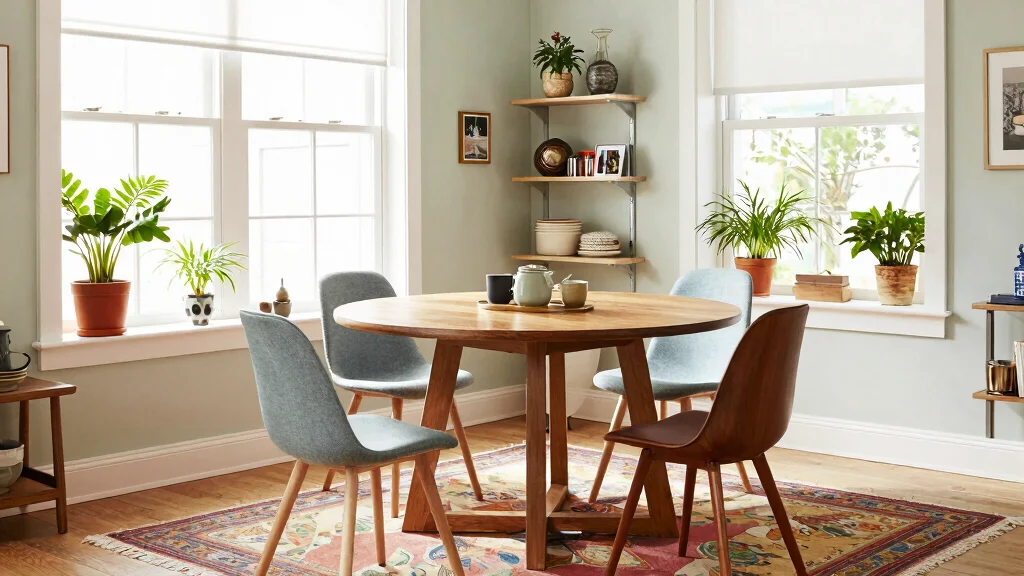
Creating a cozy dining space can feel challenging, especially when you’re working with limited square footage. If you’re like many, you might find yourself craving a bright and inviting dining area that feels more expansive than it truly is. This post is here to help you achieve that!
If you’re someone who wants to make the most out of your compact living situation, you’re in the right place. We all know that family meals and gatherings are essential, but small dining rooms can often be cramped and uninspiring. That’s why I’ve gathered 16 small dining room ideas that not only look great but also make your space feel larger and more open.
You’ll gain practical insights and creative tips that will transform your compact dining room into a stylish and functional haven. From clever storage solutions to smart furniture choices, these ideas will help you maximize your space without sacrificing style. Let’s dive in and explore ways to make your small dining room not just livable, but truly delightful!
Key Takeaways
– Embrace Light Colors: Light shades on walls and furniture can create an airy feel, making the room appear larger. Consider soft whites or pale pastels for a refreshing ambiance.
– Multifunctional Furniture: Invest in pieces that serve multiple purposes, such as a dining table that expands or a bench that doubles as storage. This helps to minimize clutter and maximize usability.
– Clever Use of Mirrors: Strategically placing mirrors can reflect light and give the illusion of depth, making your space feel more expansive.
– Incorporate Textiles Wisely: Layering textiles can bring warmth and comfort without overwhelming the space. Opt for light fabrics and avoid heavy drapes to keep the room feeling open.
– Create Focal Points: Draw attention to a particular aspect of the room, like a statement light fixture or a piece of art. This will distract the eye from the room’s size and add personality.
1. Embrace Light Colors
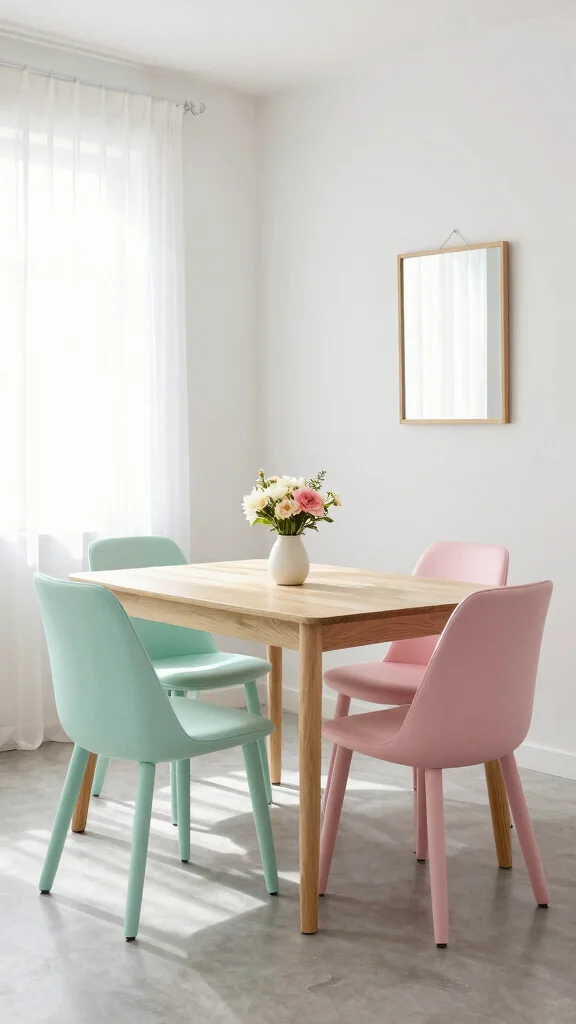
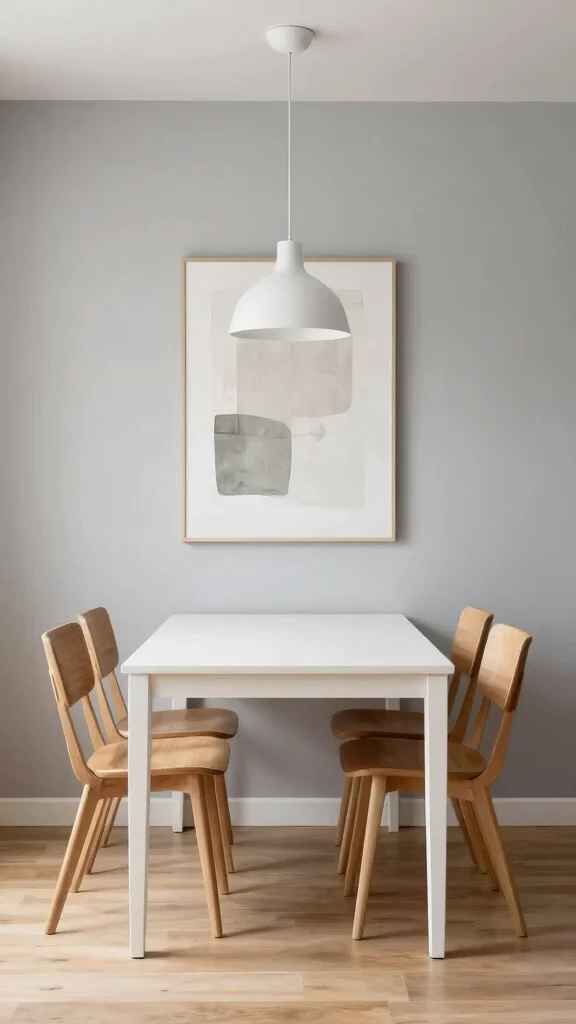
Light colors are essential for creating an airy and spacious dining room. Shades like soft whites, pale grays, and gentle pastels reflect light, giving the illusion of depth and openness. Consider painting your walls in these lighter hues or choosing light-colored furniture to transform your compact space dramatically. Adding varied textures in table linens or artwork can enhance visual interest while maintaining a breezy atmosphere.
To maximize this palette’s impact, consider these practical tips. Look for budget-friendly options like DIY artwork or second-hand furniture. The right choice of colors not only creates a calming environment but also aligns with current design trends emphasizing natural light and openness.
Consider these elements to enhance your light color scheme:
– Pair white or pastel tableware with a light color palette.
– Incorporate mirrors to reflect light and expand the space visually.
– Keep window treatments light to enhance natural light flow.
This simple color choice significantly elevates your dining room’s overall aesthetic, making it feel larger and more inviting.
Fun fact: for small dining room ideas, light colors reflect up to 80% of ambient light, making the space feel instantly bigger. Pair them with texture and soft whites to add depth without crowding the space.
Recommended Products

FLEXIBLE MODULAR DESIGN FOR ANY CORNER: The set includes one 47″ long bench, two 23.6″ short benches, and a side table. Arrange them as an L‑shaped breakfast nook, a window‑side reading retreat, or separate units for extra seating. This corner bench seating adapts to your space – not the other way around

3-PIECE BREAKFAST NOOK DINING SET: This dining nook includes a rectangular table, an L-shaped corner bench, and a movable bench, comfortably seating 3–5 people and designed for compact kitchens, apartments and nooks
🏡 Transform Your Space Today!
Unlock the secrets to stylish home makeovers and maximize your small dining area with expert DIY tips.
2. Floating Shelves for Storage and Style
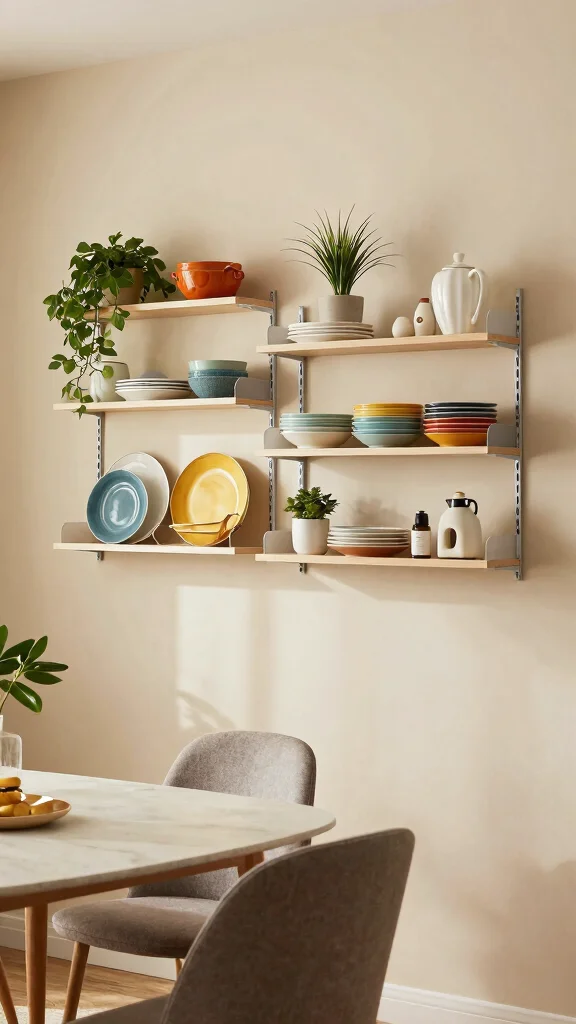
Floating shelves are a brilliant solution for maximizing vertical space in your dining area while keeping it stylish. By installing shelves above your dining table or sideboard, you not only free up floor space but also create a perfect spot for decorative and functional items. Display beautiful dishware, plants, or unique decor that reflects your taste, adding both style and accessibility to essentials.
To implement this idea effectively, consider practical tips like varying shelf heights for added visual appeal. You can also use decorative boxes or baskets to keep smaller items organized without sacrificing style. This approach aligns with broader design trends that favor open, uncluttered spaces.
Here are some suggestions for maximizing your floating shelves:
– Consider varying the height of the shelves for visual interest.
– Use baskets or decorative boxes to organize smaller items.
– Mix functional and decorative pieces to maintain a cohesive look.
Floating shelves combine elegance and functionality, making your small dining room feel open and stylish.
3. Round Tables for Better Flow
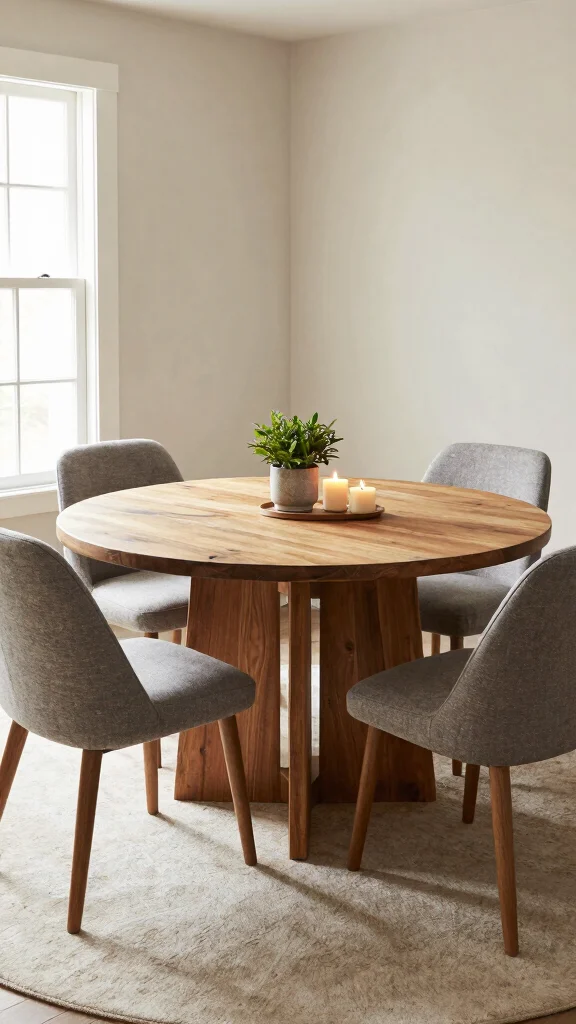
Round tables are ideal for small dining rooms, promoting smooth flow and effortless movement. Their design eliminates sharp corners, making the area feel more inviting and spacious. Plus, a round table encourages conversation, making your meals feel warm and intimate. Pair it with stackable or armless chairs to maximize space when not in use.
To make the most of this design, consider incorporating drop-leaf tables for flexibility. They can snugly fit in corners, expanding when you have guests. A pedestal base also provides additional legroom, enhancing comfort without sacrificing style.
Here are some benefits of choosing round tables:
– Round tables fit snugly into corners or nooks for maximizing seating.
– Easily expand seating with a drop-leaf design.
– Choose a table with a pedestal base for more legroom.
This small dining room idea not only maximizes functionality but also adds an elegant touch to your space.
Recommended Products
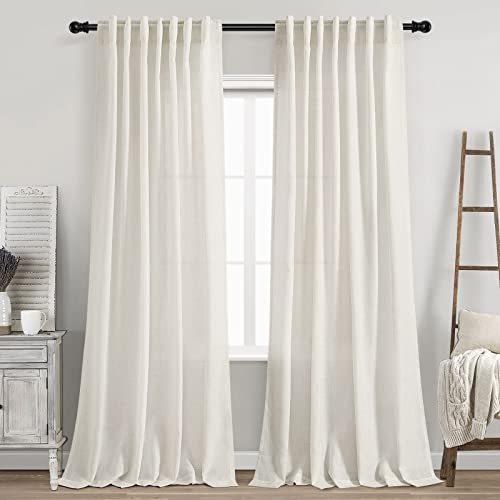
READY MADE: 2 Linen Curtain Panels per package.Each panel measures 52 inches wide by 84 inches long. Top design of Back tab & loop pocket provide 3 hanging options. <1> hanging from the back patch to create an elegant pleated look, <2> from the 3 inch rod pocket for a classic look <3> Hanging with clip rings for easy, slide open and closed (clip rings are not included)
4. Use Multi-Functional Furniture
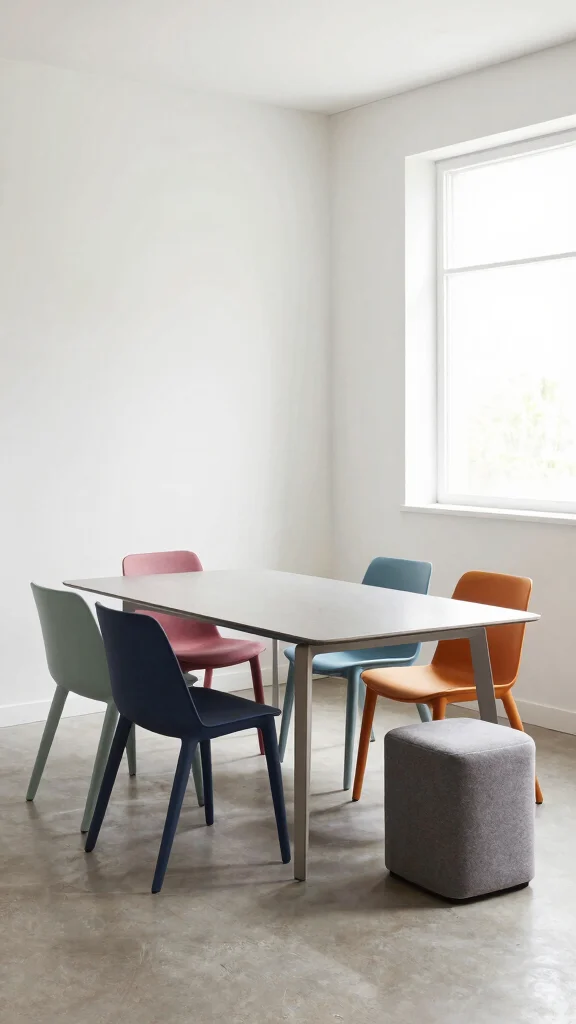
Multi-functional furniture can be a game changer in your small dining room, offering versatility without compromising style. Look for items that serve dual purposes, such as benches with hidden storage or extendable tables for larger gatherings. This approach keeps your space adaptable and organized, making it perfect for various needs.
Investing in pieces that combine utility and aesthetics is key. For instance, a dining table that doubles as a workspace can significantly enhance practicality. The right choice can transform your dining experience while keeping everything in order.
Consider these suggestions for multi-functional furniture:
– Invest in a dining table that doubles as a workspace.
– Use storage ottomans that can serve as extra seating.
– Choose chairs that can stack or fold when not in use.
Multi-functional furniture solutions enhance practicality and aesthetics, making your small dining area feel spacious and stylish.
Recommended Products

【Important Notice】This item includes only the small kicthen table, dining chairs are not included. The chairs shown in the image are for display purposes only, and are not included or sold separately

MODERN DINNET TABLE: Experience the warmth and charm of the Magnificent Wood Dining Table as it gracefully enhances any kitchen or traditional dining space. This exceptional kitchen table fosters a sense of closeness among family members, creating an atmosphere of affection and togetherness. The contemporary design of this dining room table elevates the elegance of your dining area, adding a touch of grandeur. Indulge in precious moments with your loved ones while enjoying the beauty of this exquisite kitchen table.

Rustic Farmhouse Dining Table: Extendable from 70.9" to 86.6" to comfortably seat 8-10 guests. The dark wood dining table combines rustic brown charm with sturdy black legs for a timeless farmhouse aesthetic.
5. Go for a Minimalist Approach
Embracing a minimalist approach can create a sense of harmony within a small dining room. By minimizing clutter and keeping decorations simple, you let the space breathe and feel more expansive. Focus on a few standout pieces, such as a striking light fixture or a large artwork, instead of overcrowding with items. This clean aesthetic can create the illusion of a larger area.
To achieve a minimalist look, stick to a cohesive color palette and opt for sleek, simple furniture. High-quality decor items can make a more significant impact than numerous low-quality ones while enhancing your space’s tranquility.
Here are some minimalist tips to consider:
– Stick to a simple color palette for your dining room decor.
– Use sleek, simple furniture to create a streamlined look.
– Opt for fewer but high-quality decorative items.
This approach not only makes the space feel bigger but also creates a tranquil and welcoming atmosphere.
Dimensions & Size Guide
Standard Sizes & Measurements:
When planning your small dining room, knowing standard sizes can make all the difference. A typical dining table is around 30 inches high, with widths varying from 30 to 48 inches and lengths ranging from 48 to 72 inches. If you opt for a round table, aim for a diameter of 36 to 60 inches, ensuring comfortable seating.
For chairs, the standard height is about 18 inches from floor to seat. You should allow at least 24 inches of space per person at the table for comfortable dining. To make the most of your compact space, consider a clearance of at least 36 inches around the table for easy movement.
Quick Reference Table:
Size/Dimension – Best for: [use case], Minimum space needed: [measurement]
– 36″ Round Table – Best for: 4-seat dining, Minimum space needed: 8′ x 8′
– 48″ Rectangle Table – Best for: 6-seat dining, Minimum space needed: 10′ x 8′
– 30″ Tall Bar Table – Best for: casual dining or small gatherings, Minimum space needed: 8′ x 6′
– 18″ Chair Seat Height – Best for: standard dining chairs, Minimum space needed: 36″ clearance for legroom
– 24″ Chair Width – Best for: comfortable seating, Minimum space needed: 24″ for spacing between chairs
Space Planning Tips:
1. Measure Twice, Use a Tape Measure: Always measure your space before purchasing furniture. Use a tape measure to ensure everything fits as planned. Mistakes happen when you estimate instead of measuring.
2. Create a Floor Plan: Draw a simple floor plan to visualize your layout. Include the doorways and windows. This helps in understanding flow and access.
3. Consider Traffic Flow: Keep pathways clear. Ideally, you want at least 36 inches of space for walking around the dining table.
4. Think Vertically: Use wall space for shelves or art. Tall shelving can help maximize vertical space, making your room feel larger without taking up valuable floor space.
5. Avoid Oversized Pieces: This is a common mistake. Large furniture can overwhelm a small dining room. Stick to space-saving furniture to maintain a sense of openness.
Pro Tip:
Always prioritize the dining table size. Choosing the right size ensures comfort while keeping the room functional. Remember, a table that fits well can transform your small dining area from cramped to cozy! 🚀
6. Create a Focal Point
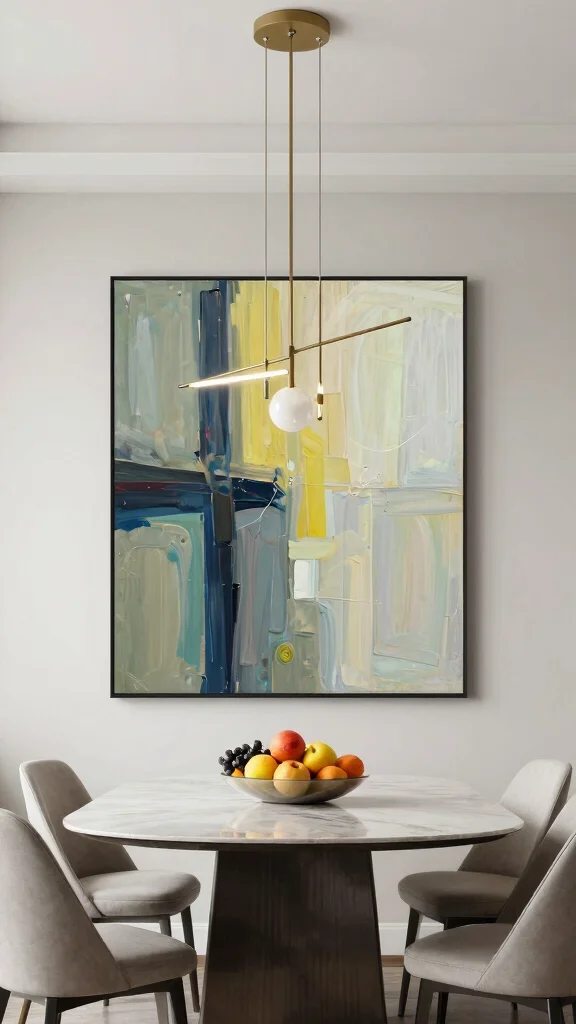
A focal point can significantly elevate your dining room, drawing attention and serving as a conversation starter. Whether it’s a unique light fixture, an oversized artwork, or a stunning centerpiece, this element helps define your space’s character. A strong focal point distracts from the room’s size, creating an illusion of expansiveness.
To effectively create a focal point, consider placement and design. An eye-catching chandelier can draw the gaze upward, while a vibrant centerpiece can add color and life to your table. These elements contribute to a personalized and inviting atmosphere.
Here are some ideas for focal points:
– A large piece of art hung centrally above the table.
– An eye-catching chandelier that draws the gaze upward.
– A vibrant centerpiece with flowers or fruits.
Creating a focal point adds charm and makes your small dining space feel more inviting and unique.
Recommended Products

Size:12x26inchx2panel, 12x35inchx2panel, all 4 panels.
7. Use Textiles Wisely
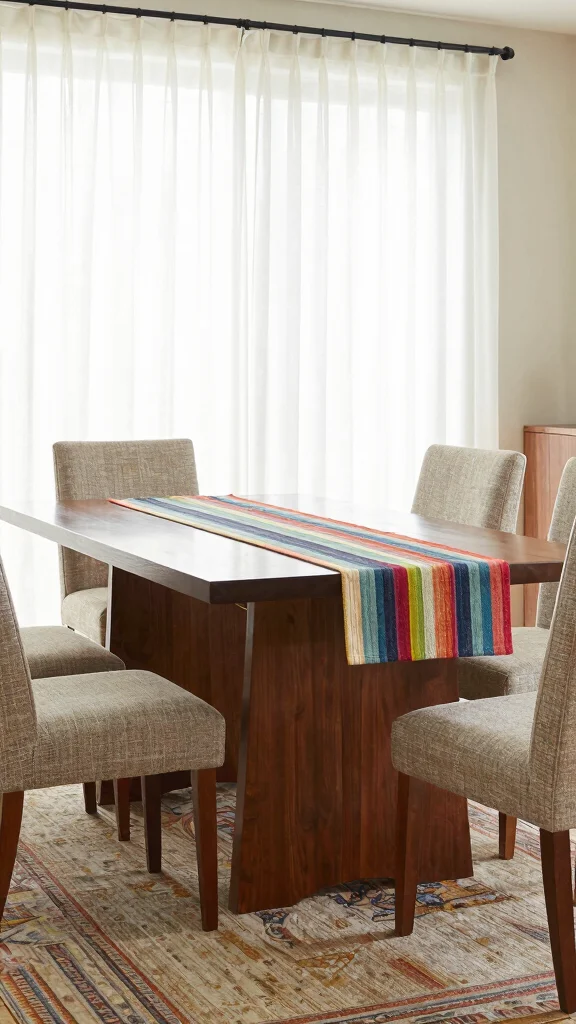
Textiles offer a wonderful way to infuse warmth and personality into a small dining room without overwhelming the space. From table runners to curtains, carefully selected fabrics can elevate the overall feel while maintaining functionality. Opt for lightweight curtains that filter light and soft textiles for your table setting to create a cozy atmosphere.
To enrich your dining area with textiles, think about using bold colors and patterns that complement your decor. Layering different textures can create a more dynamic and inviting space, enhancing your dining experience without sacrificing openness.
Consider these textile tips:
– Select a bold tablecloth or runner to add a splash of color.
– Use patterned cushions on your chairs for extra comfort and visual interest.
– Incorporate a textured area rug to define the dining space.
Using textiles thoughtfully enriches your small dining room while maintaining a sense of openness.
Recommended Products

Packing Detail: The package includes 2 natural ivory linen curtains and each linen textured curtain measures 52 inch wide and 84 inch length(104" wide total). The top style of the curtains is bronze grommets with 1.5 inch inner diameter, fit well with most rods.
You might also like
8. Mirrors for Depth and Reflection
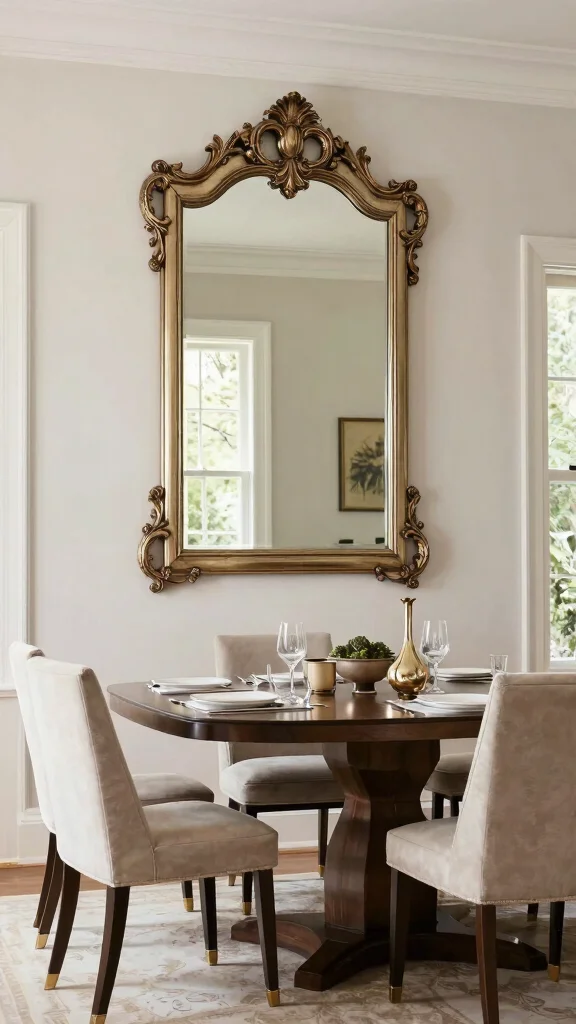
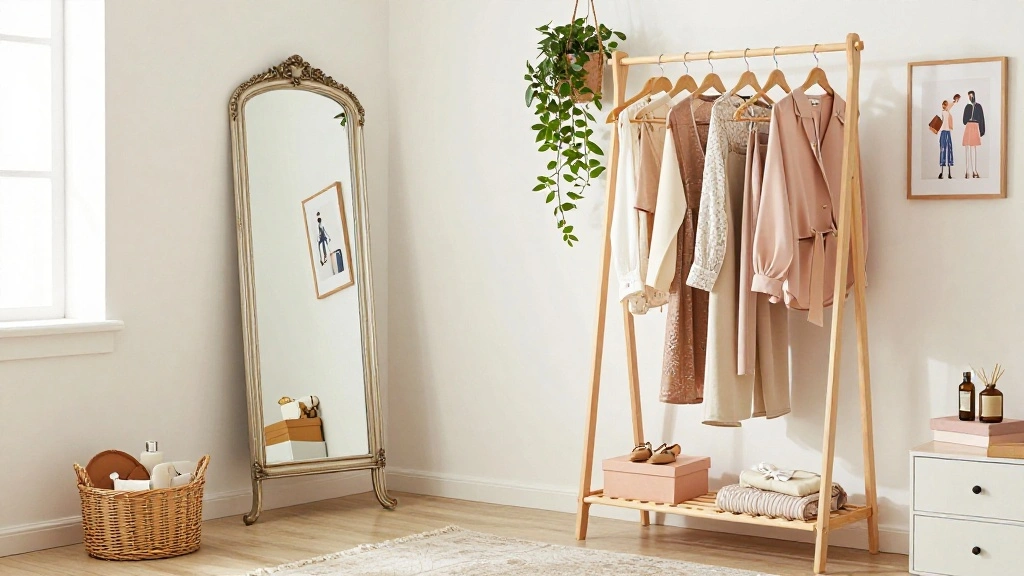
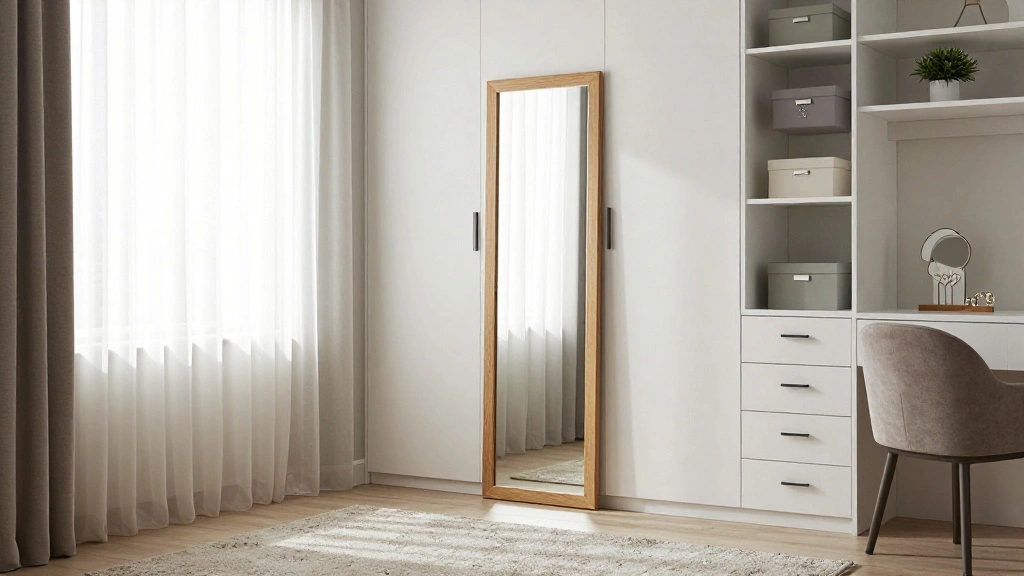
Mirrors can dramatically enhance your dining room by creating depth and reflecting light, making the space feel larger. A strategically placed mirror can visually expand your area while adding a decorative touch. Consider a large mirror on one wall or an artistic arrangement of smaller mirrors to enhance elegance and brightness.
For effective mirror placement, position them across from windows to maximize light reflection. This not only enhances the ambiance but also adds charm to your dining area, making it feel more inviting.
Here are some mirror placement tips:
– Position mirrors across from windows to maximize light reflection.
– Use mirrors to reflect a beautiful view or artwork.
– Opt for decorative frames that fit your style for added flair.
Incorporating mirrors is an inexpensive way to visually expand your compact dining area while adding chic decor.
Recommended Products

43''–59'' Extendable Design:Ideal for small spaces, this expandable round dining table easily transforms from a cozy 43-inch round table (seats 4) to a spacious 59-inch oval table (seats 6–8). Ideal for everything from intimate family dinners to larger gatherings. The removable leaf allows quick adjustments, making it a smart space-saving solution for kitchens, dining rooms, or meeting areas.
9. Incorporate Local Art
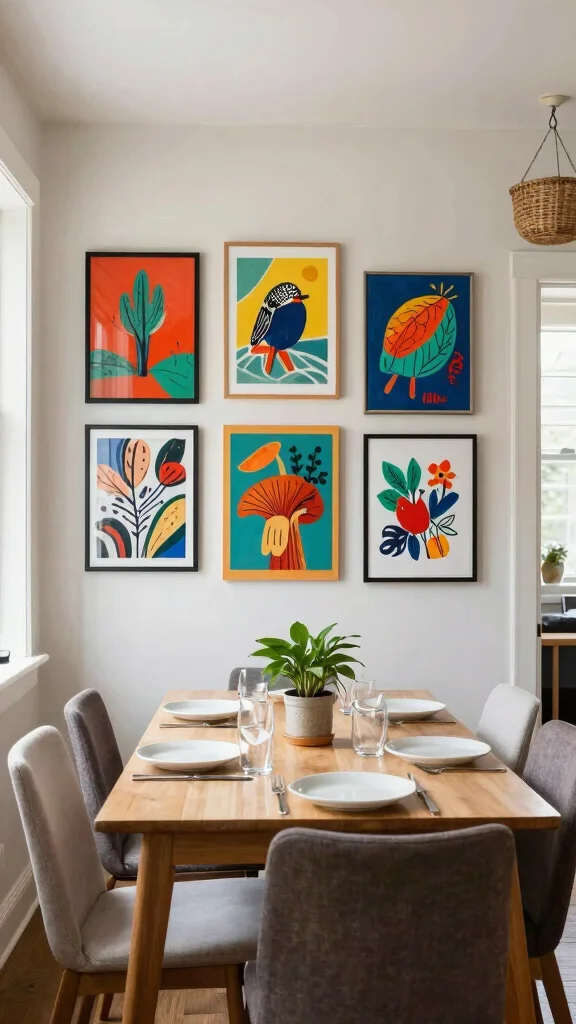
Local art can infuse your small dining room with life and character, adding a personal touch that reflects your community. Choose pieces that resonate with you, supporting local artists while sparking conversation among guests. Large-scale works can create a dramatic effect, or consider a gallery wall with smaller pieces for a more eclectic vibe.
When displaying art, hang pieces at eye level to draw attention upward, making the room feel taller. Mixing different frame styles can enhance the visual interest and allow you to personalize the space even further.
Consider these art tips:
– Hang art at eye level to draw visitors’ eyes upward.
– Mix different frame styles for an eclectic look.
– Consider functionality by choosing pieces that can also serve as a pinboard or display area.
Art is a beautiful way to express yourself and make your dining area feel unique and inviting.
10. Emphasize Vertical Lines
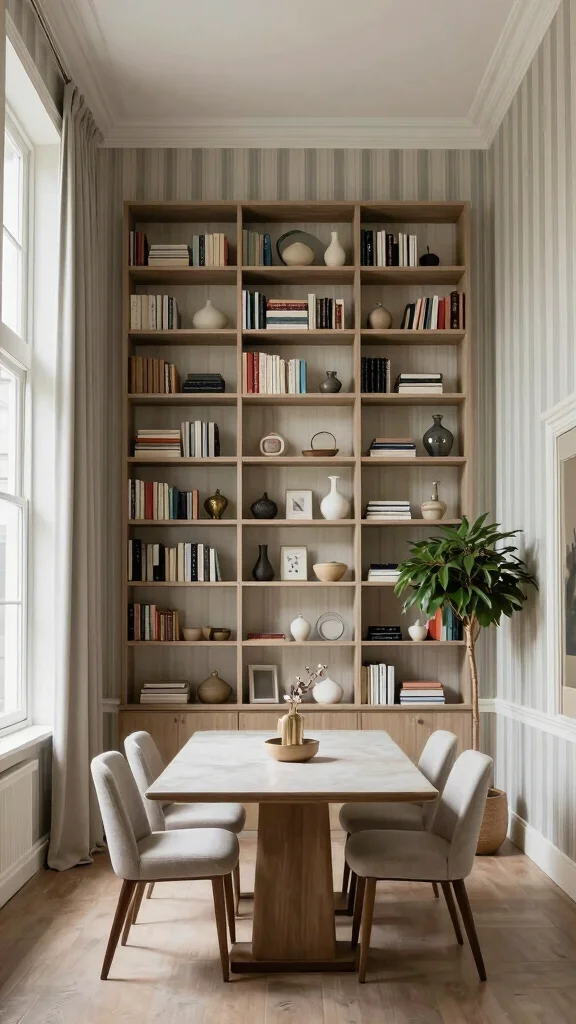
Incorporating vertical lines into your dining room design can create a sense of height and elegance. Use wall paneling, striped wallpaper, or tall furniture pieces to draw the eye upward. This emphasis on verticality not only enhances the perception of space but also adds sophistication to your decor.
To implement this concept, consider tall, narrow shelves or art pieces that reinforce vertical lines. Additionally, tall plants positioned in corners can enhance the vertical effect, making your dining area feel more open and inviting.
Here are some implementation tips:
– Opt for tall, narrow shelves to utilize space vertically.
– Use wall art or decor that emphasizes vertical lines.
– Install tall plants in the corners to enhance the vertical effect.
This technique adds visual interest while creating a sense of height in your compact dining area.
Fun fact: vertical lines can visually add height in a room—often by about 12–15%. For small dining room ideas, use wall paneling, striped wallpaper, or tall furniture to draw the eye upward. Add tall plants in corners to reinforce the effect and expand a compact dining space.
11. Clever Lighting Solutions
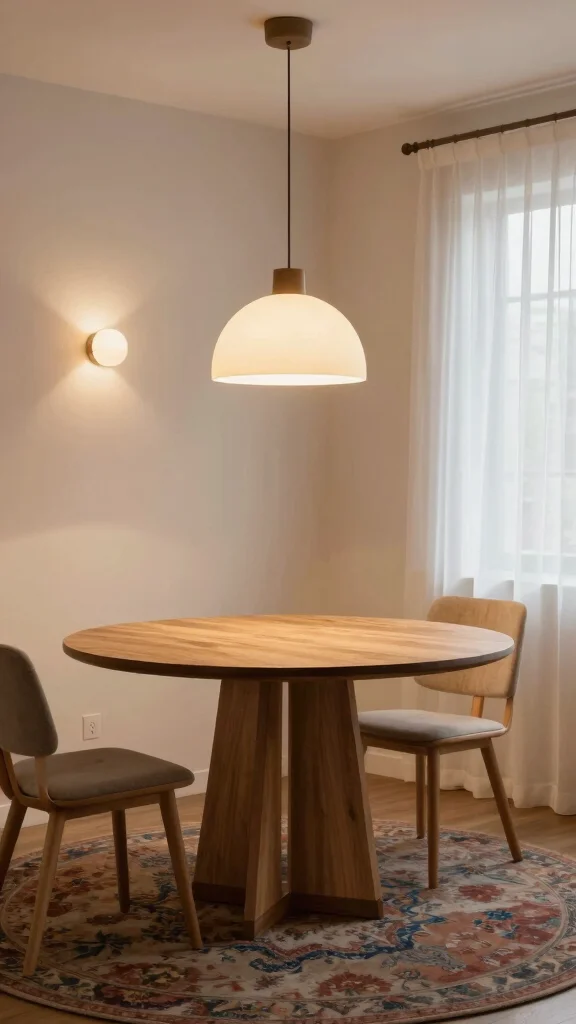
Lighting is crucial for making any space feel larger and more inviting. Opt for layered lighting solutions that combine ambient, task, and accent lighting to create a warm atmosphere. A statement pendant light over the dining table can serve as a focal point while effectively illuminating the space.
Incorporating wall sconces or floor lamps can add depth and warmth to your dining area. Installing dimmers allows for flexibility, enabling you to create the perfect mood for any occasion.
Here are some lighting suggestions:
– Choose fixtures that complement your style without overwhelming the space.
– Use soft white bulbs to create a warm vibe.
– Consider string lights for added charm and coziness.
The right lighting transforms your dining room, making it feel more spacious and welcoming.
Did you know layered lighting can make a small dining room feel up to 40% larger? Use ambient, task, and accent lighting to create warmth, with a statement pendant as a focal point and dimmers for mood.
12. Open Shelving for Easy Access
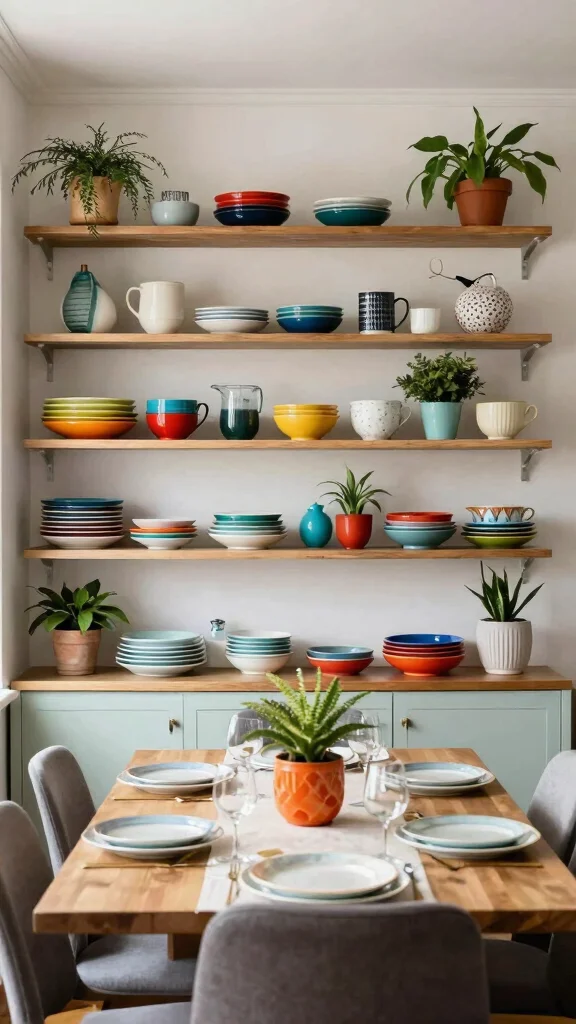
Open shelving combines style and practicality in a small dining room, allowing you to display your favorite dishware and decor. This design choice keeps essentials within reach while creating a functional yet stylish feature. Mixing colors, textures, and heights on your shelves can maintain visual interest and make the area feel more expansive.
To style your open shelves effectively, group items in odd numbers for a cohesive look and add greenery for a touch of life. Don’t hesitate to change the displayed items regularly to keep the design fresh and engaging.
Here are some styling tips:
– Use baskets on shelves to conceal less attractive items.
– Incorporate a mix of dishes, books, and decor.
– Regularly change the items displayed to keep it fresh.
Open shelving is not just practical; it’s also an excellent way to showcase your personal style in your small dining area.
You Might Also Like
13. Layered Rugs for Warmth
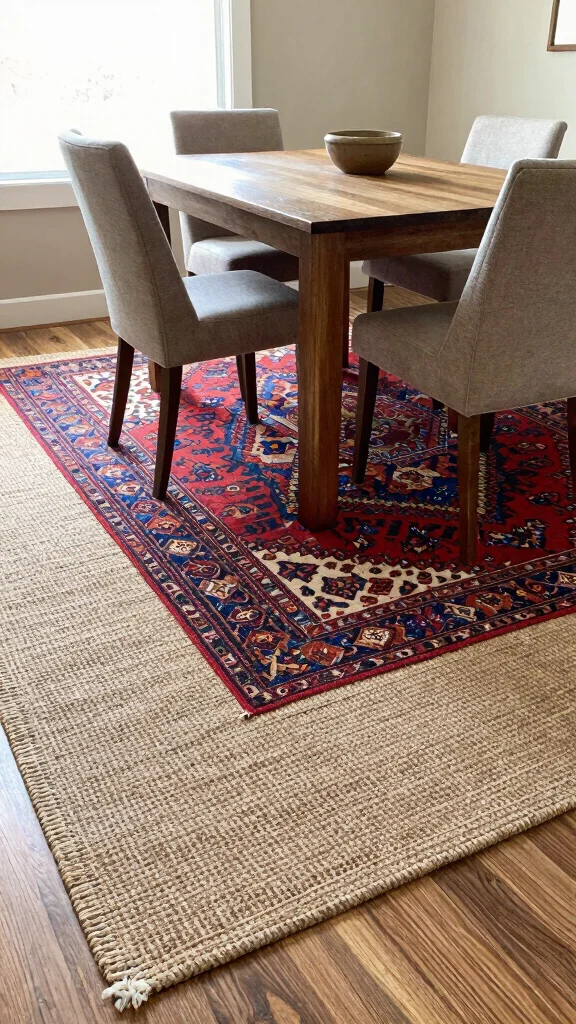
Layering rugs can introduce warmth and dimension to your small dining room, creating visual interest and defining the space. A larger, neutral base rug can anchor the area, while a smaller, colorful or textured rug can bring in vibrancy and comfort.
This technique not only enhances the aesthetics but also provides a cozy underfoot experience, making your dining area more inviting. Choosing complementary colors and textures ensures a balanced look that feels harmonious.
Consider these layering tips:
– Choose complementary colors and textures to avoid clashing.
– Ensure the rugs are of appropriate sizes for a balanced look.
– Experiment with different patterns for a more dynamic feel.
Layered rugs are both practical and chic, perfect for creating a warm atmosphere in your small dining area.
14. Use a Bar Cart for Style and Storage
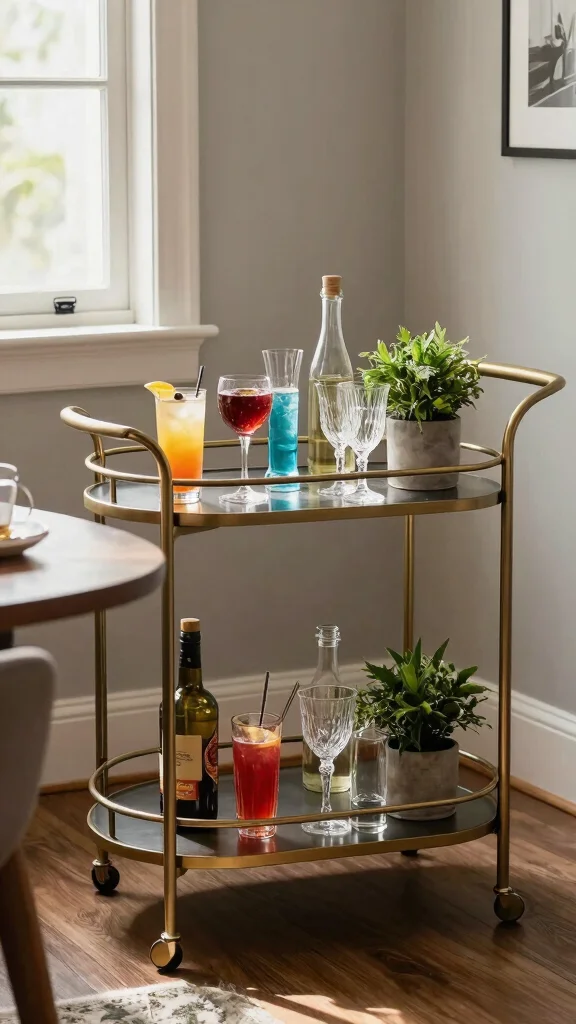
A chic bar cart can be a stylish addition to your small dining room, offering both functionality and flair. This versatile piece serves as a storage solution for drinks and adds an eye-catching decor element. Opt for a sleek design to keep things polished and organized, enhancing your dining layout.
Bar carts can be easily moved, providing flexibility for entertaining guests and creating a sophisticated atmosphere. Personal touches like family photos or decorative items can elevate the cart’s style, making it uniquely yours.
Here are some bar cart tips:
– Keep it organized but styled with personal touches like family photos or books.
– Incorporate beautiful glassware and a few greenery accents.
– Use the cart for seasonal decor or as a serving station when hosting.
Incorporating a bar cart adds flair and utility to your dining room while keeping everything easily accessible.
15. Niche Dining Areas

Transforming an awkward corner or nook into a cozy dining area can add charm and functionality to your home. A small table in a niche creates an intimate dining spot, perfect for two. Adding built-in seating or a cushioned bench enhances comfort and style, maximizing every inch of your space.
This clever use of space not only optimizes your dining options but also creates a warm, inviting atmosphere. Personalizing the area with light fixtures and decor can further elevate its appeal.
Here are some ideas for niche dining areas:
– Use corner banquettes to save space while providing seating.
– Add wall-mounted lights to enhance the cozy feel.
– Incorporate small plants or wall art to personalize the space.
Creating a niche dining area is a fun and creative way to utilize every part of your home while making it feel special.
16. Seasonal Decor Changes
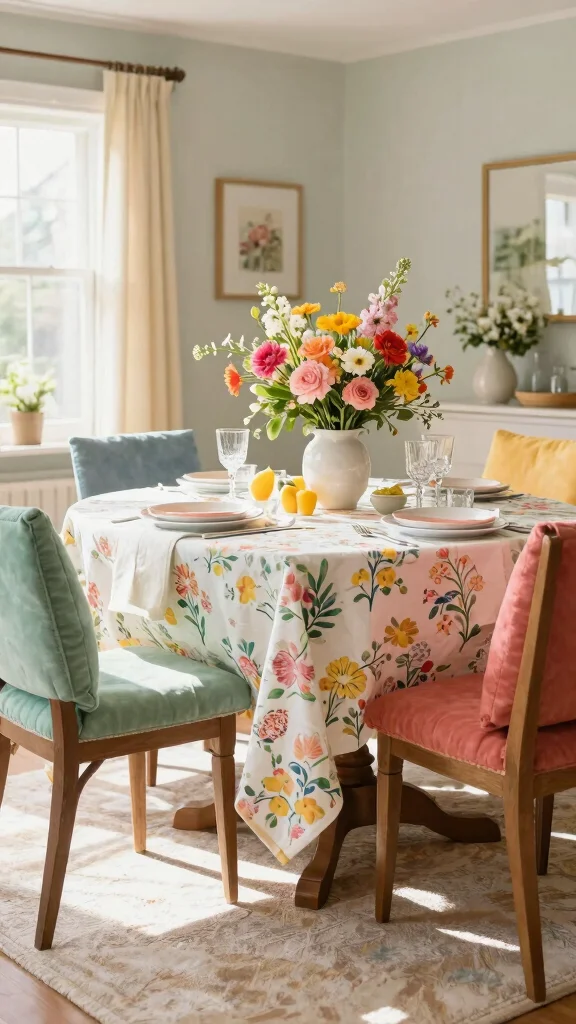
Updating your decor seasonally can keep your small dining room feeling fresh and vibrant throughout the year. Introducing seasonal colors, fabrics, and decorative elements reflects the changing seasons, enhancing the space’s appeal. For example, warm tones and cozy textiles in fall contrast beautifully with bright florals in spring, uplifting your mood.
This approach not only keeps your space dynamic but also fosters a lively atmosphere that can be enjoyed year-round. Simple changes in table linens and centerpieces can make a big difference in how your dining area feels.
Consider these seasonal decor tips:
– Change table linens and centerpieces with the seasons.
– Add seasonal decorations or themed tableware.
– Incorporate natural elements like branches or flowers that change throughout the year.
By embracing seasonal decor changes, you can maintain a lively and engaging atmosphere in your dining room all year round!
Conclusion
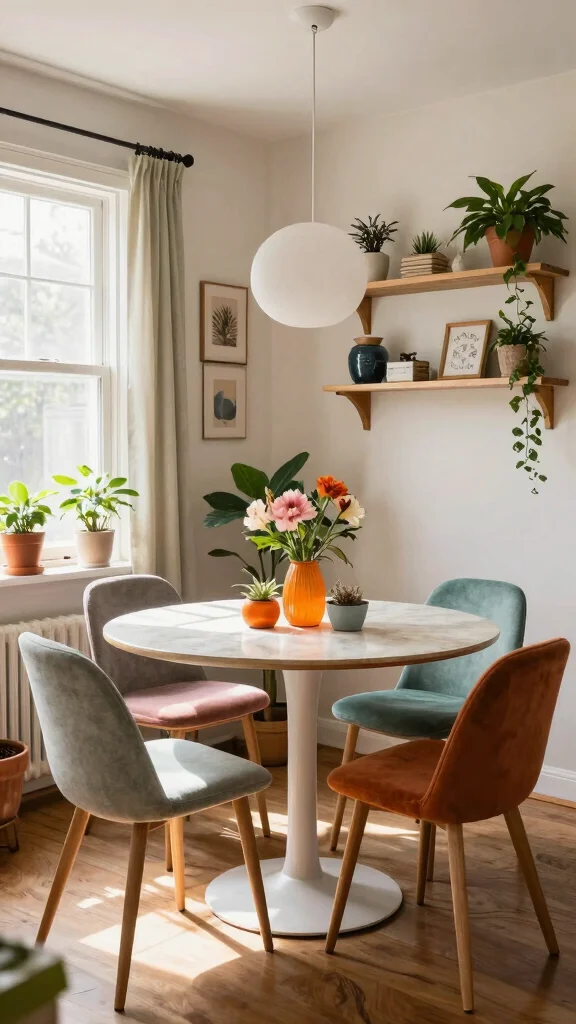
Transforming your small dining room into a stylish, functional space is possible with thoughtful design choices and clever storage solutions.
From utilizing light colors to incorporating multi-functional furniture, these tips can help you create a space that feels bigger and more inviting. Consider experimenting with some of these ideas and personalize them to fit your style. Happy decorating!
Frequently Asked Questions
Question: What are the best practical small dining room ideas to make a compact space look bigger?
Think light, bright, and uncluttered. For small dining room ideas, start with a light color palette and strategic lighting to make walls recede and space feel airy. Add a large mirror or mirrored surfaces to bounce light and visually double the room. Choose a glass or acrylic table to minimize visual bulk in a compact dining room design. Opt for a slim pedestal table or a foldable leaf table that can extend when you need more seating. Use wall-mounted storage and shelves to keep essentials off the floor, and consider built-in or multifunctional dining furniture like a bench with hidden storage. Finally, keep chairs to a minimum and choose space-saving furniture that can be tucked away when not in use.
End result: small space decor tips that feel open and inviting.
Question: How can I incorporate space-saving furniture in a small dining room without sacrificing seating or style?
Look for pieces that serve double duty. Start with an extendable or flip-top table, then add slim or wall-mounted chairs that tuck neatly away. A built-in banquette with storage or a storage bench provides seating plus hidden space for linens and placemats. Choose space-saving furniture with light materials and compact profiles to keep the compact dining room design feeling airy. Consider nesting chairs or stools you can pull out when you need extra seats, and use pedestals or trestle bases to avoid heavy legs encroaching on legroom. Finally, prioritize clear surfaces and keep decorative items to a minimum for a calmer, more functional space.
Question: Which dining room color schemes work best for small spaces and make them feel bigger?
Soft, light color schemes are your friend in small spaces. Opt for pale neutrals, whites, creams, or cool grays to create an open backdrop for small space decor tips. Use a single cohesive color family for walls and floor to maintain flow and avoid jarring contrasts in a compact dining room design. Add depth with a slightly darker trim or a gentle accent color on one feature wall or in accessories, not in large blocks. Incorporate reflective surfaces and glass or metal accents to bounce light and enhance perceived space. Finally, bring in color via textiles and artwork rather than painting multiple walls a bold shade, keeping your dining room color schemes soft and cohesive.
Question: How can I use multifunctional dining furniture to maximize storage in tiny dining areas?
Multifunctional is your friend. A dining table with built-in drawers or lift-top storage adds a place to tuck away napkins, placemats, or cookbooks. A storage bench or banquette can seat guests and hide blankets or table linens. A sideboard can double as a small desk or bar, helping you stash everyday essentials without clutter. Choose multifunctional dining furniture with slim profiles and rounded edges to keep traffic easy in a compact dining room design. Match pieces to your space so every item earns its keep, and keep frequently used items within arm’s reach.
Question: What small space decor tips help maximize storage while keeping the dining area uncluttered?
Lean into vertical storage and clever nooks. Install floating shelves or wall-mounted racks to store dishes, glassware, and cookbooks off the table. Use baskets under a bench or inside a console for quick-access storage. Choose hooks for bags or aprons near the entry to the dining zone, and use transparent or light-colored containers to maintain a cohesive look. Keep surfaces clear by using tiered organizers, under-table storage, and a slim console that doubles as a serving station. With these ideas, your small dining room ideas stay practical without feeling cramped.
Related Topics
small dining room ideas
compact dining room design
space-saving furniture
multifunctional furniture
small space decor tips
dining room color schemes
minimalist decor
budget friendly
easy organization
dining room storage
cozy dining spaces
trending home decor
Leave a Reply