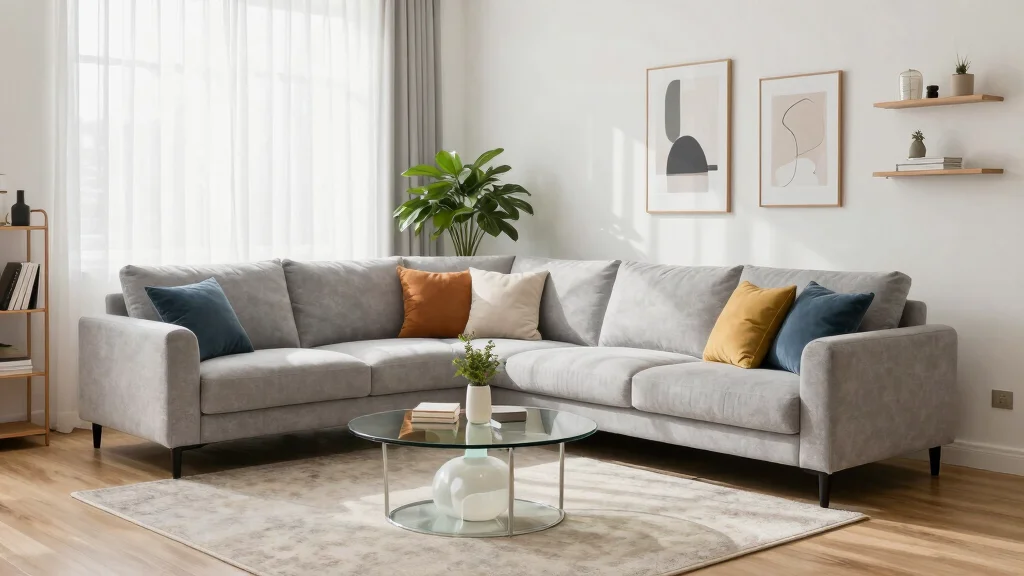
Creating a cozy and stylish living space can feel like a daunting task, especially if you’re working with a small area. You might think that limited square footage means sacrificing comfort and style, but that’s far from the truth. I put this post together because I want to show you how to transform your small living room into a space that feels open, functional, and chic.
If you’re someone who loves home décor and is on a mission to make the most out of your compact living area, this guide is for you. Whether you’re a student, a young professional, or just someone who appreciates a well-styled home, you’ll find ideas that suit your taste and lifestyle.
In this post, I’ve gathered 14 creative living room designs specifically for small spaces that combine style with practicality. You’ll discover tips on color palettes, furniture choices, and décor ideas that can breathe new life into your room. Each section offers actionable advice and inspiration that will help you create a cozy and stylish atmosphere, no matter how tiny your space may be.
Key Takeaways
– Light Color Palette: Choosing light colors can make your living room appear larger and more inviting. Think soft whites, pastels, or light neutrals to brighten up the space.
– Minimalist Design: Embracing a minimalist approach helps declutter your room, allowing you to focus on essential pieces that enhance your comfort and style.
– Multifunctional Furniture: Invest in space-saving furniture that serves multiple purposes, like a sofa bed or an ottoman that doubles as storage. This maximizes functionality without sacrificing style.
– Vertical Storage Solutions: Make good use of your walls by adding shelves or cabinets that draw the eye upward. This creates storage and gives the illusion of a taller space.
– Personal Touches: Don’t forget to make the space your own. Incorporate plants, artwork, or personal mementos to add warmth and character to your living room.
Recommended Products

QUALITY MATERIAL: The pillow cover is composed of a soft and comfy corduroy which is a kind of polyester fabric, features a cute and elegant boho stripe design. Our pillow covers are of good workmanship, they are tightly sewn without loose threads.

【Green Digital Printing】Our digital printing technology and organic cotton fabric make sure that the pillow covers are not only beautiful but also practical. With excellent color fixation, they resist fading to maintain a like-new quality for a long time. Additionally, they are gentle on the skin, ensuring comfort without causing any irritation.
1. Go for a Light Color Palette
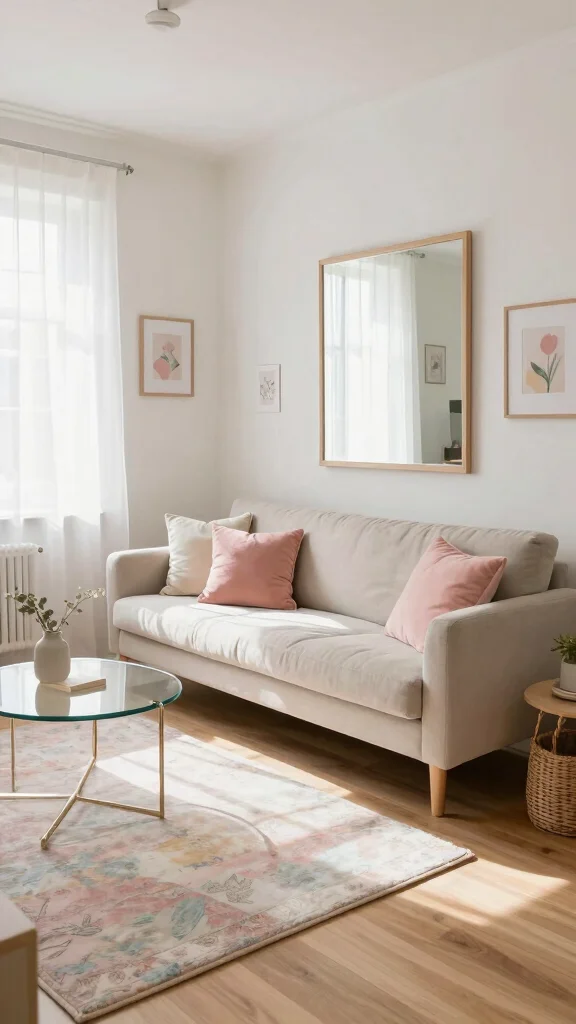
A light color palette can work wonders in small living rooms. Soft whites, delicate grays, and gentle pastels not only reflect light but also create an airy atmosphere that feels spacious and welcoming. For a beautifully cohesive look, consider painting your walls in a light hue and selecting furniture that complements these tones, such as a pale gray sofa paired with white accent chairs.
To enhance this light palette, think about using colorful accessories like vibrant cushions, decorative rugs, or artwork. Here are some tips to optimize your light color scheme:
– Use mirrors to bounce and amplify light throughout the room.
– Opt for light wood finishes instead of dark ones to maintain an open feel.
– Keep window treatments sheer to maximize natural light.
This approach not only brightens your space but also creates a cheerful retreat that feels inviting and spacious.
Recommended Products

【Efficient Space Utilization】The end tables living room has a compact design and quick-folding storage to maximize the use of small spaces. Crafted with a solid metal frame and durable wood, this small table offers stability for everyday use

3-in-1 Convertible Design for Compact Spaces: Easily transforms from a loveseat sofa to a relaxed lounger, and finally into a guest bed. Perfect for maximizing space in apartments, dorms, studios, or home offices. Lightweight (<95 lbs) enough to move around effortlessly

Modern Form, Lasting Appeal: Clean lines and balanced simplicity define this end table, combining a steel frame with rustic panels to create visual depth and pair effortlessly with matching storage units for a cohesive, modern interior
2. Embrace Minimalist Design
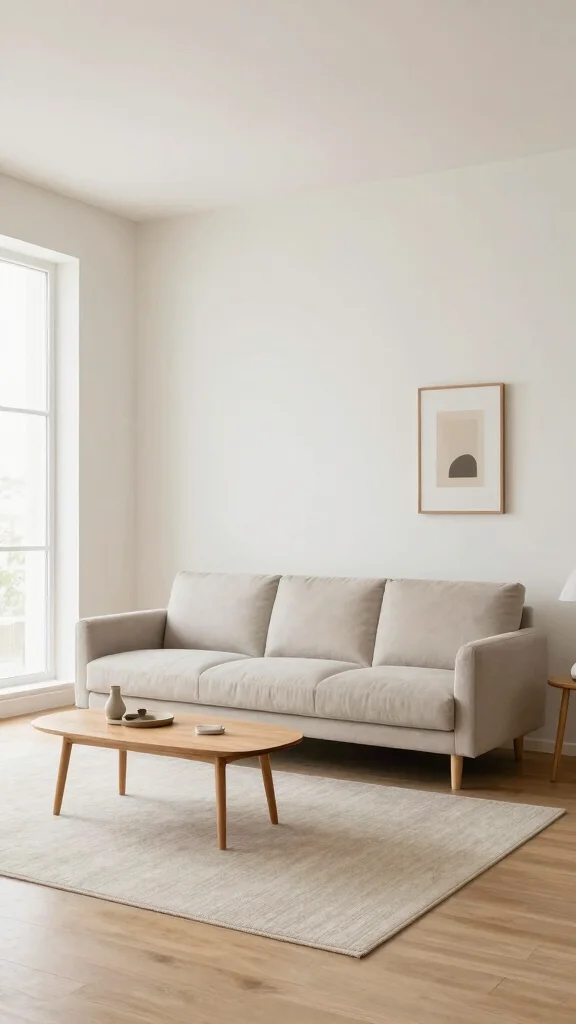
Minimalist design thrives on simplicity and practicality, making it ideal for small spaces. This style focuses on decluttering and showcases the beauty of select, purposeful pieces. Begin by choosing essential furniture items that serve multiple functions, such as a coffee table that doubles as a storage unit, to maximize your space.
For a successful minimalist approach, be mindful of these insights:
– Limit accessories to a few impactful items that resonate with your personal style.
– Select furniture with clean lines and streamlined silhouettes for an open and airy feel.
– Opt for neutral colors to keep the focus on space rather than overwhelming decor.
With a minimalist design, every item serves a purpose, allowing your small living room to feel organized, stylish, and effortlessly chic.
Recommended Products

【4-in-1 Lift Top Design】Unique lift-up desktop design to meet more needs: When fully extended, it can be used as a dining table or game coffee table for 4-8 people; when partially extended, it can be used as a workbench for 2 people simultaneously without interfering with each other; when the desktop is closed, it provides a large storage space for easy organization of miscellaneous items.

【4-in-1 Lift Top Design】Unique lift-up desktop design to meet more needs: When fully extended, it can be used as a dining table or game coffee table for 4-8 people; when partially extended, it can be used as a workbench for 2 people simultaneously without interfering with each other; when the desktop is closed, it provides a large storage space for easy organization of miscellaneous items.

【ottoman】Our ottoman has the better size and Relaxed color,Length 17 x width 13 x height 13 inches and Grey,It is also a comfortable footstool,Proper size and thickened sponge pad can make him a good footrest,Sitting on the sofa and putting your feet on the ottoman can relax your legs, relax your whole body and enjoy the pleasant time
3. Utilize Multifunctional Furniture
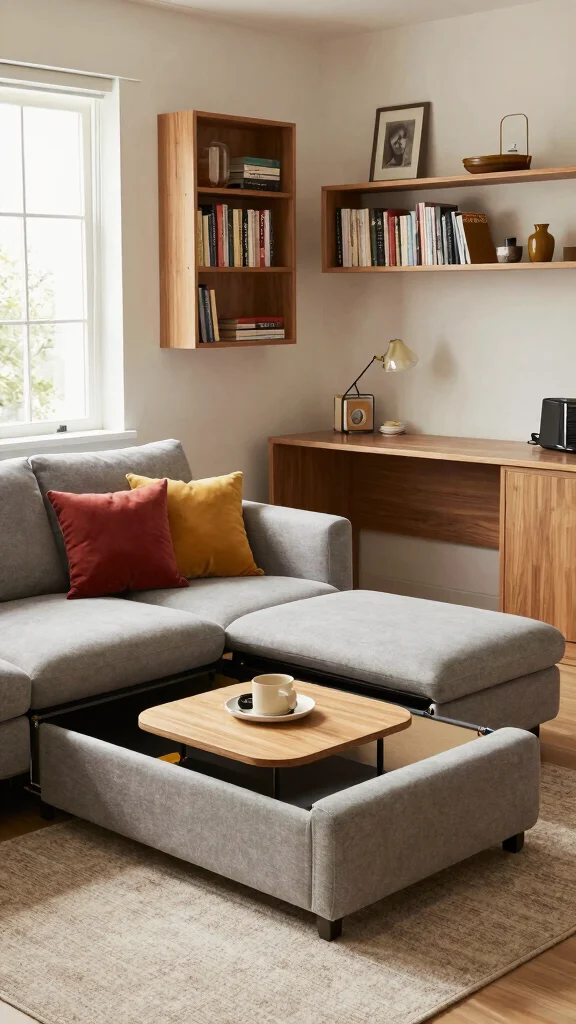
Investing in multifunctional furniture is an excellent way to maximize space in compact living areas. Items that serve dual purposes—such as a sofa bed or an ottoman with hidden storage—are invaluable for creating a stylish and practical environment. These versatile pieces adapt easily, accommodating guests or providing extra room without cluttering your space.
Here are some multifunctional solutions to consider:
– A fold-out desk that can be easily tucked away when not needed.
– Nesting tables that can be separated when in use or stacked to save space.
– Storage benches that provide seating while concealing blankets or books.
By selecting multifunctional furniture, you can keep your living area organized while still ensuring it exudes chic charm.
Recommended Products

Stylish Wall Mounted Shelves: Our vertical shelf unit are elegantly designed to add to your wall decor layout, the tower design is very practical and this five mounted floating shelves will fit perfectly into any home décor.

𝐇𝐚𝐧𝐠𝐢𝐧𝐠 𝐉𝐞𝐰𝐞𝐥𝐫𝐲 𝐎𝐫𝐠𝐚𝐧𝐢𝐳𝐞𝐫 𝐰𝐢𝐭𝐡 𝟐 𝐓𝐢𝐞𝐫𝐞𝐝 𝐖𝐨𝐨𝐝 𝐒𝐡𝐞𝐥𝐟 𝐚𝐧𝐝 𝐑𝐢𝐧𝐠 𝐇𝐨𝐥𝐝𝐞𝐫: Upgraded Jewelry Organizer Hanging engineered as a unified vertical storage unit, this reinforced single-unit design features: 𝐒𝐞𝐚𝐦𝐥𝐞𝐬𝐬 𝟐-𝐭𝐢𝐞𝐫 𝐬𝐡𝐞𝐥𝐯𝐞𝐬 – 50% more space for perfumes/nail polishes/Makeup with zero wobble 𝐈𝐧𝐭𝐞𝐠𝐫𝐚𝐭𝐞𝐝 𝐡𝐢𝐠𝐡-𝐫𝐞𝐬𝐢𝐥𝐢𝐞𝐧𝐜𝐞 𝐟𝐨𝐚𝐦 𝐫𝐢𝐧𝐠 𝐭𝐫𝐚𝐲 – crush-proof and soft protection to hold curated rings from scratches/tarnish.

Modern Wall-Mounted Floating Shelves: This 4-tier wall shelf with LED lights measures 11.4"L x 7.9"W x 35.4"H and features a modern minimalist design with a classic black finish. This wall shelves suitable for displaying ornaments, books, or daily items while saving floor space
🏡 Design Your Dream Space
Transform your small living room into a stylish sanctuary with our expert DIY guide packed with creative ideas.
4. Create Zones within Your Space
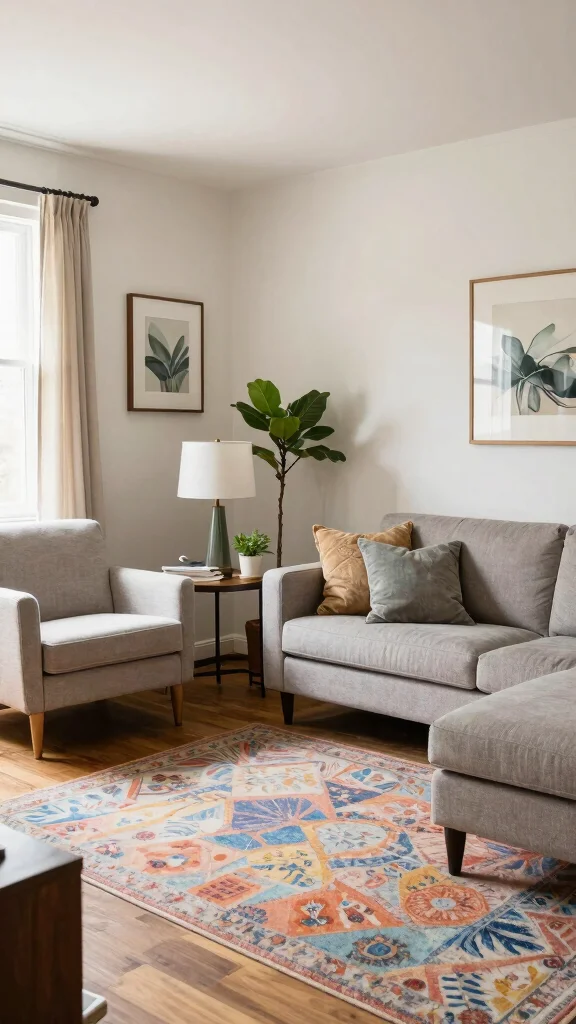
Even the smallest living rooms can benefit from clearly defined zones, helping to organize layout and purpose. By establishing designated areas for various activities—like reading, socializing, or relaxing—you can create an illusion of openness in your living space.
To effectively create these zones, consider using the following strategies:
– Use area rugs to visually separate different spaces within the room.
– Arrange furniture to promote natural pathways and smooth flow.
– Add specific lighting to each zone to enhance function and ambiance.
Defining zones not only brings structure to your small living room but also elevates its functionality and style.
Recommended Products

MOON PHASE MIRROR WALL DECOR: This unique moon phase mirror set with birds creates a striking gothic and witchy focal point, instantly elevating bedrooms, living rooms, or spiritual spaces.

Clear Reflection & No Distortion: Utilizing advanced high-definition float glass, this bathroom vanity mirror delivers a sharp, distortion-free 1:1 image for an accurate and true-to-life reflection—perfect for use in a bathroom, vanity, or above the sink

Premium Quality Material: The polystyrene frame+3mm no-distortion HD float glass to deliver clear reflection. We use commercial level material to provide a perfect wall mounted mirror to customer
Dimensions & Size Guide
When designing a small living room, understanding dimensions and sizes is key to creating a space that feels open and stylish. Proper measurements help you choose the right furniture and layout to maximize your area. Here’s a detailed guide to help you plan effectively.
Standard Sizes & Measurements:
– Sofa: A typical sofa measures between 72 to 96 inches in length. For small spaces, aim for a sofa that is 60 to 72 inches wide.
– Coffee Table: A coffee table should be about 48 inches long and 24 inches wide. Keep at least 18 inches of space between the table and sofa for easy movement.
– Side Tables: Look for side tables that are 20 to 30 inches in height and 16 to 24 inches in diameter. They should fit comfortably next to your seating.
– Television Stand: The average height for a TV stand ranges from 24 to 30 inches, with a width of at least 48 inches for small TVs.
– Rug: A good rug size for small areas is 5×8 feet or 6×9 feet, allowing the front legs of your furniture to rest on it for a cohesive look.
When spacing out furniture, ensure that there is at least 24 inches of walking space between pieces. This helps maintain flow and functionality in your living area.
Quick Reference Table:
Size/Dimension – Best for: [use case], Minimum space needed: [measurement]
– Sofa (60-72 inches) – Best for: Small to medium living rooms, Minimum space needed: 8×10 feet
– Coffee Table (48 inches) – Best for: Central piece without overcrowding, Minimum space needed: 18 inches from seating
– Side Tables (20-30 inches high) – Best for: Convenient storage and surface area, Minimum space needed: 12 inches from sofa
– Television Stand (24-30 inches high) – Best for: Viewing comfort, Minimum space needed: 48 inches width
– Rug (5×8 feet) – Best for: Defining spaces, Minimum space needed: 6 inches from walls
Space Planning Tips:
1. Measure First: Always measure your space before buying furniture. Use a tape measure to find the length and width of your living room.
2. Create a Floor Plan: Sketch your layout on graph paper. This helps you visualize where each piece will go. Consider marking where windows and doors are located.
3. Leave Room for Movement: Ensure there’s at least 36 inches of walking space in high-traffic areas. This keeps your space functional and inviting.
4. Think About Scale: Choose furniture that fits the scale of your room. Oversized pieces can overwhelm a small area. Stick to slimmer profiles for a more balanced look.
5. Don’t Forget Vertical Space: Use vertical storage like shelves or tall bookcases. This draws the eye upward, making the room appear taller and less cramped.
Common mistakes people make include not measuring accurately, overlooking the need for walkways, and buying oversized furniture for small rooms. Double-check your measurements to avoid these pitfalls.
Pro Tip: The most crucial measurement is the width of walkways. Plan for at least 36 inches of clearance to ensure comfort and accessibility in your small living room. This simple consideration will enhance the flow and function of your space, making it feel more inviting.
Recommended Products

Material & Package: 2 pcs pillow covers made of premium corduroy (NO INSERT). Suitable for indoors. Please Note: Hidden zipper is well disguised and stitched in across one side

Material: Made of High quality durable linen blend, comfortable to touch and lay on. Quality fabric, hide your old pillow patterns perfectly. This material does not pilling or shedding, and holding up well after long time of use

【Exquisite Double-Sided Printing Design】You can enjoy the beautiful vintage style of your pillow from both sides.
5. Incorporate Vertical Storage Solutions
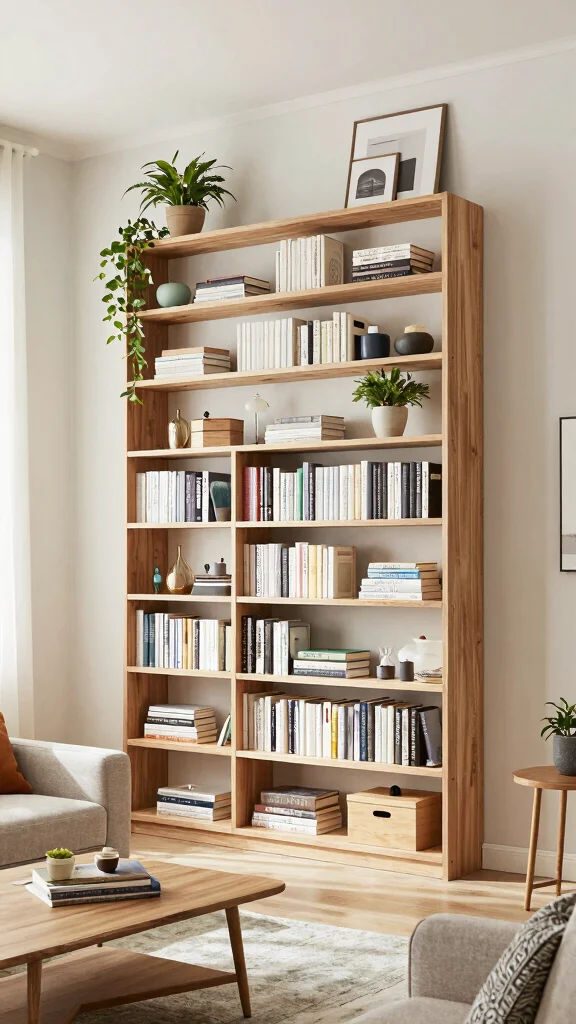
Taking advantage of vertical space is crucial in small living areas to save floor space and declutter. Vertical storage solutions like tall bookshelves, wall-mounted cabinets, or floating shelves draw the eye upward, creating a sense of height that makes the room feel larger.
Here are some effective tips for vertical storage:
– Get creative with wall space by using shelves or pegboards for decoration and organization.
– Choose tall furniture that utilizes vertical space without overwhelming the area.
– Use decorative boxes or bins on shelves to maintain a tidy, organized look.
By integrating vertical storage, you can keep your belongings organized while enhancing the aesthetic appeal of your small living room.
Recommended Products

[Fits Small Spaces] This slim side table sized at 11.8”D x 15.7”W x 24.4”H easily fits the gaps between your couches or the tight spots beside your bed
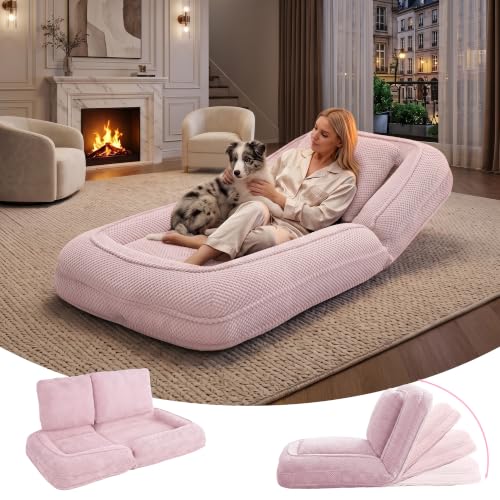
Adjustable Comfort: This foldable floor chair features a durable metal frame with a backrest adjustable from 90° to 180° and five locking positions. Perfect for gaming, lounging, or as a lazy sofa bed, it adapts effortlessly to your comfort needs.

LOW-PROFILE FLOOR SEATING: Seat height is 11.8 in, lower than a standard sofa seat of 17 to 19 in; sits close to the floor for lounging, reading and gaming; place against a wall for back support
6. Layer Your Lighting
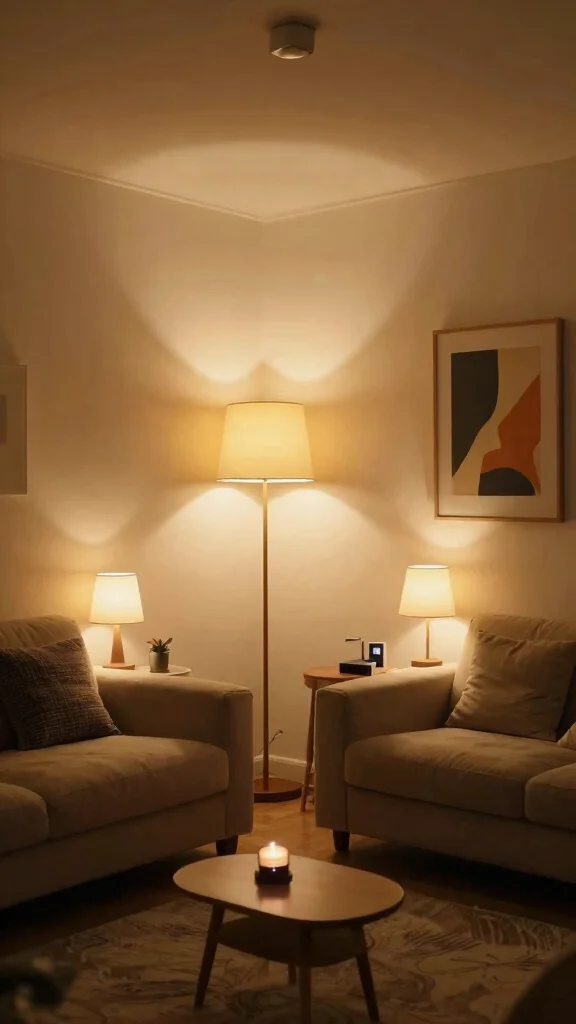
Lighting is a key element in how a small living room feels. By layering various types of lighting—ambient, task, and accent—you can add depth and warmth, making the space feel cozy and inviting. Avoid relying solely on overhead fixtures; instead, mix in floor lamps, table lamps, and wall sconces for versatility.
Here are some tips for layering your lighting:
– Use dimmers to adjust brightness, creating different moods throughout the day.
– Position lamps in corners to enhance the perception of space.
– Incorporate accent lighting to highlight artwork or architectural features.
With layered lighting, your small living room can transform into a cozy haven at any time of day.
Fun fact: Layering ambient, task, and accent lighting can boost perceived room size by up to 20% in small living spaces. In living room designs for small spaces, use dimmers and mix floor lamps with wall sconces to create flexible mood zones.
Recommended Products

Heavy-Duty Support: Built with thick MDF panels for strong structural support, this storage ottoman bench holds up to 660 lbs. The cushioned top features high-density foam and breathable linen fabric, providing a comfortable seating experience

Space-Saving Double-Grid Storage: Perfectly sized at 30" x 13" x 13", this ottoman fits effortlessly at the foot of the bed, by the wardrobe, beside the sofa, or in the entryway—compact but surprisingly spacious for all your daily essentials. Collapsible design folds flat in seconds, tuck it into a cabinet when not in use to keep your space open and organized

OTTOMAN BENCH WITH STORAGE: Our Large Storage Ottoman Bench is a stylish storage solution for pillows and blankets in any room of your home | A functional accent piece for any living room or bedroom furniture
You might also like
7. Use Mirrors to Expand Space
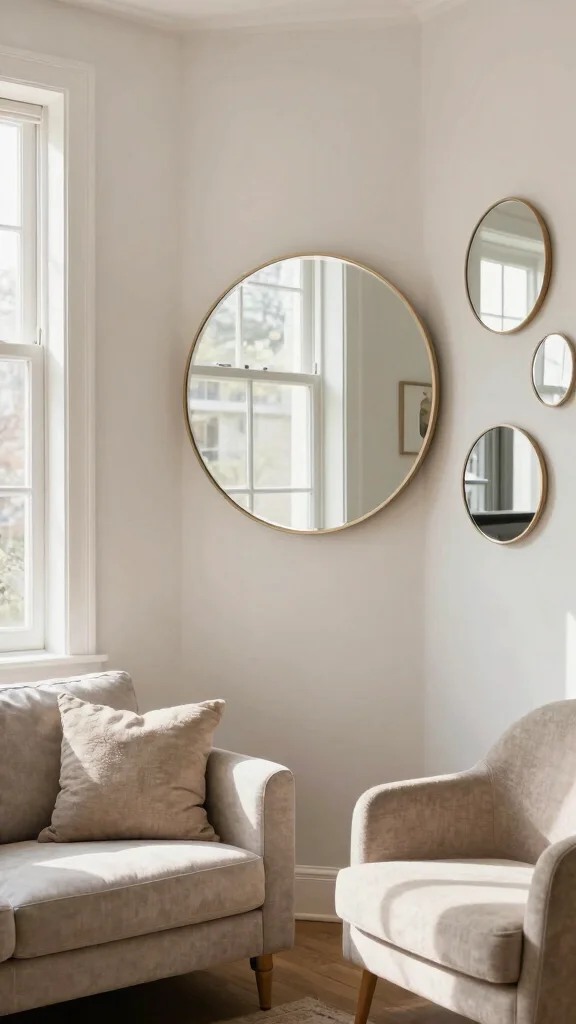
Mirrors are a powerful asset in small living room designs; they can visually expand your space in astonishing ways. By strategically placing mirrors, you can reflect light and create a sense of depth, making a small area feel more open while adding a stylish touch.
Here’s how to effectively use mirrors:
– Hang a large mirror opposite a window to amplify natural light.
– Incorporate mirrored furniture or decor to reflect surroundings and foster an airy feel.
– Create a gallery wall of small mirrors to add an artistic flair.
Integrating mirrors enables you to enhance light and visually expand your space, making them essential in small living areas.
Recommended Products

ULTIMATE SPACE SAVER: 57" tall x 11.81" wide x 7.87" deep vertical floating shelf provides maximum storage across 6 tiers; Each tier supports up to 10 lbs; Perfect for collectibles, books, plants, cosmetics, and daily essentials
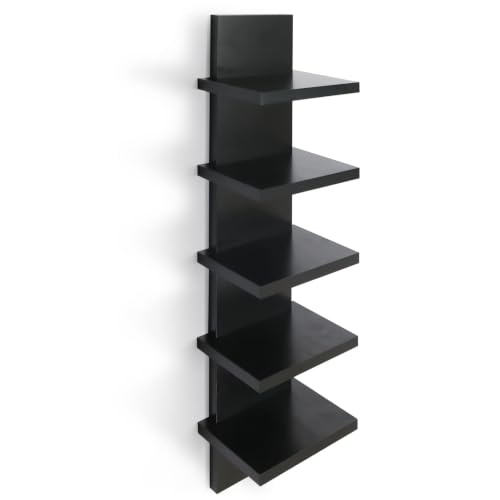
Versatile Wooden Wall Shelf: This is ideal for small space to help you stay organized and keep everything in order. Try it in your bedroom to hold candles and cosmetics , in living room to display pictures and plants or in your office to dispay books and stationary or even in your kitchen for jars and spices.
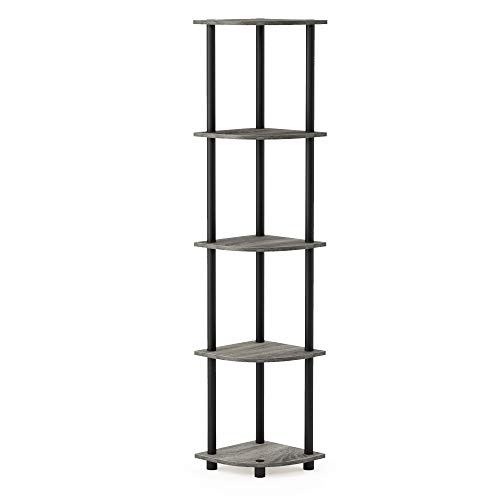
SPACE-SAVING CORNER DESIGN: This corner shelf features a compact vertical profile that fits snugly into corners, making it ideal for apartments, dorm rooms, and small living areas
8. Choose the Right Scale of Furniture
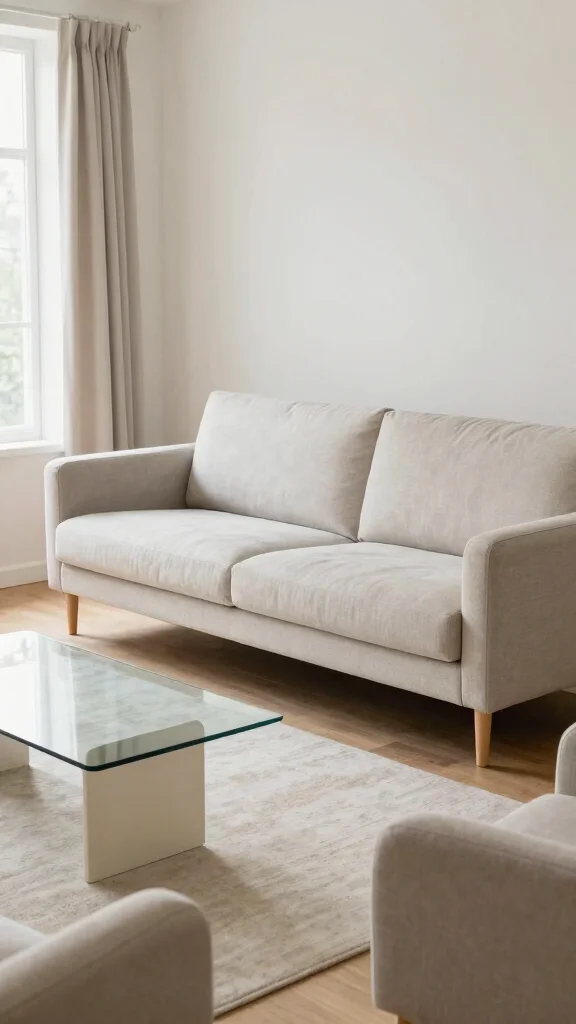
Selecting furniture that suits the scale of your small living room is vital. Oversized sofas or bulky pieces can overwhelm the space, while appropriately sized items create a harmonious environment. Focus on furniture that has a lighter visual weight to maintain an open feel.
Consider these points when choosing furniture:
– Measure your room and select pieces that don’t obstruct pathways.
– Opt for furniture with exposed legs to promote a sense of openness.
– Choose lightweight materials for easy rearrangement.
Picking the right scale of furniture not only makes the most of your space but also enhances the overall aesthetic, creating a more functional and stylish environment.
Recommended Products

【CAPTIVATING FIND ON WALL】PACK OF 3. Measuring at about 12" Diameter with gold metal frame and 5" Diameter for the mirror alone. These metal artpieces work great alone, or as a set with other multiple matching wall decors.

The 3 inch wide frame has a sleek and clean white finish

MULTIPLE FUNCTIONS: It's a decorative hanging wall mirror and also an Perfect for use as jewelry, accessories, makeup organizer or serving tray (avoid direct contact with food).
9. Add Textures for Warmth
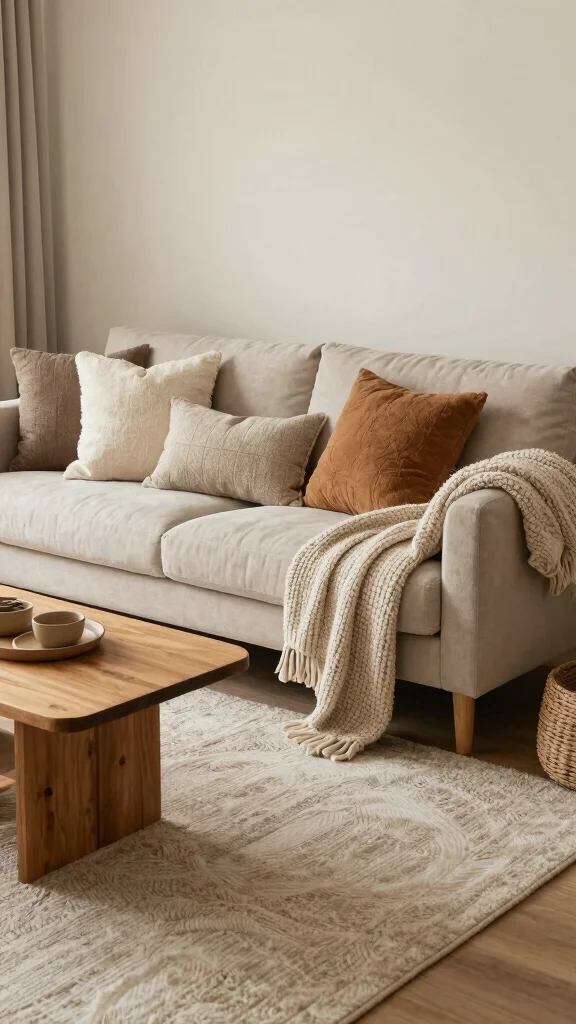
In small living room designs, incorporating a variety of textures can infuse warmth and depth into the space. Mixing materials like soft linens, chunky knits, and sleek woods creates a rich, inviting atmosphere that feels cozy. Textures also add visual interest, guiding the eye around the room.
Here are ways to incorporate textures:
– Use throw pillows and blankets of various fabrics on your sofa.
– Select a plush area rug to warm up your floors.
– Integrate wooden decor elements to balance softer textures.
The right combination of textures can turn your small living room into a stylish oasis, bursting with personality and charm.
Fun fact: mixing textures like soft linens, chunky knits, and sleek woods can make living room designs small spaces feel warmer and more expansive. These tactile layers draw the eye around the room, boosting coziness without crowding the footprint.
10. Create a Focal Point
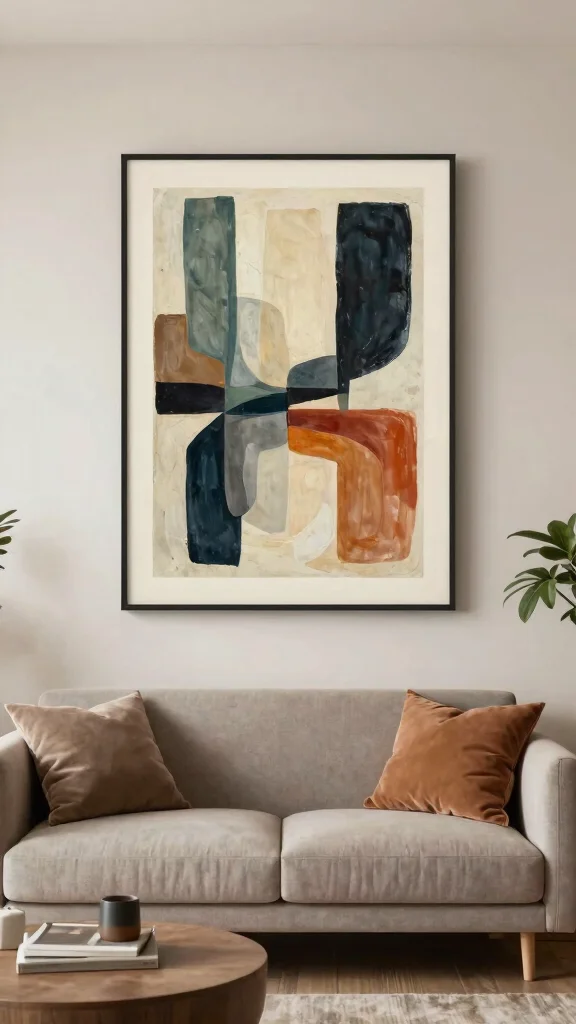
A focal point can anchor your small living room, drawing attention and establishing balance. Whether it’s a striking piece of art, a beautiful fireplace, or a standout piece of furniture, having a focal point adds character to your space.
Here are some tips for creating a focal point:
– Choose a statement piece that resonates with your style.
– Arrange furniture around the focal point to enhance its prominence.
– Use lighting to highlight your focal feature, drawing the eye in.
Establishing a focal point elevates the visual appeal of your small living room, creating a space where everyone feels drawn to gather and relax.
11. Choose Functional Decor
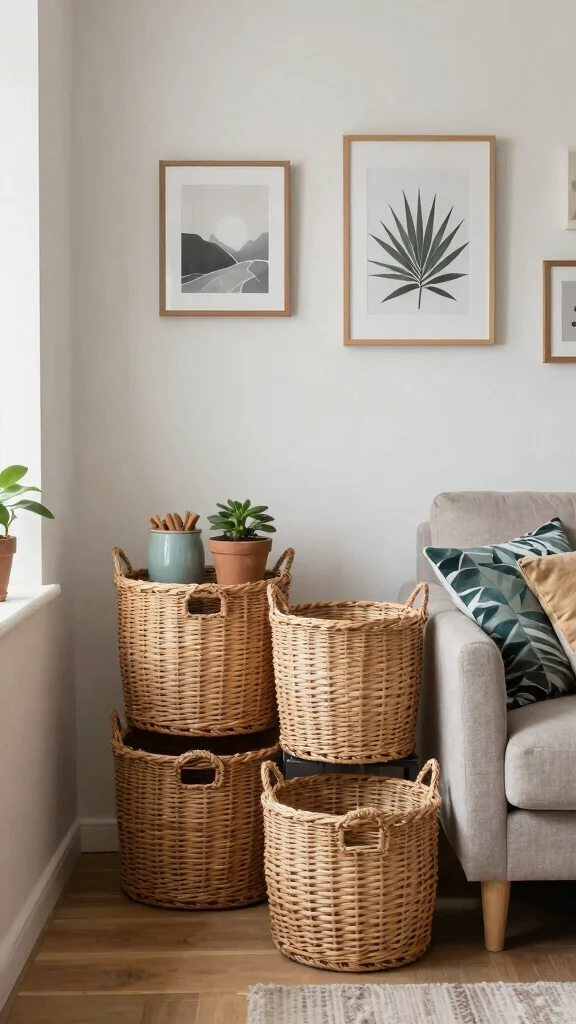
Decor should not only be visually appealing but also serve a purpose! In small living rooms, every item counts, so selecting functional decor can help maximize your space. Look for pieces that provide aesthetic appeal while also being practical.
Here are some ways to blend function with style:
– Use decorative baskets for storage that also add texture.
– Choose wall art that doubles as storage, like a hanging rack for keys.
– Incorporate stylish containers for remote controls and miscellaneous items.
Functional decor emphasizes organization while showcasing your unique style, maintaining a clean and clutter-free environment.
Fun fact: In living room designs small spaces, every item counts. A single multifunctional piece—like a storage ottoman or wall-mounted rack—can reclaim critical square footage while keeping style intact.
You Might Also Like
12. Introduce Plants for Life
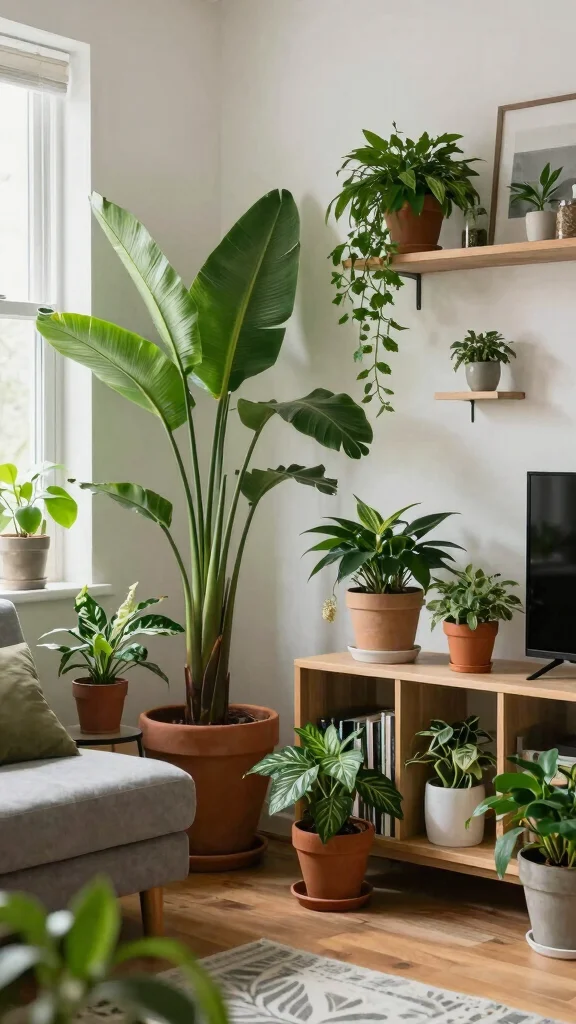
Incorporating plants into your living room can breathe life and vibrancy into your space, creating a refreshing atmosphere. Not only do they improve air quality, but they also enhance the visual appeal of your surroundings. Small potted plants, hanging greenery, or larger specimens can liven up your environment without occupying much space.
Consider these tips for adding plants:
– Use plant stands or shelves to elevate greenery and free up floor space.
– Choose low-maintenance plants for ease of care.
– Mix different plant sizes for depth and visual interest.
Bringing greenery into your small living room fosters a cozy ambiance, offering a refreshing escape from daily life.
13. Play with Patterns
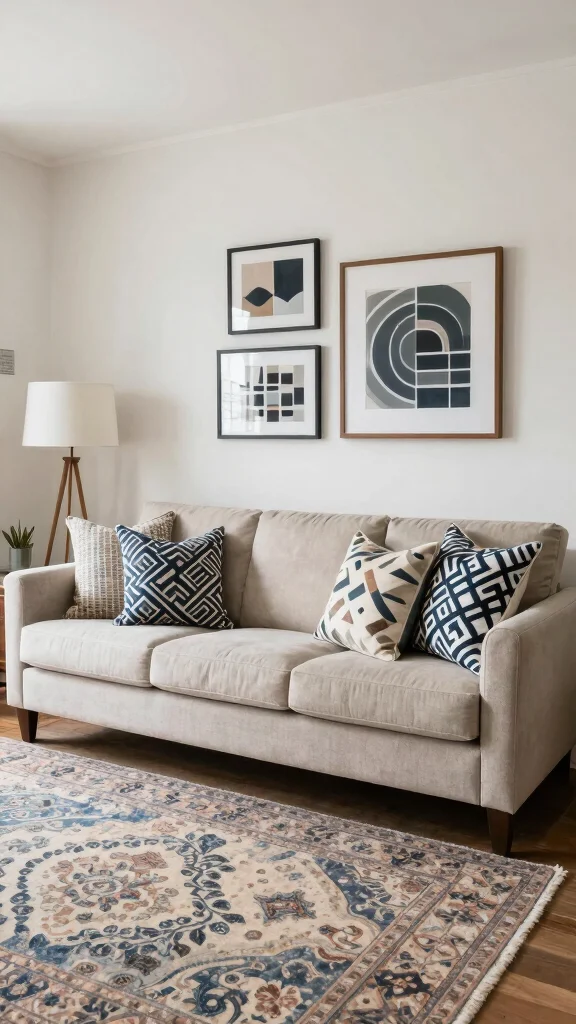
Patterns can inject dynamism into small living room designs, breaking up monotony and adding visual intrigue. However, moderation is key to avoid overwhelming the space. Introduce patterns through textiles, rugs, or artwork to create interest without making the area feel cramped.
Here’s how to play with patterns:
– Mix patterns within the same color palette for cohesion.
– Use patterned cushions or throws to highlight solid furniture pieces.
– Consider geometric patterns for a modern touch.
When executed thoughtfully, patterns can elevate your decor, making your small living room feel vibrant and full of character.
14. Personalize Your Space
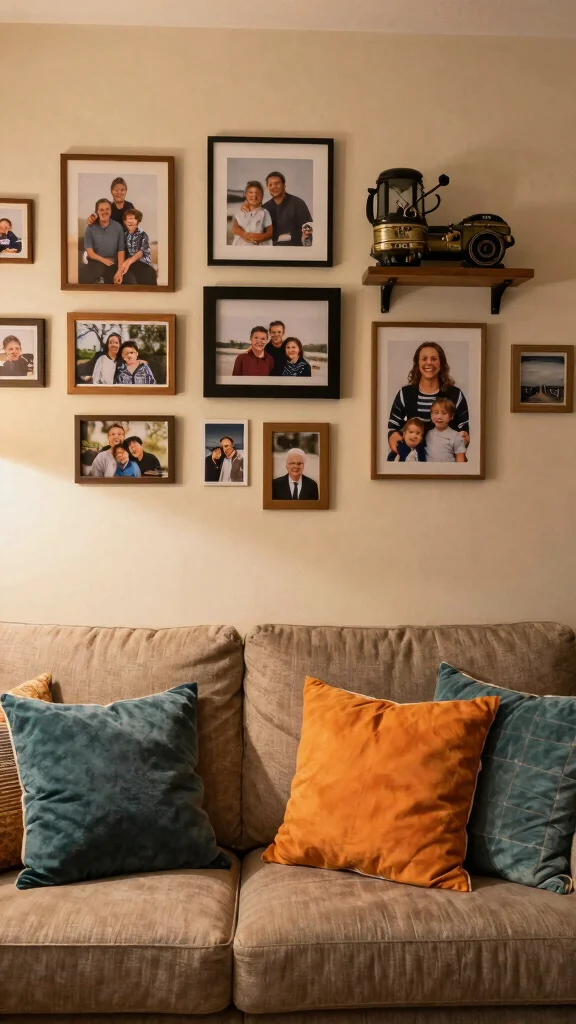
Personal touches make a living room feel truly like home. By incorporating items that reflect your personality—be it family photos, art pieces, or travel souvenirs—you can infuse warmth and character into your space.
To effectively personalize, consider the following:
– Create a gallery wall showcasing your favorite memories.
– Display unique finds from travels or hobbies.
– Use personal color schemes and styles to guide your decor choices.
Personalizing your space ensures that your small living room is not only stylish but also a genuine reflection of who you are, creating a warm and welcoming refuge.
Conclusion
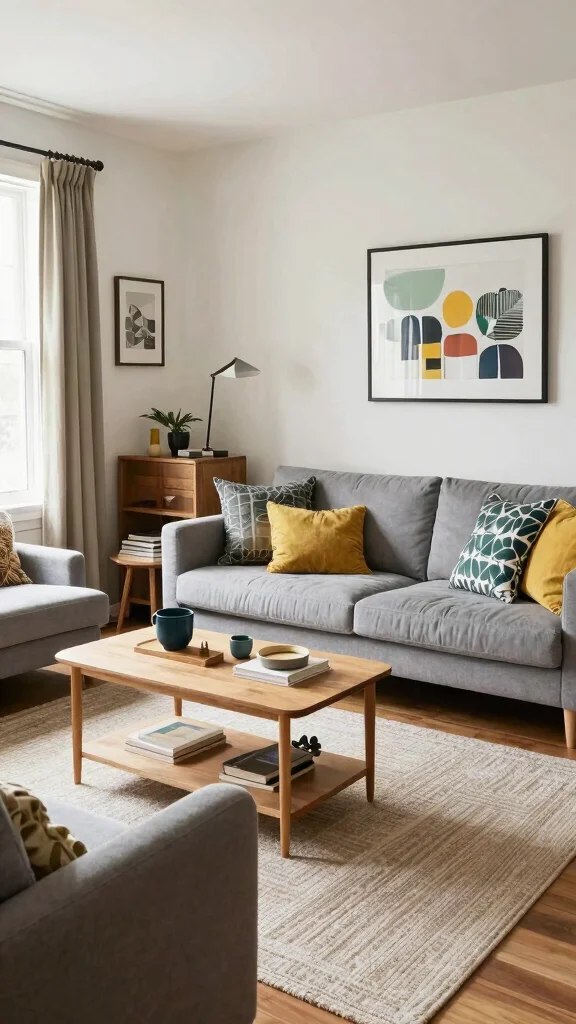
Designing a small living room doesn’t mean compromising on style or comfort. With thoughtful choices and a focus on multifunctional elements, you can create an inviting space that feels open and stylish. Whether you prefer minimalist designs, vibrant patterns, or personalized decor, the key is to optimize every inch while reflecting your personality.
Explore these ideas to transform your small living space into a cozy oasis that truly feels like home.
Frequently Asked Questions
What are the core principles of living room designs for small spaces that feel open and stylish?
Start with open sightlines and smart layout to keep traffic flowing. For small spaces, prioritize living room designs small spaces that maximize natural light, use space-saving furniture, and keep furniture scale appropriate. Choose a cohesive, neutral base and layer texture with cushions and throws to achieve cozy home styling while keeping a minimalist design feel.
Add vertical storage, wall-mounted options, and reflective surfaces like mirrors or glass to bounce light and visually expand the room.
How can I maximize multifunctional furniture in a small living room?
Look for pieces that serve more than one purpose. A sofa with hidden storage or a sleeper sofa handles seating and sleeping needs; a coffee table with shelves or a lift-top table adds work and display space; nesting tables and poufs can move where you need them. Place storage wisely to free floor space, and arrange for easy traffic flow. This aligns with space-saving furniture, small living room ideas, and modern decor tips.
Which space-saving furniture ideas deliver the most impact in small living rooms?
Start with nesting coffee tables or a slim-profile sofa with built-in storage; a wall-mounted media unit keeps TV and devices off the floor; floating shelves in corners hold books and decor without crowding surfaces. Add a compact desk or console behind the sofa to slim-line the setup while providing a workspace when needed. Always consider minimalist design principles and test scale in your space to preserve cozy home styling.
How can I mix minimalist design with cozy home styling in a small space?
Think calm neutrals with warm textures. Choose a soft color palette and layer fabrics like linen, wool, and cotton to create coziness within minimalist design. Introduce warm wood accents, tactile textiles, and a few well-placed plants for life. Keep surfaces clutter-free and use modern decor tips like hidden storage, multi-use pieces, and purposeful lighting to maintain comfort without visual noise.
Tip: balance simplicity with personality—select one or two statement pieces that feel cozy without overpowering the space.
What are practical decorating tips to make small living rooms look larger?
Use a light, cohesive color palette across walls, furniture, and textiles to open up the space, and add mirrors or reflective surfaces to bounce light. Choose furniture with exposed legs and slim profiles to create visible floor space; place larger pieces away from walls to create a sense of depth. Integrate vertical storage to draw the eye upward and add modern decor tips to keep the look fresh. Finish with cozy home styling touches like soft throws and a few green plants to feel inviting without clutter.
Related Topics
home decor
small spaces
living room designs
space-saving furniture
minimalist design
cozy styling
modern decor tips
multifunctional furniture
budget friendly
easy updates
small living room ideas
stylish interiors
Leave a Reply