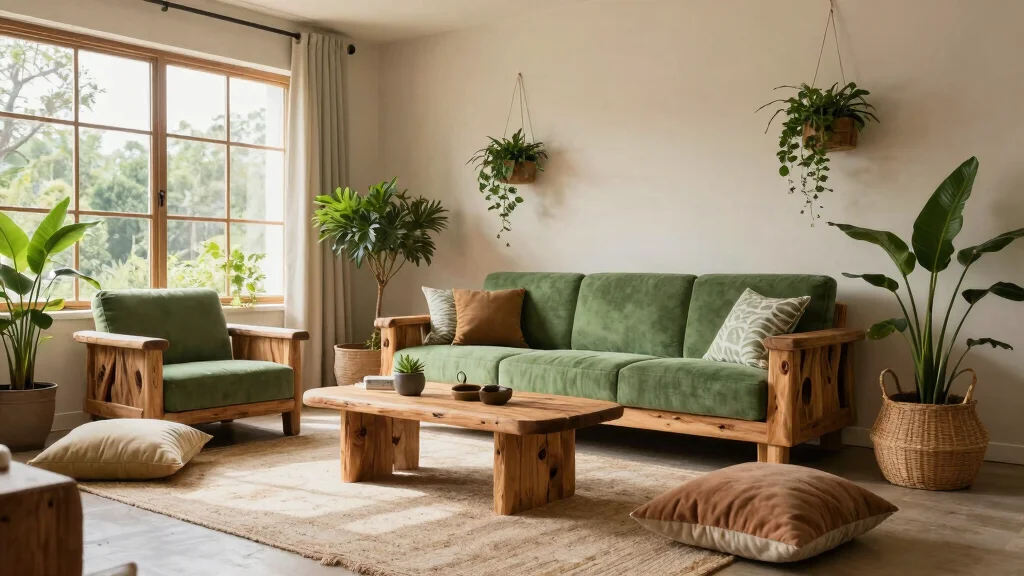
Creating a beautiful and functional living room is a common dream for many of us. Perhaps you’ve found yourself scrolling through Pinterest, daydreaming about cozy spaces that reflect your personality and lifestyle. The truth is, designing an inviting living room goes beyond aesthetics; it’s about crafting a space that enhances your daily life. This post is here to help you navigate the exciting world of interior design living room ideas, offering you inspiration that combines style with sustainability.
If you’re someone who cares about home decor and the environment, you’ve arrived at the right place. You desire a living space that not only looks good but also feels good to live in. You want to make choices that are gentle on the planet without sacrificing style. In this guide, I’ve gathered 16 innovative ideas that cater to your eco-friendly mindset. From embracing natural materials to incorporating vintage finds, these ideas will empower you to create a living room that is both beautiful and functional.
As you dive into these creative concepts, you’ll find that each suggestion is designed to spark your imagination and guide you toward practical applications. You will discover ways to enhance your living room’s decor while being mindful of space planning, furniture arrangement, and color scheme ideas. Get ready to transform your living room into a sanctuary that reflects your values and lifestyle!
Key Takeaways
– Natural Materials: Using wood, stone, and other organic materials can add warmth and a timeless feel to your living room while supporting sustainability.
– Indoor Plants: Incorporating greenery not only beautifies your space but also improves air quality and promotes a calming atmosphere.
– Eco-Friendly Furniture Arrangement: Thoughtful furniture placement can maximize your space and functionality, creating a living room that is both stylish and practical.
– Color Schemes for Sustainability: Choosing colors that reflect nature can create a soothing environment, making your living room a peaceful retreat.
– Vintage Finds: Scouting for unique vintage pieces adds character and history to your decor while reducing waste and promoting recycling.
Recommended Products

Recessed Storage Center Design – Style, Storage & Visual Balance: The sunken center tabletop design creates a dedicated display area for plants, decorative stones, crystals, candles, or diffusers. This rustic coffee table with storage keeps items visually organized while adding depth, balance, and character to your living space—beautifully styled, never cluttered.

Essential Living Room Table With Lift-Top: Do you often find yourself hunched over your coffee table to type on your laptop or eat a quick lunch? OKD coffee table with lifting top allows you to raise the tabletop to a more comfortable height for task. Equipped with high-quality hinge that take minimal effort to operate and provide smoothest motion, allow the tabletop can be easily raised or lowered to meet different needs, ensuring a comfortable user experience. Plus, additions to the farm decor
1. Embrace Natural Materials
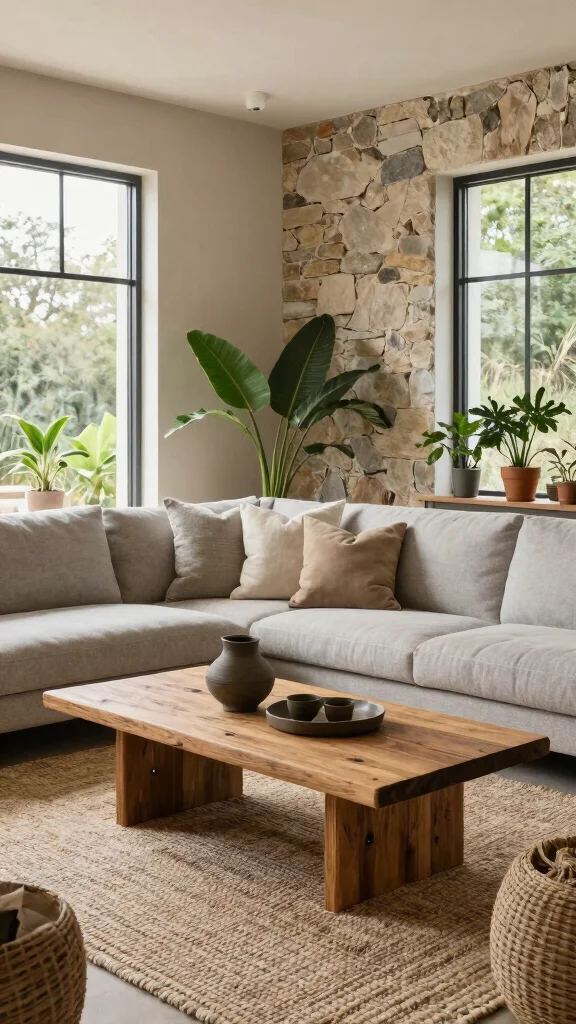
Natural materials like wood, stone, and bamboo create a cozy yet sophisticated atmosphere in your living room. Their organic textures and tones bring warmth and a sense of connection to the outdoors, making your space feel inviting. For example, pairing a reclaimed wood coffee table with stone accents can enhance the rustic charm, beautifully complementing your greenery. The earthy palette fosters visual harmony and a calming ambiance that everyone can enjoy.
To fully embrace this aesthetic, consider furniture crafted from sustainably sourced materials. Look for budget-friendly options like second-hand pieces or DIY projects to add character without overspending. Incorporating natural materials also aligns with current trends toward eco-conscious living, making your space not just stylish but also sustainable.
Consider these key elements to enhance your natural materials theme:
– Pair reclaimed wood furniture with accents of stone.
– Use earthy color schemes to evoke tranquility.
– Incorporate organic shapes for a soft, flowing layout.
– Layer textures with woven fabrics for added depth.
By focusing on natural materials, you cultivate a serene environment that feels both stylish and connected to nature.
Recommended Products

Decorative Stone Accent for Everyday Styling: This 4.72 inch travertine sphere is designed as a decorative home accent for coffee tables, console tables, shelves, dressers, bookcases, and office desktops.

(3pcs) Blue Green Titanium Quartz Druzy Mix Gemstones, Home, Office, Living Kitchen, Room Decor, Loose Gems, DIY, Wire Wrapping, Reiki, Wikka, Healing Crystals, Bulk Deal 20-35 MM

Real Marble Table Lamp & No Assembly Needed-Not resin, Not ceramic,Not faux marble! All Lamp body made of authentic European thin marble slab with a soft matte finish, constructed by our marble master team, each is a real marble lamp, is one-of-a-kind due to individual, distinct marble veining, a work of art that highlighting the drama of natural stone.The lamp is pre-assembled, all you need to to is plug in and one single tap to enjoy
2. Go Green with Indoor Plants
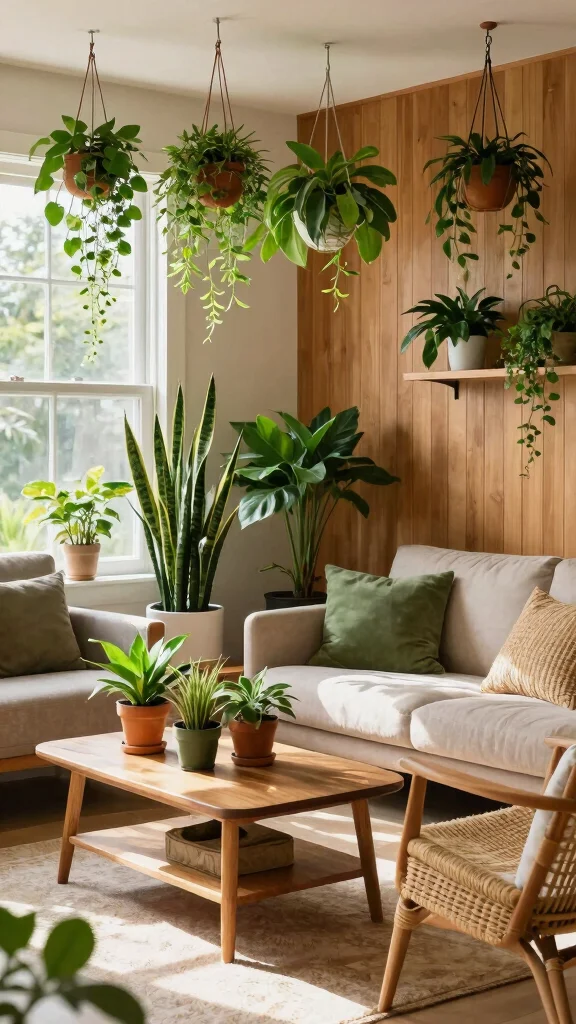
Indoor plants are a wonderful way to add life and vibrancy to your living room while promoting better air quality. They bring a touch of nature indoors, creating a refreshing atmosphere that enhances your mood. Selecting resilient plants like snake plants or pothos ensures that your greenery thrives in various light conditions. Hanging planters can serve as eye-catching decor while saving valuable floor space.
To create a lush indoor garden, group plants of varying heights on shelves or tables. Budget-friendly options include propagating cuttings from friends or purchasing second-hand pots. Connecting with nature through plants not only beautifies your space but also instills a sense of calm and relaxation.
Enhance your indoor garden with these practical tips:
– Select pots made from recycled materials for eco-friendliness.
– Arrange plants in varying sizes for visual interest.
– Use plant stands to elevate smaller pots for depth.
– Consider a vertical garden as a striking feature wall.
Incorporating indoor plants into your living room not only elevates its aesthetic but also fosters a peaceful and nurturing environment.
Recommended Products

Innovative Modern Design: Boasts a striking vertical ribbed texture that exudes contemporary elegance, combining minimalist aesthetics with a bold visual appeal. The smooth curved lines and sleek silhouette effortlessly integrate into various interior styles, whether modern, industrial, or transitional, instantly elevating the living room's decorative charm.
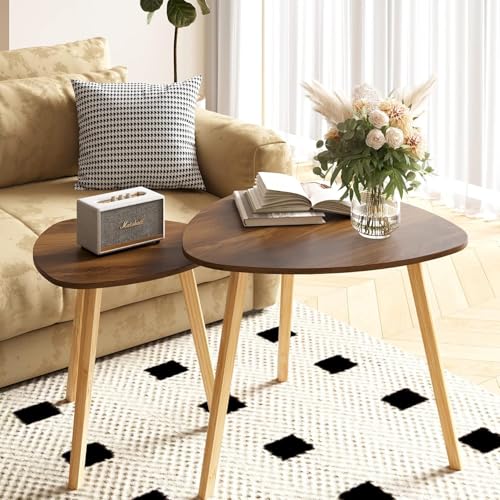
SAFE MATERIAL: Made of solid MDF panel material smooth paint and bamboo table legs, which is Sturdy and not easily damaged

【100% Natural Bamboo Material】 : This nightstand is crafted from premium natural bamboo, boasting enhanced sturdiness and lightweight performance compared to ordinary wood. Its smooth painted finish showcases distinct natural bamboo grain and extends service life.Engineered for long-lasting durability and effortless daily cleaning, this bamboo night stand bedside table brings an elegant, minimalist and fresh vibe to your bedroom or living space.
3. Eco-Friendly Furniture Arrangement
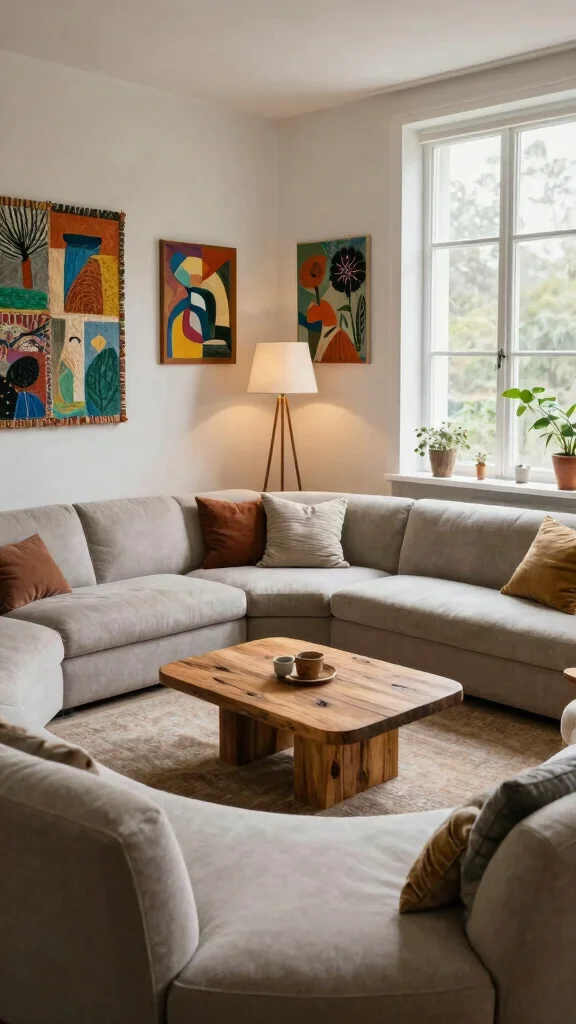
The arrangement of furniture can significantly shape the functionality and feel of your living room. Choosing eco-friendly, versatile pieces makes it easy to adapt your space for different activities, from movie nights to casual gatherings. Modular sofas crafted from recycled materials allow for creative configurations that suit your lifestyle.
Be sure to maintain a logical flow throughout the space, facilitating easy movement and comfort. Creating distinct zones for various activities enhances practicality and enjoyment.
Utilize these strategies for a smart furniture layout:
– Create zones for activities, like a cozy reading nook.
– Position seating to foster conversation while keeping pathways clear.
– Use multi-functional furniture for efficiency and flexibility.
– Consider circular arrangements to promote a sense of community.
A well-thought-out furniture arrangement not only maximizes your space but also enhances the overall enjoyment of your living room.
Recommended Products
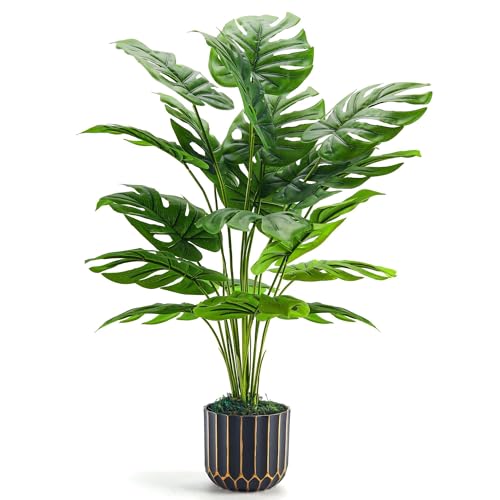
28 inches: Pots are 4.9'' tall, 4.3'' wide, monstera plants are 28'' tall, our faux trees indoor are perfectly proportioned to fit any shelf or desk. Unique black and gold pot design adds premium beauty to your home

【UNIQUE DESIGN】Rustic black clay pot matched with lifelike faux fiddle leaf fig foliage that stays vibrant fresh all year long. No watering, pruning, sunlight or messy soil required—zero upkeep for busy plant parents, ideal potted decor for bedroom, kitchen counter, bathroom, office & farmhouse tabletop display

Adjustable Width Plant Stand: This Indoor Plant Stand adjustable from 8 to 12 inches in width, which allowing you to place plant pots of different sizes; The adjustable plant stand has 2 height displays, you can switch heights by flipping the stand over
4. Incorporate Vintage Finds
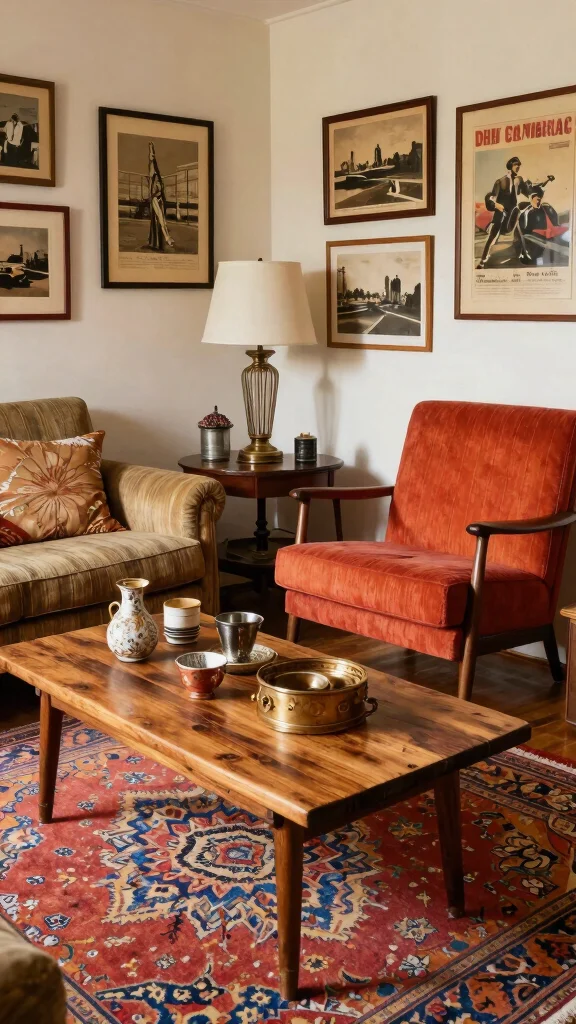
Vintage decor brings unique character and charm to your living room, making it feel more personal and inviting. Exploring thrift stores, flea markets, or online marketplaces can uncover one-of-a-kind pieces that add depth to your design. Items like a quirky lamp or a stylish mid-century chair can serve as captivating conversation starters.
Mixing vintage pieces with modern furniture creates an eclectic aesthetic that’s both stylish and rich in history. Refinishing or reupholstering older furniture breathes new life into cherished finds while aligning with sustainable practices.
Here are some suggestions for integrating vintage decor:
– Mix and match vintage pieces with modern furnishings.
– Consider refinishing older items for a fresh look.
– Use vintage decor like old books or retro vases to enhance style.
– Embrace imperfections, as they often add charm.
By incorporating vintage finds, you create a unique living space that tells a story while promoting sustainability.
Recommended Products
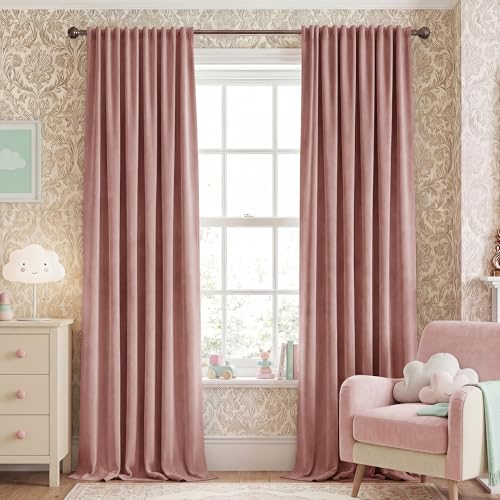
Luxurious Velvet Fabric: Crafted from high-grade velvet, this curtain delivers an ultra-soft, plush touch that instantly elevates the luxury of any space. Its fine texture boasts a subtle, warm luster that catches light gently, adding a layer of sophistication to your rooms—turning ordinary living areas into elegant, cozy retreats that reflect refined taste.

【Superior Material】This fluffy cozy rug is made from soft wool coral fleece, and the soft rug sandwich contains sponge filler to provide extra cushioning, protect you and your children, pets, and provide you with a soft and comfortable touch
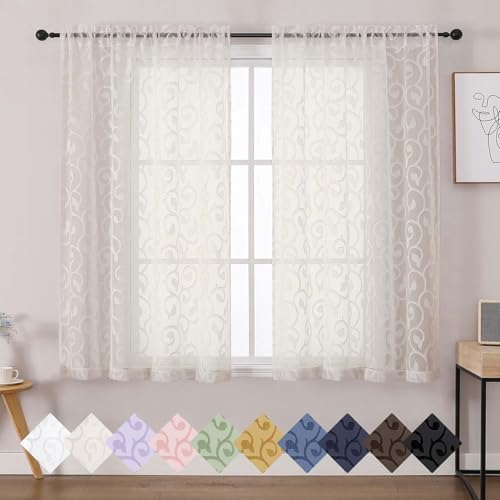
Sold as 2 Panels: Each package includes 2 panels geometric jacquard clip sheer curtains, Each ivory curtains is 42 inch wide by 54 inch length, There are dual rod pocket design, which is top elegant 1.5" header and 2.5" rod pocket is suitable for 1" rods, which makes the sheer curtains easy to hang or slide. Multiple sizes are available, please measure your window first for the right choose
5. Choose Energy-Efficient Lighting
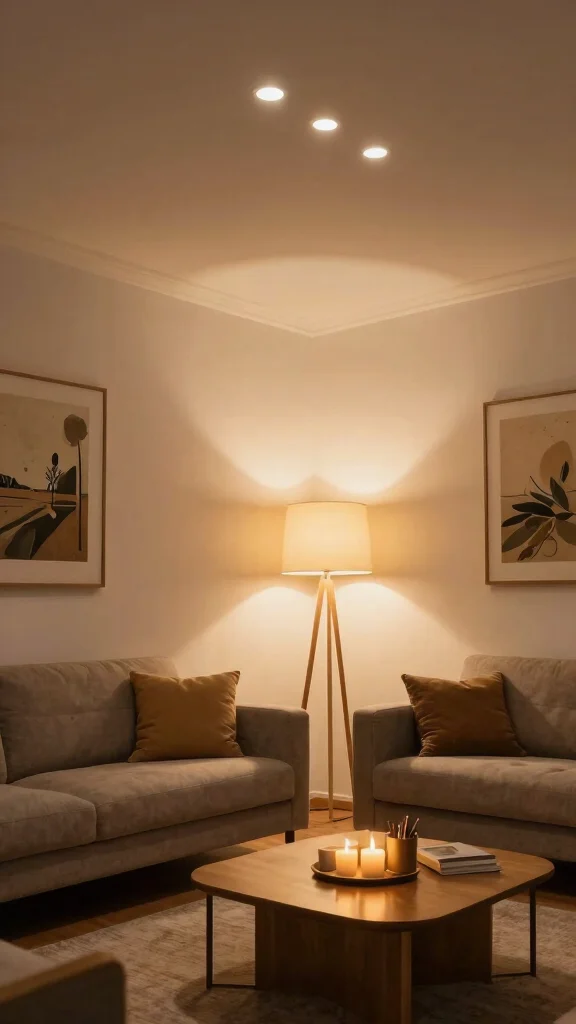
Lighting plays a crucial role in shaping the atmosphere of your living room. Opting for energy-efficient solutions not only saves on electricity bills but also enhances the overall ambiance. Installing LED bulbs provides ample brightness while consuming less energy. Combining different types of lighting—ambient, task, and accent—creates a versatile and welcoming space.
Utilizing dimmer switches allows you to adjust the light according to the time of day or activity, adding to your living room’s functionality. Incorporating lamps and fixtures made from natural materials like wood or bamboo gives your space a cohesive, organic feel.
Enhance your lighting with these tips:
– Use dimmer switches for adjustable lighting options.
– Incorporate lamps featuring natural materials for cohesion.
– Highlight artwork or architectural features with accent lighting.
– Choose light fixtures crafted from recycled materials.
Thoughtful lighting design not only beautifies your living space but also contributes to a more sustainable lifestyle.
Recommended Products

NO TWO ALIKE: Photos show examples only. Each live edge coffee table varies in shape, grain, color, knots, natural openings and small surface checks.

Handcrafted Cedar Root Construction: Each table is handcrafted from carefully selected reclaimed cedar roots by skilled artisans. Rich wood grain, organic textures, and natural variations create a distinctive piece that showcases the beauty of authentic cedar wood.

Handcrafted Cedar Stump Construction: Each table is crafted from carefully selected reclaimed cedar stumps by skilled artisans. Natural wood grain, organic textures, and rich cedar tones create a distinctive rustic accent for any room.
🏡 Transform Your Space Like a Pro
Unlock the secrets to stunning DIY makeovers that elevate your living room sustainably and stylishly.
6. Play with Color Schemes
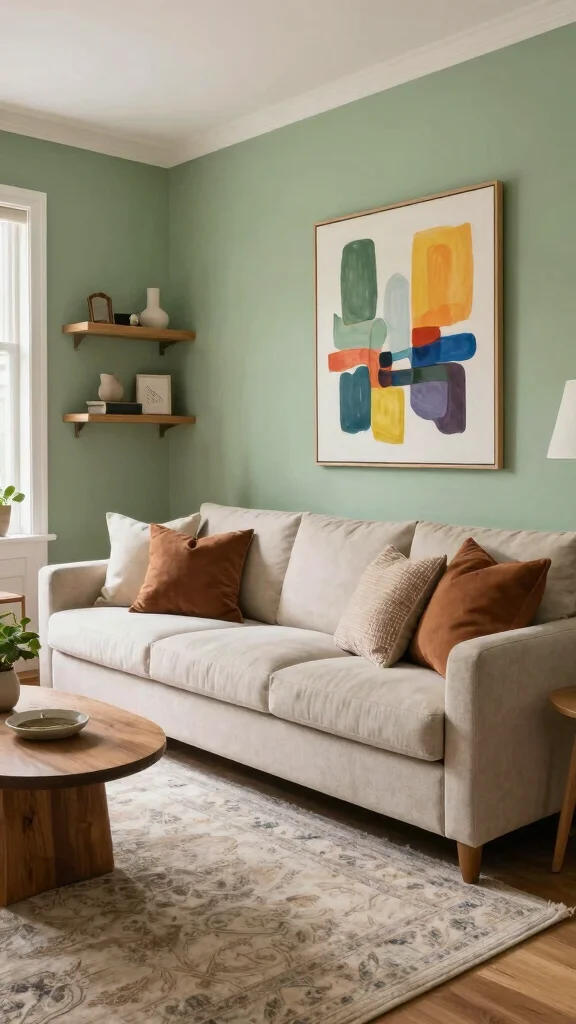
Selecting the right color scheme is vital for establishing the mood in your living room. Earthy tones and natural shades are especially appealing, evoking feelings of tranquility and warmth. Combining soft greens, warm beiges, and muted blues can create a serene environment that mimics the beauty of nature.
Using low-VOC paint keeps the air quality fresh while making a significant impact on your design. An accent wall with a bold color or textured wallpaper adds interest without overwhelming your space.
Incorporate these color scheme strategies:
– Use low-VOC paint for a healthier indoor environment.
– Create an accent wall with a bold color or textured wallpaper.
– Integrate colorful textiles, like throw pillows, for added layers.
– Balance darker colors with light furnishings for openness.
A thoughtfully crafted color scheme can elevate your living room’s aesthetic while creating a comfortable retreat.
Recommended Products

[AUTHENTIC TRAVERTINE & WABI-SABI AESTHETIC] Crafted from 100% real yellow travertine, our 4.7"x4.7" square wall sconce proudly retains its natural organic pores. Treated with an eco-friendly anti-corrosion coating, each piece delivers a raw, earthy mid-century modern vibe, ensuring your wall decor is truly one-of-a-kind.

Standard size: 2 gang rocker decorative light switch cover plate 4.9" x 5", matching screws for the pattern are included
7. Sustainable Artwork and Decor
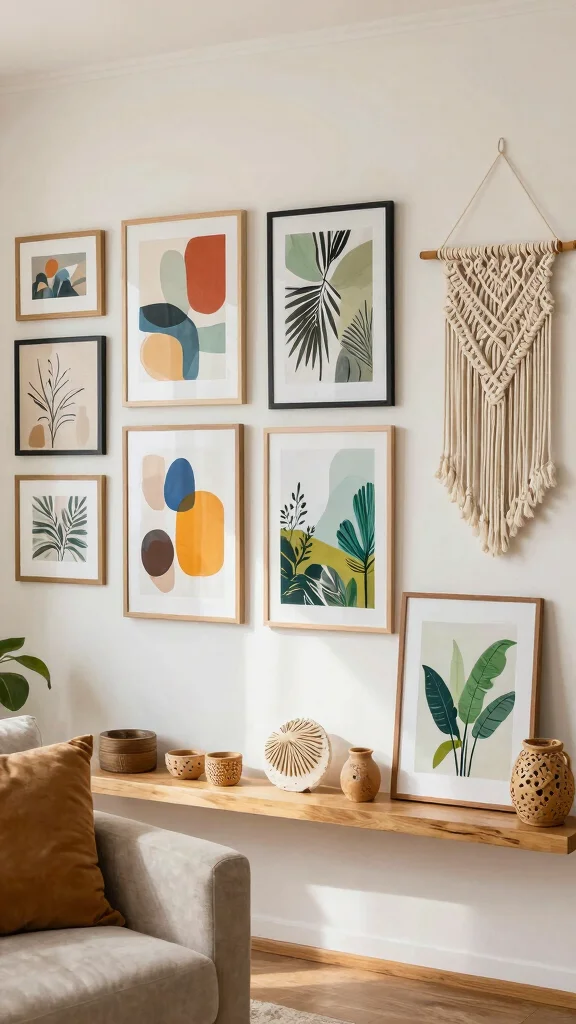
Art and decor are the finishing touches that give your living room its unique personality. Choosing pieces made from sustainable materials or eco-friendly inks supports both your design vision and the planet. Seek out local artists or artisan markets to discover one-of-a-kind art that uplifts your space while supporting your community.
Creating a gallery wall with mixed art styles and sizes adds visual interest and a personal touch. Incorporating handmade items that tell a story enriches your decor and fosters connection.
Enhance your living room with these art and decor ideas:
– Create a gallery wall with varied art styles.
– Choose nature-inspired artworks for thematic resonance.
– Incorporate handmade decor items for uniqueness.
– Use decor crafted from recyclable materials for sustainability.
Thoughtful artwork and decor can dramatically transform your space, making it feel more expressive and homey.
Recommended Products

Handy Charging Station: The upgraded side table features a charging station with an AC outlet (still available older versions with 2 USB-A ports) , a USB-A port, and a Type-C port with a 4.9-foot-long power cord for you to conveniently charge devices like phones, headphones, and lamps by your bed or couch, offering both convenience and flexibility

Handy Charging Station: The side side table features a charging station with an AC outlet, a USB-A port, and a Type-C port with a 4.9-foot-long power cord for you to conveniently charge devices like phones, headphones, and lamps by your bed or couch, offering both convenience and flexibility

Fun Monstera Leaf Design: Unique leaf-shaped design inspired by real monstera plants! Realistic leaf veins and open-edge details make these tables stand out—no more boring square or triangle shapes. These nesting coffee tables adds a fresh and artistic touch to living rooms, balconies. Perfect for plant lovers and modern decor!
You might also like
Cost Breakdown & Budget Planning
Creating a stunning and practical living room doesn’t have to break the bank. By understanding the costs involved, you can plan your budget effectively. Let’s dive into a detailed breakdown that helps you allocate your spending wisely.
Cost Breakdown by Category:
– Materials/Products: Expect to spend between $500 to $5,000 depending on your choices. This includes furniture, decor, and flooring.
– Tools/Equipment: If you’re planning to take on some DIY tasks, budget around $100 to $300 for tools like paintbrushes, scissors, and utility knives.
– Labor/Professional Installation: Hiring professionals can cost anywhere from $300 to $2,000. This depends on the complexity of your project and the rates in your area.
– Optional Extras: Add about $200 to $1,000 for things like custom artwork, unique decor pieces, or high-end lighting fixtures.
Budget Tier Breakdown:
Basic Economy Tier £/€/$
– What’s included: This tier focuses on essential items like basic furniture and budget-friendly decor choices. You might purchase a simple couch, a small coffee table, and some basic accessories.
– Good for: First-time renters or those looking to furnish a space on a tight budget.
– Limitations: You’ll likely miss out on high-quality materials and designer pieces, which can impact the overall aesthetic and comfort.
Mid-Range Tier ££/€€/$$
– What’s included: A balanced option that includes mid-priced furniture, stylish decor, and unique accents that elevate the space. Think of a well-made sectional, stylish rugs, and some trendy lighting.
– Good for: Families or individuals wanting a comfortable yet stylish living room that reflects personal taste without overspending.
– Best value for: Most people, as this tier blends quality and aesthetics without going overboard.
Premium Tier £££/€€€/$$$
– What’s included: Here, you get the best quality furniture and decor, including custom pieces and high-end materials. Expect designer sofas, premium lighting, and curated art collections.
– Good for: Homeowners looking to create a luxurious and cohesive design that stands out.
– Worth it if: You want a space that reflects your personal style and you have the budget to invest in lasting quality.
Money-Saving Tips:
– Look for second-hand furniture. Thrift stores and online marketplaces often have unique finds at lower prices. You can give them a fresh look with a coat of paint or new upholstery.
– Shop sales and clearance events, especially during holidays. You can score high-quality items at a fraction of the price during these times.
– Embrace DIY projects. Simple tasks like painting or making your own wall art can save money and add a personal touch to your decor.
– Opt for multi-functional furniture. Pieces like a sofa bed or storage ottoman can save space and money by serving more than one purpose.
Where to Splurge:
– Comfortable Seating: Invest in a good quality sofa or chair. This is where you and your guests will spend the most time, so comfort is key.
– Quality Lighting: Good lighting can change the ambiance of a room. Spend a bit more on stylish fixtures that also provide adequate light for your space.
– Rug Selection: A high-quality rug can tie the room together. Look for one that’s durable and easy to clean, especially if you have kids or pets.
With this budget guide, you can create a beautiful and functional living room that suits your style and needs without overspending. Happy decorating!
Recommended Products

✅ Planter Included – Our olive tree comes with a 9.45 inch White Planter ,save extra purchase of planter.The artificial Olive tree is pre-assembled in a sturdy plastic planter for easy placement and care.
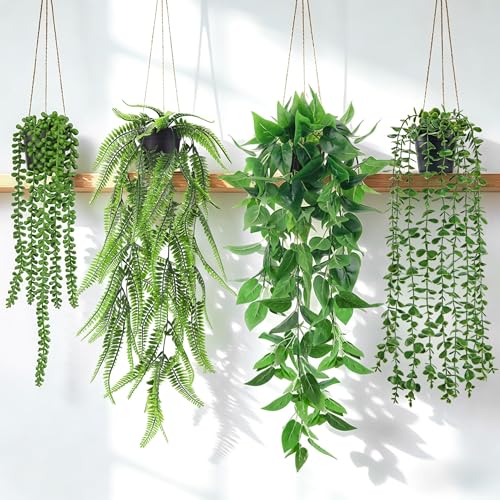
Material: These fake hanging plants decor are made with high quality plastic material, Uv-resistent and waterproof for outdoor use, can add a touch of natural beauty to any space

8. Textured Fabrics for Comfort
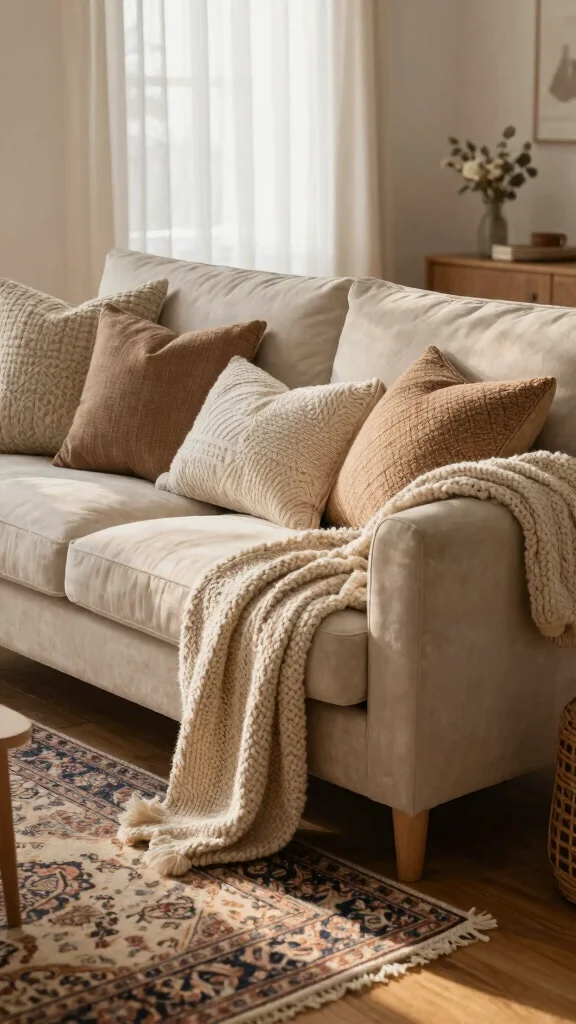
Fabrics significantly influence the comfort level of your living room, making it crucial to choose them wisely. Opt for textiles that are stylish and sustainably sourced, such as organic cotton, linen, or hemp for curtains and cushions. These materials not only enhance comfort but also support eco-friendly practices.
Layering different textures, like chunky knit throws or woven cushions, creates visual warmth and depth. Light, sheer curtains allow natural light to filter in while preserving privacy, adding to the inviting atmosphere.
Consider these textile choices for a cozy feel:
– Layer different textures for warmth and depth.
– Choose light fabrics for curtains to invite natural light.
– Use recycled polyester for durable upholstery.
– Incorporate throw blankets in various textures for comfort.
By selecting textured fabrics, you enhance the warmth and coziness of your living room while remaining mindful of the environment.
Recommended Products

【Natural Fabric】Our pillow cover is crafted of 70% natural ramie linen and 30% cotton. Natural fabric makes it soft, comfortable, breathable and durable for all season use.

Luxurious Velvet Fabric: Crafted from high-grade velvet, this curtain delivers an ultra-soft, plush touch that instantly elevates the luxury of any space. Its fine texture boasts a subtle, warm luster that catches light gently, adding a layer of sophistication to your rooms—turning ordinary living areas into elegant, cozy retreats that reflect refined taste.

Luxurious Velvet Fabric: Crafted from high-grade velvet, this curtain delivers an ultra-soft, plush touch that instantly elevates the luxury of any space. Its fine texture boasts a subtle, warm luster that catches light gently, adding a layer of sophistication to your rooms—turning ordinary living areas into elegant, cozy retreats that reflect refined taste.
9. Focusing on Multi-Functional Spaces
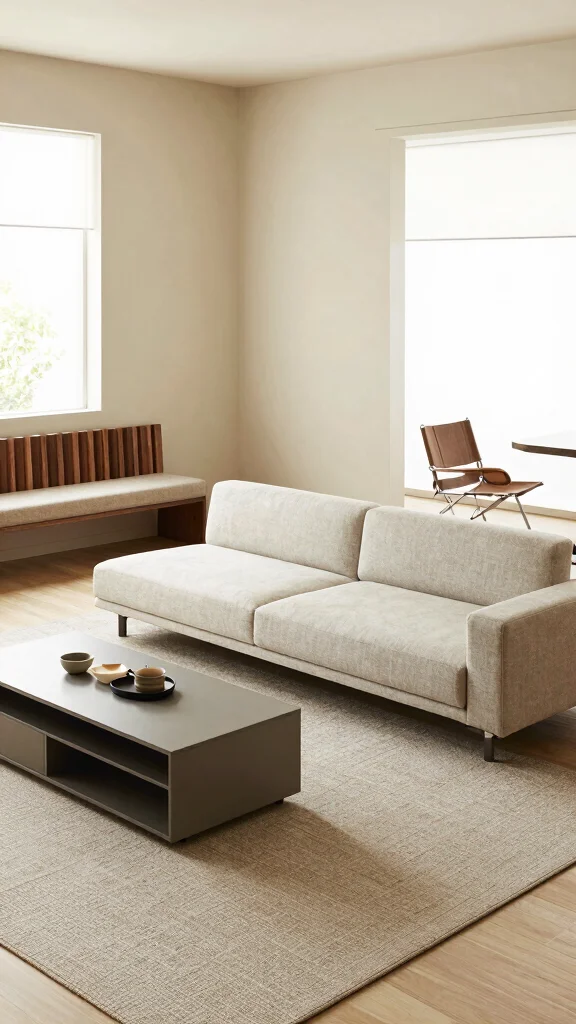
In today’s compact living environments, maximizing space is essential. Multi-functional furniture pieces can help create a living room that adapts to your needs, serving various purposes seamlessly. Investing in a sofa bed or an ottoman that doubles as storage keeps your area organized and clutter-free.
Flexible layouts allow you to utilize your living room for different activities, enhancing its practicality. Foldable tables or benches can also serve multiple functions, making your space more versatile.
Implement these multi-functional strategies:
– Use foldable tables for extra space when needed.
– Incorporate benches for seating or coffee table use.
– Choose decorative storage solutions that blend with your decor.
– Plan your layout to allow for flexibility as your needs change.
A well-planned multi-functional space ensures your living room is both practical and stylish.
10. Smart Technology Integration
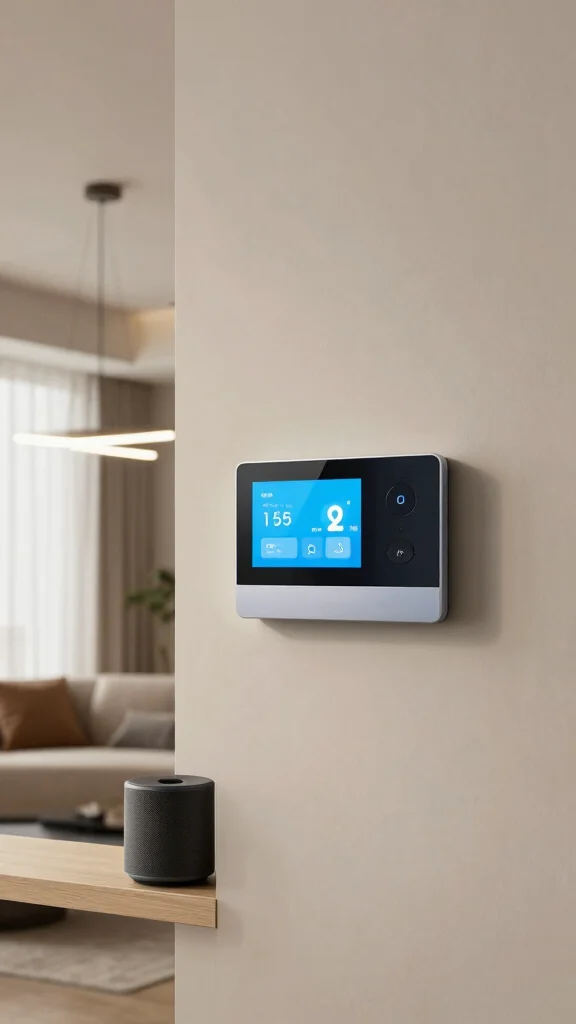
Smart technology is increasingly relevant in home design, enhancing your living room experience while promoting sustainability. Opt for energy-efficient devices like smart thermostats and lighting systems that help you monitor and manage energy consumption. This not only makes your life easier but also aligns with eco-friendly practices.
Using app-controlled systems allows you to adjust your living environment effortlessly, creating the perfect ambiance for any occasion. Choose wireless devices that eliminate clutter and maintain your decor’s aesthetic appeal.
Incorporate smart technology with these ideas:
– Ensure devices are energy-efficient and from sustainable brands.
– Use app-controlled systems for effective energy management.
– Choose wireless speakers for a clean setup.
– Integrate tech that complements your decor seamlessly.
Smart technology can simplify your life while contributing to a more sustainable home.
Did you know that smart thermostats and app-controlled lighting can cut energy use by up to 20% in a typical interior design living room? Smart tech makes your space feel effortless, greener, and perfectly lit—without sacrificing comfort.
11. Create a Cozy Reading Nook
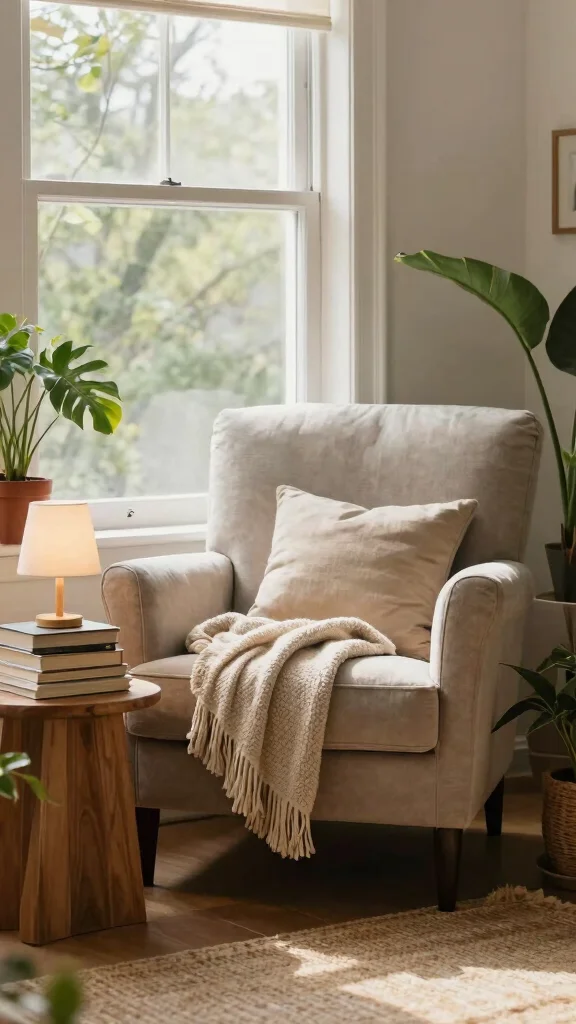
Every living room deserves a cozy corner dedicated to relaxation and reading. Designing a comfortable reading nook can transform a small area into your personal retreat. Choose a snug chair or chaise lounge and add a small side table for your books and a reading lamp to ensure adequate light.
Incorporating soft textiles, such as cushions and a throw blanket, invites comfort and warmth. Position your nook near a window to take advantage of natural light and create a calming atmosphere.
Enhance your reading nook with these tips:
– Utilize natural light by placing it near a window.
– Layer textures with cushions and a throw for comfort.
– Consider a small bookshelf or basket for easy access to reads.
– Surround the area with greenery for a refreshing vibe.
Creating a cozy reading nook personalizes your living room and promotes relaxation.
12. Wall Treatments for Character
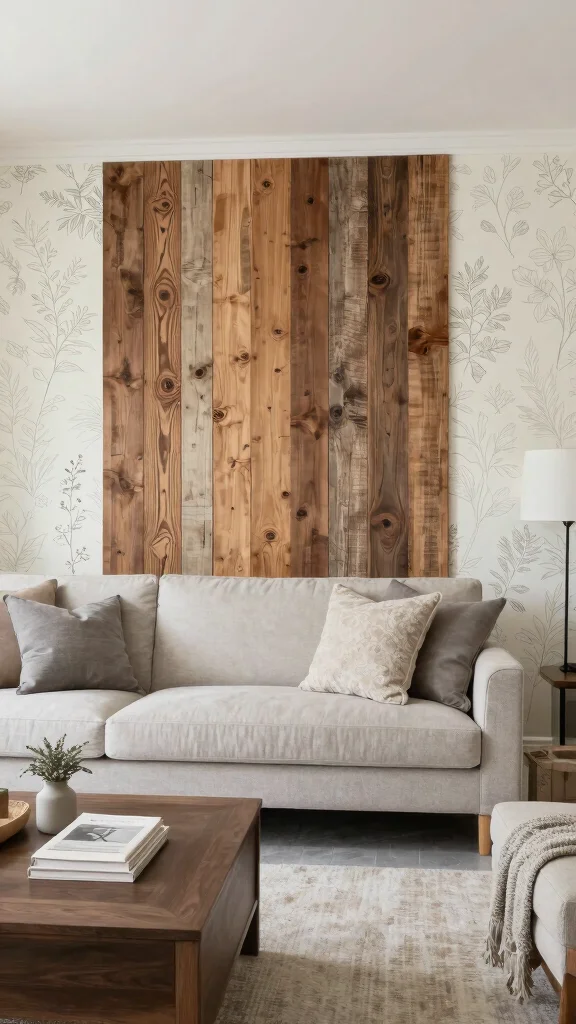
Wall treatments can dramatically enhance the design of your living room. Instead of relying solely on paint, consider sustainable options like eco-friendly wallpaper, wood paneling, or textured finishes to add character and depth. These choices can transform a bland wall into a stunning focal point.
Look for eco-friendly wallpaper made from natural fibers or recycled materials to support sustainability while making a stylish statement.
Explore these wall treatment ideas:
– Use painted accents for a striking focal point.
– Opt for removable wallpaper for easy updates.
– Create a feature wall with reclaimed wood or faux brick.
– Incorporate wall decals made from eco-friendly materials for fun designs.
Investing in wall treatments can elevate your living space while promoting sustainability.
You Might Also Like
13. Incorporating Textiles Thoughtfully
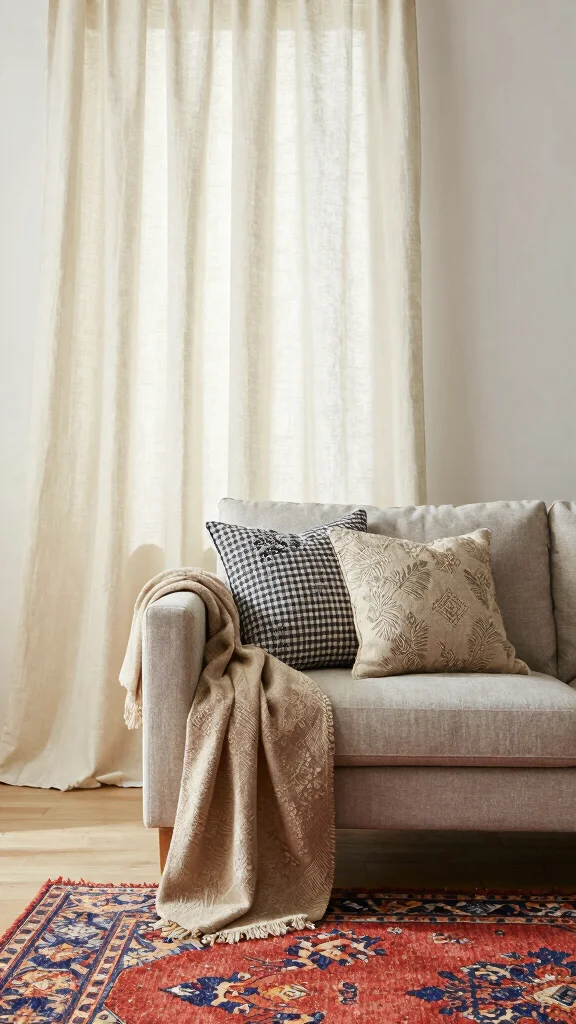
Textiles play a crucial role in defining comfort and style in your living room, so choosing them with care is essential. Opt for materials like organic cotton, linen, or wool for curtains, cushions, and throws. These sustainable options are not only durable but also gentle on the environment.
Using patterned textiles can add visual interest, but balance them with solid colors to avoid overwhelming the space. Mixing and matching patterns with similar color palettes creates a harmonious aesthetic that feels cohesive.
Implement these textile strategies:
– Use patterned textiles to create visual interest.
– Mix and match styles while keeping a similar color palette.
– Rotate textiles seasonally for a fresh look.
– Ensure textiles are easy to clean for longevity.
Thoughtful textile choices contribute to the overall comfort and style of your living room while showcasing your commitment to sustainability.
Did you know? Organic cotton uses 91% less water than conventional cotton, and linen fibers require fewer pesticides, making durable curtains and cushions kinder to the planet. Mix patterns with a calm neutral base to keep spaces balanced.
14. Open Space Concept
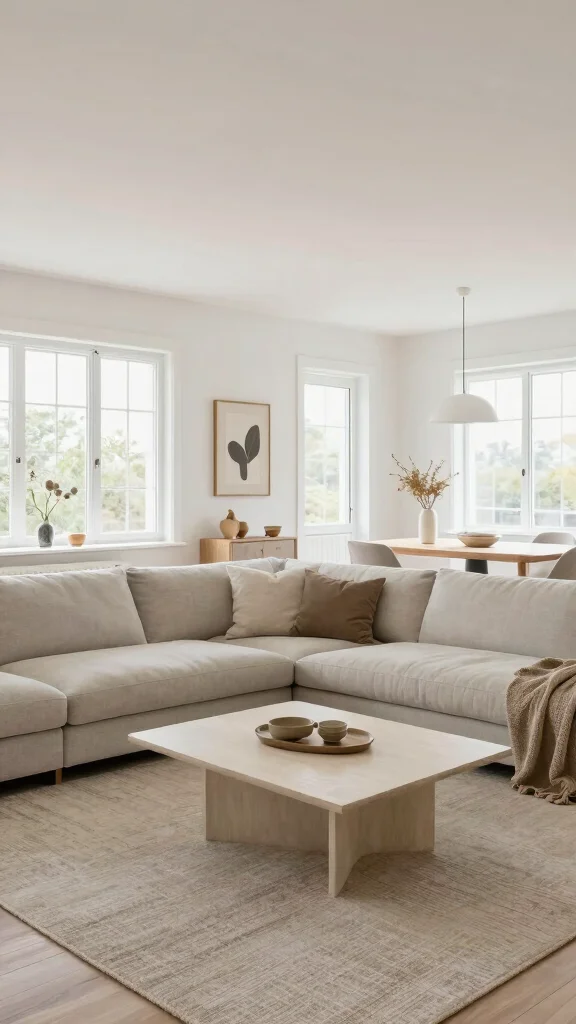
An open space concept fosters a seamless flow between the living room and adjoining areas, promoting connectivity and spaciousness. This design is particularly beneficial in smaller homes, giving the illusion of a larger area. By strategically placing furniture, you can define spaces without creating barriers.
Choosing low-profile pieces maintains sight lines, enhancing the feeling of openness. Incorporating multi-functional furniture allows you to adapt your space for various functions while keeping it visually appealing.
Utilize these tips for a successful open concept:
– Use furniture to define spaces without barriers.
– Choose low-profile pieces that maintain openness.
– Incorporate multi-functional furniture for versatility.
– Keep color schemes consistent for cohesion across areas.
This layout not only enhances functionality but also creates a sense of community throughout your home.
15. Personal Touches and Family History
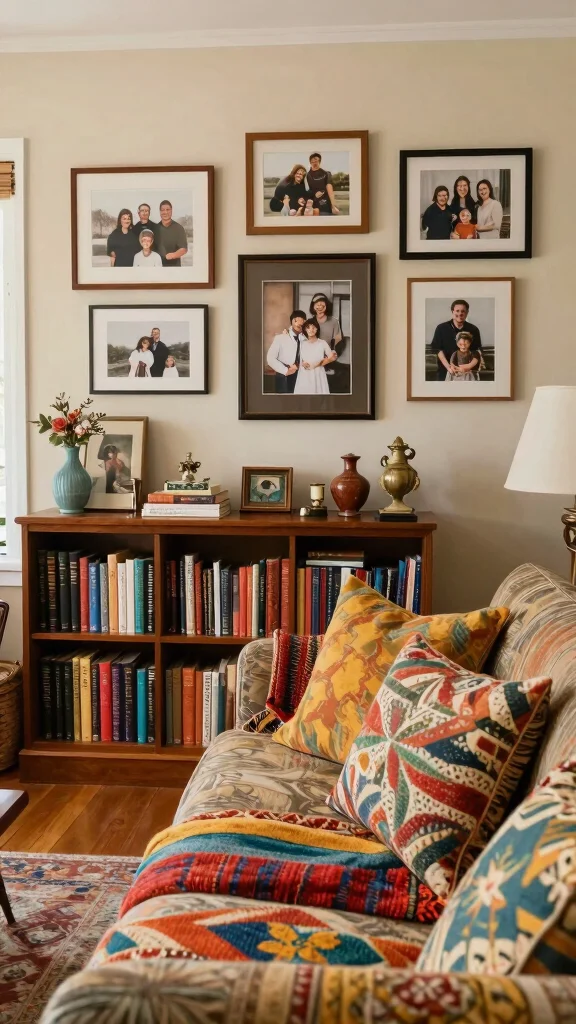
Personal touches in your living room design infuse the space with character and warmth. Incorporating family heirlooms, photographs, or artwork that holds sentimental value enriches your decor while telling your family’s unique story. These elements can bring a sense of nostalgia and connection to your home.
Creating a gallery wall with family photos in matching frames presents a stylish and cohesive look. Adding decorative items with history, like vintage books or collectibles, can spark conversation and add depth to your design.
Incorporate personal touches with these ideas:
– Create a gallery wall with family photos.
– Use decorative items with a history for conversation starters.
– Incorporate items in your favorite colors for personalization.
– Don’t hesitate to mix styles; it often results in charm.
By layering personal touches into your living room, you create a space that feels uniquely yours and fosters connection.
Personal touches in your interior design living room turn spaces into memories. Frame family photos and heirlooms—your gallery wall becomes a story you live in daily. Small, meaningful items keep the space warm, sustainable, and uniquely yours.
16. Mindful Decor Shopping
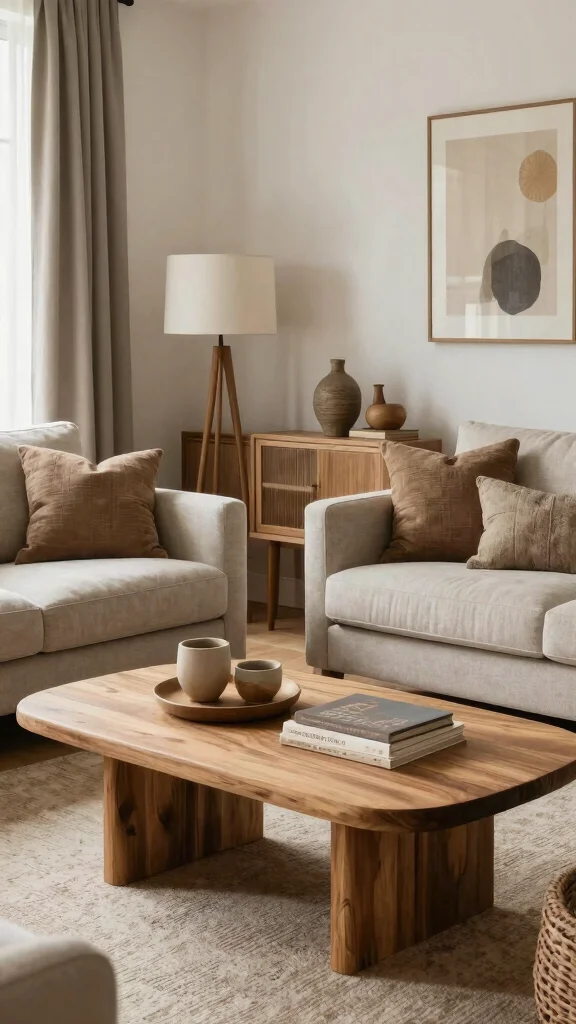
Engaging in mindful decor shopping can lead to a more sustainable and meaningful living room. Focus on quality over quantity; investing in fewer, high-quality pieces results in a more impactful and cohesive design. Look for brands that prioritize sustainability by using eco-friendly materials and ethical manufacturing practices.
Supporting local artisans reduces your carbon footprint while enhancing your decor with unique items. Consider timeless designs that will remain stylish for years to come, ensuring your choices are both practical and aesthetically pleasing.
Adopt these mindful shopping practices:
– Support local artisans to reduce your carbon footprint.
– Choose timeless designs that won’t easily go out of style.
– Consider the durability of materials for longevity.
– Avoid fast fashion decor; opt for items you truly love.
By shopping mindfully, you enhance your living space and contribute to a more sustainable future.
Conclusion
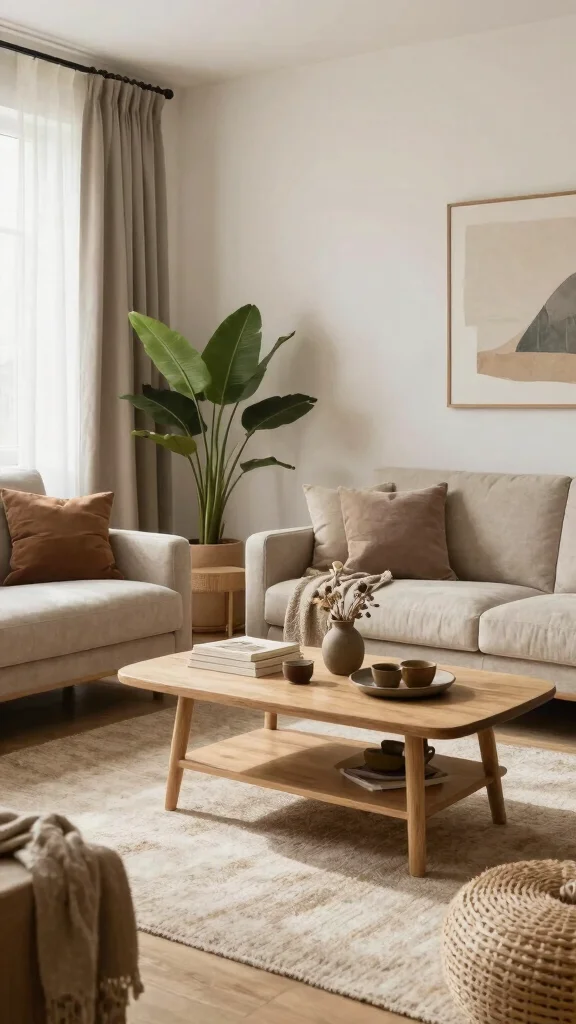
As you embark on your journey of creating a beautiful and functional living room, remember that sustainability can go hand in hand with style.
From natural materials to smart technology, every choice you make can contribute to a more eco-conscious home.
Explore these ideas and let your creativity shine, transforming your living space into a haven that reflects your values and personal style.
Frequently Asked Questions
What are practical sustainable materials for an interior design living room that still look modern?
For a modern interior design living room that’s kind to the planet, start with sustainable materials like bamboo flooring or reclaimed wood for floors and furniture, cork wall accents, and recycled metal hardware.
Use natural fiber textiles (linen, hemp, organic cotton) for upholstery and window treatments with low-VOC finishes to keep indoor air clean.
Look for certifications such as FSC, GOTS, or OEKO-TEX to ensure sustainability, and choose timeless pieces that support space planning and furniture arrangement for long-term beauty.
With these choices, you can achieve a modern interior design that also respects the environment.
How can I plan space and furniture arrangement in a small living room to maximize function and comfort?
Start with space planning: identify a focal point (sofa, media wall, or fireplace) and map clear circulation paths.
In small living rooms, choose furniture with slim profiles and avoid oversized pieces.
Use multi-functional pieces (storage ottomans, sleeper sofas) to boost furniture arrangement efficiency.
Place seating to face the focal point while keeping at least 30-36 inches of walking space around furniture for smooth traffic flow.
Create zones with a rug or coffee table to differentiate living and conversation areas, and use vertical storage to free floor space.
Keep a cohesive interior design living room look by repeating materials and colors across pieces.
What color schemes work best for a sustainable and modern interior design living room?
Neutral bases paired with nature-inspired accents create a durable, timeless look in a sustainable living room.
Try warm grays, soft taupes, and ivory as base colors, with color scheme ideas like sage green, navy, or terracotta for accents.
Choose low-VOC paints and natural dyes to keep air quality high and color fast over time.
Layer color with texture from living room decor elements like linen, wool, jute, and wood to avoid loud contrasts while staying stylish.
Always test swatches in multiple lighting conditions before committing to a palette that highlights modern interior design and space planning.
How can I incorporate energy-efficient lighting and eco-friendly decor into living room decor?
Upgrade to LED lighting and use warm color temperatures to keep spaces cozy while cutting energy use.
Add smart controls or dimmers to adapt lighting for modern interior design and space planning.
Maximize daylight with sheer curtains and mirror placement to reduce artificial lighting during the day.
For eco-friendly decor, choose pieces made from upcycled or recycled materials (reclaimed wood furniture, glass vases) and natural fiber textiles.
Look for certifications like GREENGUARD or FSC and durable construction to minimize replacements. Plan a lighting hierarchy with ambient, task, and accent lighting to enhance living room decor.
What are tips for balancing aesthetics and sustainability in a living room without sacrificing comfort?
Prioritize quality over quantity by investing in a few high-impact, ethically-made pieces you truly love.
Choose durable fabrics (washable slipcovers or performance textiles) and natural materials that stand up to daily use.
Favor modular or versatile furniture that can adapt as needs change, reducing waste.
Add plants to improve air quality and warmth, and use energy-efficient electronics and power strips to cut standby consumption.
Finally, lean into a timeless color palette and classic shapes so your space remains stylish for years to come, aligning aesthetics with sustainability for a comfortable living room.
Related Topics
interior design living room
modern interior design
sustainable decor
living room decor
space planning
furniture arrangement
color scheme ideas
minimalist style
budget friendly
beginner friendly
cozy interiors
functional spaces
Leave a Reply