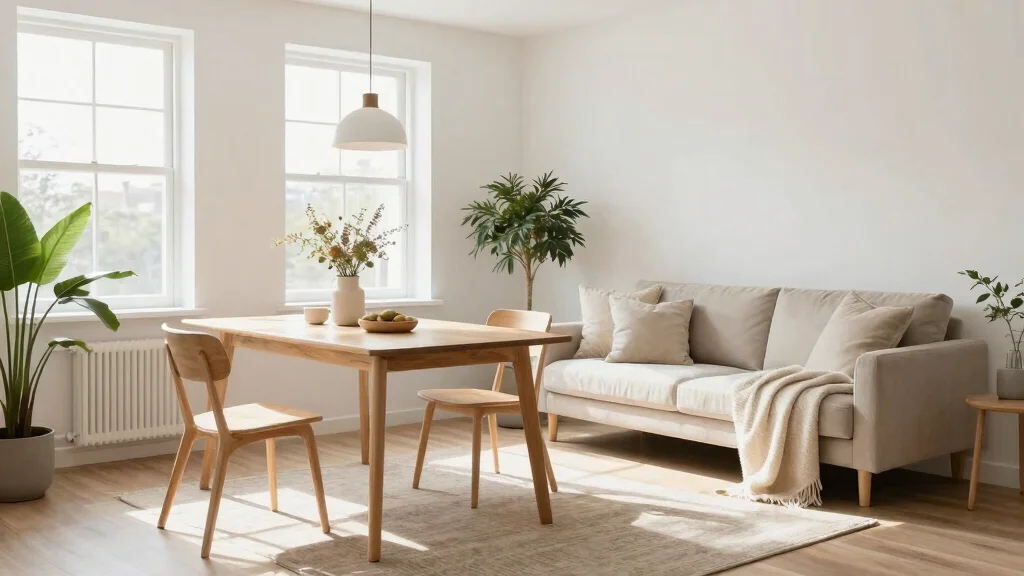
Spring cleaning has me craving a fresh, airy space. If you find yourself longing for a small living dining room that feels open and inviting, you’re in the right place. Many of us share the challenge of decorating smaller areas, but that doesn’t mean you have to sacrifice style or comfort. I pulled together 14 small living dining room ideas that are bright, breezy, and perfect for making your space feel more spacious.
This post is designed for anyone who loves home decor but feels overwhelmed by space limitations. Whether you’re a newbie looking to decorate your first apartment or a seasoned homeowner aiming to refresh a compact area, this guide will resonate with you. You’ll discover practical tips, stylish solutions, and innovative designs that will transform your small living dining room into a serene, functional haven.
Get ready to explore a variety of concepts that incorporate light color palettes, multifunctional furniture, and minimalist decor. Each idea is crafted to not only enhance the appearance of your room but also improve its functionality. Let’s make your small living dining room dreams come true!
Key Takeaways
– Light Color Palettes: Use soft colors to create a sense of openness and airiness in your small space.
– Multifunctional Furniture: Opt for furniture that serves multiple purposes, such as a dining table that doubles as a workspace.
– Open Concept Design: Embrace an open layout to improve flow and make the area feel larger.
– Minimalist Decor: Keep decor simple and uncluttered to avoid overwhelming the space.
– Cohesive Decorative Accents: Choose decor that complements each other to maintain a harmonious look throughout your small living dining room.
Recommended Products

4-in-1 Lift Top Design: This coffee table works in 4 setups for daily use. Keep it flat as a regular coffee table, lift one side for laptop or movie night snacks, raise both sides for shared use, or extend to full dining height for 4-8 guests. One piece does it all, ideal for small spaces

4 in 1 Convertible Coffee Table: Lift top coffee table features sturdy lifting for the large desktop and spring-lifting frames for the smaller one, seamlessly transforming from coffee table to workspace or expanding into a dining table for 4–8

Unique Design: The 47.2-inch brown storage cabinet combines natural style with modern elegance. The grille-striped doors and clean lines make it an ideal addition to any home decor, whether you're decorating your kitchen, dining room, or living room
1. Light Color Palettes
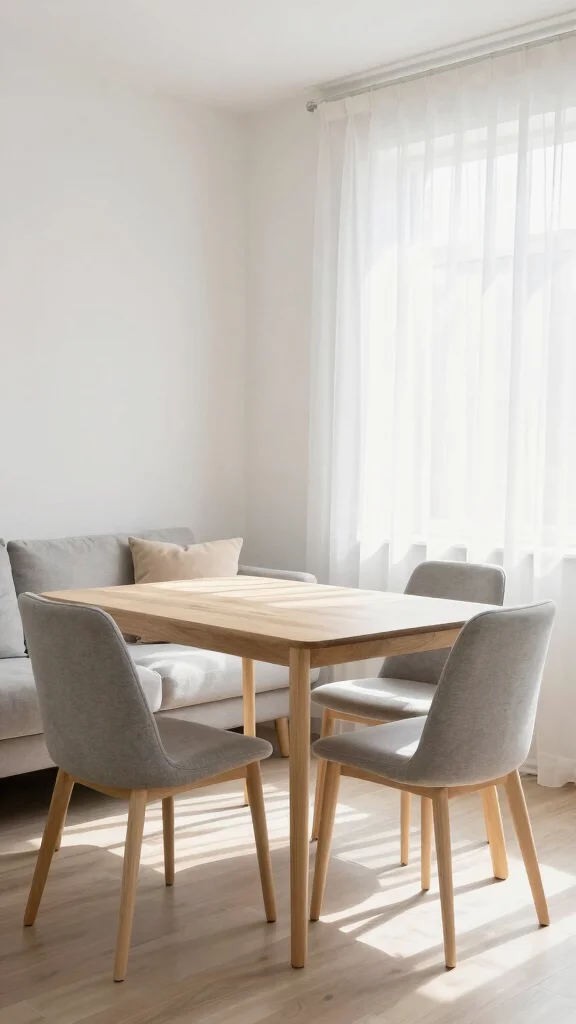
Opting for a light color palette can truly transform your small living dining room. Soft whites, gentle grays, and delicate pastels work together to create an airy atmosphere, making your space feel more open and inviting. For instance, a crisp white wall paired with light wood furniture creates a refreshing backdrop that feels expansive and serene.
To enhance this effect, consider using these colors on your walls, furniture, and decor. Painting your walls in a soft gray can be complemented with light-colored furniture, while pastel accents in cushions or a chair can add a touch of charm without cluttering the visual space.
Here are some ideas to implement this concept:
– Stick to a monochromatic scheme for a streamlined look.
– Use light wood tones for furniture to create cohesion.
– Incorporate small dark elements sparingly for a hint of depth.
This simple approach invites a sense of peace and spaciousness into your room.
Recommended Products

Package Details: Each package contains 2 panels of Coffee pattern printed linen curtain, the size is 52 inches wide by 84 inches long. Top design serves 3 hanging options: Hang these curtain panels using the back loops to create an elegant pleated effect, from the 3 inch rod pocket for a classic look, or using clip rings for easy slide open and closed (clip rings are not included)

Charming Watercolor Floral Design – Featuring delicate purple eucalyptus and wildflowers, these curtains bring a soft, artistic touch to your space, perfect for farmhouse, rustic, or cottage-style decor.

Machine Washable & Fade & Stain Resistant: Designed for busy households and pet-friendly homes, this washable 8×10 area rug supports full machine washing. It performs excellently in fade resistance, stain resistance and non-shedding, maintaining its original color, texture and vintage floral look even after repeated deep cleaning.
2. Multifunctional Furniture
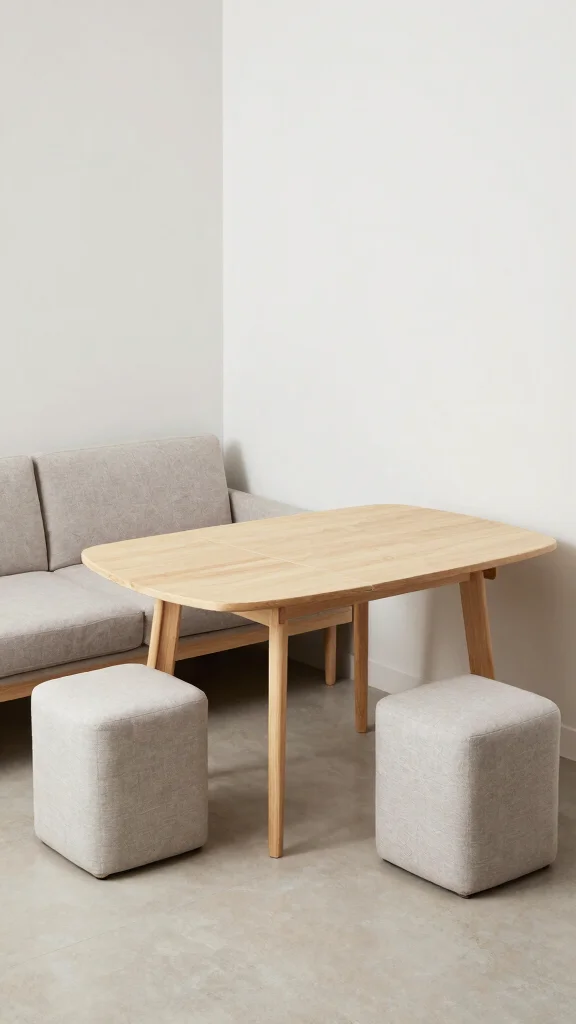
In a compact living dining area, multifunctional furniture becomes essential. Pieces that serve more than one purpose maximize space while adding functionality and style. For example, a dining table that also functions as a workspace can streamline your daily activities and accommodate guests effortlessly.
Look for furniture options like ottomans with hidden storage or stackable chairs that can be tucked away when not in use, allowing for a tidy appearance. This approach not only helps keep your space organized but also aligns with current trends of practical design.
Consider these tips when selecting multifunctional items:
– Ensure durability for everyday use.
– Match the style with your home’s aesthetic.
– Choose flexible pieces that adapt to your needs.
This strategy enhances your space’s functionality while keeping it stylish.
Fun fact: In small living dining room ideas, multifunctional furniture can free up up to 30% of floor space. A dining table that doubles as a workspace keeps daily tasks tucked away and makes these spaces feel naturally airier.
Recommended Products

Space-Saving Folding Dining Table:Ideal for modern urban living, this stylish and versatile folding dining table adapts to your lifestyle—perfect for meals, work, studying, or entertainment. Its compact design maximizes space, making it a top choice for small apartments, studios, and suites

【Important Notice】This item includes only the small kicthen table, dining chairs are not included. The chairs shown in the image are for display purposes only, and are not included or sold separately

Dimensions (W x D x H): 29.61 in x 29.13 in x 32.75 in
3. Open Concept Design
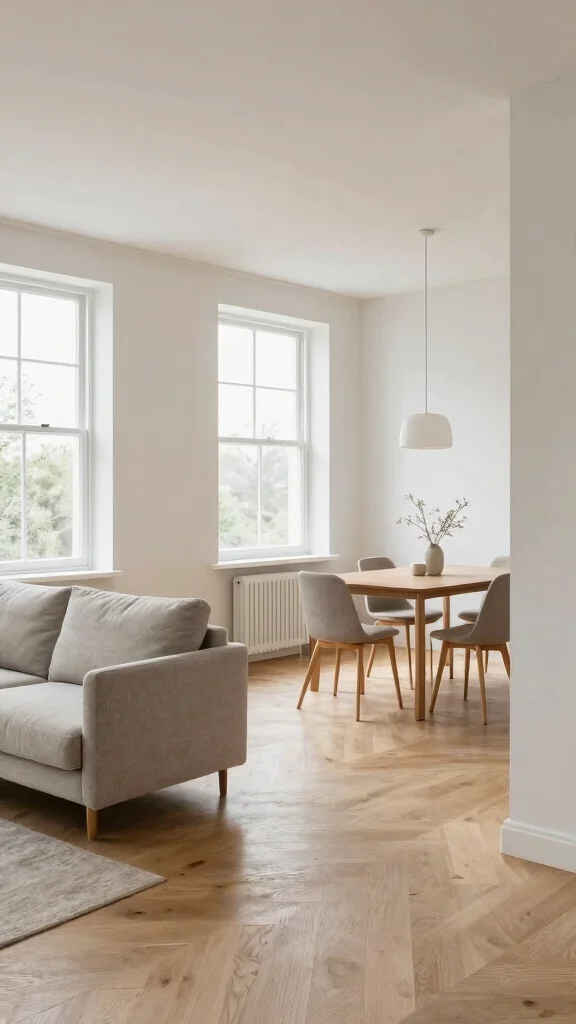
Embracing an open concept design can significantly enhance the feel of your small living dining area. By removing unnecessary barriers, you create a seamless flow that opens up the space and invites light. Merging your living room with the dining area promotes a sense of connection and spaciousness.
Define areas with rugs to maintain an organized feel while keeping the overall layout open. This design encourages better circulation and allows natural light to illuminate both spaces, enhancing the airy ambiance.
Here are some ways to achieve this design:
– Position furniture to foster conversation while keeping pathways clear.
– Use consistent colors and materials to unify both areas.
– Incorporate transparent elements like glass tables to enhance openness.
This design creates a harmonious and inviting environment.
Fun fact: Open concept design can make small living dining room ideas feel 1.5x larger by blurring walls and letting light roam freely. Embrace rug-defined zones to keep balance and airflow—no cramped corners, just a breezy, connected space.
Recommended Products

Romantic Heart Vase Design: These white ceramic vases feature a unique hollow heart shape. When placed together, they create the enchanting silhouette of a couple embracing, while individually, each vase adds a charming and artistic accent to your space—infusing every day with a touch of love and romance
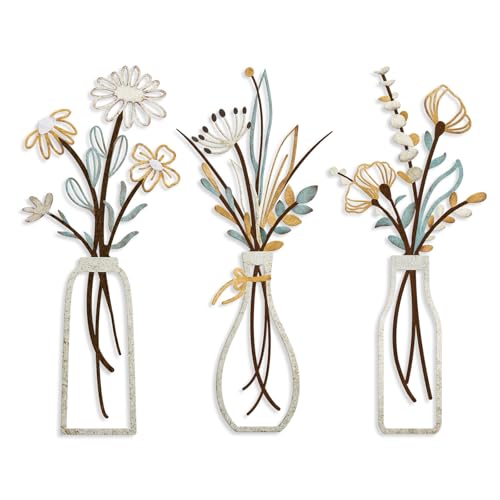
Premium Quality: Crafted with care, these 6×13.7 inch metal wall art pieces are made to impress.

Distinctive and Trendy Shape: our moon phases wood hanging adopts stylish shapes and exquisite workmanship, creating a relaxed atmosphere for your home, making your home more warm
🏡 Transform Your Space Like a Pro
Unlock the secrets to stunning DIY decor and create your dream Scandinavian-inspired living dining room effortlessly.
4. Minimalist Decor
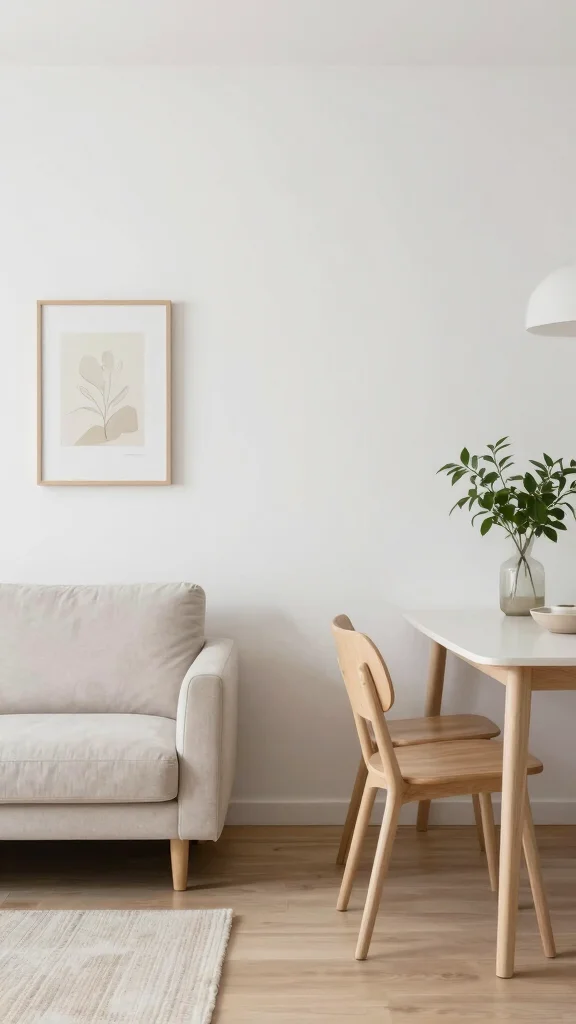
Adopting a minimalist decor approach can dramatically alter the perception of space in your small living dining room. This design philosophy emphasizes simplicity and functionality, suggesting that less is often more. By choosing a select few standout pieces, you allow your space to breathe and shine.
Avoid cluttered surfaces by opting for a single statement artwork or a well-placed plant instead of overcrowding with decor. This curated approach showcases your personality without overwhelming the room.
To embrace minimalist decor, consider:
– Limiting your color palette to a few complementary shades.
– Selecting furniture with sleek lines and minimal detailing.
– Utilizing hidden storage to keep everyday items out of sight.
By keeping the decor minimal, you create a peaceful and spacious atmosphere.
Recommended Products

Oversized 12×15 Rug for Open Layouts: Suitable for oversized living rooms, large master bedrooms, open-concept homes, and spacious dining areas, this rug helps unify furniture layouts while creating a luxurious and cozy atmosphere. Works well with large sectional sofas, king beds, lounge areas, and expansive seating arrangements
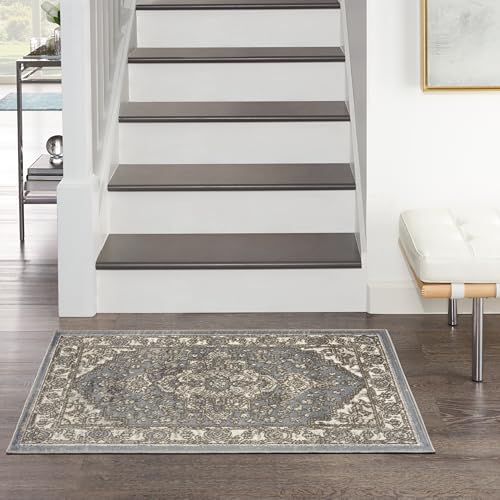
Vintage-inspired rug adds instant personality to your décor

Designed to withstand everyday wear, this 7' 10 x 10' area rug is the perfect size for living rooms, dining rooms, home offices, and open floorplans, or anywhere you want to anchor your space with a touch of vintage-inspired character.
5. Vertical Storage Options
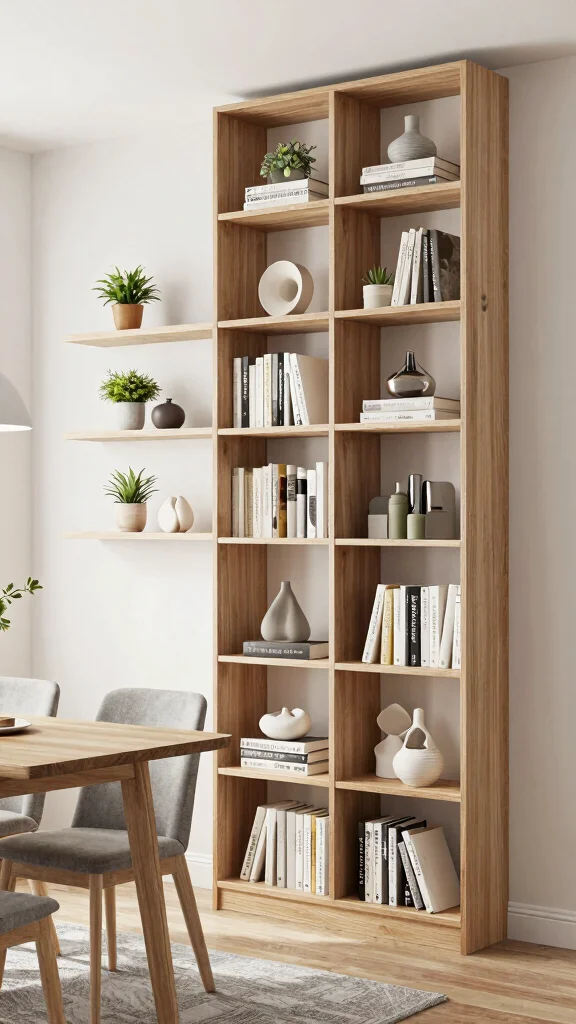
When space is at a premium, vertical storage options can be a game changer for your small living dining room. Tall shelves or floating cabinets draw the eye upward, creating an illusion of height and space. This style not only organizes but also showcases your favorite decor items, adding character to the room.
Incorporate plants or decorative boxes on the shelves to enhance visual interest while ensuring displayed items are cohesive in color and style to avoid clutter.
Consider these tips for effective vertical storage:
– Opt for open shelving to maintain an airy feel.
– Place frequently used items at eye level for easy access.
– Balance heavier items with lighter decor for visual harmony.
This approach keeps surfaces clear and maintains an orderly appearance.
Recommended Products

Flexible Adjustable Storage System: This buffet cabinet has freely adjustable shelves for customizable storage. Ideal as a kitchen or entryway cabinet, it neatly organizes dinnerware, appliances and decor, maximizing space efficiently.
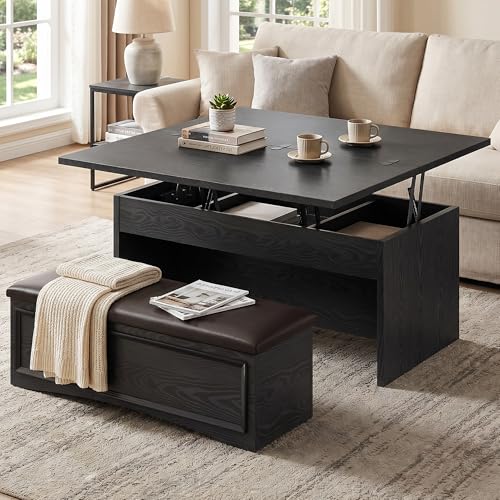
4-in-1 Versatile Table for Most Scenes: This magic lift-top table adapts to all your daily needs! Fully expanded, it serves as a spacious dining or game table for 4-8 people. Partially stretched, it works perfectly as a 2-person work desk. With a single top open, it becomes a private reading table for one. Fully closed, it acts as a stylish living room coffee table. It freely transforms to fit any home scenario.

𝗠𝘂𝗹𝘁𝗶𝗳𝘂𝗻𝗰𝘁𝗶𝗼𝗻𝗮𝗹 𝗔𝗰𝗰𝗲𝗻𝘁 𝗖𝗮𝗯𝗶𝗻𝗲𝘁: This versatile cabinet can be used as a buffet cabinet, coffee bar cabinet, or storage solution for the living room, dining room, bathroom, or hallway. Its practical design adapts easily to different spaces and daily storage needs
6. Strategic Lighting
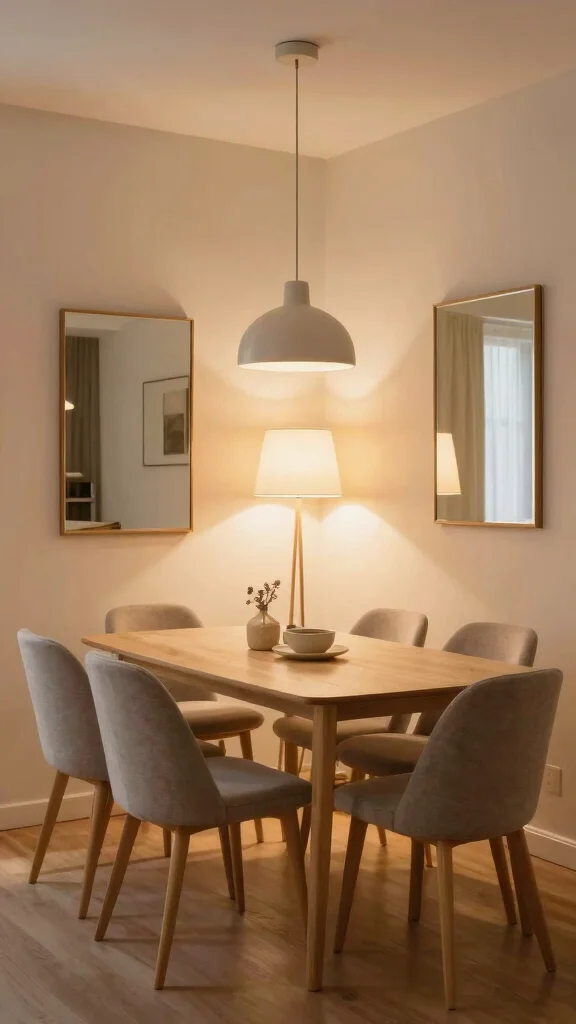
Lighting is crucial in determining how spacious a room feels. Strategic lighting can open up your small living dining room, creating a warm and inviting atmosphere. By layering ambient, task, and accent lighting, you can achieve a well-lit and welcoming environment.
Consider installing pendant lights over the dining area to draw the eye upward and serve as a focal point. Additionally, floor lamps can brighten darker corners, making the space feel cozier.
Here are some tips for effective lighting:
– Use dimmable lights to control ambiance.
– Incorporate mirrors to reflect light and expand the space.
– Choose light fixtures that complement your overall style.
Thoughtful lighting design can make a significant difference in your room’s overall feel.
Recommended Products

BGment Faux Linen Curtains: This set includes 2 oatmeal linen-like curtains, each measuring 52 inch wide 84 inch leng. With 8 silver grommets, they easily fit rods less than 1.6 inches in diameter for quick and hassle-free installation.

Package Includes: These curtains are sold by 2 panels, each measures 52"W x 95"L (Total width is 104 inches). 8 silver grommets top(1.6" inner diameter) fit to most standard rods.

Light Filtering Semi Sheers: Made with loosely woven fabric, these open weave curtains allow most amount of light into a room, reducing summer time heat and harsh sunlight on furniture and floors, while still providing certain privacy. Compared with the standard sheer curtains, these linen textured sheers are more opaque in their coloring to lessen the transparency
You might also like
Dimensions & Size Guide
Standard Sizes & Measurements:
When planning your small living dining room, knowing standard sizes is key. Here are some important dimensions to keep in mind:
– Dining Table: Most dining tables are 28 to 30 inches high. For small spaces, a round table with a diameter of 36-48 inches can work well. If you want to squeeze in more seats, a rectangular table measuring 60 inches long may be suitable, but ensure it fits comfortably in your layout.
– Chairs: Standard dining chairs are about 18 inches wide and 18-20 inches deep. You need at least 24-30 inches between each chair for easy movement.
– Couches and Sofas: A small sofa should be around 72 inches long, while loveseats typically range from 48-60 inches. Make sure to leave a pathway of at least 30 inches in front of your seating for comfortable passage.
– Coffee Tables: Look for coffee tables that are 16-18 inches high. They should be about two-thirds the length of the sofa for balance, and you should have at least 18 inches between the coffee table and the sofa.
Quick Reference Table:
Here’s a simple comparison to help you choose the right sizes for your space:
Size/Dimension – Best for: [use case], Minimum space needed: [measurement]
– Round Dining Table (36-48 inches) – Best for: 2-4 people, Minimum space needed: 5 feet in diameter
– Rectangular Dining Table (60 inches) – Best for: 4-6 people, Minimum space needed: 6 feet long
– Small Sofa (72 inches) – Best for: Small spaces, Minimum space needed: 7.5 feet long
– Loveseat (48-60 inches) – Best for: Cozy setups, Minimum space needed: 5 feet long
– Coffee Table (16-18 inches high) – Best for: Relaxed seating areas, Minimum space needed: 3 feet long
Space Planning Tips:
1. Measure First: Always measure your space before purchasing furniture. Use a tape measure to confirm dimensions. Write down the measurements, so you don’t forget them when shopping.
2. Consider Walkways: Ensure there’s enough room to walk around furniture. Aim for at least 30 inches of clearance in high-traffic areas.
3. Use Painter’s Tape: Mark out dimensions on the floor using painter’s tape. This gives you a visual representation of how much space each piece will take.
4. Think Vertically: In small spaces, use vertical storage solutions to save floor space. Bookshelves and wall-mounted storage can help keep the area open and airy.
5. Avoid Clutter: Fewer, larger pieces often work better than many small items. This keeps the space from feeling cramped.
Pro Tip:
The most important measurement is the distance between furniture. Aim for at least 18 inches between the coffee table and sofa. This ensures comfort and makes your space feel inviting! 💡
Recommended Products

【Space Saving】Ideal for small apartments and limited spaces. Our drop leaf table would fully folded and stored in a small corver when not in use, maximizing your space.

Eat Together, Happy Together: Share good food and laughter with family and friends! This functional dining table set includes a dining table and two dining stools. The 35.5" L x 18.5" surface fits 2 people for quick workday snacks and morning coffee.

【MINIMALISM STYLE】Want to give new style to your home?you can't miss this dining table set for 2.Merging simple structure,sleek design with storage functionality,it will complement many home decors.Available in various colors,you will find one perfect for your aesthetic.
7. Textures and Layers
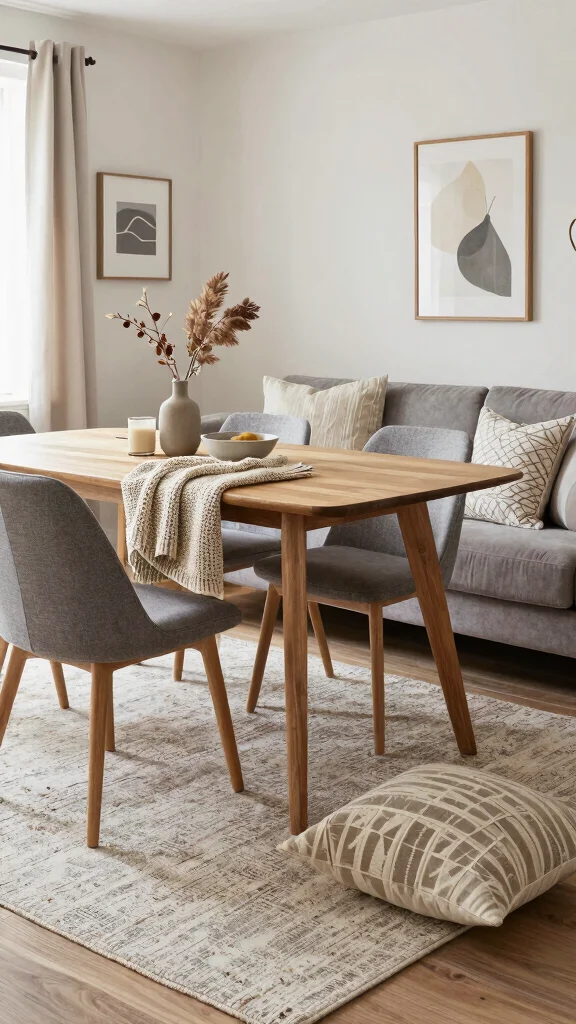
Incorporating textures and layers can elevate the design of your small living dining room without overwhelming it. Mixing various materials creates depth and visual interest. Think soft textiles paired with natural woods and smooth metals for a cohesive look.
Layering can be achieved with rugs, throws, and pillows. A textured rug beneath the dining table grounds the space, while cushions in different materials can enhance comfort and style on the sofa.
Explore these ideas to enhance textures:
– Combine soft fabrics with rough woods for striking contrast.
– Use knitted throws, smooth cushions, and woven baskets together.
– Mix patterns thoughtfully while keeping a consistent color palette.
Textures add warmth and character to your room.
Recommended Products

Boho Wooden Framed Wall Art Set of 3 Mid-century Modern Wood Wall Decor Minimalist Natural Bohemian Home Decor for Living Room Dining room Office

【Vintage Kitchen Wall Art】This kitchen wall art features a striped kitchen wall art design with a warm dining table wall art composition. A relaxed supper scene artwork is illustrated through minimalist line sketch poster elements, including wine bottle glass art, candle table drawing, and simple table details set against a beige black stripe decor background.
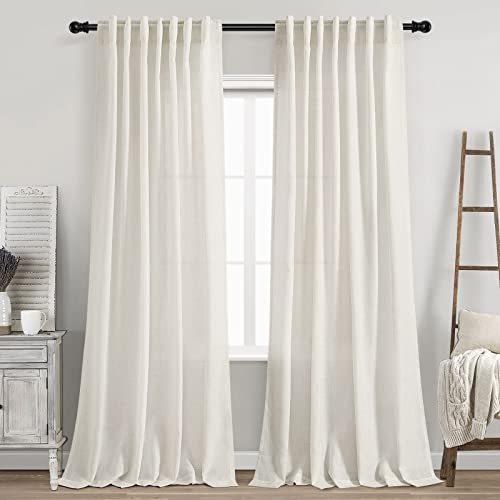
READY MADE: 2 Linen Curtain Panels per package.Each panel measures 52 inches wide by 84 inches long. Top design of Back tab & loop pocket provide 3 hanging options. <1> hanging from the back patch to create an elegant pleated look, <2> from the 3 inch rod pocket for a classic look <3> Hanging with clip rings for easy, slide open and closed (clip rings are not included)
8. Incorporating Nature
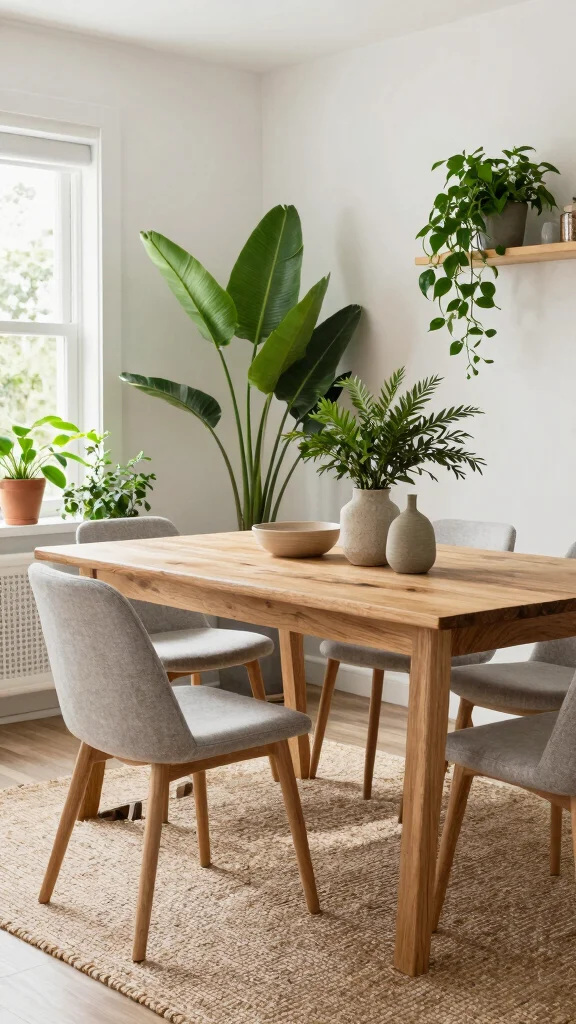
Bringing the outdoors inside can significantly uplift your small living dining room’s ambiance. Incorporating nature through plants and natural materials connects your space to the environment, adding a fresh feel. Choose low-maintenance plants like snake plants or pothos that thrive indoors and purify the air.
Consider using natural materials in furniture and decor, such as wood, stone, and jute, to enhance the organic vibe of your space.
To maximize this approach:
– Group plants of varying heights for a dynamic display.
– Use pots that match your decor style, ranging from minimalist to bohemian.
– Integrate wooden furniture or jute rugs for added warmth and texture.
Nature can invigorate any small area.
Recommended Products

Designed to withstand everyday wear, this 5' 11 x 9' area rug is the perfect size for living rooms, dining rooms, and bedrooms, or anywhere you want to add a touch of vintage character.

MODERN STATEMENT: The medallion, tribal design anchors a room with a crisp silhouette and balanced color. Place it under a sofa or bed to frame the space. Layer with throw pillows to tie the look together.

Designed to withstand everyday wear, this 7' 3 x 10' area rug is the perfect size for living rooms, dining rooms, and bedrooms, or anywhere you want to add a layer of comfort and style.
9. Personal Touches
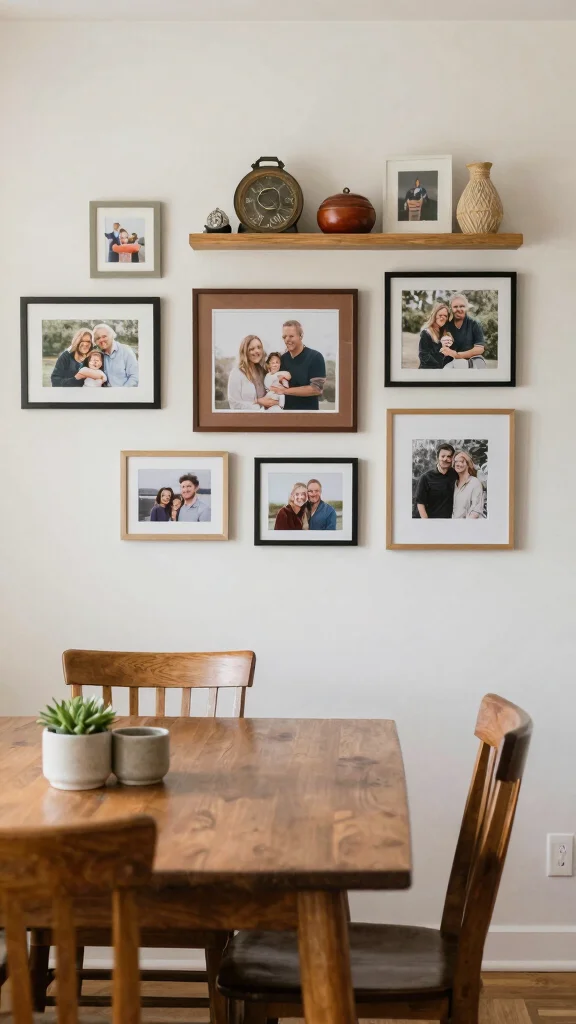
Make your small living dining room uniquely yours by incorporating personal touches. Displaying meaningful items like travel souvenirs or family photos adds warmth and character. This doesn’t have to create clutter; a dedicated shelf or a gallery wall can effectively showcase your favorites.
By telling your story through curated decor, you can maintain a clean look while still expressing your individuality.
For personalizing, consider:
– Creating a cohesive theme with your items for a streamlined appearance.
– Choosing frames that complement your color palette.
– Avoiding overcrowding surfaces; less is often more.
Thoughtful personal touches create a welcoming and intimate space.
10. Create Zones with Rugs
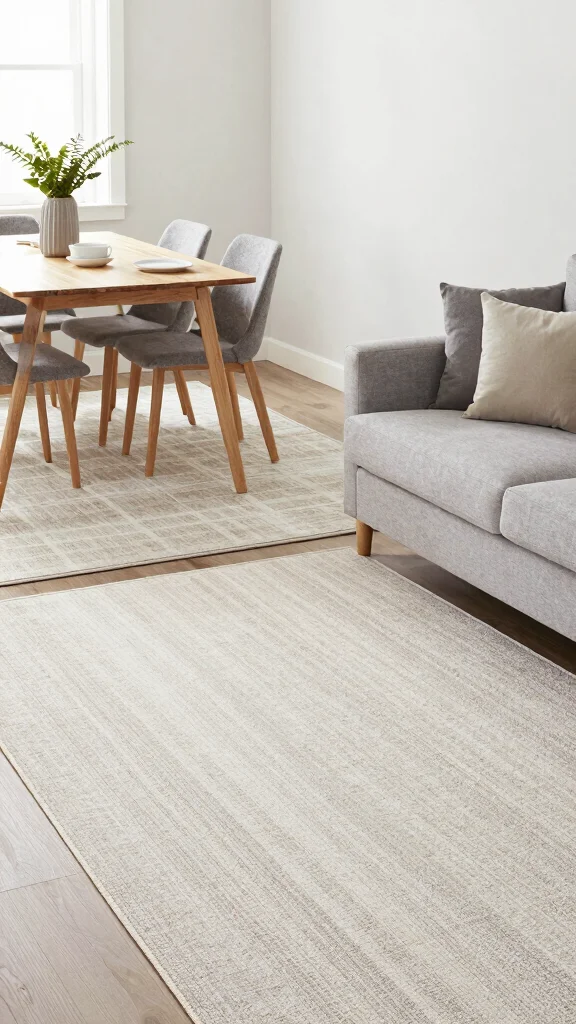
Using rugs to create zones in your small living dining room helps define spaces without physical barriers. A strategically placed rug can separate the dining area from the living space, enhancing the organized flow. Ensure that rugs are appropriately sized, with the front legs of dining chairs resting on them for a cohesive look.
Layering rugs also introduces texture and warmth, essential in compact areas.
Here’s how to effectively use rugs:
– Opt for light colors or subtle patterns that won’t overwhelm.
– Use contrasting textures to distinguish areas, like a plush rug under the dining table.
– Ensure rugs complement each other and the overall decor style.
Rugs can significantly enhance the perception of spaciousness.
11. Use Decorative Mirrors
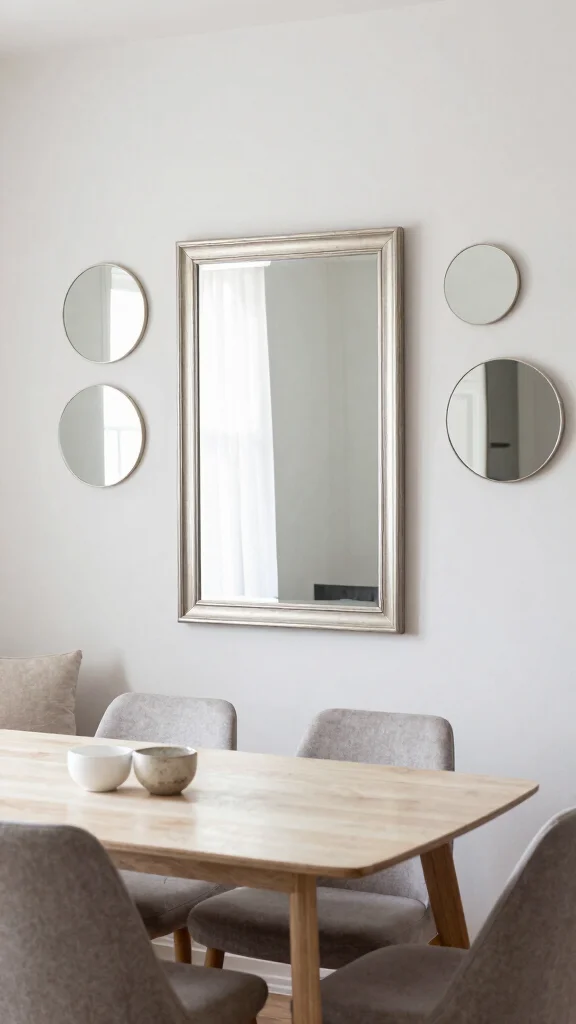
Decorative mirrors can be a brilliant addition to your small living dining room. Strategically placing mirrors can reflect light and visually expand the room, creating a brighter and more open atmosphere. Consider a large mirror on one wall to serve as a focal point or group smaller mirrors for an artistic display.
Mirrors can fulfill both functional and decorative roles, enhancing your room’s aesthetic.
Here are some tips for incorporating mirrors:
– Choose mirrors with minimalist frames that won’t overpower.
– Position mirrors opposite windows to maximize natural light.
– Use mirrored furniture or accents to add elegance.
Mirrors can dramatically transform the look and feel of your small space.
You Might Also Like
12. Simple Dining Setups
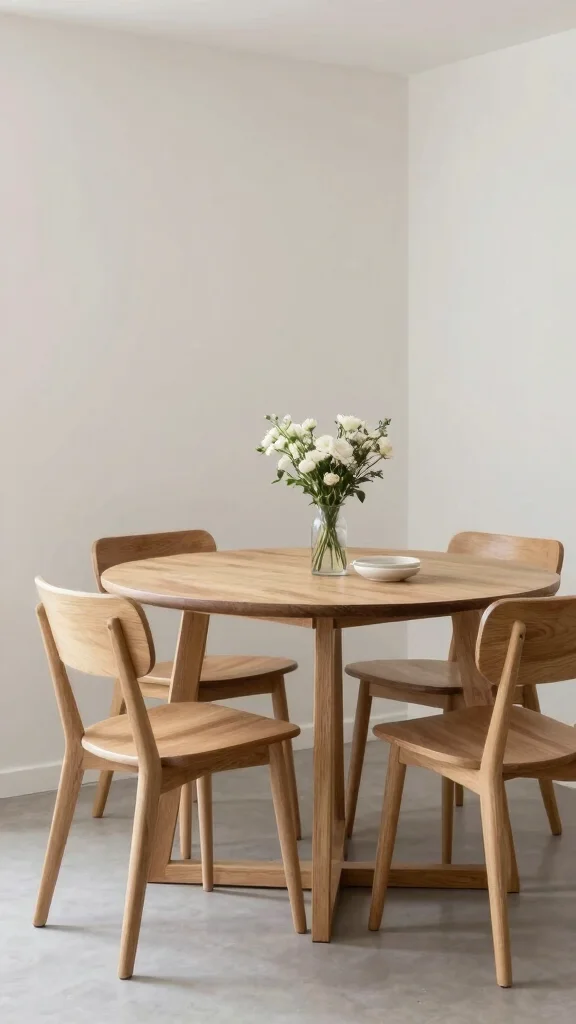
In a small space, opt for simple dining setups that save room while maintaining style. A round table is ideal, as it occupies less space and fosters conversation. Pair it with sleek, minimalist chairs or benches that can be neatly tucked away when not in use.
Consider a drop-leaf table that expands for hosting guests or a wall-mounted table that folds down for everyday use. Keep table settings simple and neutral to avoid a cluttered appearance.
Here are some ideas for dining setups:
– Use lightweight chairs for easy rearrangement.
– Choose a centerpiece that’s simple yet elegant, like a small vase.
– Keep tableware minimal and stackable for easy storage.
A thoughtful dining setup can create a cozy meal experience.
13. Stylish Window Treatments
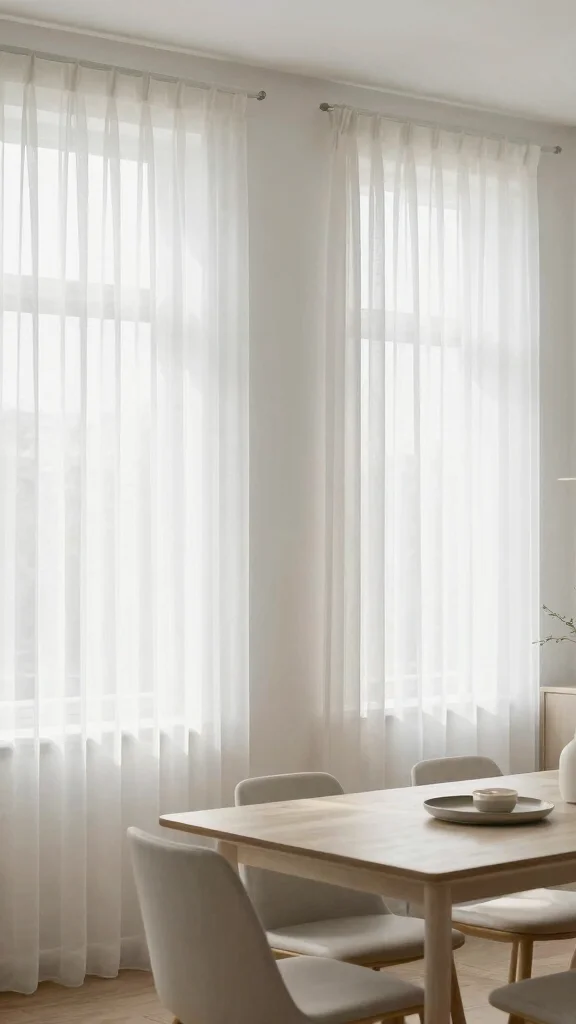
Window treatments can greatly influence the ambiance of your small living dining room. Choose stylish window treatments that invite natural light while ensuring privacy. Light, airy curtains or sleek blinds enhance the spacious feel without overwhelming the decor.
Opt for sheer fabrics that diffuse light softly or light-colored options to maintain an open vibe. If privacy is important, consider layering sheer curtains with heavier drapes that can be pulled back during the day.
Here are some tips for window treatments:
– Keep treatments simple and minimal to match your style.
– Use a consistent color palette for cohesion.
– Hang curtains higher and wider than the window to create the illusion of height.
Well-chosen window treatments can add elegance while maximizing light.
14. Cohesive Decorative Accents
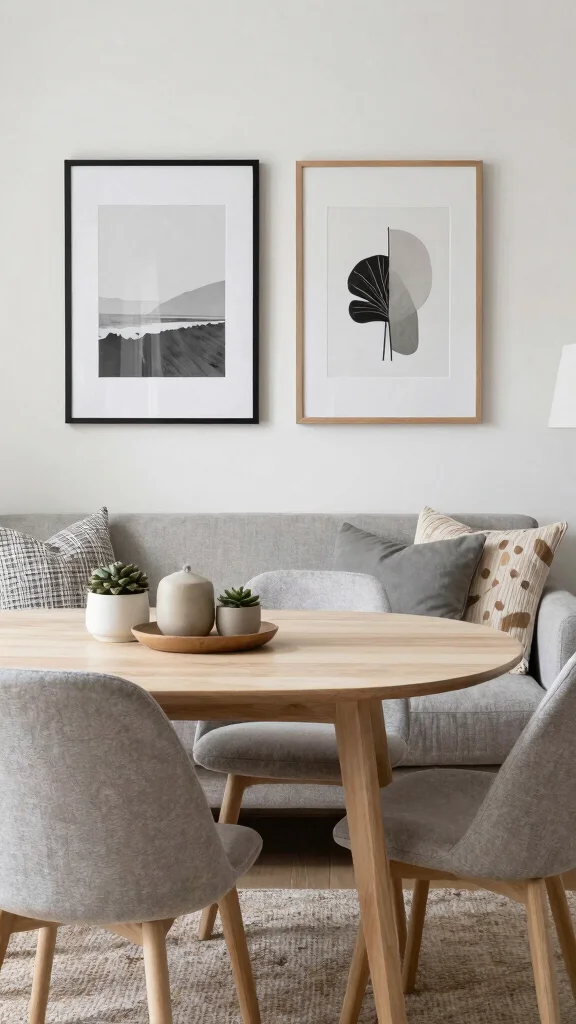
Finally, a key element in a beautifully designed small living dining room is cohesive decorative accents. Select a few key decor pieces that reflect your personal style and complement each other throughout the area. This unified aesthetic fosters harmony and sophistication in your small space.
Focus on a consistent color palette and materials, from wall art to decorative pillows. Choosing accents that embody a Scandinavian design—think natural textures and muted tones—will enhance your overall look.
Consider these tips:
– Limit the number of accent colors for a cohesive feel.
– Use decor that serves both aesthetic and functional purposes.
– Rotate decor seasonally to keep the space feeling fresh.
These thoughtful touches can transform your small area into a refined living dining space.
Fun fact: cohesive decorative accents can visually expand small living dining room ideas by up to 20%. Stick to a shared color palette and natural textures—think wool throws, wood, and muted tones—and let each piece reinforce your Scandinavian-inspired style.
Conclusion
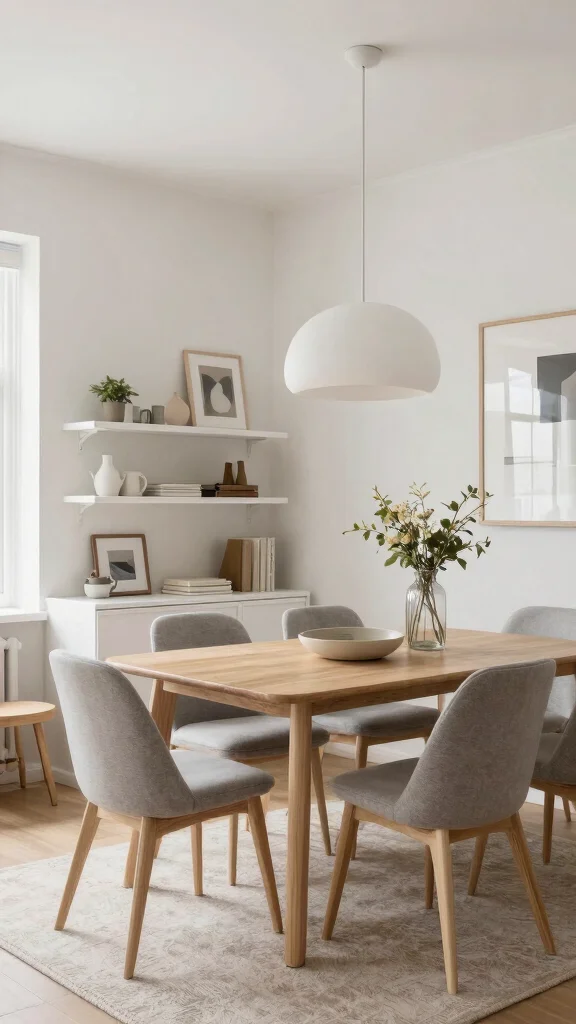
Transforming a small living dining room into a stylish, functional space is all about embracing smart design choices and Scandinavian-inspired principles.
By incorporating light color palettes, multifunctional furniture, and personal touches, you can create a room that feels refreshing and inviting. Remember, every small space can reflect your style while maintaining a sense of openness and comfort.
So, which of these ideas are you most excited to try in your own home? Let your creativity shine!
Frequently Asked Questions
What are some practical small living dining room ideas to create an airy layout?
These small living dining room ideas are designed to make an airy layout in compact spaces.
Start with open concept design principles: choose slim-profile furniture (a compact sofa, a slim dining table), and avoid heavy visual weight.
Use light color palettes (white, pale gray, warm beige) to reflect natural light.
Add multifunctional furniture like a storage ottoman or a coffee table with hidden compartments to keep surfaces clear.
Embrace vertical storage with wall shelves and floating cabinets to reduce floor clutter.
Finish with natural textures (light wood, linen, wool) and minimal art to maintain calm, open vibes.
How can I separate living and dining areas in an open concept small space without adding walls?
In an open concept small space, use furniture, rugs, and lighting to visually separate zones while keeping the flow.
Anchor the living area with a plush area rug and position the sofa to face the dining area; a console or slim bookcase can act as a subtle divider.
Choose a compact dining table and chairs that tuck in when not in use.
Add pendant lights over the dining zone and a floor lamp near the living area to create distinct but cohesive spaces.
Maintain a cohesive light color palette and clean lines for a true Scandinavian-inspired feel.
How can I embrace minimalist decor in a small living dining space without making it feel cold?
With minimalist decor, less is more—focus on quality over quantity and small space decorating that actually serves your daily life.
Stick to a restrained color palette (soft whites, creams, and light grays) and let natural wood and tactile textiles add warmth.
Choose a few purposeful pieces with clean lines and built-in storage to keep surfaces clear.
Use multifunctional furniture like storage benches or a coffee table with hidden compartments to reduce clutter.
Finally, leave generous negative space so the room breathes.
What multifunctional furniture pieces work best in a small living dining room to save space?
Look for furniture that wears more than one hat: a sofa with built-in storage, a coffee table that folds or nests, a dining table that expands when guests visit, or a wall-mounted drop-leaf table paired with slim chairs.
Use a storage ottoman as extra seating and an occasional console that hides daily essentials.
Choose pieces in light wood tones and slim silhouettes to keep the open concept design feeling intact and avoid visual clutter.
How do light color palettes impact a Scandinavian-inspired small living dining room, and how can I use them effectively?
Light color palettes reflect natural light and visually expand a room.
Start with base shades like white, ivory, and pale gray, then layer with soft beiges and warm neutrals.
Add warmth with natural textures (wood, wool, linen) and simple black or charcoal accents for contrast.
Keep surfaces clutter-free to preserve airiness and let the space feel calm and cohesive—perfect for small space decorating in a Scandinavian-inspired layout.
Related Topics
small living dining room
scandinavian decor
open concept design
minimalist style
multifunctional furniture
light color palettes
small space solutions
budget friendly decor
easy decorating tips
airy layouts
contemporary design
home organization
Leave a Reply