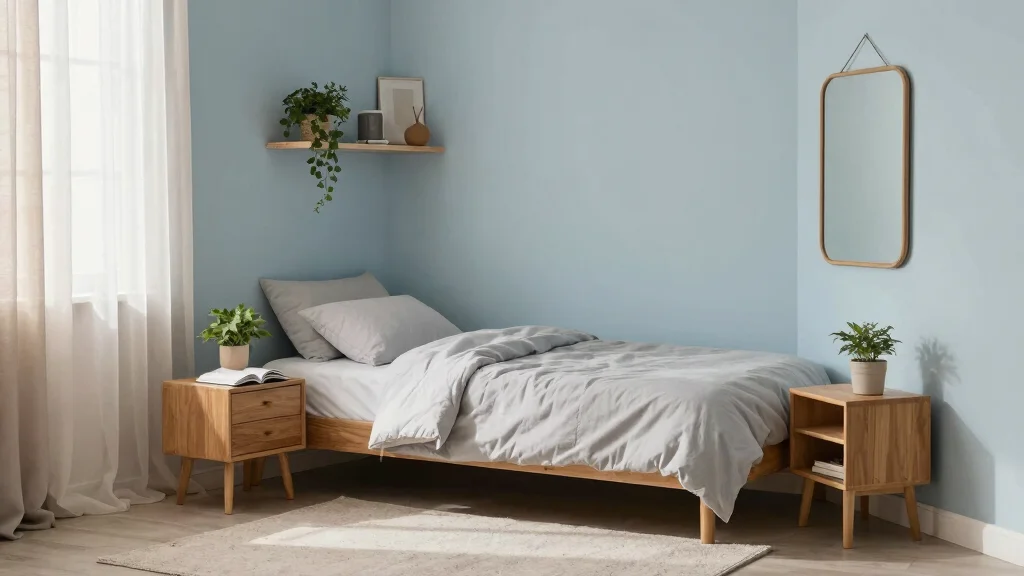
Designing a tiny bedroom can feel overwhelming. You might think, “How can I make this small space feel bigger?” The truth is, with the right tiny bedroom design ideas, you can create a space that feels open and inviting. I created this post to share practical solutions that help you maximize every inch of your bedroom, regardless of its size.
If you’re someone who loves a cozy yet functional space, this is for you. Whether you’re living in a studio apartment or a small home, these tips will inspire you to see the potential in your tight quarters. You’ll discover how to incorporate minimalist decor ideas, utilize space-saving furniture, and embrace light color palettes to transform your bedroom into a serene retreat.
In this guide, I pulled together 14 effective ideas that are stylish, functional, and perfect for small spaces. Get ready to declutter, reorganize, and refresh your tiny bedroom with solutions that make it feel larger and more inviting.
Key Takeaways
– Embrace Light Color Palettes: Light colors like whites and pastels can create an airy feel, making your space look larger and brighter.
– Minimalist Furniture Choices: Opt for simple, streamlined furniture that doesn’t overpower the room and promotes a clean aesthetic.
– Utilize Vertical Space: Install shelves and hang décor high on the walls to draw the eye upward, creating an illusion of height and space.
– Incorporate Mirrors Wisely: Using mirrors strategically can reflect light and make your bedroom appear more expansive than it is.
– Regular Decluttering: Keep your space tidy by regularly removing items you no longer need, ensuring it remains open and welcoming.
Recommended Products

APP and IR Remote Contorl: With a stable connection,control your LED lights,freely change in 16 million colors,adjust brightness,customize modes (Flashing,Jump,Fade,etc) in different speeds.

Maple Leaf String Lights: This set includes 2 strings of maple leaf lights, each measuring 8.2 feet in length with 20 warm yellow LEDs and 40 maple leaves, each LED comes with 2 maple leaves. The total length of both strings is 16.4 feet, with 40 LEDs and 80 maple leaves. For a fuller decorative look, you can twist the two strings together for a denser effect

Smart RGBIC Effects: RGBIC LED Strip lights for bedroom display multiple colors on one line at a time compared with traditional RGB lights. A colorful combination of LED strip lighting for bedroom brings a strong visual impact. (Not Support Alexa)
1. Embrace Light Color Palettes
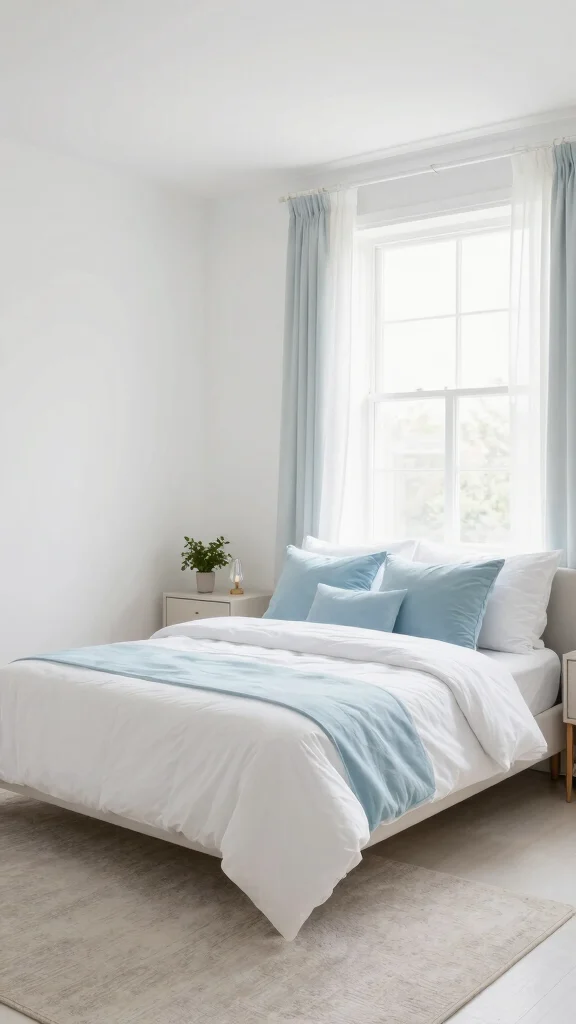
Light color palettes can transform your tiny bedroom into a serene and spacious retreat. Soft whites, gentle grays, and pastel tones reflect light beautifully, making the space feel airy and open. This calming effect not only enhances visual harmony but also uplifts your mood, creating an inviting atmosphere. Imagine a room adorned with creamy white walls and delicate blush accents, providing a perfect backdrop for your decor.
To make the most of these light hues, think about incorporating accent walls or choosing decor pieces that harmonize with your existing furniture. Here are some tips to amplify the impact of a light color palette:
– Choose a Dominant Color: Select a primary light shade for walls and larger furniture.
– Add Layers: Use varying shades of similar hues in bedding and decor for depth.
– Incorporate Natural Light: Keep windows free from obstructions to maximize sunlight.
– Accessorize Wisely: Use colorful yet light accessories that enhance rather than overpower the room.
Ultimately, a light color palette creates the illusion of a larger space while maintaining a fresh and inviting environment.
Light color palettes are the tiny bedroom design secret that actually works. A soft white wall can visually expand the space, while pastel accents keep things calm and inviting. Start with creamy whites and blush touches—your mood and room will thank you.
Recommended Products

Measurements – 20 Inches long x 36 Inches wide – The set includes 2 Pillow Covers. Insert is not included.

Rainbow Design: Brighten your little girl's room with this cute kids bedding set featuring a rainbow and clouds pattern. Perfect for birthdays or holidays.
Measurements – 20 Inches long x 26 Inches wide – The set includes 2 Pillow Covers. Insert is not included.
2. Minimalist Furniture Choices
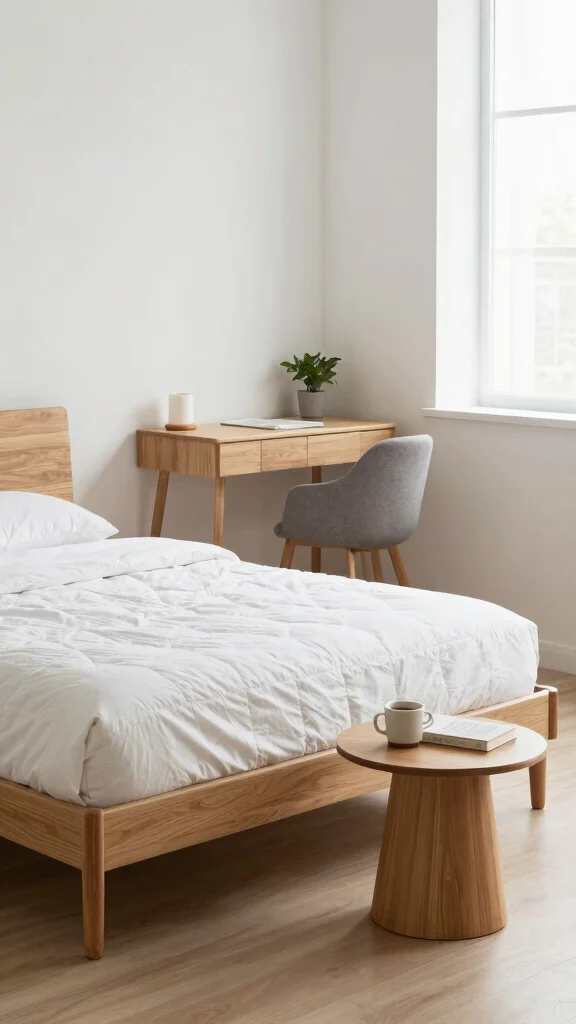
Choosing minimalist furniture can significantly enhance the functionality of your tiny bedroom. By selecting pieces that are both stylish and practical, you’ll free up valuable floor space while keeping your room organized. Think about incorporating items that offer storage solutions, such as beds with built-in drawers or ottomans that double as seating and storage.
Consider these minimalist furniture tips to maximize your space:
– Choose Sleek Designs: Opt for furniture with clean lines and simple designs that don’t clutter the visual space.
– Opt for Lightweight Pieces: Lightweight furniture can be easily moved around, allowing for flexible arrangements.
– Use Multi-functional Furniture: Select items that serve multiple purposes, such as convertible sofas or expandable tables.
– Keep It Minimal: Limit the number of pieces to only essentials for a clutter-free look.
Integrating minimalist furniture can streamline your bedroom design, making it feel more expansive and functional.
Recommended Products

【Versatile Vertical Shoe Tower】: A total of 7 open shelves provide ample storage space for shoes in an organized manner, keeping shoes at a glance. It can be used to store shoes as well as other small items that need daily use, such as towels, sundries, books and plants.
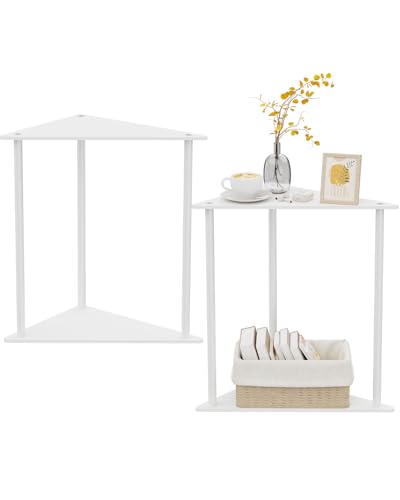
Durable and Sturdy: This triangular side table is made of sturdy metal material, with a black matte coating that is rust proof and waterproof. The triangular structure is sturdy and not easily shaken, ensuring long-lasting durability and stability

【Versatile Vertical Shoe Tower】: A total of 7 open shelves provide ample storage space for shoes in an organized manner, keeping shoes at a glance. It can be used to store shoes as well as other small items that need daily use, such as towels, sundries, books and plants.
3. Utilize Vertical Space
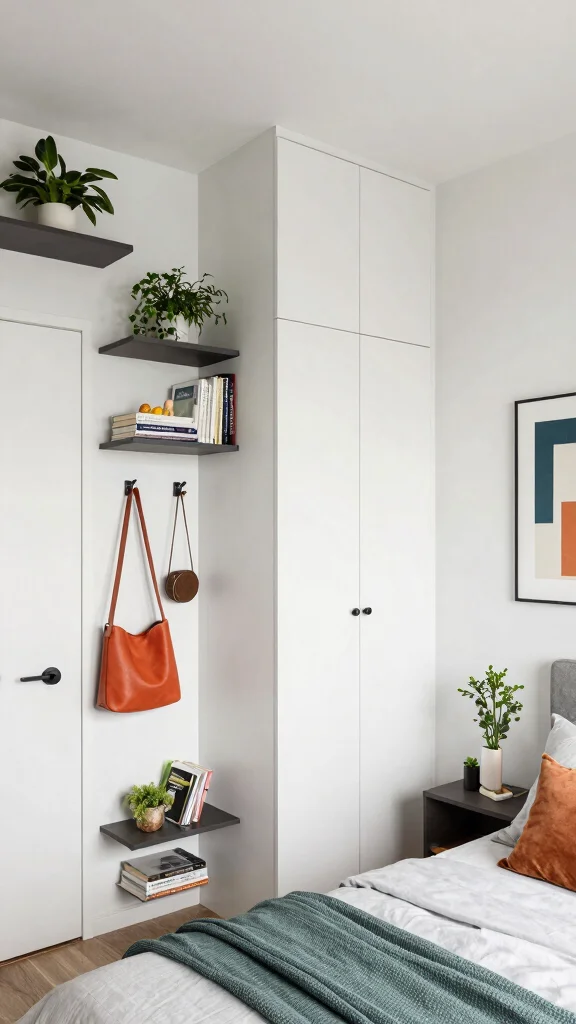
In small bedrooms, maximizing vertical space can work wonders in creating a more open feel. Installing shelves high on the walls draws the eye upward, giving the illusion of height and spaciousness. This approach not only enhances storage but also adds a decorative element to your walls.
Here’s how to effectively utilize vertical space:
– Wall-mounted Shelves: Use these to display books, plants, or decorative items, keeping the floor clear.
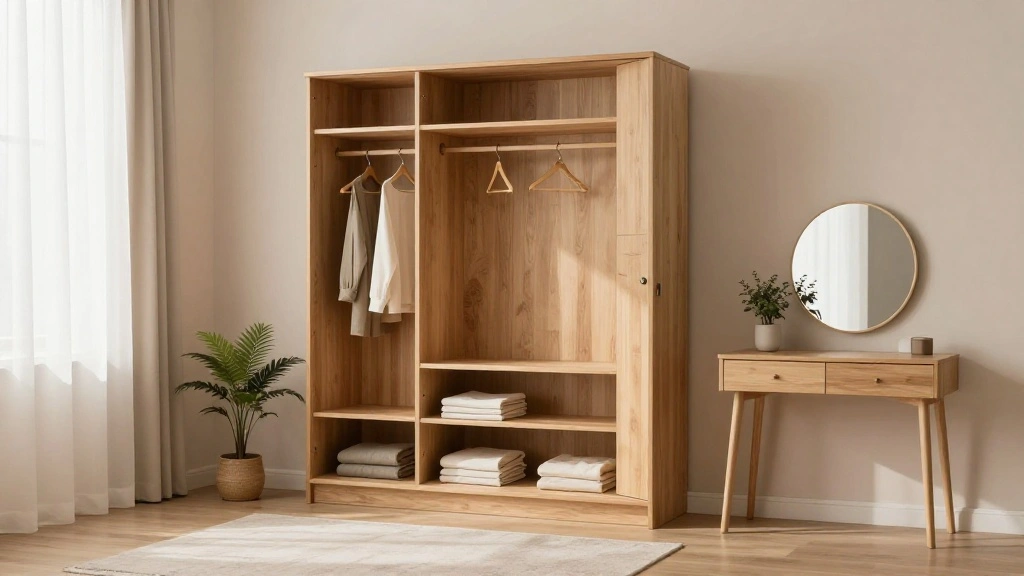
– Tall Wardrobes: Invest in tall, slim wardrobes to maximize storage without taking up too much horizontal space.
– Hanging Hooks and Racks: Install hooks for bags or accessories to keep surfaces tidy.
– Art Display: Hang art at eye level while also incorporating taller pieces to enhance the vertical effect.
Using vertical space not only optimizes storage but also elevates the aesthetic appeal of your tiny bedroom.
Recommended Products

[5 Tier Wall Shelf Unit] Lack wall shelf unit (Shelf Size: W 11.8" x D 8") is perfect for creating additional storage without taking up floor space. They can be installed at various heights, allowing you to customize your wall shelving unit setup according to your needs. This vertical floating shelf is ideal for storing books, plants or personal items like pictures, photo albums, collectibles etc.

Stylish Wall Mounted Shelves: Our vertical shelf unit are elegantly designed to add to your wall decor layout, the tower design is very practical and this five mounted floating shelves will fit perfectly into any home décor.
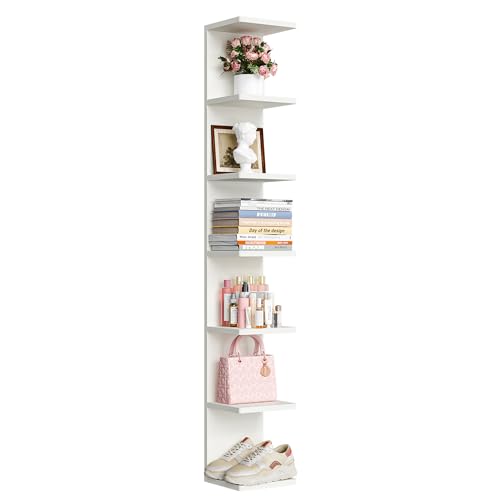
【Rounded Edges and Invisible screw Hole】The list includes hole covering stickers, which create a seamless appearance after being applied. And the edges of each layer of wood are rounded, making it safer to use.
4. Incorporate Mirrors Wisely
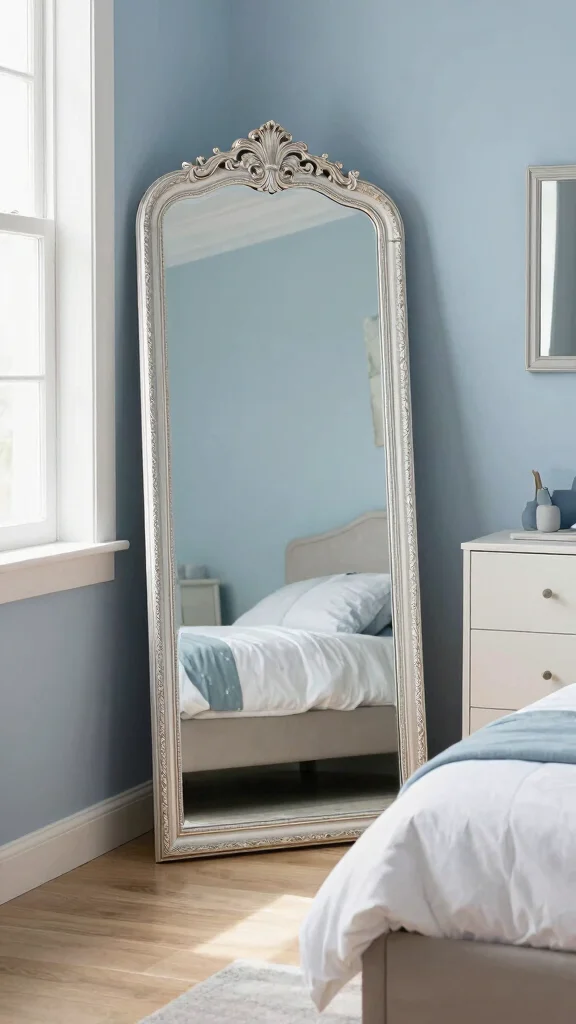
Mirrors are a fantastic tool for enhancing the perception of space in tiny bedrooms. They reflect light and can make your room feel significantly larger. A strategically placed mirror can double the visual space while adding elegance and style to your decor.
To maximize the effect of mirrors, consider these tips:
– Positioning Matters: Place mirrors opposite windows to capture and reflect natural light.
– Large Mirrors: Use one large mirror instead of multiple small ones for a streamlined appearance.
– Mirrored Furniture: Incorporate mirrored furniture or decor pieces to enhance the reflective effect.
– Framed Styles: Choose decorative frames that align with your bedroom’s theme for added style.
The thoughtful use of mirrors is an effective way to enhance space perception and elevate your overall decor.
Recommended Products

Perfect for New Bathroom: Our black framed bathroom mirror is a good choice for the bathroom remodel, the high-definition mirror surface enhance the light and add visual effect which can make your bathroom in a good condition. What's more, we have explosion-proof film on the rectangular mirror for the safe using

PERFECT SIZE :63"x24" perfect full size for you to see your entire figure from head to toe,fits all decors and creates the illusion of a wider space.

Modern Arched Design: The arched mirror from Sweetcrispy adds a touch of vintage charm to any wall decor. Perfectly suited for modern, rustic, or bohemian interior styles, it blends seamlessly into living rooms, bedrooms, or entryways, elevating your space with timeless elegance
🏡 Transform Your Space Like a Pro
Unlock the secrets of stunning home makeovers with our DIY guide, perfect for tiny bedrooms and beyond.
5. Create a Focal Point
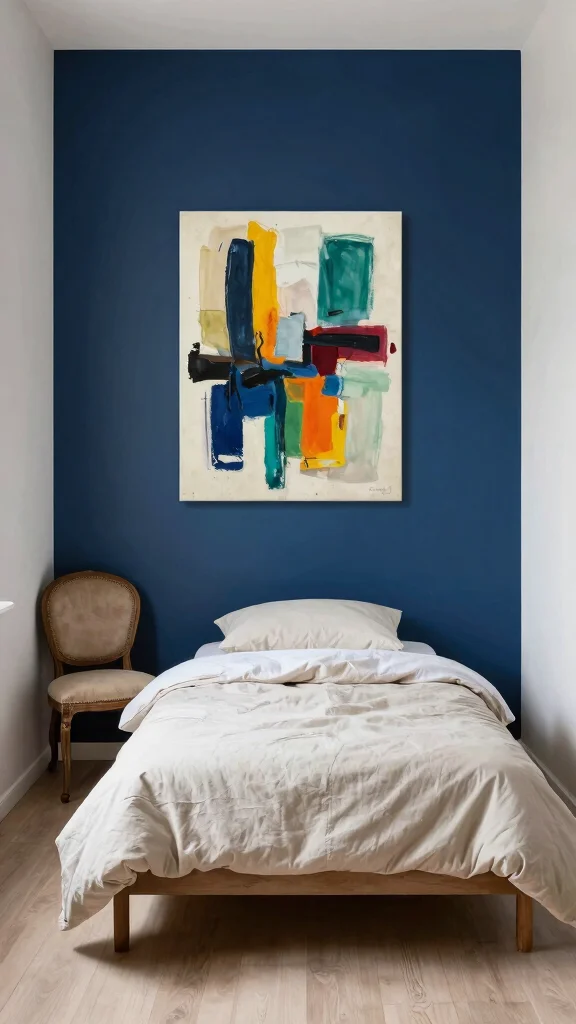
Creating a focal point in your tiny bedroom can help divert attention from the space’s size. A striking piece of art, an accent wall, or a bold piece of furniture can draw the eye and create a more inviting atmosphere.
Here’s how to establish a captivating focal point:
– Accent Wall: Opt for a bold color or patterned wallpaper on one wall to create visual interest.
– Highlight Artwork: Use a large piece of artwork as a centerpiece above the bed for impact.
– Statement Furniture: Introduce one standout item, like a vintage chair or a unique lamp, to catch attention.
– Keep Other Elements Simple: Balance your focal point with muted colors or simple designs in the rest of the space.
A well-considered focal point can transform your tiny bedroom, making it feel more spacious and inviting.
Recommended Products

Music Sync Mode: Let your LED light strips 100 foot dance to the beat in real-time.Perfect for birthday parties, Christmas, Easter, Halloween, carnival, prom, wedding or everyday use because these RGB LED light bars can bring you a visual feast.

Colorful LED Lights: Tyute floor lamp offers a wide range of colors to suit your mood and preference. Choose from over 16 million vibrant colors or adjust the brightness to create the perfect ambiance for any room in your home.

[ AMBIENT LED LIGHTS FOR TV] – MATICOD led lights for tv is suitable for various places and atmospheres. A bright led lights for tv can provide a good viewing experience in the dark and relieve the visual fatigue caused by the dim space. Variety of color and dynamic options make tv lights the perfect atmosphere maker. Can be a novelty gifts for your family, friends, loved ones!
6. Bed Placement and Layout
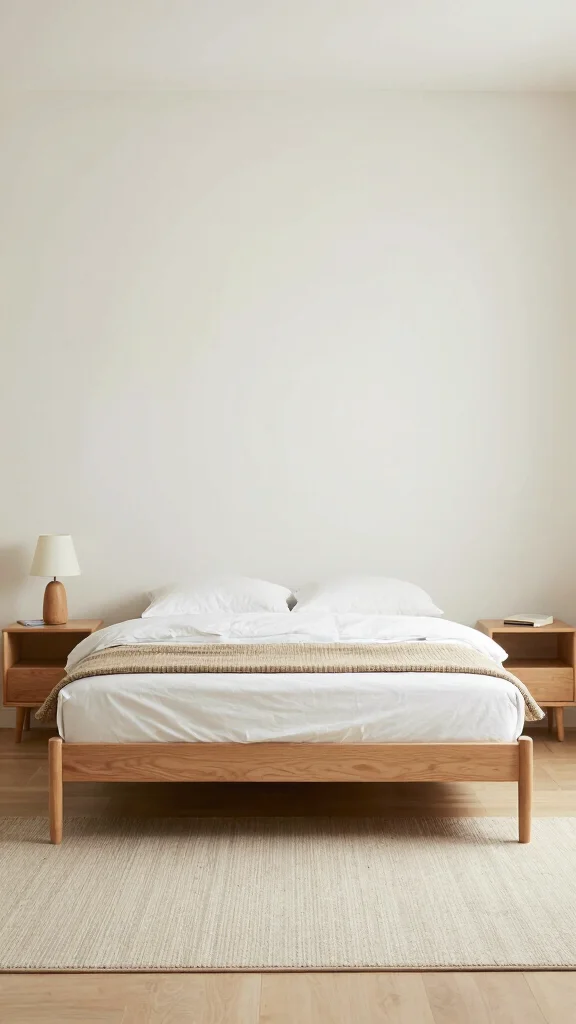
The placement of your bed is crucial for enhancing the overall feel of your tiny bedroom. A strategically positioned bed can create a more spacious and inviting environment.
Consider these layout tips for optimal bed placement:
– Center the Bed: Placing the bed in the middle of the room creates a balanced look, if space allows.
– Corner Placement: If the area is tight, positioning the bed in a corner frees up additional floor space for movement.
– Against the Wall: Position the bed against the longest wall to make the room feel wider.
– Consider Bed Height: Low-profile beds create a sense of more space, while high beds may make the room feel cramped.
Thoughtful bed placement is key to achieving a spacious feel in a tiny bedroom.
Recommended Products

Unique Pom Tufted Design: This stylish full bedding set for girls features a colorful comforter with thick tufted pompoms and boho-inspired diamond patterns. It brings a chic and elegant look to your bedroom or dorm, blending playful charm with refined style.

OUTSTANDING 5 PIECE SET – Ready to update your bedroom decor? Get everything you need in one set! This soft and comfortable down alternative comforter set includes all you need to transform your bed into a home décor dream. In each pre-packaged set you will receive 1 all season brushed microfiber comforter, 1 fitted sheet, 1 flat sheet, and 2 pillowcases. Update your bedding with our Sweet Home Collection 5 Piece Bed in a Bag Comforter Set today!

Unique Designs: We use digital printing technology to create exquisite designs for our comforters; whether you're looking for modern geometric shapes, sports theme, western theme, or animal inspired designs, you will find a unique bedding set here
You might also like
7. Use Natural Elements
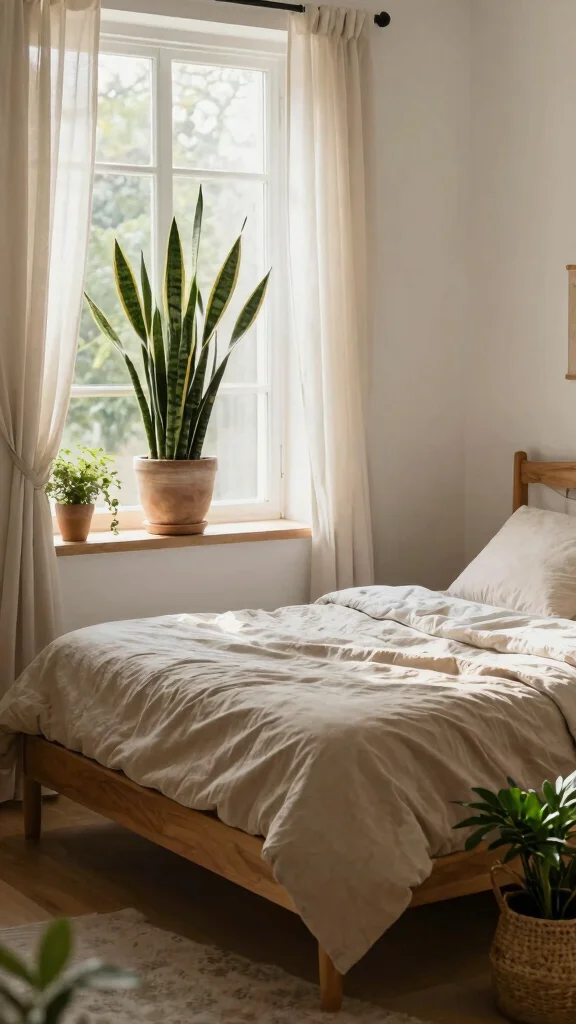
Integrating natural elements into your tiny bedroom can foster a calming and welcoming atmosphere. Incorporating plants, natural wood, and organic textiles enhances the room’s aesthetic and promotes tranquility.
Here are some effective ways to embrace nature in your design:
– Add Plants: Opt for low-maintenance indoor plants like snake plants or pothos that thrive in low light.
– Select Natural Materials: Use wooden furniture or decor made from organic materials to introduce warmth.
– Textiles: Choose organic cotton or linen for bedding to enhance comfort.
– Natural Light: Keep window treatments minimal to maximize light and create a connection with the outdoors.
By embracing these natural elements, you create a serene atmosphere that feels both larger and more inviting.
Recommended Products

Small Bookshelf for Small Spaces: Featuring a compact design, the floor standing tree bookshelf optimizes floor space, making it an excellent choice for bedrooms, home offices, corners, hallways, or smaller living rooms. This narrow small bookcase organizer provides ample storage for books, CDs, game cassettes, decorations, and more. Keep your belongings stylishly organized, ensuring a neat and clutter-free space. ( Book shelf dimensions: 47.4"H*14.6"L*"7.9"W )

Modern Simple Style Design: Computer desk with 2-tier open fabric drawers with wooden front and one shelf for storage, providing plenty of room for under-desk storage and organization. You can try this two installation methods (left or right). This splice board desk is made of thick P2 particle wood board with scratch-resistant, anti-collision and waterproof, protect home office desk surface from daily wear and tear.

Composition: Real Oak Wood Veneer. The use of veneer results in high-quality furniture with flawless surfaces and consistent color tones.
8. Declutter Regularly
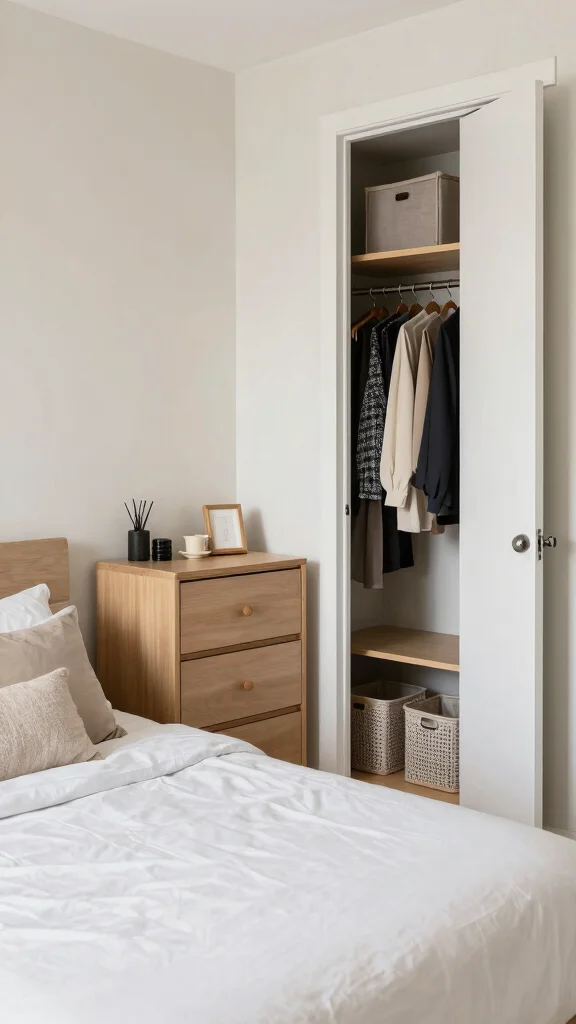
Maintaining organization in your tiny bedroom is essential for preserving a spacious feel. Clutter can quickly overwhelm a small space, making it vital to establish a regular decluttering routine.
Here are some effective tips for keeping your bedroom organized:
– Set a Schedule: Choose a day each month to reassess your items and discard what you no longer need.
– Use Storage Bins: Invest in stylish storage solutions to keep items neatly out of sight.
– Limit Surfaces: Keep bedside tables and dressers clear of unnecessary items for an uncluttered look.
– Seasonal Wardrobe Swap: Rotate your wardrobe seasonally to free up space for current essentials.
Regular decluttering ensures your tiny bedroom remains a peaceful and inviting retreat.
Recommended Products

Versatile Wooden Wall Shelf: This helps you stay organized and keep everything in order in small spaces. Use it in your bedroom to hold candles and cosmetics, in living room to display pictures and plants, in your office to display books and stationary, or even in your kitchen for jars and spices

Sorbus Corner Wall Shelf: This floating vertical wall shelf unit is ideal for showcasing your favorite books and keepsakes in any space. Featuring five square shelves and two clothing hooks, this storage organizer is designed to maximize space and elevate blank wall space.
Dimensions & Size Guide
Standard Sizes & Measurements:
When designing a tiny bedroom, understanding standard sizes is crucial. This helps you choose the right furniture and layout while maximizing your space. Here are some common bedroom dimensions to consider:
– Twin Bed: 38″ x 75″ – Ideal for one person, often requires a minimum of 3 feet around for comfortable movement.
– Full Bed: 54″ x 75″ – Good for cozy sleeping arrangements, needing at least 4 feet around for easy access.
– Queen Bed: 60″ x 80″ – Perfect for couples, needs a minimum of 4.5 feet of clearance around.
– King Bed: 76″ x 80″ – Luxurious but requires at least 5 feet of space on all sides for movement.
– Nightstand: 20″ x 20″ – Should be placed 12-18 inches away from the bed for easy reach.
– Closet Depth: At least 24″ for hanging clothes, while 36″ is ideal for a walk-in closet.
Keep in mind that these measurements are just guidelines. Each space is unique, and you should measure your room accurately before making any purchases.
Quick Reference Table:
This table summarizes different sizes and their best uses:
Size/Dimension – Best for: [use case], Minimum space needed: [measurement]
– Twin Bed – Good for kids or guests, Minimum space needed: 3 feet
– Full Bed – Cozy for couples or individuals, Minimum space needed: 4 feet
– Queen Bed – Best for couples needing more space, Minimum space needed: 4.5 feet
– King Bed – Luxury option for spacious bedrooms, Minimum space needed: 5 feet
– Nightstand – Useful for storing bedside items, Minimum space needed: 12-18 inches clearance
– Closet Depth – Essential for organized clothing, Minimum space needed: 24 inches
Space Planning Tips:
Planning your tiny bedroom layout is key to creating an airy feel. Here are some practical tips to ensure you make the most of your measurements:
1. Measure First: Always measure your room before buying furniture. Use a tape measure for accuracy. This prevents oversized items that crowd your space.
2. Leave Space for Movement: Aim for at least 24-30 inches of walking space between furniture pieces. This will make the room feel open and accessible.
3. Draw a Floor Plan: Sketch a simple layout on paper. Include your bed, nightstands, and other furniture. This helps visualize how everything fits together.
4. Consider Multi-Functional Furniture: Look for furniture that serves multiple purposes, like a bed with storage underneath or a desk that doubles as a nightstand. This helps minimize clutter while maximizing utility.
5. Avoid Overcrowding: Resist the urge to fill every corner with furniture. Empty spaces can create a sense of openness. Stick to essentials to keep the room feeling larger.
Common mistakes include not measuring doors or hallways, which can impact how furniture fits in the room. Always check these dimensions to avoid surprises!
Pro Tip:
The most important measurement to consider is your bed size. It takes up the most space in your bedroom, so make sure it fits comfortably without cramping your ability to move around freely. Measure your space first, then choose the bed that best suits your needs and leaves room for other essentials. Happy decorating!
Recommended Products

【Large Full-Length Mirror】This full body mirror delivers a clear reflection with distortion-free glass. It’s a stylish decor for your bedroom, living room, closet, home gym and more.


Oversized Floor Length Mirror: This 41"x 81" huge full body mirror is large enough to provide you a full body view, allowing you to see your entire outfit from head to toe
9. Layered Lighting
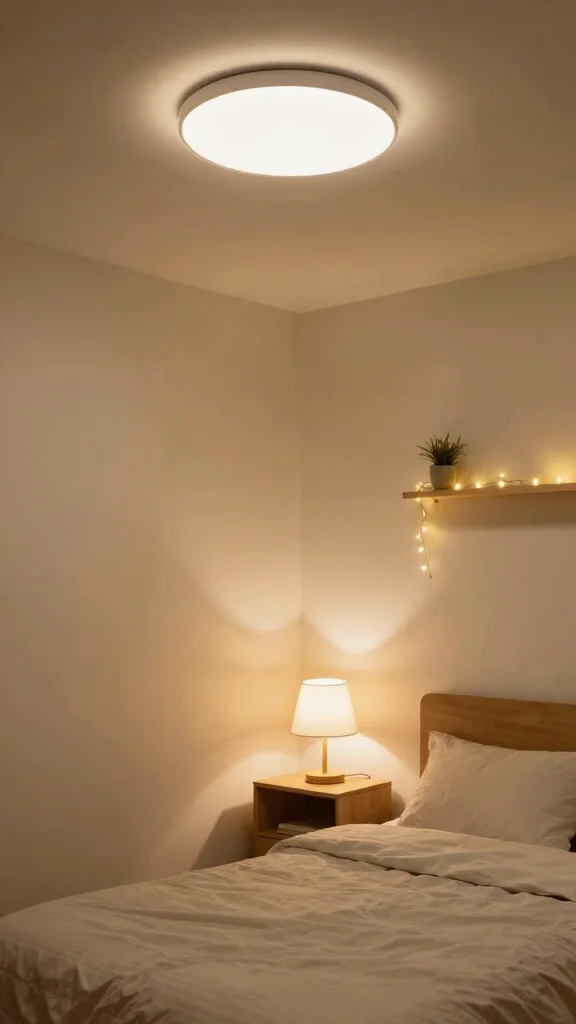
A well-lit bedroom can significantly enhance the feeling of space and warmth. Using a combination of overhead, task, and accent lighting creates an inviting atmosphere that can be adjusted to suit your needs.
Here’s how to effectively layer lighting in your tiny bedroom:
– Overhead Lighting: Choose a stylish ceiling fixture that provides ample light for the entire room.
– Task Lighting: Add bedside lamps for reading or working tasks, ensuring they are compact and stylistically aligned with your decor.
– Accent Lighting: Use string lights or wall sconces to add warmth and highlight features like artwork or shelves.
– Dimmers: Install dimmer switches to control light levels and adapt the mood.
Layering lighting creates depth and warmth, making your tiny bedroom feel more spacious and inviting.
❝ Layered lighting can make a tiny bedroom feel bigger and cozier. Use overhead brightness for openness, add compact bedside lamps for task lighting, and tuck in subtle accent lights to warm the vibe. Adjust the setup to fit your needs and routines. ❞
10. Personalize with Minimalist Decor
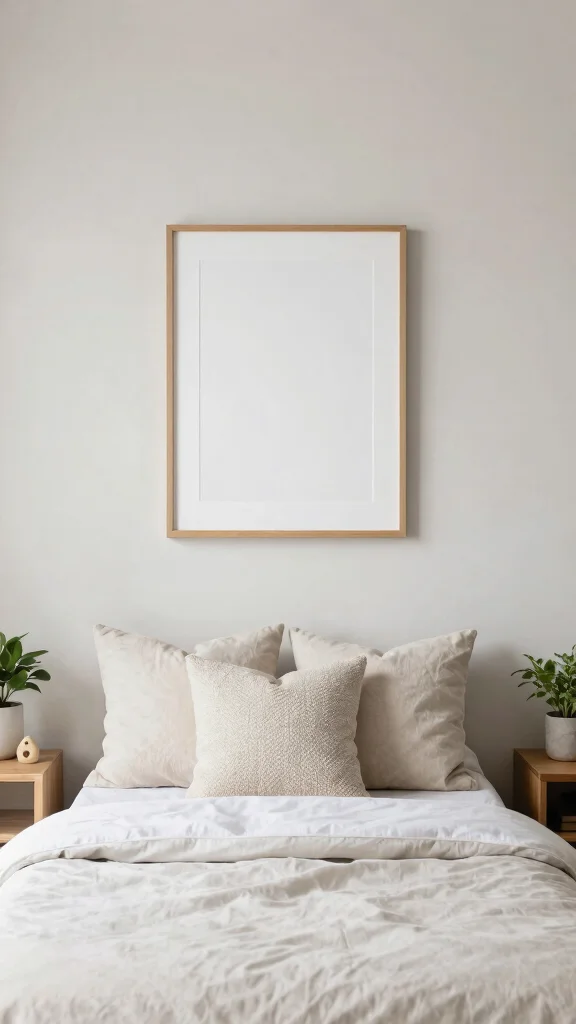
Your tiny bedroom should reflect your personality while remaining functional. Minimalist decor allows for personalization without overwhelming the space. This can involve carefully chosen art, throws, and decorative items that complement the room’s style.
To personalize your space while keeping it minimalist, consider:
– Select Statement Pieces: Choose one or two key decor items that resonate with you.
– Incorporate Textures: Use various textures in bedding or decor to add depth without clutter.
– Artwork Display: A single piece of art or a curated gallery wall can provide a personal touch.
– Keep It Simple: Avoid excessive decor; focus on quality over quantity.
By thoughtfully personalizing your space, you create a welcoming environment that feels uniquely yours without sacrificing minimalism.
11. Use Curtains Strategically
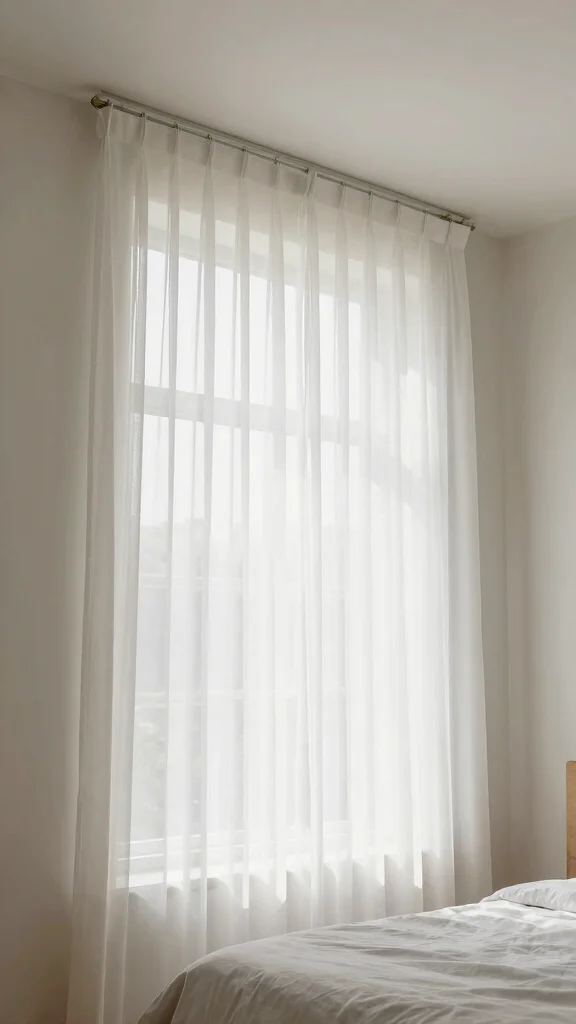
Curtains play a vital role in shaping the perception of space and light in your tiny bedroom. Selecting the right window treatments can enhance the room’s openness and brightness.
Consider these curtain strategies:
– Lightweight Fabrics: Use sheer or lightweight curtains that allow natural light to filter in while providing privacy.
– Hang High: Install curtain rods near the ceiling to create an illusion of height and make the room feel bigger.
– Length Matters: Choose curtains that touch the floor for an elegant finish.
– Color Coordination: Select curtains that match or complement the wall color for a seamless look.
Thoughtfully chosen curtains can enhance natural light and contribute to the spaciousness of your tiny bedroom.
You Might Also Like
12. Opt for Built-In Storage
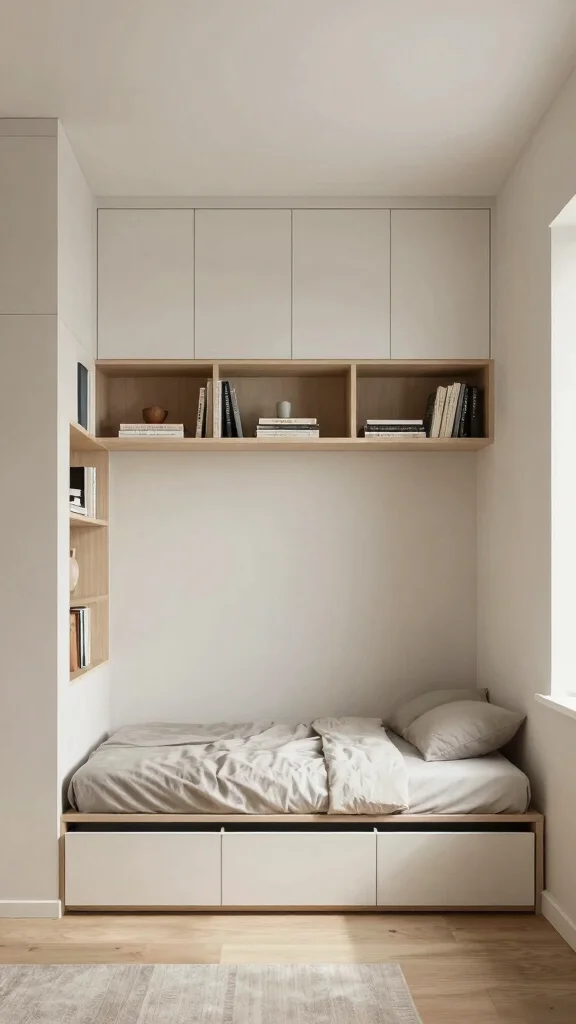
Built-in storage solutions are ideal for maximizing every inch of your tiny bedroom while maintaining a sleek appearance. Custom cabinetry or shelving can fit snugly into awkward spaces, ensuring no area goes to waste.
Here’s how to incorporate built-in storage:
– Wall Units: Create wall-to-wall built-in shelves for books and decor while keeping the floor clear.
– Under-Bed Drawers: Consider beds with built-in drawers or a lofted bed to utilize the area beneath.
– Nooks and Crannies: Make use of corners or alcoves with custom cabinetry for shoes or linens.
– Sliding Doors: Use sliding panels on built-in wardrobes for space-saving functionality.
Built-in storage enhances the functionality of your tiny bedroom, making it feel organized and spacious.
Fun fact: built-in storage can reclaim up to 25% more floor space in a tiny bedroom, making it feel instantly bigger. Wall-to-wall shelves and under-bed drawers turn awkward nooks into usable storage for tiny bedroom design, without sacrificing style.
13. Keep Accessories to a Minimum
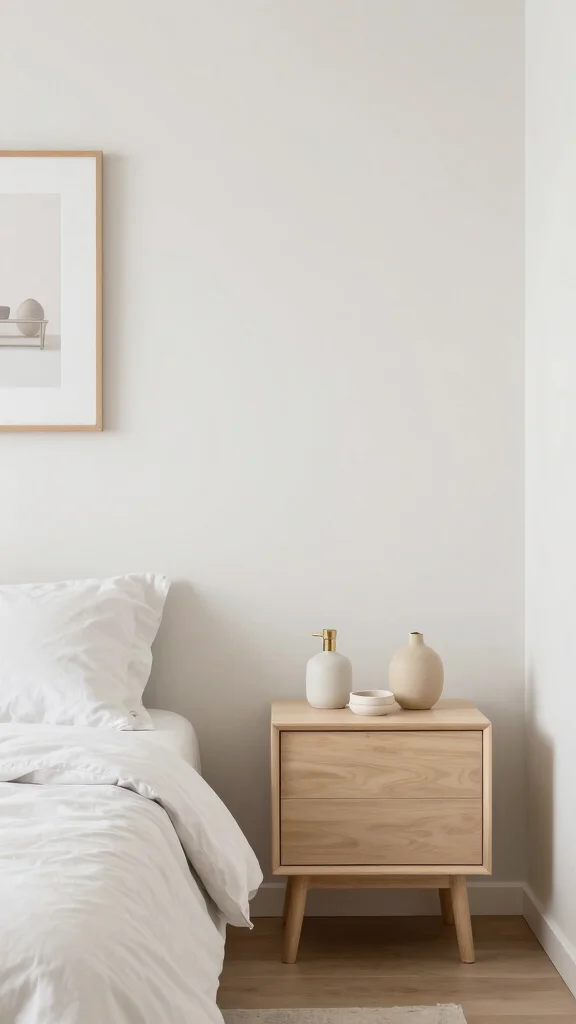
Accessorizing in a tiny bedroom can be tricky; too many items may lead to visual clutter. Practicing restraint is essential for achieving a minimalist look that still feels personalized.
Here are tips for selecting accessories wisely:
– Fewer but Meaningful: Choose a few accessories that truly resonate with you instead of filling every surface.
– Coordinate Colors: Keep your accessories within a consistent color palette that matches the room’s theme.
– Vary Heights: Use accessories of different heights to create visual interest without overcrowding.
– Seasonal Decor: Rotate decor seasonally to keep the space fresh while limiting permanent clutter.
By curating accessories mindfully, you can maintain a stylish and uncluttered tiny bedroom.
14. Optimize Bedroom Layout for Flow
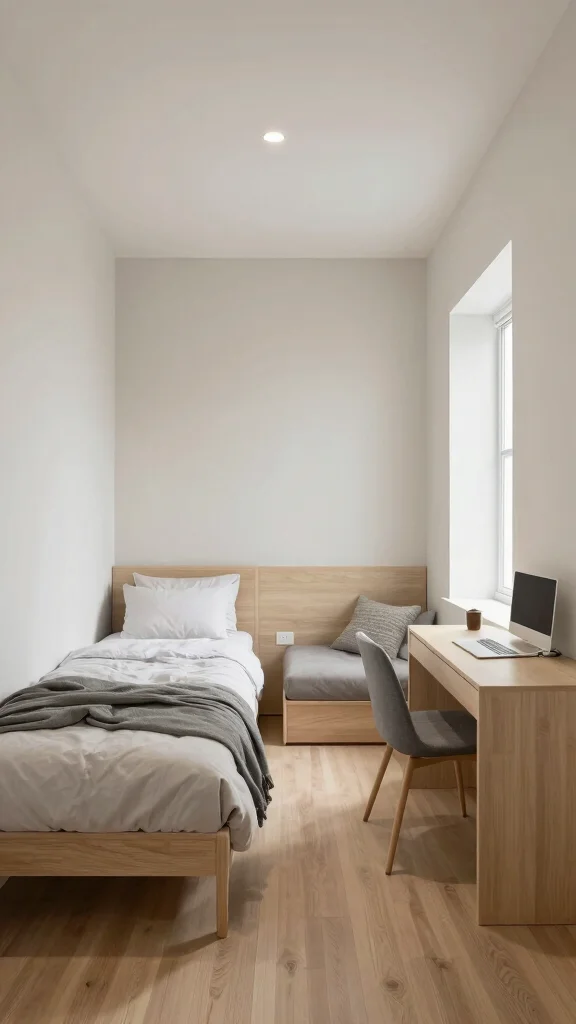
Designing a layout that promotes easy movement within your tiny bedroom is critical for making the space feel larger. A well-planned flow ensures that everything is accessible without crowding the area.
To optimize your bedroom layout, consider:
– Designated Zones: Create specific areas for sleeping, working, and relaxing to avoid chaos.
– Furnish Wisely: Arrange furniture to allow clear pathways without obstructing doors and windows.
– Scale Furniture: Choose appropriately sized furniture that fits both your needs and the room dimensions.
– Trial and Error: Experiment with different layouts to discover the most comfortable arrangement.
By optimizing your bedroom layout, you enhance functionality while achieving a spacious feel.
Conclusion
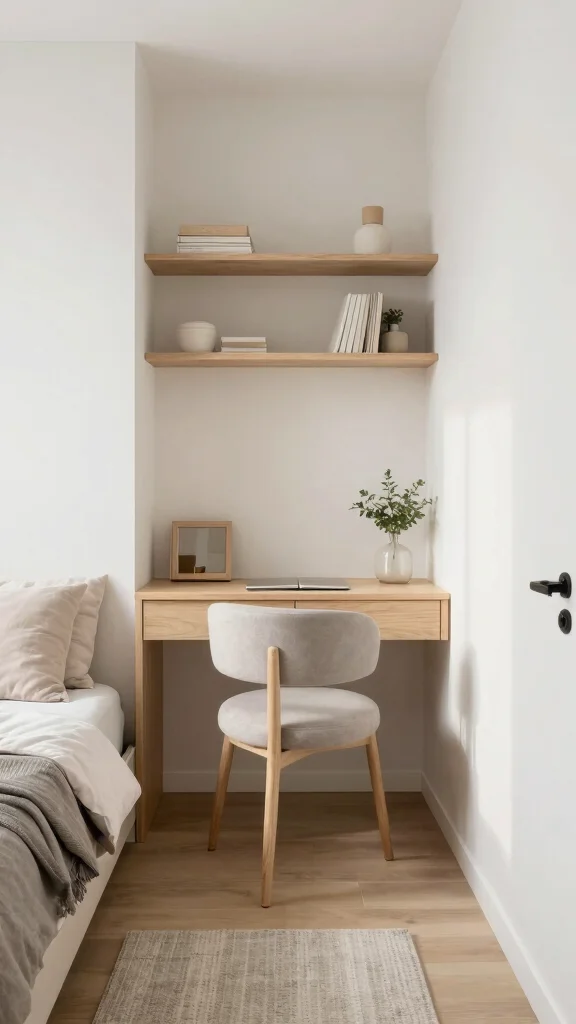
Creating a tiny bedroom that feels spacious and inviting involves thoughtful design choices. By embracing light colors, minimalist furniture, and clever storage solutions, your small space can become a cozy retreat. Keep in mind the importance of layout and accessorizing with intention.
With these tips, your tiny bedroom can transform into a stylish haven that reflects your personality while keeping the clutter at bay.
Frequently Asked Questions
What are some tiny bedroom design ideas that make small spaces feel bigger?
These tiny bedroom design ideas help you maximize space without sacrificing style.
Start by planning around vertical space: mount cabinets or shelves high, use a wall-mounted mirror to visually expand the room, and choose a bed with built-in storage.
Pick space-saving furniture that tucks neatly into corners, like a floating nightstand or a slim dresser.
Keep the floor clear with under-bed or behind-door storage, and lean on light color palettes to keep the space bright.
Finally, use simple, clutter-free decor to avoid crowding the room.
Which space-saving furniture options work best in a minimalist tiny bedroom?
In a minimalist tiny bedroom design, choose furniture that serves more than one purpose.
Look for a bed with built-in drawers or a storage headboard, a slim dresser, and wall-mounted desks that tuck away when not in use.
Opt for pieces with clean lines and slim profiles to preserve floor space.
Use nesting tables or stackable chairs that can disappear when empty.
With thoughtful space-saving furniture, you can keep the room calm and open.
How can light color palettes improve a small bedroom design?
Light color palettes bounce natural light around the room, making a small space feel airy and larger.
Start with soft neutrals on walls, then layer in near-white or pale tones on textiles and furniture for a cohesive look.
Add reflective surfaces—a mirror, glass, or gloss finishes—to amplify brightness.
Contrast with texture rather than color by using woven fabrics, linen, and natural wood.
This approach keeps your tiny bedroom design calm and inviting while maintaining a minimalist vibe.
What are practical bedroom organization tips for a tiny bedroom?
Start with a simple declutter habit: every day put away items in designated spots.
Use under-bed storage, tall slim organizers in closets, and door-mounted organizers for accessories.
Choose a wardrobe with adjustable shelves to maximize every inch.
Keep surfaces clear by hiding charging cables in a cord management box and using baskets that match your color palette.
With these bedroom organization tips, small spaces stay tidy and feel bigger.
How can I incorporate minimalist decor ideas in a tiny bedroom without making it feel sterile?
Focus on a few high-impact pieces rather than a lot of clutter.
Choose minimalist decor ideas like a clean-lined bed, a single statement light, and a plant to bring life in without crowding.
Use natural materials and warm textures to add coziness while keeping the space calm.
Limit color to a restrained palette and let negative space breathe.
With intentional decor and good lighting, your tiny bedroom stays serene, functional, and welcoming.
Related Topics
tiny bedroom design
minimalist decor
small space solutions
space-saving furniture
bedroom organization
light color palettes
budget friendly
easy updates
beginner friendly
modern design
cozy interiors
functional decor
Leave a Reply